Tequila Recipes


Types of Tequila
Tequila comes in various forms, each offering a unique experience. Here’s a breakdown of the different types of tequila and what makes each one special.
Blanco Tequila
Often referred to as white or silver tequila, Blanco is the purest form, unaged or aged for less than two months. It captures the true essence of the blue agave plant, with a sharp, robust flavor that’s perfect for mixing in cocktails like margaritas or enjoying as a shot.
Reposado Tequila
Reposado means “rested,” and these tequilas are aged in oak barrels for two months to a year. The aging process adds a golden hue and infuses the tequila with a balanced, smooth flavor profile with hints of oak, vanilla, and caramel. Reposado is a versatile choice, great for sipping or in cocktails.
Añejo Tequila
Aged for one to three years in small oak barrels, Añejo tequilas are darker and richer, offering complex flavors like dark chocolate, dried fruits, and smoky undertones. This sophisticated tequila is often enjoyed neat, much like a fine whiskey.
Extra Añejo Tequila
The pinnacle of aged tequilas, Extra Añejo is aged for a minimum of three years, resulting in an incredibly rich and complex spirit. Expect deep flavors with pronounced oakiness, hints of coffee, honey, and spices. It’s best savored slowly in a snifter.
Joven Tequila
A blend of Blanco and Reposado, Joven tequilas often have added flavorings or caramel coloring. While sometimes overlooked, high-quality Joven tequilas offer a unique balance between the boldness of Blanco and the smoothness of Reposado, making them excellent for mixing.
Cristalino Tequila
This relatively new category is an aged tequila (Añejo or Extra Añejo) that has been filtered to remove its color. Despite its clear appearance, Cristalino retains the complex flavors of an aged tequila, offering a smooth yet rich tasting experience.
Organic and Infused Tequilas
For those who prefer eco-friendly options, organic tequilas made from 100% organically grown blue agave are available. Infused tequilas, flavored with ingredients like lime, pineapple, or jalapeno, offer a fun twist for cocktail enthusiasts.
Single Barrel Tequila
Much like single-barrel bourbon, these tequilas are aged in a single barrel, resulting in unique variations between bottles. Each bottle is often labeled with the specific barrel number, making it a collector’s item.
Reserva de Casa Tequila
These limited-edition, top-tier tequilas are often the best a distillery has to offer, aged longer than usual and typically reserved for special occasions.
Glossary
Navigating the world of tequila is easier with these key terms:
Agave: The plant from which tequila is made, specifically the Blue Weber Agave.
Blanco: The purest form of tequila, usually unaged or aged for less than two months.
Reposado: Tequila aged in oak barrels for two months to less than a year.
Añejo: Tequila aged for one to three years in small oak barrels.
Extra Añejo: Tequila aged for at least three years, known for its rich and complex flavors.
Mixto: Tequila made with at least 51% Blue Weber Agave, mixed with other sugars.
NOM: A code on the bottle that indicates the distillery where the tequila was produced.
Piña: The heart of the agave plant, harvested and cooked to produce tequila.
Famous Tequila Brands
Every tequila brand has its own unique story:Patrón: Known for setting the standard for luxury tequilas, Patrón blends traditional methods with high-quality production.
José Cuervo: The pioneer of tequila, José Cuervo has been a global tequila powerhouse since 1758.
Don Julio: Revolutionized the industry by prioritizing quality over quantity and introducing taller bottles for ease of use.
Herradura: Innovator of Reposado tequila, known for aging it longer than industry norms.
Tequila Fortaleza: Resurrected by a fifth-generation family member, Fortaleza remains committed to traditional methods.
Casa Noble: An organic tequila pioneer, blending tradition with eco-friendly practices.
Clase Azul: Famous for its hand-painted ceramic bottles and ultra-premium tequilas.
El Tesoro: Celebrates traditional methods with a focus on craftsmanship.
Ocho Tequila: The first tequila to designate terroir, highlighting the impact of soil and climate on flavor.
Espolòn: Combines high-quality tequila with a deep connection to Mexican heritage.
Tequila Cocktails
Tequila Sunrise: Adding pomegranate juice gives this classic a new depth of flavor.
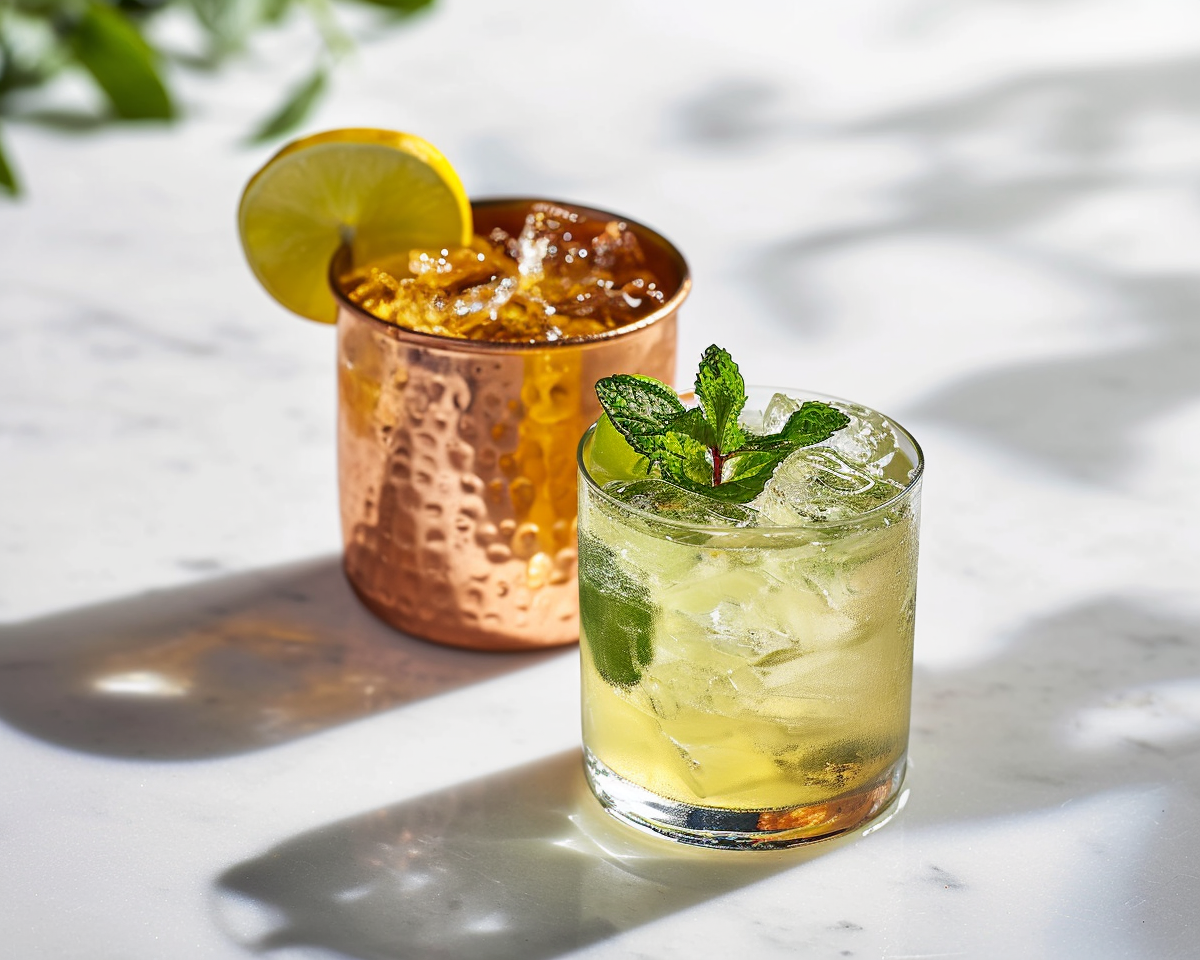
Mexican Mule: A tequila twist on the Moscow Mule, with ginger beer and lime.
Tamarind Tequila: A blend of tamarind and chipotle offers a sweet, sour, and smoky profile.
Tequila Espresso Martini: Replacing vodka with tequila adds a bold, earthy dimension to the classic Espresso Martini.
Tequila Tour: Top Tequila Distilleries to Visit in Mexico
For tequila enthusiasts, visiting the following distilleries in Mexico offers an unforgettable experience:
Casa Herradura: Located in Amatitán, Jalisco, this distillery combines traditional and modern tequila-making methods.
Tequila Patrón: Situated in Jalisco’s highlands, Patrón’s distillery is known for its meticulous production process.
José Cuervo: Visit La Rojeña, the oldest active tequila distillery in Tequila, Jalisco, for a historical journey.
Tequila Fortaleza: A small-batch, artisanal distillery in Tequila, Jalisco, using traditional methods like the tahona.
Common Misconceptions about Tequila
Common myths about tequila include:
The Worm Myth: Tequila bottles don’t contain worms; this is more common in mezcal.
Shooting Tequila: Sipping tequila, especially aged varieties, allows you to appreciate its complexity.
All Tequilas are the Same: Only tequila made from 100% blue agave is pure; mixtos contain other sugars.
Tequila is Cactus Juice: Tequila is made from the blue agave plant, not cacti.
Tequila Tasting: A Step-by-Step Guide
- The Look: Observe the color to understand the aging process.
- The Swirl: Oxygenate the tequila and observe the “legs” for body.
- The Sniff: Identify the aromas, from fresh agave to complex aged notes.
- The Sip: Savor the flavors and let the tequila coat your palate.
- The Finish: A good tequila has a smooth, lingering aftertaste.
Tequila Pairings
Tequila pairs wonderfully with food:
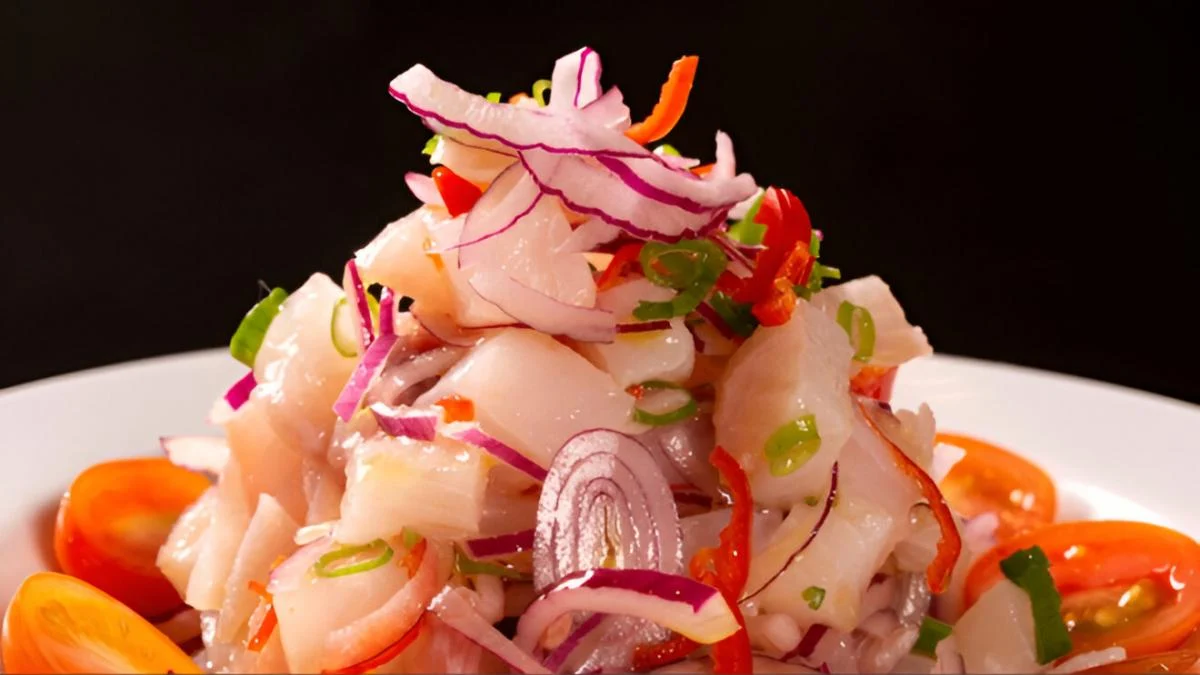
Blanco Tequila: Pairs well with seafood and vegetarian dishes due to its fresh, crisp flavor.
Reposado Tequila: Versatile, pairing well with grilled meats and spicy dishes.
Añejo and Extra Añejo Tequila: Perfect for rich, savory dishes like steak or desserts like dark chocolate.
Tequila Making
Tequila production is a meticulous process:
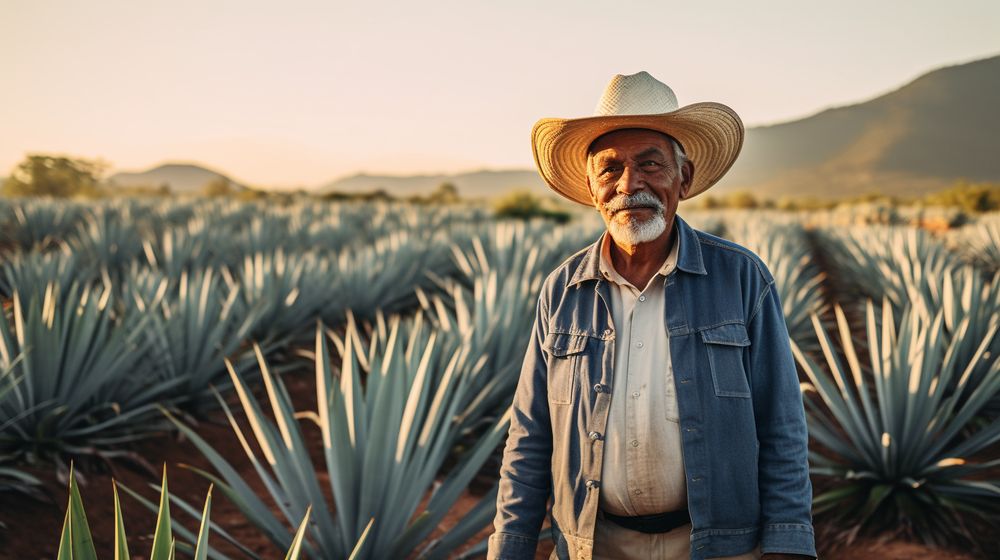
- Agave Cultivation: The journey begins with the Blue Weber Agave, which takes 8-12 years to mature.
- Cooking and Extraction: The piñas are cooked to convert complex carbohydrates into fermentable sugars.
- Fermentation and Distillation: Yeast ferments the agave juice into alcohol, which is then distilled to create tequila.
- Aging: The tequila is aged in oak barrels, with the duration determining whether it becomes Reposado, Añejo, or Extra Añejo.
The Origins of Tequila
Tequila’s history dates back to ancient Mexico, where the Aztecs first fermented agave to produce pulque. Spanish settlers later distilled agave to create mezcal wine, the precursor to modern tequila. Over centuries, tequila evolved into the globally recognized spirit it is today, with protected appellations and a focus on premium quality.