Key Differences: Martini vs Mojito
- Flavor Contrast: Martinis offer a sophisticated, dry taste with gin or vodka and vermouth, while Mojitos are refreshingly sweet and minty with rum, lime, and soda.
- Alcohol Base: Martinis are centered around gin or vodka for a strong, clean flavor, whereas Mojitos use white rum, providing a lighter, subtler taste.
- Serving Style and Occasion: Martinis are typically served in elegant Martini glasses, ideal for formal events, while Mojitos in highball glasses are perfect for casual, summery settings.
Classic Martini

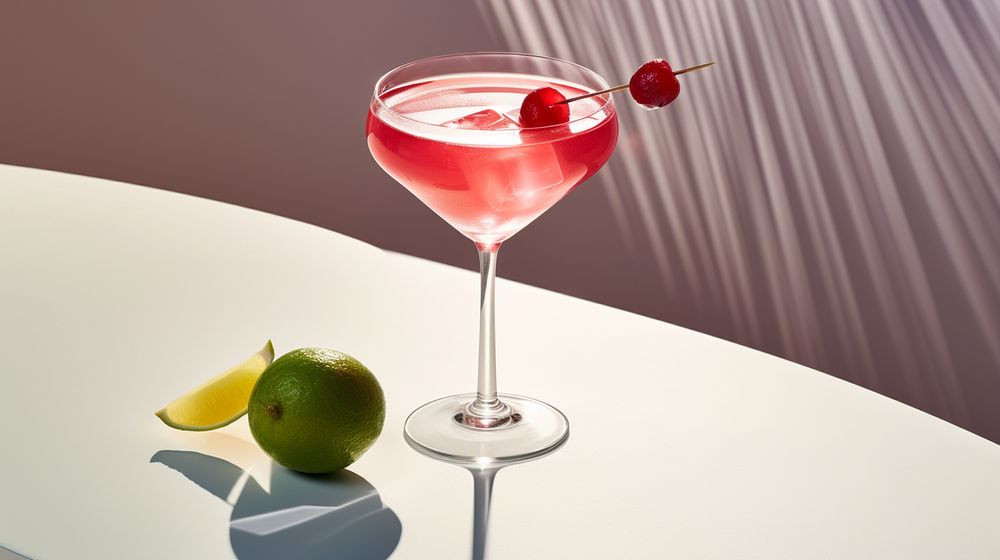
The Classic Martini is a timeless cocktail, renowned in the world of fine drinking, elegantly combining gin (or vodka) and dry vermouth, often garnished with an olive or a lemon twist. This cocktail is celebrated for its minimalist yet sophisticated flavor profile, where the dryness of the vermouth perfectly complements the botanicals of gin or the smoothness of vodka. The Martini’s allure lies in its refined and versatile nature, making it a top choice for those who appreciate a drink that embodies elegance and simplicity. Ideal for formal occasions, sophisticated gatherings, or as a refined pre-dinner aperitif.
- Taste Profile: A smooth blend of aromatic gin or vodka with the subtle dryness of vermouth.
- Key Ingredients: Gin or vodka, and dry vermouth.
- Alcohol Content: Generally around 15-25% ABV, depending on the ratio of spirits.
- Popularity: Iconic and esteemed, a staple among classic cocktail aficionados.
- Origin: Believed to have originated in the United States, with a history dating back to the late 19th century.
- Primary Alcohol: Gin or vodka, chosen based on personal preference.
- Preparation Time: Quick to mix, usually within 3-4 minutes.
- Best Occasions: Perfect for elegant events, cocktail parties, or as a sophisticated evening drink.
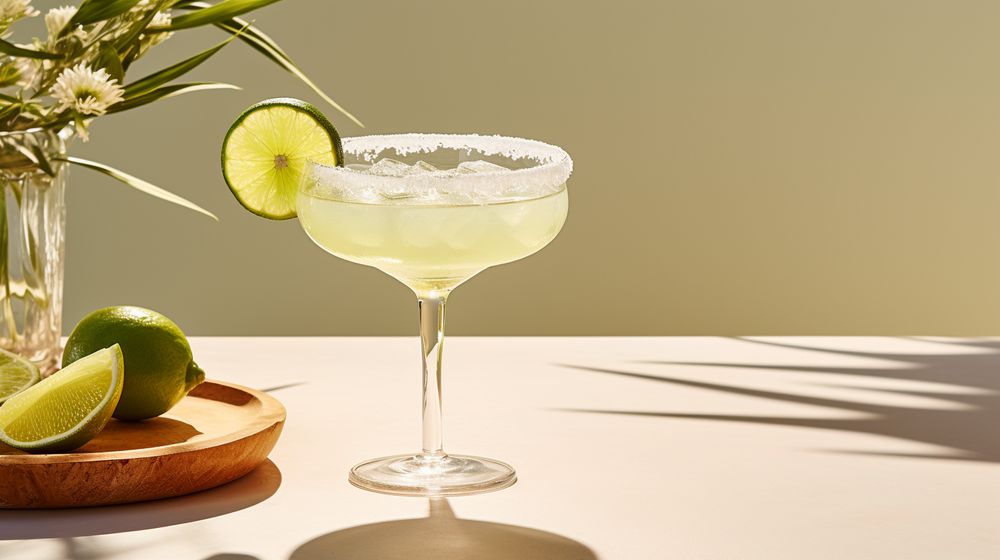
- Serving Glass: Traditionally served in a chilled Martini glass.
- Visual Appeal: Sleek and elegant, often garnished with an olive or a lemon twist for a classic look.
- Barware: Requires a mixing glass, cocktail strainer, and a bar spoon for stirring.
- Glassware: A Martini glass enhances its timeless elegance.
- Nutritional Information: Relatively low in calories, mainly from the alcohol.
- Variations: Includes the Dirty Martini with olive brine, or a Gibson with a pickled onion.
- Complexity: Simple in terms of ingredients, but mastering the perfect balance of flavors requires skill.
Classic Mojito

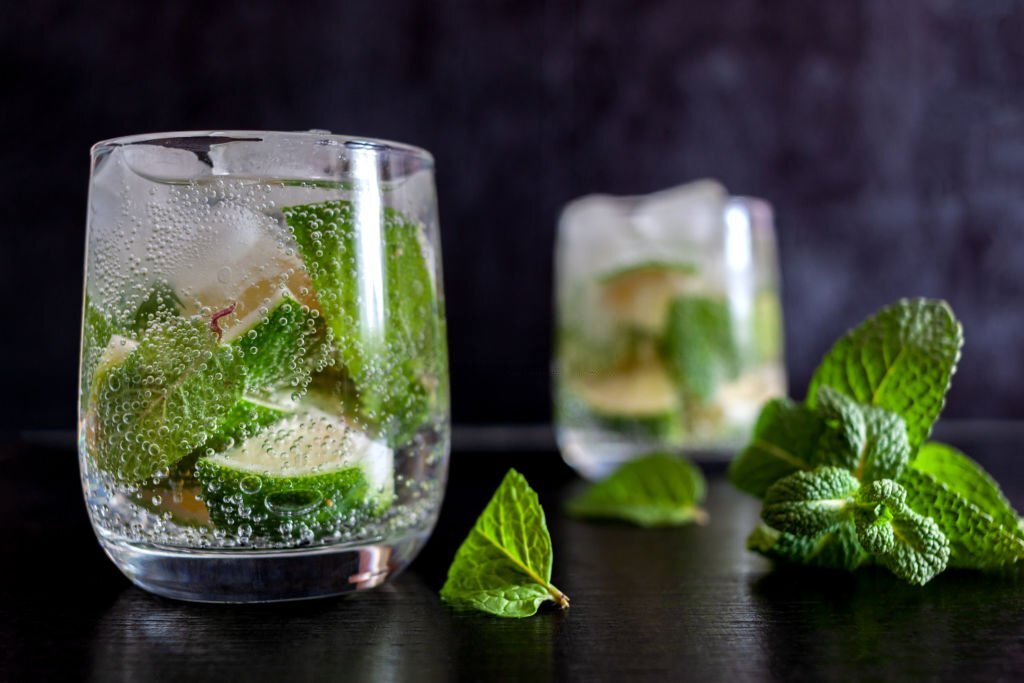
The Classic Mojito, a cherished cocktail from Cuba, perfectly blends white rum, fresh mint leaves, sugar, lime juice, and soda water. Renowned for its refreshing quality, this cocktail creates a delightful interplay of flavors with the cool freshness of mint and the tangy zest of lime, sweetened slightly with sugar and harmoniously balanced with the smoothness of rum. The Mojito’s charm lies in its ability to offer a light and invigorating drink, making it a popular choice for those seeking a refreshingly aromatic cocktail. It’s especially ideal for warm summer days, outdoor gatherings, or as a lively addition to any relaxed social event.
- Taste Profile: A vibrant mix of fresh mint, tangy lime, and subtle sweetness, complemented by the light kick of white rum.
- Key Ingredients: White rum, fresh mint leaves, sugar (or simple syrup), lime juice, and soda water.
- Alcohol Content: Typically around 10-15% ABV, depending on the rum.
- Popularity: Famed for its refreshing and minty flavor, a staple in bars and summer parties.
- Origin: Deeply rooted in Cuban culture, with a history dating back to the 16th century.
- Primary Alcohol: White rum, providing a smooth and subtle alcoholic base.
- Preparation Time: Takes a bit more time to prepare due to muddling of mint and lime, usually within 5-6 minutes.
- Best Occasions: Perfect for outdoor parties, summer gatherings, or as a cooling drink on hot days.
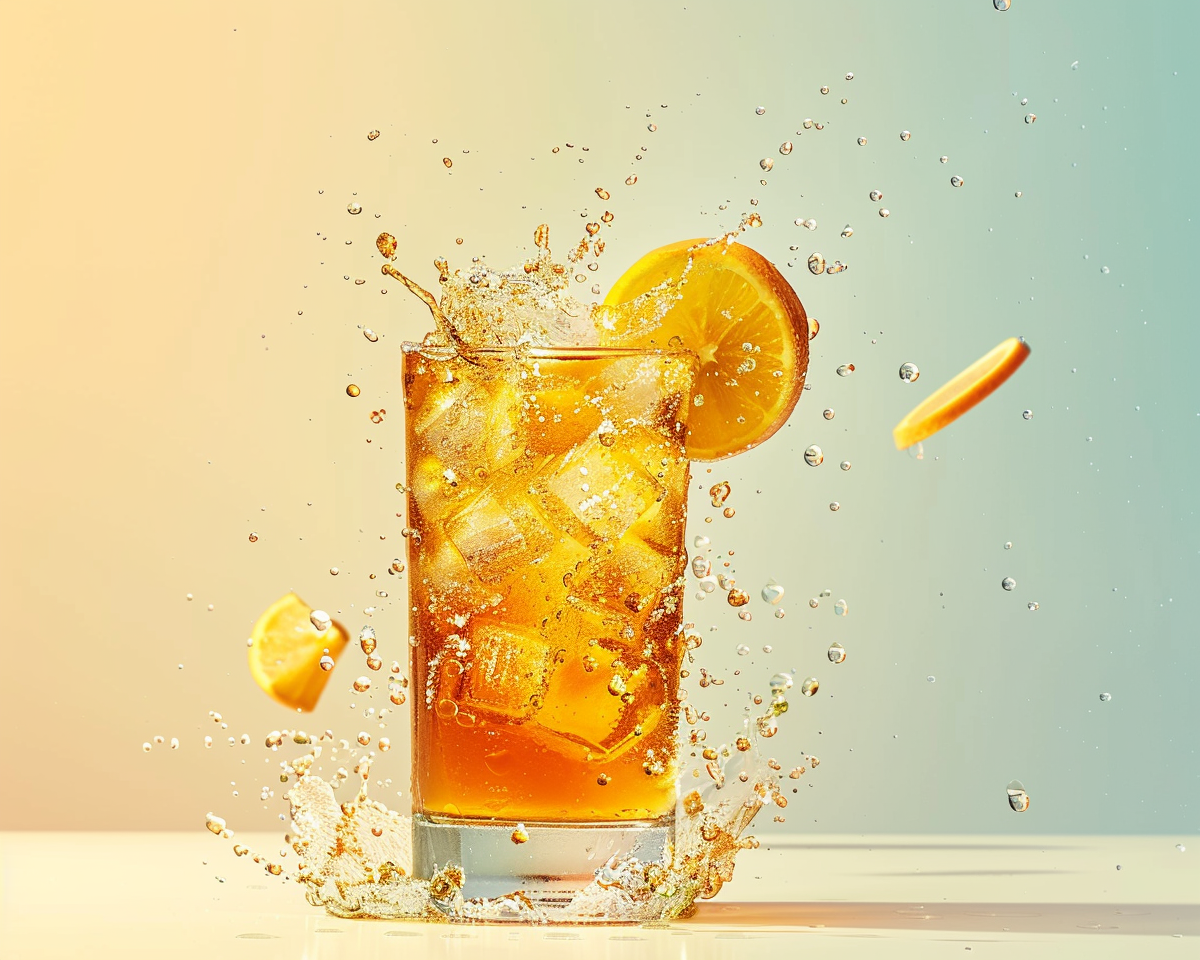
- Serving Glass: Commonly served in a highball glass, allowing space for soda and ice.
- Visual Appeal: Visually striking with its layers of green mint and clear liquid.
- Barware: Essential tools include a muddler for crushing the mint and lime and a mixing spoon.
- Glassware: A tall highball glass is traditionally used, emphasizing the drink’s refreshing nature.
- Nutritional Information: Relatively low in calories, with natural ingredients contributing to its freshness.
- Variations: Can include different fruits, herbs, or flavored syrups for added flavor profiles.
- Complexity: Simple in ingredients but requires careful muddling and mixing for the perfect balance of flavors.
FAQ
What’s the main difference between a Martini and a Mojito in terms of taste?
Martini offers a dry, crisp, and aromatic taste profile, often with herbal undertones. Mojito, on the other hand, is fresh, zesty, and minty, making it a more refreshing option.
What are the key ingredients in a Martini?
The key ingredients for a Martini are either gin or vodka, dry vermouth, and a garnish like a lemon twist or an olive.
What are the key ingredients in a Mojito?
A Mojito requires white rum, fresh mint leaves, lime, sugar or simple syrup, and soda water.
Which has higher alcohol content: Martini or Mojito?
Martini generally has a higher alcohol content, ranging from 30% to 50% ABV, while Mojito is milder, ranging from 10% to 20% ABV.
Where did the Martini originate?
The Martini is believed to have originated in the United States, specifically in 19th-century San Francisco.
Where did the Mojito come from?
The Mojito has its roots in Cuba, dating back to the sugarcane fields of the 16th century.
Which cocktail is more expensive?
Martini is generally more expensive, ranging from $10 to $50 for premium versions. Mojitos are more wallet-friendly, with costs ranging from $8 to $20.
How long does it take to prepare a Martini?
It usually takes about 2-3 minutes to prepare a Martini, making it quicker to whip up compared to a Mojito.
How long does it take to make a Mojito?
Mojitos take a bit longer to prepare, around 4-5 minutes, because they require muddling the mint leaves and more mixing.
What are the best occasions to drink a Martini?
Martinis are often considered more suitable for formal events and are particularly popular in the winter.
When should I opt for a Mojito?
Mojitos are great for casual settings like beach parties and BBQs, and they are a summer favorite.
Where can I buy the best Martini glasses?
Popular brands for Martini glasses include Riedel, Libbey, and Schott Zwiesel. You can find them at specialty stores or online.
Where can I find Mojito sets for my home bar?
Companies like Barillio and Mixology offer complete Mojito sets, including muddlers and highball glasses.
Is Martini or Mojito healthier?
Martini is slightly lower in calories, ranging between 125 and 175 per serving. However, Mojitos are gluten-free, making them a better option for those with gluten sensitivities.
What are some seasonal variations of Martini?
Winter favorites include the Espresso Martini and the Spiced Apple Martini.
What are some seasonal variations of Mojito?
For the summer, consider trying a Coconut Mojito or a Fresh Berry Mojito.
Are there non-alcoholic versions of Martini and Mojito?
Yes, both Martini and Mojito have non-alcoholic versions that capture the essence of their alcoholic counterparts. For Martini, you can try a “Mocktini,” which often uses fruit juices, herbal infusions, or non-alcoholic spirits to mimic the original’s complexity and aroma. As for Mojitos, a “Nojito” are popular non-alcoholic alternatives that keep the refreshing combination of mint, lime, and soda water but omit the rum.