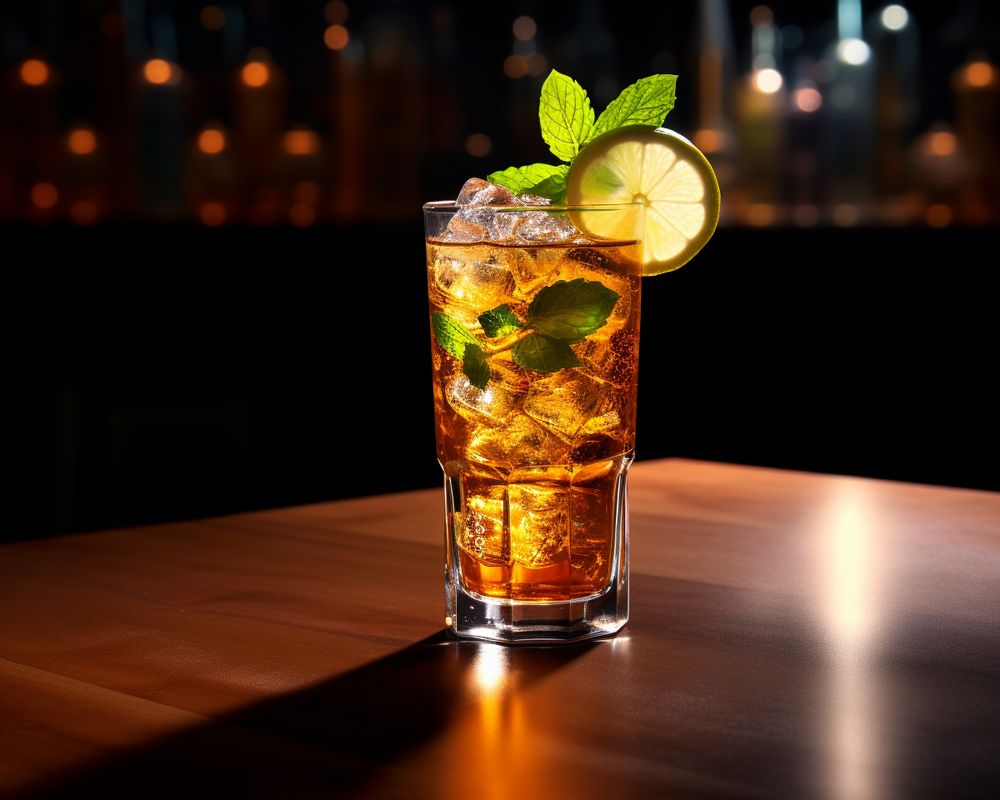
Long Island Iced Tea vs Mojito: A Tale of Two Tastes
Taste Profile: Basic Tastes
- Long Island Iced Tea: A mix of sweet and sour with a hint of bitterness. The sweetness from cola and sourness from lemon make a perfect balance.
- Mojito: Primarily sweet and sour. The freshness of mint and lime juice paired with the sweetness of sugar provides a refreshing balance.
Other Taste Profile Factors
- Long Island Iced Tea: The texture is smooth and the temperature is usually served cold. The aftertaste might be slightly strong due to the mix of spirits.
- Mojito: It’s served chilled with a fizzy texture. The aftertaste is refreshing, thanks to the mint leaves.
Considerations
- Long Island Iced Tea: High complexity due to the mix of spirits, moderate intensity, and a balance between sweetness and sourness.
- Mojito: Low complexity with high contrast between the fizzy soda and the solid mint leaves. The intensity is mild to moderate.
💡 While both drinks share a sweet and sour profile, the Long Island Iced Tea offers a more complex and intense taste adventure due to its mixture of spirits. On the other hand, the Mojito provides a refreshing and fizzy experience with a prominent minty aftertaste, ideal for those seeking a lighter, more refreshing cocktail.
Barware and Glassware: Long Island Iced Tea vs Mojito
Mixing & Preparation
For both cocktails, a cocktail shaker, bar spoon, and jigger form the backbone of the preparation process. The Mojito requires a muddler to crush the mint leaves and release their flavor, while the Long Island Iced Tea needs a fine mesh strainer and Hawthorne strainer to ensure a smooth, pulp-free beverage. Ice is imperative for both, so an ice crusher and ice molds come in handy.
Serving & Presentation
The glassware used for Long Island Iced Tea and Mojito is a highball glass. This tall glass showcases the layers and colors of the cocktails. For an elegant touch, garnish trays and coasters are used. The Long Island Iced Tea is typically garnished with a lemon slice, while the Mojito is adorned with a sprig of mint and a lime slice.
Storage & Organization
For both cocktails, a well-stocked bar should include an ice bucket & tongs, a bottle opener & corkscrew, and speed pourers. Liquor pour spouts help in accurate and spill-free pouring. To keep the bar neat and organized, a bar mat and bar roll or tool bag are useful.
Garnishing & Fine Detailing
For the perfect finishing touch, a cutting board & knife, and a peeler & zester are crucial. The channel knife helps in creating beautiful garnishes. For the Mojito, a citrus juicer is used to extract fresh lime juice. A bitters bottle can add a dash of complexity to the Long Island Iced Tea.
Preservation & Enhancement
A wine aerator and decanter can be used to enhance the flavors of the white wine used in some variations of Long Island Iced Tea. A wine preserver can keep the leftover wine fresh.
💡 While both cocktails use similar barware, the distinct difference is the use of a muddler for the Mojito, highlighting its emphasis on fresh ingredients, and the use of strainers for Long Island Iced Tea, underscoring its focus on a smooth, pulpy-free cocktail.
Long Island Iced Tea vs Mojito: A Battle of Cocktails Versatility
Best Occasions for a Long Island Iced Tea
- Corporate Parties: This classic cocktail is a surefire hit at sophisticated gatherings.
- Barbecue: Nothing complements grilled flavors like a refreshing Long Island Iced Tea.
- Bachelor/Bachelorette Parties: The high alcohol content makes it perfect for this type of fun event.
Best Occasions for a Mojito
- Beach Day: Its citrusy freshness pairs perfectly with sun and sand.
- Music Festivals: This refreshing cocktail helps keep the party going.
- Brunch: Mojito’s light and breezy nature makes it perfect for a daytime event.
Seasonal Pairings
| Long Island Iced Tea | Mojito |
|---|---|
| Summer: Its icy coolness is perfect for hot days. | Spring: The fresh mint in this cocktail makes it an ideal springtime drink. |
Event Suitability
While both cocktails are versatile, the Long Island Iced Tea is more suited to formal events due to its strong alcohol content and classic status. In contrast, the Mojito, with its refreshing mint and lime flavors, is more casual and perfect for laid-back, outdoor events.
💡 The ultimate cocktail choice depends on the setting and mood of your event. However, if you’re looking for a cocktail that offers a balance between strength and refreshment, consider a fusion of both – the Long Island Mojito. It combines the potency of a Long Island Iced Tea with the refreshing minty twist of a Mojito.
Ingredient Accessibility: Long Island Iced Tea vs Mojito
Gathering Ingredients for Long Island Iced Tea
Finding and gathering the necessary ingredients for a classic Long Island Iced Tea can be slightly more challenging due to its diverse range of spirits. Here is what you need:
Most of these spirits are common in bars and liquor stores, but they may not be in everyone’s home bar.
Gathering Ingredients for Mojito
On the other hand, the Mojito requires fewer and simpler ingredients, which are:
- White Rum
- Fresh Mint Leaves
- Lime
- Sugar
- Soda Water
These ingredients are generally easier to find in local supermarkets and liquor stores, making Mojito a more accessible choice for most.
| Long Island Iced Tea Ingredients | Mojito Ingredients |
|---|---|
| Vodka, Rum, Tequila, Gin, Triple Sec, Lemon Juice, Cola | White Rum, Fresh Mint Leaves, Lime, Sugar, Soda Water |
💡 Although gathering ingredients for a Long Island Iced Tea may be slightly more challenging due to its diverse range of spirits, this also makes it a versatile cocktail that can be customized with different flavors, depending on the specific spirits used.
Exploring the Exciting World of Cocktail Variations: Long Island Iced Tea vs Mojito
Long Island Iced Tea Variations
1. Tokyo Tea: Swaps out the usual cola for Midori, offering a sweet melon twist.2. Hawaiian Iced Tea: Pineapple juice and rum replace cola and gin, transporting you straight to tropical beaches.3. Electric Iced Tea: Blue Curacao replaces the triple sec, resulting in a vibrant blue drink that’s as electrifying as it sounds.Mojito Variations
1. Spiced Rum Mojito: Uses spiced rum instead of white rum, adding extra warmth and depth.2. Fruit Mojito: Adds fresh fruity flavors like strawberries or raspberries for a sweet surprise.3. Virgin Mojito: Omitting the rum creates a refreshing, non-alcoholic version everyone can enjoy.Tasty Versions
For a unique Long Island Iced Tea, try using premium spirits like Bombay Sapphire gin, Patron Silver tequila, and Grey Goose vodka. For Mojito, muddled fresh mint and limes with raw cane sugar and aged rum can elevate your cocktail game to new heights.
| Long Island Iced Tea | Mojito |
|---|---|
| Best served in a tall glass over ice | Mint sprig and lime wheel garnish adds a pop of color and freshness |
| Signature strong, slightly sweet taste | Refreshing citrusy and minty flavor |
💡 Did you know Long Island Iced Tea was originally created during the Prohibition era as a way to disguise alcohol? On the other hand, the Mojito has a rich history dating back to the 16th century, believed to be a favorite of pirates!
Comparing the Cost of Long Island Iced Tea and Mojito
Cost of Making a Long Island Iced Tea
- Lower Brand: Approximately $2.50
- Higher Brand: Approximately $5.00
Cost of Making a Mojito
- Lower Brand: Approximately $3.00
- Higher Brand: Approximately $6.00
Factors Contributing to the Cost
The cost of making these cocktails largely depends on the type and quality of the ingredients used. For instance, Long Island Iced Tea requires a variety of spirits, which can add to the cost if higher-end brands are used. On the other hand, Mojitos require fresh mint and lime, which can be more expensive depending on the season and location.
The Verdict
Considering the cost of both lower and higher-end ingredients, a Mojito tends to be slightly more expensive to make than a Long Island Iced Tea.
💡 While a Mojito may cost more due to the fresh ingredients required, it can often be healthier than a Long Island Iced Tea due to the lower alcohol content and the addition of fresh fruit and herbs.
Long Island Iced Tea vs Mojito: Prep & Mix Time
Long Island Iced Tea
- Total Preparation: 5 minutes
- Mixing Time: 1 minute
- Complexity of Preparation: Medium
- Ingredient Preparation: Gather vodka, tequila, rum, gin, triple sec, lemon juice, simple syrup, and cola
- Mixing Techniques: Mix and shake ingredients in cocktail shaker, strain into glass, top with cola
- Presentation: Serve in a highball glass with lemon slice and straw
- Set Up: Requires cocktail shaker, strainer, and highball glass
- Cleanup: Rinse shaker and glass, discard lemon slice
- Waiting Time: None
- Expert Tips: Use fresh lemon juice for the best taste
Mojito
- Total Preparation: 10 minutes
- Mixing Time: 2 minutes
- Complexity of Preparation: Easy
- Ingredient Preparation: Gather rum, mint leaves, lime juice, sugar, soda water
- Mixing Techniques: Muddle mint leaves and sugar, add lime juice and rum, top with soda water
- Presentation: Serve in a highball glass with a sprig of mint and a straw
- Set Up: Requires muddler, spoon, and highball glass
- Cleanup: Rinse muddler, spoon, and glass, discard mint sprig
- Waiting Time: None
- Expert Tips: Use fresh mint leaves for the best taste
💡 While Long Island Iced Tea requires a wider array of spirits and a cocktail shaker, it is quicker to prepare than a Mojito, which requires muddling of mint leaves and sugar.
Mixology Hacks for the Perfect Blend: Long Island Iced Tea vs Mojito
Muddling Right
- In a Mojito, muddle the mint leaves gently to release their aroma without turning bitter.
- Long Island Iced Tea doesn’t require muddling.
Ice Matters
Quality ice minimizes dilution. Use large cubes for Long Island Iced Tea and crushed ice for a Mojito.
Shake vs Stir
Shake a Mojito for an icy chill, stir a Long Island Iced Tea for a smooth blend.
Balancing Act
- Balance sweet and sour flavors using cola in a Long Island Iced Tea.
- For Mojito, balance the sweetness of sugar with the tanginess of fresh lime juice.
Herb Infusion
A Mojito shines with fresh mint infusion while Long Island Iced Tea doesn’t require herbs.
Aromatic Bitters
Bitters aren’t typically used in either cocktail, but a dash can add complexity to a Long Island Iced Tea.
Smoke Effects
Neither cocktail traditionally includes smoke effects, but a smoked sugar rim can elevate a Long Island Iced Tea.
Double Straining
Double straining isn’t required for either cocktail, keeping the mixology process simple and straightforward.
Perfect Presentation
- Present a Mojito with a sprig of mint and a slice of lime.
- Long Island Iced Tea looks great with a lemon wheel and a straw.
Glassware
Highball glasses serve both cocktails well, ensuring the beverage stays cool and refreshing.
Garnish Game
The garnish game is strong with a Mojito, thanks to fresh mint and lime. Long Island Iced Tea usually comes with a simple lemon slice.
Temperature
Both cocktails are best served icy cold for a refreshing taste.
Crafting Signature Cocktails at Home
With the right ingredients and techniques, you can craft these popular cocktails at home. Practice makes perfect!
Mixology Techniques for Beginners
- Start with measuring correctly. Too much or too little of an ingredient can throw off the balance.
- Next, mastering the shake or stir technique is essential.
How to Balance Flavors in a Cocktail
Balancing sweet, sour, and strong flavors is key. Taste as you go and adjust accordingly.
Clarified Cocktails
Neither Long Island Iced Tea nor Mojito requires clarification, making them beginner-friendly cocktails.
Dehydrated Garnish
While not traditional, dehydrated citrus slices can add a fun twist to these cocktails.
Freeze & Squeeze
Freeze fresh lime juice for Mojito and lemon juice for Long Island Iced Tea. Squeeze directly into the glass for a burst of freshness.
💡 Unique insight: A well-made Mojito or Long Island Iced Tea is all about balance—balance of flavors, ice, and presentation. Mastering these elements is the secret to mixology success.
Comparing Alcohol Content: Long Island Iced Tea vs Mojito
Long Island Iced Tea Alcohol Content
Known for its deceptive potency, the Long Island Iced Tea packs a punch with an ABV% (Alcohol By Volume) of about 22%. It’s a concoction of five different spirits – vodka, rum, tequila, gin, and triple sec – each contributing to its high alcohol content. Despite its fruity, refreshing taste, it’s one of the stronger cocktails on the menu. So, tread lightly!
Mojito Alcohol Content
In contrast, the Mojito, another summer favorite, has a lower ABV% of approximately 10%. This Cuban classic is made with white rum, lime juice, sugar, soda water, and mint. Its lower alcohol content makes it a lighter, more refreshing option, allowing cocktail enthusiasts to enjoy a few more without feeling overwhelmed.
Alcohol-Free Alternatives
For those wanting to enjoy the flavors minus the alcohol, there are mocktail versions of both these popular drinks. The ‘No-Long Island Iced Tea’ substitutes the spirits for non-alcoholic versions, while retaining the lemon juice and cola for that familiar taste. The ‘Nojito’, on the other hand, simply omits the rum, leaving you with a refreshing minty lime soda that’s perfect for a sunny day.
💡 Unique Insight: While the Long Island Iced Tea has more than double the alcohol content of a Mojito, it’s the combination of multiple spirits that gives it its potent kick. So, even if you’re having a mocktail version, you’re still getting a taste of that complex flavor profile.
Long Island Iced Tea vs Mojito: A Nutritional Face-off
Caloric Intake
- Long Island Iced Tea: Approx 780 Calories
- Mojito: Approx 242 Calories
Spirits and Mixers
| Long Island Iced Tea | Vodka, Rum, Tequila, Gin, Triple sec, Cola |
| Mojito | Rum, Soda Water |
Sugar Content and Simple Syrups
- Long Island Iced Tea: High (44g)
- Mojito: Moderate (25g)
Carbohydrates, Proteins, and Fats
Both cocktails contain negligible amounts of proteins and fats. However, the Long Island Iced Tea boasts a whopping 58g of carbohydrates, while the Mojito has only 25g.
Vitamins, Minerals, and Other Factors
The Mojito, with its fresh mint and lime, provides a small dose of Vitamin C and antioxidants. Both cocktails, however, should not be a primary source of vitamins or minerals due to their high alcohol and sugar content.
Low-calorie and Gluten-free Options
Both cocktails can be made gluten-free and lower in calories by using appropriate substitutes for the alcohol and sweeteners. However, the Mojito is inherently a healthier choice due to its lower caloric and sugar content.
💡 Mojitos are a healthier option than Long Island Iced Teas. They contain fewer calories, less sugar, and offer a small dose of antioxidants from the fresh mint and lime.
Long Island Iced Tea vs Mojito: Unveiling the High-Quality Facts
A Glimpse at Long Island Iced Tea
Long Island Ied Tea, a potent mix of five different spirits, is often considered the ultimate party cocktail. Its name is a tribute to its birthplace, Long Island, New York. Despite its robust alcohol content, it’s subtly sweet and refreshing, thanks to the blend of lemon juice and cola.
Mojito – A Taste of Cuban History
A Mojito is a classic Cuban cocktail, combining rum, sugar, lime juice, soda water, and mint. It’s light, refreshing and offers a burst of citrus and mint flavors. The Mojito has a rich history, tracing its origins back to 16th century Cuba.
Ingredient Quality
The quality of the ingredients is key to crafting a perfect Long Island Iced Tea or Mojito. Freshly squeezed lemon and lime juices, high-quality spirits, and fresh mint leaves elevate the taste and make all the difference.
Preparation Technique
| Long Island Iced Tea | Mojito |
|---|---|
| Shake the spirits, lemon juice, and a splash of cola vigorously with ice. | Muddle the mint leaves and sugar, add the rest of the ingredients, stir well, and top with soda water. |
Serving Style
- Long Island Iced Tea is traditionally served in a tall glass with a garnish of lemon slice.
- Mojito is served in a short glass with a sprig of mint and a straw to stir the ingredients while drinking.
💡 While both cocktails are refreshing, the Long Island Iced Tea is ideal for those who enjoy a stronger cocktail, whereas the Mojito, with its light and fruity profile, is perfect for those who prefer a softer drink. The secret to making a top-notch cocktail lies in the quality of the ingredients and the technique used in mixing them.
Long Island Iced Tea vs Mojito: A Detailed Comparison
What are the key ingredients in a Long Island Iced Tea and a Mojito?
A Long Island Iced Tea is typically made with vodka, rum, tequila, triple sec, lemon juice, simple syrup, and a splash of cola. On the other hand, a Mojito includes white rum, fresh lime juice, sugar, mint leaves, and soda water.
How are these cocktails prepared?
For a Long Island Iced Tea, all the ingredients except for the cola are shaken with ice and strained into a highball glass. The cocktail is then topped with cola. A Mojito, however, is made by muddling the mint leaves and sugar together, then adding the rum and lime juice. The mixture is shaken with ice and topped with soda water.
What are the recommended alcohol brands for these cocktails?
Smirnoff Vodka, Bacardi Rum, and Jose Cuervo Tequila are commonly used in Long Island Iced Tea. For Mojito, Havana Club or Bacardi White Rum is often the choice of many bartenders.
What type of barware and glassware are needed?
A shaker, strainer, and a highball glass are needed for both cocktails. Additionally, a muddler is required for the Mojito to extract the flavors from the mint leaves.
What food pairings work best with these cocktails?
Long Island Iced Tea pairs well with spicy foods like buffalo wings or nachos, while a Mojito complements seafood, such as grilled shrimp or fish tacos.
How are these cocktails visually presented?
Both cocktails are served with a straw, but a Mojito is often garnished with a mint sprig and a lime wheel, whereas a Long Island Iced Tea is typically garnished with a lemon twist.
What is the nutritional information for these cocktails?
A Long Island Iced Tea typically contains around 220 calories and may contain allergens from the mixers used. A Mojito, on the other hand, contains approximately 160 calories and is allergen-free aside from potential allergens in the rum.
What is the making cost of these cocktails?
The cost of making a Long Island Iced Tea is usually higher due to the number of alcohols involved. A Mojito, on the other hand, is relatively less expensive, with its basic ingredients.
What is the alcohol content (ABV percentage) of these cocktails?
The ABV of a Long Island Iced Tea is around 22% due to the combination of spirits used, while a Mojito has an ABV of approximately 13%.
Unique Insight: Despite its name, the Long Island Iced Tea doesn’t contain any tea. The ‘tea’ part of its name comes from its tea-like appearance, courtesy of the cola.