Key Differences
Taste Complexity: Long Island Iced Tea is a complex, multi-layered concoction with a sweet and sour disguise, unlike the Martini’s straightforward botanical crispness.
Alcohol Blend: The Long Island harmonizes five spirits within its depths, in stark contrast to the Martini’s minimalist gin and vermouth elegance.
Occasion and Style: Where the Long Island is a powerhouse suited for lively gatherings, the Martini embodies a sleek, iconic sophistication for more formal affairs.
Long Island Iced Tea: A Bold Multi-Spirit Concoction
A Long Island Iced Tea is the epitome of a potent blend, marrying multiple spirits into one surprisingly smooth cocktail with a deceptive name. Its taste profile is a masterful illusion of simplicity, masking its high alcohol content with a sweet and sour harmony, making it a firm favorite for those who enjoy a strong yet palatable drink. Its flexibility regarding the occasion and its dynamic visual appeal make the Long Island Iced Tea a standout cocktail for both casual drinkers and connoisseurs alike.
Taste Profile: A stealthy mix of sour and sweet, with cola and citrus masking a potent mix of spirits for a deceptive, refreshing finish.
Key Ingredients: A heady concoction of vodka, tequila, light rum, triple sec, gin, lemon juice, simple syrup, and a splash of cola.
Alcohol Content: High alcohol percentage, typically reaching up to 22% ABV, making it one of the stronger cocktails.
Popularity: A bar staple enjoyed worldwide, known for its strength and unique taste without an overpowering alcohol flavor.
Origin: Born in the United States during the Prohibition era, it has claimed its place in the cocktail hall of fame.
Primary Alcohol: Not one but five spirits deliver its infamous kick: vodka, tequila, rum, triple sec, and gin.
Preparation Time: Despite its complexity, a skilled bartender can mix up this drink in just a few minutes.
Best Occasions: Great for lively social events where high-spirited drinks are the main attraction.
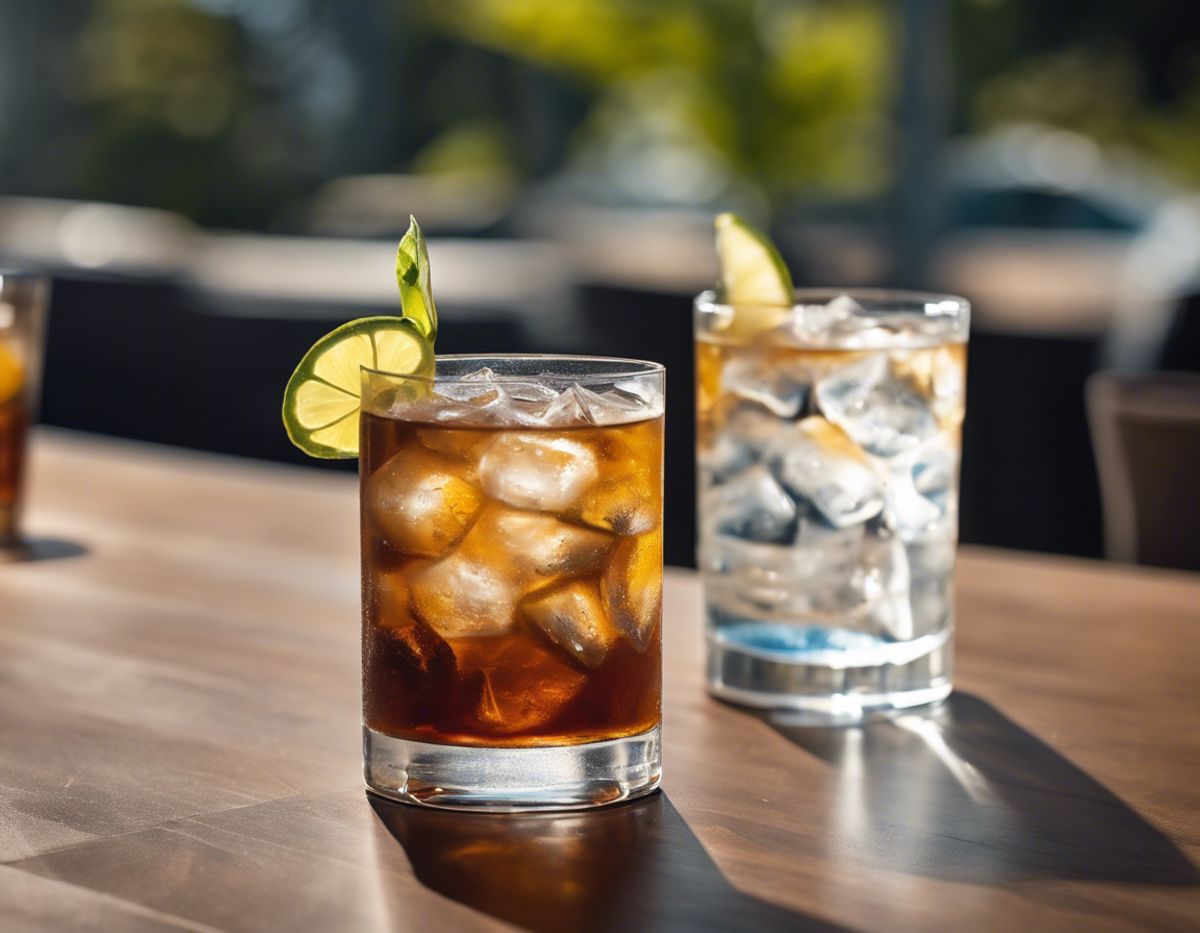
Visual Appeal: Looks deceptively non-alcoholic, resembling iced tea, often garnished with a lemon twist or slice.
Glassware and Barware: Typically served in a highball glass, requiring a shaker, strainer, and sometimes a bar spoon for layering.
Nutritional Information: Packs more calories due to the multiple spirits and sweeteners, averaging about 200-300 per glass.
Variations: Some mixologists tweak the ratios or add a personal touch with fresh fruit juices or different garnishes.
Complexity: Surprisingly complex, balancing five spirits and mixers, demanding a nuanced approach to achieve the classic taste.
Martini: The Quintessence of Cocktail Culture
Embark on a taste of true cocktail aristocracy with the iconic Martini, a blend of gin and vermouth, garnished with an olive or lemon twist.
Taste Profile: A martini offers a harmony of botanical gin and aromatic vermouth, with an optional briny olive or citrus zest.
Key Ingredients: Gin and dry vermouth are the heart of a Martini, with proportions tailorable to your preferred dryness.
Alcohol Content: The alcohol content typically sits at 30-40% ABV, a shiny example of potent elegance.
Popularity: The Martini reigns supreme in bars worldwide, a symbol of style and the cocktail elite.
Origin: Believed to have surfaced in the mid-to-late 1800s, the Martini carries a rich, storied tradition.
Primary Alcohol: Gin remains the classic spirit of choice, though vodka martinis have staked their claim too.
Preparation Time: Quick to mix, a Martini is often ready in under 3 minutes, ideal for a swift and striking serve.
Best Occasions: A Martini matches well with formal attire and high-end functions, as well as a polished nightcap.
Visual Appeal: It dazzles with its crystal-clear appearance, garnished for visual contrast and allure.
Glassware and Barware: Served in a stemmed Martini glass, it’s stirred or shaken over ice and then strained, requiring fine bar tools.
Nutritional Information: A Martini may range between 120-175 calories per serve, largely influenced by the gin’s proof.
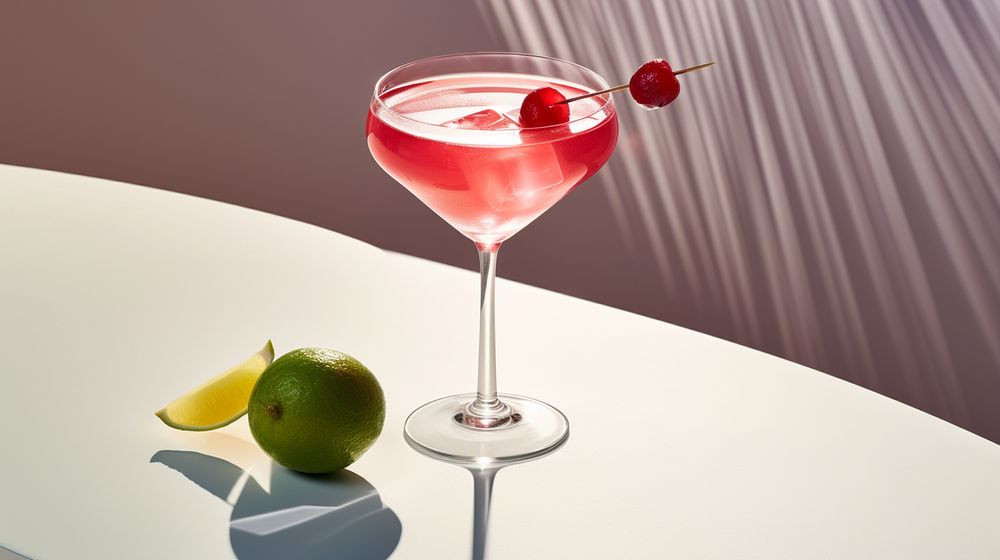
Variations: Varying from dry to dirty, to the fruity cosmopolitan, countless Martini variations invite exploration.
Complexity: Simple in ingredients yet rich in technique, the Martini demands a precise hand for its renowned profile.
The Next Cocktail’s Insights
When stacking up Long Island Iced Tea against a Martini, we’re comparing a heavyweight contender with a high-spirited mix to a refined classic. The Long Island’s potent blend is perfect for those seeking a punchy, sweet-and-sour flavored cocktail suited for festive occasions. On the flip side, the Martini is the embodiment of sophistication, suitable for swanky social scenes or a stylish unwind. Its crystal-clear character and botanical notes offer a simple yet luxurious sip.
For the ultimate verdict, if you crave complexity and a high-octane experience, swing for the Long Island. If elegance and minimalist charm are your style, the Martini will never disappoint. As an aficionado’s tip, if you choose only one—opt for a Martini when looking for timeless allure balanced with robust flavor.