The Art of Tequila Tasting
Embarking on the Tequila Trail: A First-Time Encounter
As a first-time taster of pure tequila, you’re about to embark on a voyage of discovery. This isn’t a college party shot.
It’s a rich, complex, and rewarding journey that goes far beyond mere taste; it’s about the spirit’s illustrious history, the meticulous technique that goes into every bottle, and an unbridled passion that’s been nurtured over centuries. Our aim here? To transform you from a casual sipper into a true tequila connoisseur, well-versed in the art of discerning between varying tastes, textures, and tantalizing notes of tequila.
Preparing the Scene: Setting the Stage for Tasting
The Perfect Ambiance: Setting the Mood for Tequila Tasting
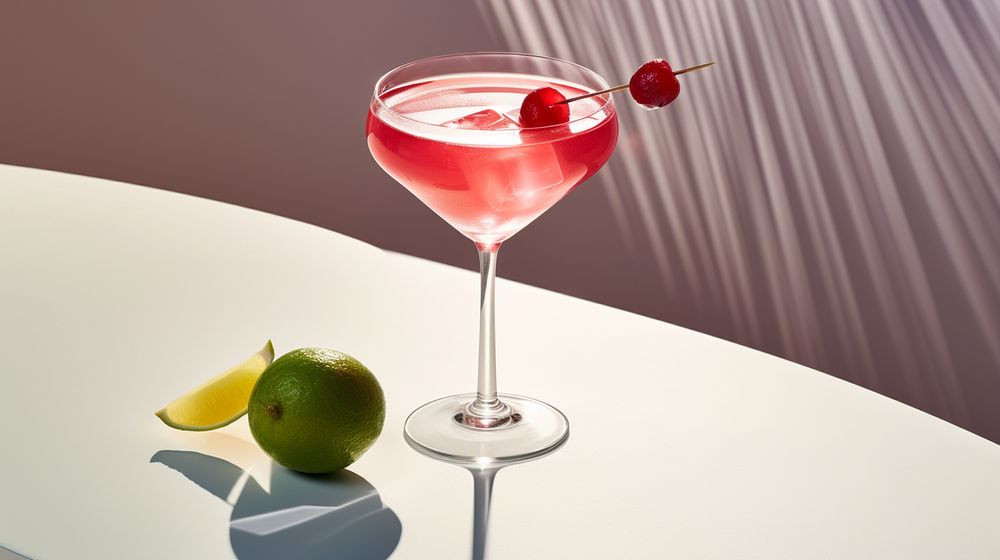
Picture this: a quiet room, soft ambient music in the background, and a perfectly balanced Riedel tequila glass gleaming under the dimmed light.
Believe it or not, the ambiance significantly influences your tequila-tasting session. Using Riedel tequila glasses, crafted specifically for the spirit, can elevate your tasting experience.
It’s also essential to ensure a clean palate. So avoid anything spicy or overly flavorful that can numb your taste buds before you embark on this tasting journey.
Setting the Stage: Your Pre-Tasting Checklist
Riedel Glasses
Designed to enhance your tasting experience by directing the tequila to the right parts of your tongue, these glasses are a must-have for serious tequila aficionados.
Clean Palate
Overpowering foods can dull your taste buds. Avoid strongly flavored foods for at least an hour before tasting to experience the tequila in its purest form.
Calm Ambiance
Eliminate distractions. A quiet, peaceful setting will help you concentrate and appreciate the nuances of the tequila’s flavors and aromas.
Remember, when it comes to tasting tequila like a pro, your environment and palate play a significant role in defining the experience.
So, set the stage right, get your senses in gear, and prepare for an exciting journey into the world of tequila tasting.
The Look: Observing Tequila’s Visual Qualities
A Colorful Palette: Decoding Tequila’s Visual Appeal
The first step in becoming a tequila pro is understanding how to use your eyes. Pay close attention to the tequila’s color.
The spectrum ranges from the pristine clarity of young blancos to the deep, rich amber of aged añejos. But what does the color tell us?
It’s a direct indication of the aging process and can offer hints about any additives used or the specific production methods.
One technique favored by experts is to observe the “tears” or “legs” left on the glass after a gentle swirl. These telltale signs can provide insights into the spirit’s alcohol content and body.
So, pour a glass and take a moment to appreciate the aesthetic beauty of tequila, where every hue tells a story.
Nosing Around: The Importance of Aroma
Engage Your Senses: The Intricacies of Tequila’s Aroma
Now that you’ve observed your tequila, it’s time to engage another crucial sense: smell. “Swirl and sniff” might sound like the latest dance trend, but it’s actually an essential technique to release tequila’s wide-ranging bouquet.
From bright, fruity scents to earthy, smoky notes, the aromas of tequila are as varied as they are enticing.
Every sniff offers an intricate portrait of the tequila’s creation, telling a tale shaped by elements like fermentation and aging.
For instance, a youthful, citrusy aroma might hint at a young blanco, while a complex mix of spice, vanilla, and oak could signify an añejo aged to perfection.
Remember, the complexity of tequila’s aroma is a testament to its artisanal creation process, a melange of tradition and time.
Tequila Tasting: A Comprehensive Approach
The Look: Observing Tequila’s Visual Qualities
- Blanco: Clear, unaged tequila
- Reposado: Aged up to a year, may have a light golden hue
- Añejo: Aged one to three years, showcasing a deeper golden color
Nosing Around: Unleashing Tequila’s Aroma
- Fresh and Fruity: Commonly found in blanco tequila
- Spicy and Earthy: Typical in reposados and añejos
- Smoky and Complex: Usually indicative of well-aged añejos
Your journey into the art of tequila tasting has only just begun. As you grow more familiar with the spirit, these nuanced visual and aromatic cues will become second nature, adding layers of appreciation to every sip.
Check out more details about Tequila Tasting in our guide.
The First Sip: Mastering Tasting Techniques
When it comes to tequila tasting, the approach is everything. Begin by taking a small sip and letting it roll across your tongue to explore all taste zones.
This method allows you to fully unlock and savor tequila’s flavor potential.
Tequila tasting is a three-phase experience. It commences with the Attack phase, your initial burst of flavor. The Evolution phase follows next, unveiling the tequila’s middle notes. Finally, the finishing phase reveals the aftertaste that lingers on your palate.
Every sip is a journey that tells the story of the tequila, be it a robust, peppery blanco or a smooth, caramel-infused añejo.
Palate Development: Recognizing Flavor Profiles
A Symphony of Flavors: Unveiling Tequila’s Notes
The art of tequila tasting goes beyond merely recognizing it as an alcoholic beverage. It’s about distinguishing the subtle and bold flavors that make each bottle unique.
Common tequila flavors range from the fresh, bright citrus notes typically found in blancos to the rich vanilla and oak nuances more common in reposados and añejos.
Tequila is a study in depth and complexity, especially evident in aged tequilas.
Here, the flavor profiles develop a fascinating range, with undertones of everything from dried fruits to spices.
Use a tequila flavor wheel or guide to help pinpoint specific tasting notes, enhancing your tasting vocabulary and deepening your appreciation for this versatile spirit.
| Flavor | Details | Brands |
| Citrus | Bright and fresh, often found in blanco or silver tequilas | Patron Silver, Olmeca Altos Plata |
| Pepper | A spicy kick, typically in blanco tequilas | Espolòn Blanco, Jose Cuervo Tradicional Silver |
| Vanilla | Sweet, smooth notes often found in reposado or añejo tequilas that have been aged in oak barrels | Don Julio Reposado, Hornitos Reposado |
| Oak | A warm, woody flavor that comes from the barrel aging process, common in reposado or añejo tequilas | Casa Noble Añejo, Herradura Añejo |
| Caramel | A rich, sweet flavor that comes from longer aging, common in añejo and extra añejo tequilas | Avión Reserva 44 Extra Añejo, El Tesoro Añejo |
| Agave | The heart of all tequila, this sweet, earthy flavor is most prominent in blanco tequilas | Fortaleza Blanco, Clase Azul Plata |
| Fruit | A spectrum of fruity notes like apple, pear, or tropical fruit, common in many tequilas | Casa Dragones Blanco |
| Chocolate | A decadent note that’s usually the result of extended aging, found in extra añejo tequilas | Tequila Ley .925 Extra Añejo |
Beyond the Bottle: Savoring the Impact of Terroir
Ever wonder how the same agave plant can produce tequilas with drastically different flavor profiles? Welcome to the fascinating world of terroir, where geography becomes flavor.
The region, soil, and climate where the agave is grown can all have a profound effect on your tequila’s taste. From the iron-rich red soil of the highlands to the volcanic earth of the lowlands, each imparts unique characteristics to the agave and, subsequently, your tequila.
In recent years, there’s been a growing appreciation for “single estate” tequilas. These spirits are made from agave grown on a single parcel of land, reflecting the terroir in the most concentrated form.
Brands such as Patrón’s Single Estate and Ocho’s Vintage Tequilas are great examples of the taste of a place captured in a bottle.
Understanding terroir is not just about mapping flavors to regions; it’s a way to connect with the spirit’s origins and appreciate the hands that crafted it. It’s about the stories, the history, and the passion that turn a casual sip into a journey.
Aging Gracefully: The Magic of the Barrel
Once distilled, tequila embarks on another transformative journey: aging.
The type of barrel used plays a vital role in shaping the spirit’s final profile. For instance, bourbon barrels may add a hint of caramel sweetness, while wine barrels could lend subtle fruit notes.
Tequila’s metamorphosis doesn’t stop at flavor, though. Time in a barrel also mellows the spirit, softening its fiery youthfulness into a sophisticated sip.
Reposado tequilas, aged for two months to a year, acquire a gentle glow of maturity.
Añejos and extra añejos, aged for one to three years or beyond, respectively, possess an even more complex flavor structure.
In the realm of tequila, patience truly pays. The aging process can transform a raw, vibrant spirit into a rich, multilayered experience.
Brands such as Don Julio Añejo and Herradura Ultra Añejo are testaments to the beauty of time.
Remember, tasting tequila is not a race, it’s a journey — one that’s well worth savoring
Advanced Techniques: Unveiling the Art of Blind Tasting and Pairing
Are you ready to elevate your tasting game? Then it’s time for the blindfold.
A blind tasting, where you judge a tequila without knowing its brand or age, hones your senses and helps you evaluate without preconceptions. It’s a thrilling challenge that uncovers your true tequila preferences, not influenced by marketing, packaging, or prestige.
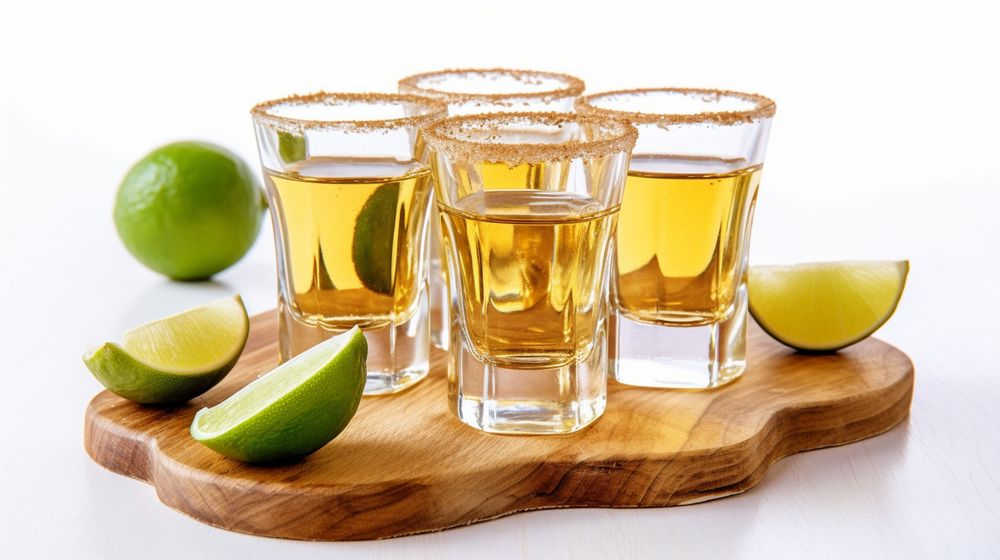
Equally enriching is the art of pairing. Contrary to popular belief, tequila isn’t just a companion for lime and salt. Like a fine wine, it can be paired with foods to enhance or contrast flavors.
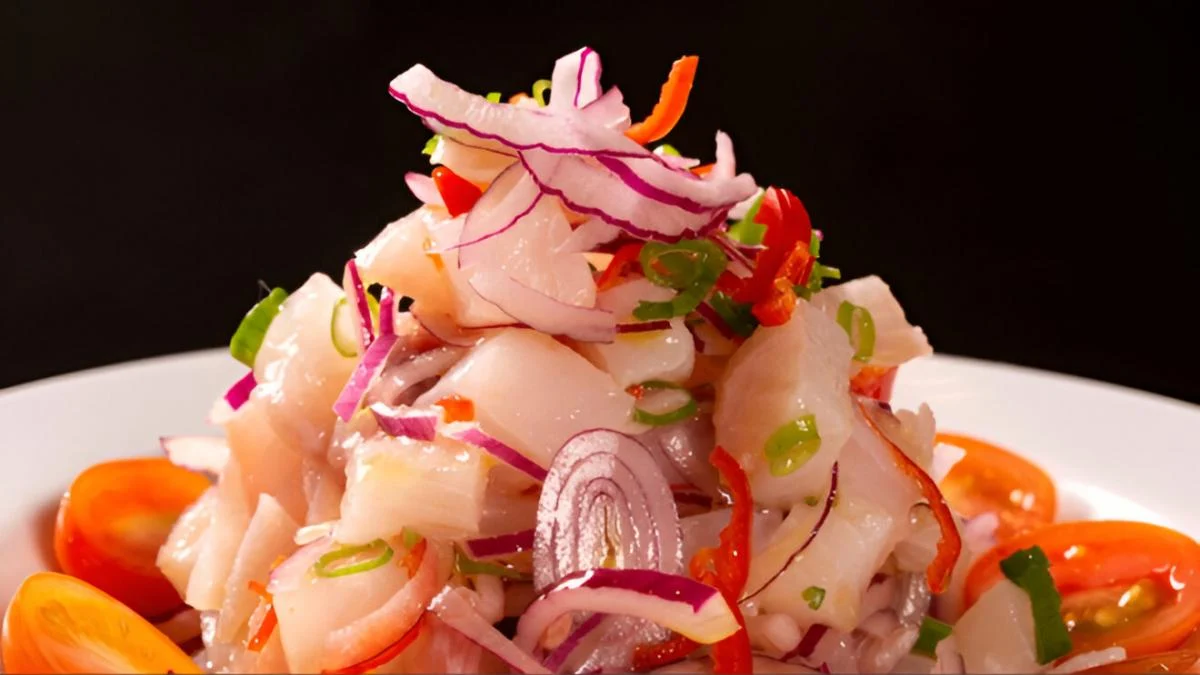
Imagine the sharp, peppery notes of a blanco tequila cutting through the rich citrus flavors of ceviche or an aged añejo, with its depth and warmth, complementing the bitter sweetness of dark chocolate. The possibilities are endless, and exploring them is an adventure in itself.
Learn more about Tequila Food Pairing here.
Conclusion: Embrace Your Journey into the Realm of Tequila Aficionados
From that first tentative sip to the confident swirl of your glass, you’ve embarked on an enriching journey.
You’ve delved into the history, techniques, and passion that make tequila more than just a drink. By learning to discern the visual cues, aroma, and complex flavors, you’ve transformed from a casual sipper into a budding connoisseur.
Yet, the world of tequila is as vast as it is delightful. There’s always a new flavor profile to discover, a new estate to explore, or a new pairing to savor. So keep exploring, tasting, and learning.
In conclusion, let us raise our glasses to this deep and diverse world of tequila, to the artisans and the agave fields, to the mysteries of terroir, and most importantly, to you, the explorer.
May your journey through the rich landscapes of tequila be as joyous as it is flavorful. Salud!
Essential Queries: Decoding the Art of Tequila Tasting
What are the basics of tasting tequila?
Tasting tequila involves several steps: visually examining the tequila, smelling it to understand the aroma, and finally tasting it to discern the flavors. It’s important to use appropriate glassware and cleanse your palate before tasting.
How does color affect tequila tasting?
The color of tequila can give you an indication of its age and the type of barrels used for aging. Clear tequila, known as Blanco, is typically unaged, while amber-colored tequila, known as añejo, has been aged in barrels for a period of time.
Why is aroma important in tequila tasting?
Aroma plays a significant role in tequila tasting, as it can help you identify the different flavor notes present in the tequila. Swirling the tequila gently in the glass helps release these aromas.
How can I improve my tequila-tasting skills?
Improving your tequila-tasting skills involves practice and experience. You can try different types of tequilas, from various regions and made with different methods. Participating in blind tasting sessions and pairing tequila with food can also enhance your tasting skills.
What is the role of terroir in tequila taste?
Terroir refers to the environment where the agave, the main ingredient in tequila, is grown. Factors such as soil, climate, and region can significantly influence the taste of tequila. For example, tequilas from the highlands of Jalisco are often sweeter and fruitier, while those from the lowlands can be more herbaceous and earthy.
Does the aging process impact the flavor of tequila?
Yes, the aging process greatly influences the flavor of tequila. As tequila ages in barrels, it absorbs flavors from the wood, typically leading to deeper, richer, and more complex flavors. The type of barrel (bourbon, wine, etc.) can also impart distinct flavors to the tequila.