Caipirinha vs Negroni: A Deep Dive into the Taste Profile
Basic Tastes
Caipirinha, Brazil’s national cocktail, is a delightful mix of sweetness and sourness. The sweet taste comes from the sugar, while the sourness is provided by the fresh lime. Negroni, on the other hand, is an Italian cocktail that offers a balanced taste of bitterness from Campari, sweetness from vermouth, and a hint of sourness from the orange peel garnish.
Other Taste Profile Factors
- Aromas: Caipirinha has a fresh, citrusy aroma, while Negroni carries a complex blend of herbal and citrus notes.
- Textures: Caipirinha is often served with crushed ice, giving it a slushy texture. Negroni, however, is served with ice cubes, resulting in a smoother texture.
- Temperature: Both cocktails are served cold.
- Mouthfeel: Caipirinha has a refreshing, crisp mouthfeel, while Negroni is robust and full-bodied.
- Aftertaste: Caipirinha leaves a sweet and tangy aftertaste, while Negroni lingers with a bitter-sweet finish.
Considerations
Balance, harmony, complexity, intensity, and contrast are all important factors in a cocktail’s taste profile. Caipirinha, with its simple ingredients, offers a harmonious balance of sweet and sour. Its taste is less complex but highly refreshing. Negroni, however, is a more complex cocktail with a harmonious blend of bitter, sweet, and sour. It has a strong intensity and a contrasting aftertaste that leaves you wanting more.
💡 While both cocktails offer a balance of sweet and sour, the Caipirinha’s simplicity and refreshing qualities make it an ideal choice for those new to cocktails. The Negroni, with its complex flavor profile and bitter-sweet aftertaste, is a perfect option for seasoned cocktail enthusiasts seeking a robust and full-bodied drink.
Caipirinha vs Negroni: A Deep Dive into Barware and Glassware
Mixing & Preparation
- Caipirinha: Muddler, Jigger, Bar Spoon, Ice Crusher
- Negroni: Mixing Glass, Bar Spoon, Jigger, Ice Molds
Serving & Presentation
- Caipirinha: Highball Glass, Coasters, Garnish Tray
- Negroni: Lowball Glass, Coasters, Garnish Tray
Storage & Organization
- Caipirinha: Bottle Opener & Corkscrew, Speed Pourers, Bar Mat
- Negroni: Bottle Opener & Corkscrew, Liquor Pour Spouts, Bar Roll
Garnishing & Fine Detailing
- Caipirinha: Cutting Board & Knife, Citrus Juicer, Peeler & Zester
- Negroni: Cutting Board & Knife, Atomizer, Bitters Bottle
Preservation & Enhancement
- Caipirinha: Champagne Stopper
- Negroni: Wine Aerator, Decanter
💡 While both cocktails require similar bar tools, the Caipirinha, with its muddled lime and sugar, leans heavily on the muddler and citrus juicer for its unique taste and presentation. On the other hand, the Negroni, with its blend of gin, vermouth, and Campari, relies on the mixing glass and atomizer for a perfectly balanced and aromatic cocktail.
Exploring the Versatility of Caipirinha and Negroni Cocktails
Best Occasions to Enjoy a Caipirinha or Negroni
Whether you’re planning a beach day, a barbecue, or a date night, the choice between a Caipirinha and a Negroni can make all the difference. For a relaxed, sunny beach day or a lively barbecue, the fresh and vibrant Caipirinha is a perfect choice. Its refreshing lime and cachaca base make it a hit in these casual, outdoor settings.
On the other hand, the Negroni, with its sophisticated blend of gin, vermouth, and Campari, is ideal for more formal occasions. Think corporate parties, art galas, and date nights. Its complex flavor profile makes it a refined choice for these events.
Seasonal Pairing: Caipirinha vs Negroni
The Caipirinha, being a Brazilian cocktail, is a fantastic fit for the summer season. Its refreshing taste and cooling effect make it a popular choice for hot, sunny days.
The Negroni, with its robust and warming flavors, is more suited to the cooler months of autumn and winter. It’s the perfect cocktail to enjoy by the fireplace or at a holiday party.
Event Pairing: Weddings, Parties, and More
When it comes to weddings, both cocktails can shine. The Caipirinha can be a great choice for a beach or summer wedding, while the Negroni can add a touch of elegance to a more formal, indoor wedding.
For birthday parties, graduation celebrations, and music festivals, the lively and fun Caipirinha is a crowd-pleaser. But for more sophisticated events like product launches, award ceremonies, and charity events, the Negroni is a classy choice.
💡 Unique Insight: While both cocktails have their strengths, the Caipirinha’s versatility makes it a great choice for a wider range of events and seasons. Its refreshing taste and simple ingredients make it adaptable to various settings, from casual beach days to elegant weddings. On the other hand, the Negroni’s complex flavors and sophisticated image make it a standout choice for formal events and cooler seasons.
Caipirinha vs Negroni: Ingredient Accessibility
Caipirinha Ingredients
- Cachaça
- Lime
- Sugar
Negroni Ingredients
- Gin
- Vermouth Rosso
- Campari
- Orange
Accessibility of Ingredients
For the Caipirinha, cachaça might be a bit challenging to find in some areas, but lime and sugar are common kitchen staples. On the other hand, the Negroni ingredients are more readily available worldwide, with gin, vermouth rosso, and Campari being common in most liquor stores. However, the specific brands of vermouth and gin can affect the taste of the Negroni significantly.
| Ingredient | Availability |
|---|---|
| Cachaça | Medium |
| Gin | High |
| Vermouth Rosso | High |
| Campari | High |
💡 Despite the slightly higher difficulty in sourcing cachaça for a Caipirinha, it’s worth noting that the simplicity of its ingredients allows for more flexibility and creativity. You could experiment with different types of sugar or even add in other fruits for a twist!
Cocktail Variations: Caipirinha vs Negroni
Caipirinha Variations
- Classic Caipirinha: The traditional version made with cachaça, lime, and sugar.
- Caipiroska: A twist on the original, swapping cachaça for vodka.
- Caipirinha de Frutas: Adds a splash of tropical flavor with the addition of fresh fruits like kiwi, passionfruit, or pineapple.
Negroni Variations
- Classic Negroni: The original mixture of gin, Campari, and sweet vermouth.
- Negroni Sbagliato: This “mistaken” Negroni switches out gin for sparkling wine.
- White Negroni: A lighter version that uses Lillet Blanc and Suze in place of Campari and sweet vermouth.
Taste Profiles
| Caipirinha | Negroni |
|---|---|
| Sweet and tangy, with a strong lime presence. | Bitter and strong, with a distinct herbal flavor. |
Perfect For…
Caipirinha: A hot summer’s day, or any time you want to feel like you’re on a tropical vacation.
Negroni: A sophisticated gathering, or when you’re in the mood for a strong, classic cocktail.
💡 While both cocktails have their roots in classic recipes, the Caipirinha offers more flexibility for flavor experimentation due to its simpler composition. On the other hand, the Negroni, with its complex blend of ingredients, presents a more nuanced taste experience.
Cost Comparison: Caipirinha vs Negroni
Caipirinha
As Brazil’s national cocktail, the Caipirinha is a simple and cost-effective choice. The main ingredients include:
- Cachaça (Low-end: $15, Mid-range: $25, High-end: $40)
- Limes ($0.50 per piece)
- Sugar ($1 per pound)
Negroni
The Negroni, an Italian classic, requires a few more ingredients, impacting its cost:
- Gin (Low-end: $20, Mid-range: $30, High-end: $50)
- Campari (Around $30)
- Sweet vermouth (Around $15)
- Orange for garnish ($0.50 per piece)
Note: Prices may vary depending on the brand and location.
Cost Comparison
| Caipirinha | Negroni |
|---|---|
| Low-end: $16.50 | Low-end: $65.50 |
| Mid-range: $26.50 | Mid-range: $75.50 |
| High-end: $41.50 | High-end: $95.50 |
💡 Despite its popularity, the Negroni is significantly more expensive to make than the Caipirinha due to its need for multiple types of liquor. The Caipirinha, on the other hand, is a more budget-friendly option without sacrificing flavor.
Caipirinha vs Negroni: Prep & Mix Time
Total Preparation Time
- Caipirinha: 5 minutes
- Negroni: 10 minutes
Mixing Time
- Caipirinha: 2 minutes
- Negroni: 4 minutes
Complexity of Preparation
Caipirinha: Easy
Negroni: Medium
Ingredient Preparation
- Caipirinha: Cut lime into wedges, add sugar
- Negroni: Mix equal parts gin, vermouth, and Campari
Mixing Techniques
Caipirinha: Muddle lime and sugar, add ice and cachaça
Negroni: Stir ingredients with ice, strain into glass
Presentation
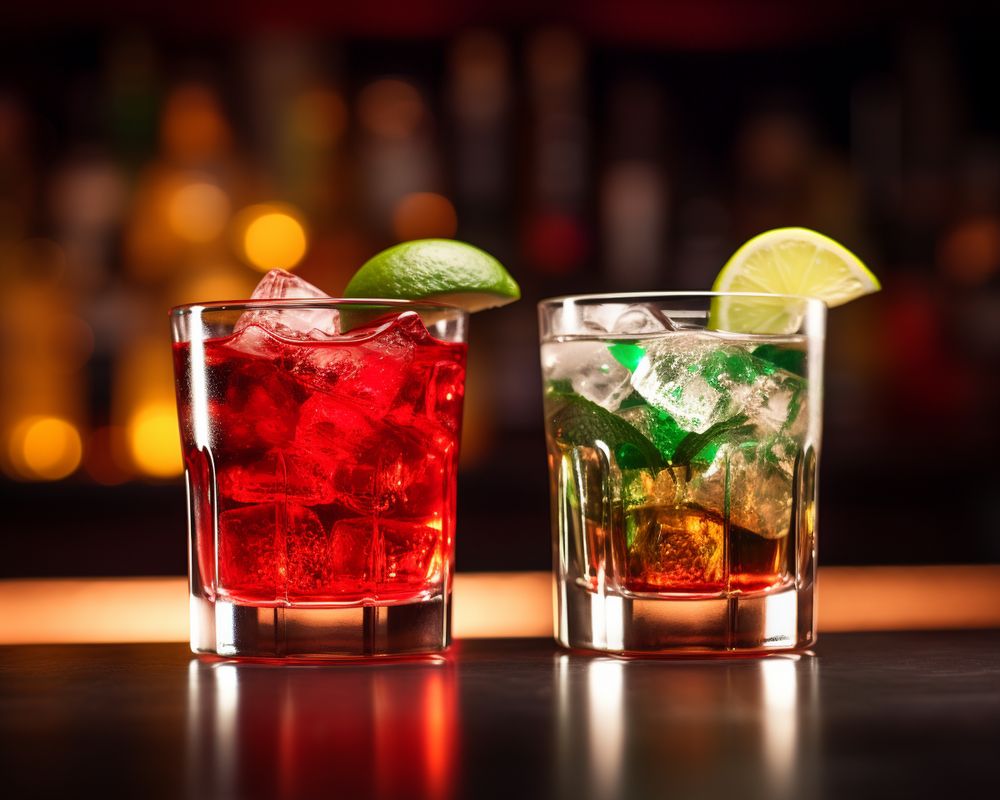
- Caipirinha: Served in a rocks glass with a lime wheel
- Negroni: Served in an old-fashioned glass with an orange peel
Set up
Caipirinha: Simple setup, no special bar tools required
Negroni: Requires a bar spoon and strainer
Cleanup
- Caipirinha: Quick and easy, minimal mess
- Negroni: Slightly more involved due to bar tools
Waiting Time
Caipirinha: Can be enjoyed immediately
Negroni: Best when allowed to sit for a minute
Expert Tips
- Caipirinha: Use a good quality cachaça for the best flavor
- Negroni: Experiment with different gins to change the flavor profile
💡 While both the Caipirinha and the Negroni offer unique flavors, the Caipirinha is quicker and easier to prepare, making it an ideal choice for beginners or when time is short.
Mixology Hacks for the Perfect Blend: Caipirinha vs Negroni
Muddling Right
Caipirinha requires muddling lime and sugar to extract the citrus oils, while Negroni doesn’t need muddling at all. The key is to muddle with just enough pressure to release the flavors, not to pulverize the ingredients.
Ice Matters
Both cocktails demand different ice forms. A Caipirinha uses crushed ice to dilute the cachaça, while a Negroni needs large ice cubes to keep it cold without watering it down rapidly.
Shake vs Stir
Caipirinha is shaken to mix the ingredients well, whereas Negroni is stirred gently to prevent clouding the cocktail and maintain its clarity.
Balancing Act
The Caipirinha’s balance comes from the sweet and sour interplay between sugar and lime. In contrast, Negroni’s balance lies in the harmony of its three ingredients: gin, vermouth, and Campari.
Herb Infusion
Neither cocktail traditionally uses herb infusions, but a sprig of mint or basil can add a refreshing twist to a Caipirinha. Negroni, however, is best left classic.
Aromatic Bitters
The Negroni’s bitter edge comes from Campari, while the Caipirinha does not traditionally include bitters. Adding a dash can introduce a new dimension to the flavor profile.
Smoke Effects, Double Straining, and Perfect Presentation
Neither cocktail typically involves smoke effects or double straining. As for presentation, a Caipirinha is often served in a rock glass, while a Negroni is typically presented in an old-fashioned glass with an orange peel garnish.
Garnish Game and Glassware
Caipirinha does not require garnish, but a lime wheel can enhance its visual appeal. Negroni, on the other hand, is typically garnished with an orange slice or twist.
Temperature and Crafting Signature Cocktails at Home
Both cocktails should be served cold. With the right ingredients and techniques, crafting these signature cocktails at home is achievable even for beginners.
Mixology Techniques for Beginners and Balancing Flavors
Mastering the basics, like muddling, shaking, and stirring, can help beginners create a well-balanced Caipirinha or Negroni. Understanding the role of each ingredient is crucial in achieving the perfect blend.
Clarified Cocktails, Dehydrated Garnish, and Freeze & Squeeze
While these advanced techniques can elevate your cocktail game, neither Caipirinha nor Negroni typically requires them. Stick to the basics, and you’ll create a delightful drink every time.
💡 Despite their differences, both Caipirinha and Negroni demonstrate the importance of balance in mixology. It’s not just about the individual ingredients, but how they harmonize to create a unique taste experience.
Comparing Caipirinha and Negroni: A Deep Dive into Alcohol Content
Alcohol Content in Caipirinha and Negroni
When it comes to the alcohol content, both Caipirinha and Negroni are potent cocktails, but they differ significantly in their ABV%.
| Cocktail | ABV% |
|---|---|
| Caipirinha | 20-30% |
| Negroni | 24-28% |
Mocktail Alternatives for Caipirinha and Negroni
For those who prefer alcohol-free beverages, there are delightful mocktail versions of both Caipirinha and Negroni.
Mocktail Caipirinha: Substitute the cachaça with ginger ale or lemon-lime soda. Muddle the lime and sugar as usual.
Mocktail Negroni: Replace the gin, vermouth, and Campari with non-alcoholic alternatives like Seedlip (a non-alcoholic spirit), non-alcoholic bitters, and a splash of grapefruit juice.
💡 Unique Insight: Despite the common belief, the Negroni, which is often perceived as a stronger cocktail due to its bitter taste, can actually have a lower alcohol content than the sweet and fruity Caipirinha.
Nutritional Information: Caipirinha vs Negroni
Caloric Intake
- Caipirinha: Approximately 130 calories per serving
- Negroni: Approximately 186 calories per serving
Spirits and Mixers
- Caipirinha: Cachaça and lime
- Negroni: Gin, Vermouth, and Campari
Sugar Content and Simple Syrups
- Caipirinha: 2 teaspoons of sugar
- Negroni: No added sugar, but Vermouth and Campari contain sugar
Carbohydrates
- Caipirinha: Approximately 11g
- Negroni: Approximately 16g
Vitamins and Minerals
Both cocktails provide minimal vitamins and minerals. However, the lime in Caipirinha offers a small amount of Vitamin C.
Allergens, Gluten, and Other Factors
- Caipirinha: Gluten-free
- Negroni: Contains gluten due to Vermouth
Low-Calorie and Sugar-Free Options
For a lower calorie and sugar-free option, consider a Caipirinha with a sugar substitute.
Gluten-Free Alcoholic Beverages
- Caipirinha is a gluten-free cocktail
- Negroni is not gluten-free due to Vermouth
💡 While both cocktails have their unique flavors and characteristics, Caipirinha stands out as the healthier option due to its lower calorie, sugar, and carbohydrate content. Plus, it’s a great choice for those following a gluten-free diet.
Caipirinha vs Negroni: High Quality Facts
Origins and Ingredients
Originating from Brazil, the Caipirinha is a popular cocktail made from cachaça, sugar, and lime. On the other hand, the Negroni hails from Italy and is a blend of gin, vermouth rosso, and Campari.
Flavor Profiles
With its sweet and citrusy flavor, the Caipirinha is a refreshing cocktail perfect for warm weather. The Negroni, however, offers a more bitter and complex taste, making it a great aperitif.
Preparation and Serving
The Caipirinha is typically served in an old-fashioned glass, with the lime and sugar muddled together before adding the cachaça. The Negroni is stirred, not shaken, and served in a rocks glass over ice with an orange peel garnish.
Alcohol Content
While both cocktails have a high alcohol content, the Negroni is generally stronger due to the combination of three spirits. The Caipirinha, however, is slightly lighter with its base of cachaça.
Note: Always drink responsibly and be aware of your alcohol tolerance.
Popularity
Global cocktail enthusiasts often favor the Negroni for its sophisticated flavor profile, while the Caipirinha is a hit in tropical regions for its refreshing taste.
| Caipirinha | Negroni |
|---|---|
| Brazilian origin | Italian origin |
| Cachaça, sugar, lime | Gin, vermouth rosso, Campari |
| Sweet and citrusy | Bitter and complex |
💡 While both cocktails are distinct in their taste and preparation, the choice between a Caipirinha and a Negroni often comes down to personal preference and the occasion. For a refreshing, tropical vibe, opt for a Caipirinha. But if you’re after a sophisticated, bitter aperitif, a Negroni is your go-to.
Caipirinha vs Negroni: An In-Depth Comparison
What are the main ingredients of Caipirinha and Negroni?
Caipirinha, a Brazilian classic, is made with cachaça (a spirit distilled from sugarcane), fresh lime, and sugar. On the other hand, Negroni, an Italian staple, is a blend of gin, Campari, and sweet vermouth.
How are these cocktails prepared?
For a Caipirinha, lime wedges and sugar are muddled in a glass. Cachaça is then added, and the mixture is stirred well. A Negroni is prepared by combining equal parts of gin, Campari, and sweet vermouth in a glass, stirring them with ice, and garnishing with an orange peel.
What brands of alcohol are commonly used?
Leblon and Ypióca are popular brands of cachaça used for Caipirinha. For Negroni, gin brands like Tanqueray and Beefeater, and sweet vermouth brands like Martini & Rossi and Cinzano are preferred.
What barware and glassware are needed?
Caipirinha requires a muddler and a rocks glass. A Negroni, however, is typically mixed in a mixing glass and served in an old-fashioned glass.
Are there any recommended food pairings?
Caipirinha pairs well with spicy foods, while Negroni complements rich, fatty foods like charcuterie and cheese.
How are these cocktails presented visually?
A Caipirinha is often garnished with a lime wheel or wedge. A Negroni, on the other hand, is typically garnished with an orange peel or slice.
What is the nutritional information for these cocktails?
A standard Caipirinha contains around 130 calories and is gluten-free. A Negroni, with about 186 calories, is also gluten-free. However, both drinks contain alcohol and sugar, which may not be suitable for some dietary restrictions.
What is the cost of making these cocktails?
The cost of making a Caipirinha or a Negroni can vary greatly depending on the brands of alcohol used. However, on average, a Caipirinha may cost around $2 to $3 per drink, while a Negroni may cost around $3 to $4 per drink.
What is the alcohol content (ABV percentage) of these cocktails?
The alcohol content of a Caipirinha is typically around 30-40%, depending on the cachaça used. A Negroni, with its blend of three different alcohols, usually has an ABV of around 24%.
Unique Insight: While both Caipirinha and Negroni are iconic cocktails, they offer different taste experiences. The Caipirinha, with its tropical and refreshing profile, is perfect for a hot summer day. The Negroni, with its bitter and complex flavors, is more suited for a sophisticated evening affair.