Classic Martini vs Gibson Martini: Understanding the Elegance in Your Glass
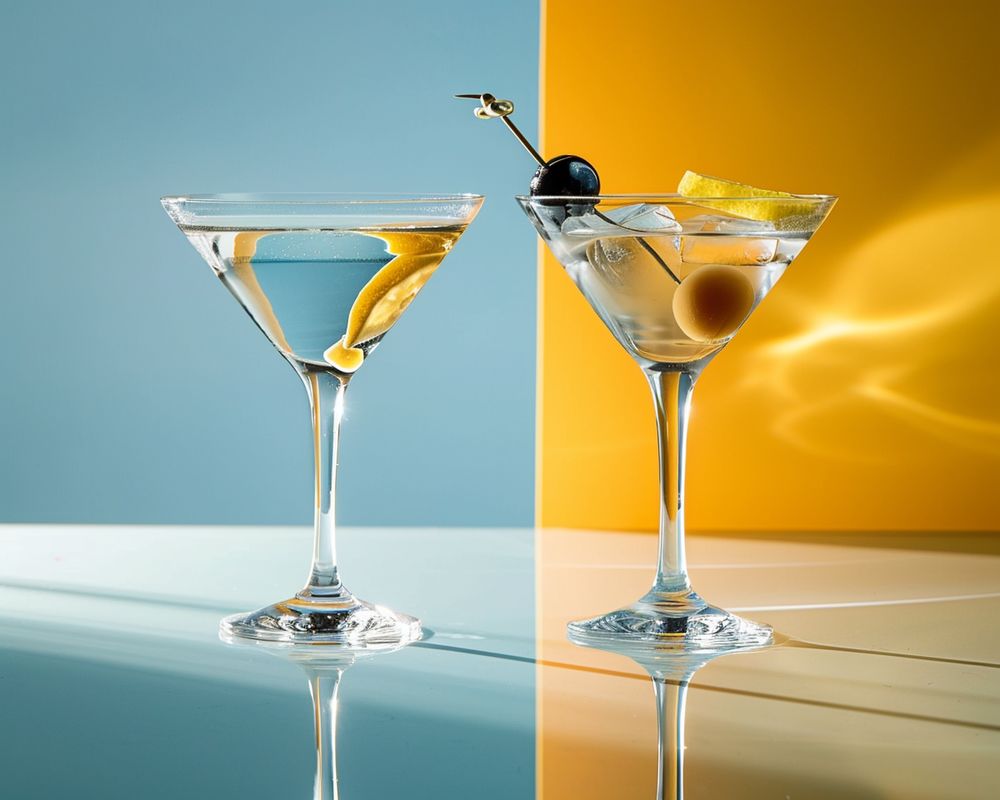
Garnish Distinction: Classic Martinis are adorned with an olive or a lemon twist, while Gibson Martinis stand out with a pickled onion, providing a distinctive tangy finish.
Vermouth Ratio: The Classic Martini often features a higher vermouth to gin ratio, offering a smoother sip, as opposed to the Gibson which might lean towards a drier, gin-forward taste.
Serving Occasions: Classic Martinis are the quintessence of cocktail sophistication, suited for high-end bars, whereas Gibsons add a quirky twist to the martini scene, often spotted at intimate gatherings.
Classic Martini: The Epitome of Cocktail Sophistication
Beloved by cocktail enthusiasts worldwide, the Classic Martini exemplifies the elegance of simplicity. Uniting dry gin’s herbal textures with the lacing of dry vermouth, each sip of this celebrated drink is a testament to harmony and sophistication. With a rich versatility of presentation – serve it dry, wet, or dirty, the Classic Martini never fails to charm with its timeless allure. It’s your go-to companion at an intimate get-together, a high-end cocktail party, or a tranquil evening of refined relaxation.
Taste Profile: A deft combination of dry gin’s herbal tones and subtle dry vermouth, resulting in a crisp, refined flavor.
Key Ingredients: Central components include dry gin and vermouth, optionally garnished with an olive or a lemon twist.
Alcohol Content: Approximately 31.3% ABV, showcasing robust strength in a simple, elegant format.
Popularity: Recognized worldwide, the Classic Martini is an enduring symbol of cocktail luxury and sophistication.
Origin: Born in the 19th century, its timeless elegance has cemented its place in cocktail history.
Primary Alcohol: Dry gin provides the Classic Martini its distinctive, strong character.
Preparation Time: Swift to prepare, typically within 5 minutes, epitomizing elegance with efficiency.
Best Occasions: Perfect for formal gatherings, private parties, or serene moments of self-indulgence.
Visual Appeal: Traditionally served in a martini glass, its clear, clean appearance is a vision of subtle class.
Glassware and Barware: Martini glass is the preferred choice, with a stirrer and strainer as essential bartending tools.
Nutritional Information: Boasts approximately 180 calories per serving, primarily deriving from the dry gin.
Variations: Depending on personal choice, it could be served dirty, dry or wet, with garnishes adding an extra twist.
Complexity: While being simple in ingredients, the artistry lies in striking the perfect balance between gin and vermouth.
Gibson Martini: A Classic Cocktail with an Onionic Twist
The Gibson Martini, a subtle twist on the all-time classic, blends gin or vodka with dry vermouth, finishing with a pickled onion garnish. This cocktail is celebrated for its dry profile and subtle complexity, delivered by the delicate union of spirits and the unexpected punctuation of the onion. The Gibson’s unique edge comes from its savoury garnish, making it the choice for those who favor a more rounded and complex cocktail experience. It’s ideal for lively social events, casual gatherings, or a well-deserved self-reward after a grueling day.
Taste Profile: Savoury and smooth, the Gibson Martini combines dry spirits with the piquant punch of a pickled onion.
Key Ingredients: Gin or vodka, dry vermouth and a pickled onion are the simple yet effective key ingredients of the Gibson.
Alcohol Content: Approximately 32-37% ABV, depending on the base spirit used, striking a balance between strength and texture.
Popularity: A beloved variation of the Martini, the Gibson holds its place among those who appreciate a unique twist.
Origin: Born in the late 19th century, its origins are often contended, with multiple stories claiming its birthright.
Primary Alcohol: Often gin, but vodka variations are also popular for those who prefer a cleaner taste.
Preparation Time: Mixed swiftly, the Gibson is typically ready to serve in around 3 to 4 minutes.
Best Occasions: Ideal for informal gatherings or as an intriguing aperitif before dinner.
Visual Appeal: Crystal clear, the Gibson is adorned with a pickled onion, affording an elegant presentation.
Glassware and Barware: Traditionally served in a cocktail glass, stirred with a bar spoon in a mixing glass and strained to serve.
Nutritional Information: Ranges from approximately 160-180 calories per serving, predominantly from the alcohol.
Variations: The Dirty Gibson, where a splash of onion brine is added, caters to those looking for a deeper savoury tang.
Complexity: The basic Gibson’s beauty lies in its simplicity, but adding a unique garnish gives it a delightful complexity.
Conclusion
In the realm of sophisticated sipping, the face-off between Classic Martini and Gibson Martini reveals subtle yet distinct variations to entice any cocktail connoisseur. The Classic Martini, steeped in tradition, charms the palate with its harmonious balance of gin and dry vermouth, garnished with an olive. It’s the go-to for purists seeking that crisp, clean sip, embodying the spirit of timeless elegance.
The Gibson Martini, though sharing a similar base, distinguishes itself with a pickled onion garnish, imparting a gentle, briny undertow to the drink. This slight twist appeals to those craving the familiar dry martini with just a hint of savoury flair. It’s a refined alternative that offers a nuanced experience.
As you delve into the world of martinis, consider the ambiance and your taste preferences. If you’re drawn to the pristine classic, a Classic Martini is your match. However, should your palate fancy a savory edge, the Gibson Martini awaits. Either choice promises to enrich your cocktail repertoire with sophistication and pleasure.