Key Takeaways: Classic Negroni vs Barrel-Aged Negroni
Taste Evolution: Classic Negronis have a well-defined bitter-sweet balance, while barrel-aged ones develop rounded vanillin notes and a mellower bitterness through cask infusion.
Preparation Time: The traditional Negroni is quick to mix, ready to serve straight away, contrasting with barrel-aged variations that require extended time to acquire their distinct flavor.
Serving Style: A standard Negroni is often served over ice with a fresh orange peel, whereas its barrel-aged counterpart might be presented in a more elaborate way to highlight its aged character.
Classic Negroni: Italy’s Sophisticated Aperitif Icon
The Classic Negroni, an integral part of Italy’s cocktail scene, masterfully pleases your palates with a trifecta of gin, Campari, and Vermouth rosso. This cocktail is revered for its distinctive and bold taste profile where the defined bitterness of Campari is eloquently balanced by the sweet undertone of vermouth, perfectly supported by the dryness of gin. The Negroni wins over the heart of those who adore a cocktail that’s rich in flavors and strong. Whether for swanky soiree, cocktail hours, or as an intriguing classic for any cocktail aficionado, it’s an intelligent choice.
Taste Profile: The pronounced bitterness of Campari, softened by vermouth’s sweetness and refined by gin’s dryness, creates a compelling cocktail.
Key Ingredients: Essential to this cocktail are a high-quality gin, Campari, and Vermouth rosso.
Alcohol Content: Contains about 24% ABV, depending on the gin used, making this cocktail potent and intoxicating.
Popularity: An icon of Italian drinking culture, Negroni has won over cocktail lovers worldwide with its unique and bold flavor.
Origin: With deep roots in Italian tradition, the Negroni carries a flavor of Italy’s rich cultural heritage.
Primary Alcohol: The use of gin typifies Negroni, providing a dry and complex base.
Preparation Time: Can be whipped up in less than 5 minutes, making it a hassle-free yet classy cocktail option.
Best Occasions: Perfect for cocktail hours, high-brow parties and gatherings in sophisticated settings.
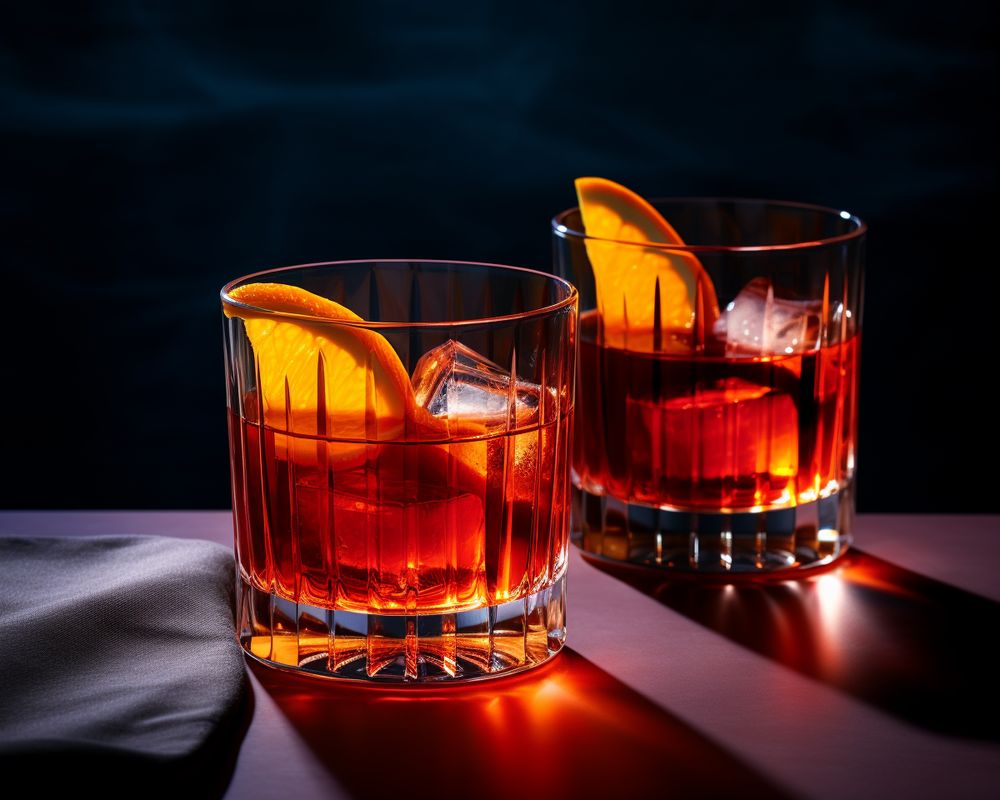
Visual Appeal: Radiates an inviting ruby hue, typically garnished with a slice of orange or citrus peel adding to its allure.
Glassware and Barware: Usually served in an old-fashioned glass, which aligns seamlessly with the cocktail’s robust temperament. Key tools include a mixing glass, a strainer and a bar spoon.
Nutritional Information: Comes in at around 186 calories per serving, chiefly from the alcohol and sugar in the mix.
Variations: Can be given a twist with the use of different gins or variations in the ratio of its three key components.
Complexity: Despite the simplicity of ingredients, the magic lies in blending the bitter, sweet and dry facets harmoniously.
Barrel-Aged Negroni: A Mature Twist to an Italian Classic
The Barrel-Aged Negroni kicks the traditional Italian favorite up a notch by adding depth and complexity through aging it in barrels. This approach imbues the cocktail with woodsy, smoky notes to the signature bitter-sweet taste, further enriched by the blend of Gin, Vermouth, and Campari. The aging process marries these ingredients beautifully, giving the cocktail a mellowness that will delight the palate of any cocktail enthusiast. It’s an excellent choice for gatherings around a fireplace or a laid-back Friday evening at home.
Taste Profile: It’s unique, offering a sound balance between sweet, bitter, and smoky, thanks to a longer aging process.
Key Ingredients: The trio of Gin, sweet Vermouth, and Campari matured in barrels defines this delightful cocktail.
Alcohol Content: Generally around 24-28% ABV – punchy, but the aging mellows its bite.
Popularity: Gaining momentum among connoisseurs valuing age, complexity, and uniqueness.
Origin: Inspired by the Classic Italian Negroni, but aged akin to whiskey for added depth.
Primary Alcohol: Gin is the key. However, the aging process shares the spotlight, introducing unique flavor profiles.
Preparation Time: Aged for weeks or months, but served in seconds. The wait is worth it.
Best Occasions: Celebrations or casual get-togethers. Also enjoyed in quiet reflection.
Visual Appeal: A deeper, more captivating amber colored cocktail compared to its classic version.
Glassware and Barware: Served in an Old-Fashioned glass for showcasing its beautiful color. A jigger and bar spoon are the only tools necessary.
Nutritional Information: Each serving has approximately 150-170 calories, mostly from alcohol content.
Variations: Use different types of barrels for aging to introduce a variety of new flavor profiles.
Complexity: Very complex due to the aging process. Every sip tells a different story.
Conclusion
Delving into the nuances of the classic Negroni versus its barrel-aged sibling, we uncover a delightful spectrum of taste and refinement. The classic Negroni, with its equal-parts blend of gin, sweet vermouth, and Campari, stands as a testament to simplicity and balance. Its character is forward, with a bold interplay of botanicals, sweetness, and bitterness – a perfect match for those who appreciate a straightforward, spirited endeavor that’s as timeless as it is inviting.
The magic of aging takes the barrel-aged Negroni to new heights, infusing it with whispers of oak and a rounded, mellowed complexity that can only come from patience and time. It’s the choice for the discerning palate looking to explore a richer, more nuanced variation. Each sip boasts a matured harmony that’s both sophisticated and deeply satisfying.
For you, the cocktail enthusiast, consider the setting and your taste preferences. For a classic, vibrant experience, the ever-reliable Negroni awaits. However, if you seek an evolved twist with an extra layer of depth, reach for a barrel-aged Negroni. Both are treasures in the cocktail world, and either choice promises a remarkable experience for your senses.