
Classic Martini Cocktail: The Quintessence of Elegance and Flavor

The Classic Martini, a symbol of cocktail sophistication, is an exquisite combination of gin (or vodka) and dry vermouth, often garnished with an olive or a lemon twist. Renowned for its minimalist yet refined flavor profile, the Martini shines with the dryness of vermouth harmonizing with the botanical richness of gin or the smooth subtlety of vodka. This cocktail’s allure lies in its timeless elegance and versatility, making it a top pick for those who savor a drink that exudes class and simplicity. It’s ideal for formal occasions, sophisticated soirees, or as a refined pre-dinner indulgence.
- Taste Profile: A smooth and balanced blend, featuring the aromatic complexity of gin or the clear crispness of vodka, paired with the subtle dryness of vermouth.
- Key Ingredients: The essential components are gin or vodka and dry vermouth, creating the Martini’s classic and elegant taste.
- Alcohol Content: Typically ranging from 15-25% ABV, depending on the ratio of spirits, balancing potency with smoothness.
- Popularity: A timeless classic, the Martini holds a place of honor in the world of cocktails, cherished by purists and modern drinkers alike.
- Origin: Believed to have originated in the United States in the late 19th century, the Martini has evolved but maintained its iconic status.
- Primary Alcohol: Gin or vodka serves as the foundational spirit, with gin offering botanical notes and vodka a cleaner profile.
- Preparation Time: Swift to mix, usually within 3-4 minutes, making it a go-to choice for an elegant but quick cocktail.
- Best Occasions: Perfect for upscale gatherings, cocktail parties, or as a sophisticated starter to an evening’s festivities.
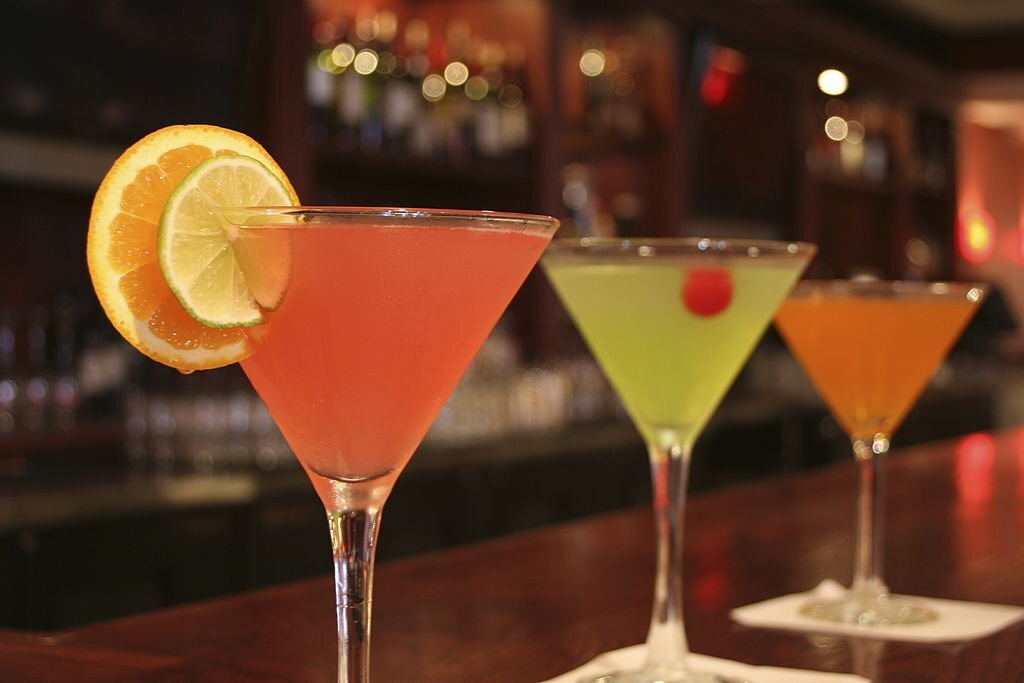
- Serving Glass: Traditionally served in a chilled Martini glass, which adds to its refined and stylish presentation.
- Visual Appeal: Sleek and elegant, often garnished with an olive or a lemon twist, adding a touch of classic sophistication.
- Barware: Requires a mixing glass, cocktail strainer, and bar spoon for stirring, essential for achieving the Martini’s smooth finish.
- Glassware: A Martini glass is the classic choice, though a coupe glass can also be used for a different aesthetic.
- Nutritional Information: Relatively low in calories, mainly from the alcohol content.
- Variations: Includes variations like the Dirty Martini with olive brine or a Gibson with a pickled onion, allowing for personalization.
- Complexity: While simple in terms of ingredients, mastering the perfect Martini balance is an art form in itself.
Summary Comparison: Cosmopolitan vs Martini Across Various Criteria
| Topics | Cosmopolitan Cocktail | Martini Cocktail |
| Taste Profile | Sweet, Tart, and citrusy | Bold, Aromatic, and customizable |
| Key Ingredients | Vodka, Cranberry, Lime, and Triple Sec | Gin or vodka, Vermouth, Garnish |
| Alcohol Content (ABV%) | 20-25% | 28-35% |
| Popularity | Iconic 90s, Millennial love | Timeless, James Bond |
| Origin | 1970s, Provincetown or global | Mid-1800s, Martinez/Global |
| Primary Alcohol | Vodka | Gin or Vodka |
| Cost | Moderate | Variable |
| Preparation Time | ~5 minutes | ~5 minutes |
| Best Occasions | Summer, Girls’ Night | Formal events, Anytime |
| Serving Glass | Martini Glass | Martini or Coupe Glass |
| Visual Appeal | Vibrant Red | Elegant Simplicity |
| Barware and Glassware | Shaker, Strainer, and Jigger | Shaker/Stirrer, Jigger, Strainer |
| Nutritional Info | 200 Calories, Citrus Allergy | 180–210 Calories, Olive Allergy |
| Variations | White Cosmo | Espresso Martini |
| Complexity | Moderate | Expert Level |
Cosmopolitan vs Martini Cocktails: Quenching Your Curiosity One FAQ at a Time
What are the key ingredients in a Cosmopolitan cocktail?
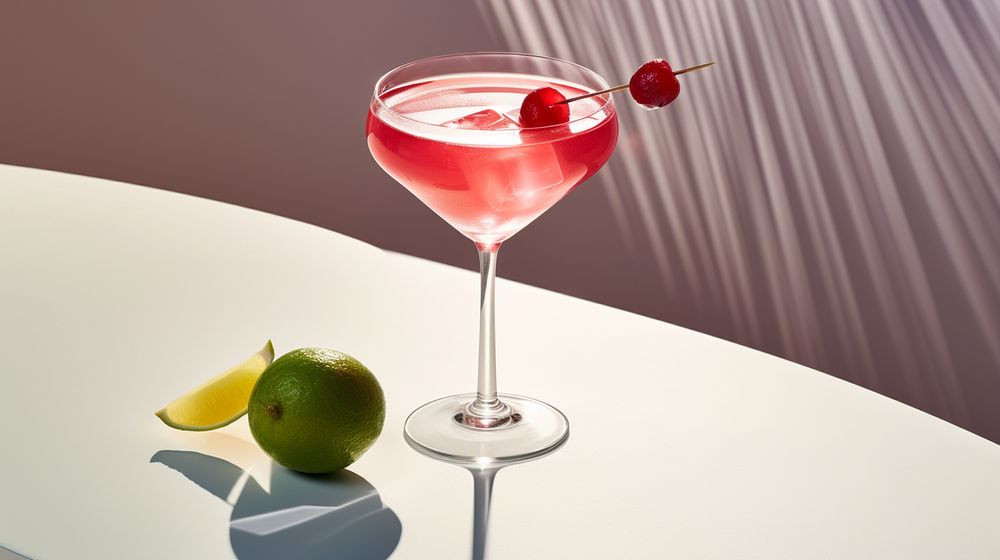
The Cosmopolitan cocktail typically contains vodka, cranberry juice, triple sec, and lime juice. It’s a fruity and tart mix that’s perfect for a variety of occasions.
What are the essential elements of a Martini cocktail?
A classic Martini cocktail is made with gin or vodka and dry vermouth. You can garnish it with an olive or a lemon twist, depending on your personal preference.
How does the taste profile differ between Cosmopolitan and Martini?
Cosmopolitan has a sweet, tart, and citrusy flavor profile. On the other hand, a Martini is bolder and more aromatic, with herbal and dry undertones.
What is the alcohol content in Cosmopolitan and Martini cocktails?
The Cosmopolitan has an alcohol by volume (ABV) range of about 20–25%, while the Martini has a higher range of approximately 28–35%.
Where did the Cosmopolitan and Martini cocktails originate?
The Cosmopolitan’s origins are disputed,but it became globally popular by the 1990s. The Martini is believed to have originated in Martinez, California, around the mid-1800s.
Which brands of vodka and gin are best for making these cocktails?
For a Cosmopolitan, you might want to use Grey Goose or Tito’s vodka. For Martinis, Bombay Sapphire or Tanqueray gin are excellent choices.
What are the best seasons to enjoy a Cosmopolitan or Martini?
Cosmopolitans are ideal for summer soirees and girls’ nights out. Martinis are versatile and can be enjoyed anytime, but they’re especially popular at formal events.
Are there any special glassware requirements for these cocktails?
Both cocktails are traditionally served in a Martini glass, but you can also serve a Martini in a Coupe glass for a more modern twist.
How do Cosmopolitan and Martini cocktails impact your health?
Cosmopolitan cocktails have around 200 calories and may contain allergens like citrus fruits. Martinis have around 180–210 calories and can contain olives, which may be an allergen for some.
Are there any interesting variations of the Cosmopolitan or Martini?
Yes, a popular variation of the Cosmopolitan is the White Cosmo, which uses white cranberry juice. An interesting Martini variant is the Espresso Martini, featuring coffee liqueur and espresso for a caffeine kick.
Where can I buy a Cosmopolitan or Martini cocktail?
You can purchase these cocktails at most upscale bars, restaurants, and lounges. Pre-mixed versions are also available at liquor stores for at-home enjoyment.
How can I make a Cosmopolitan or Martini for a holiday event?
For a festive touch, you can add edible glitter to a Cosmopolitan for a sparkly effect or infuse your Martini with seasonal herbs like rosemary for Christmas.
How can I make a low-calorie Cosmopolitan or Martini?
For a lighter Cosmopolitan, use diet cranberry juice and a sugar-free triple sec. In a Martini, use fewer olives or a lemon twist to reduce calories.
Can I make a non-alcoholic version of these cocktails?
Certainly! For a non-alcoholic Cosmopolitan, use cranberry juice, lime juice, and orange juice. For a Martini, you can use non-alcoholic gin and vermouth alternatives.
Where can I find more information about cocktails and mixology?
You can delve deeper into the world of cocktails by taking mixology courses, reading cocktail-making books, or following popular mixologists on social media platforms.