Daiquiri vs Martini: A Dive into Taste Profiles
Basic Tastes
- Daiquiri: This classic cocktail hits the sweet and sour notes with its mixture of rum, lime juice, and sugar.
- Martini: A well-balanced Martini provides a contrast of bitterness from the gin and a hint of saltiness from the olive garnish.
Other Taste Profile Factors
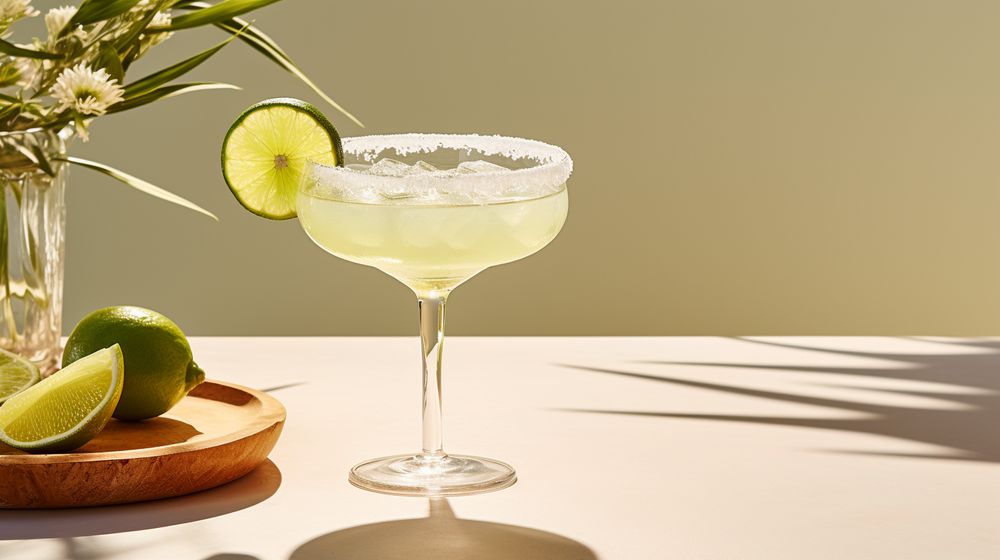
- Daiquiri: Daiquiri’s texture is smooth, served cold with a refreshing lime aroma. The aftertaste lingers with a citrusy tang.
- Martini: The Martini stands out with its cold temperature but strong, clear mouthfeel. It leaves an aftertaste that is dry and sophisticated.
Considerations
Daiquiri: The balance and harmony in a Daiquiri come from the simplistic blend of sweetness and sourness. Its intensity can be adjusted by the amount of rum used.
Martini: The Martini is a study in contrasts – strong yet subtle, bitter yet salty. Its complexity lies in the choice of gin and vermouth ratio.
💡 The Daiquiri and Martini, though different in taste profiles, both offer an exciting journey of flavors. The Daiquiri, with its sweet and sour notes, is a refreshing tropical delight. On the other hand, the Martini, with its contrasting flavors, offers a more sophisticated and complex taste experience. The choice between them often depends on your preference for a simple yet bold (Daiquiri) or a complex and nuanced (Martini) cocktail.
Daiquiri vs Martini: A Barware and Glassware Exploration
Mixing & Preparation
The Daiquiri and Martini both require a cocktail shaker and a jigger for accurate measurements. A bar spoon is used to gently stir a Martini, while the Daiquiri is shaken vigorously. Ice is crucial for both, but an ice crusher is particularly useful for the Daiquiri’s smooth blend.
Serving & Presentation
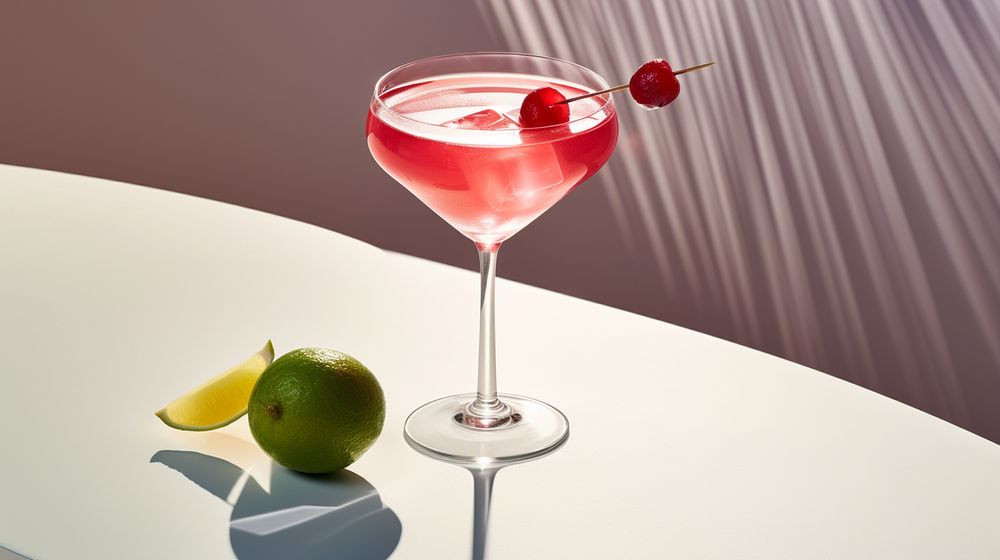
While both cocktails can be served in a cocktail glass, the Martini has its iconic V-shaped glass. The Daiquiri, on the other hand, is often served in a highball glass. Garnish plays a key role in presentation; a lime wheel for the Daiquiri, and an olive or lemon twist for the Martini.
Storage & Organization
Both cocktails require a bottle opener & corkscrew for the spirits, while speed pourers and liquor pour spouts ensure precision. A bar mat provides a clean workspace, and a bar roll or tool bag keeps everything organized.
Garnishing & Fine Detailing
The Martini calls for a peeler & zester or a channel knife for its citrus garnish. The Daiquiri, meanwhile, relies on a cutting board & knife for slicing fresh lime. Bitters bottles are a must-have for those who like to add a dash to their Martini.
Preservation & Enhancement
While neither cocktail typically requires a decanter, a wine aerator can be useful if you prefer your Martini with a splash of vermouth. Wine preservers can help keep any leftover vermouth fresh.
| Daiquiri | Martini |
| Cocktail shaker, Highball glass, Ice crusher | Cocktail shaker, Martini glass, Bar spoon |
| Lime wheel garnish | Olives or lemon twist garnish |
| Cutting board & knife | Peeler & zester or channel knife |
💡 Despite the common perception, the Martini glass isn’t the best vessel for a Martini. Its wide brim causes the drink to warm quickly. Instead, try serving your Martini in a smaller, narrower glass to keep it chilled longer.
Daiquiri vs Martini: A Cocktail Versatility Showdown
Occasion Pairings
- Daiquiri: Ideal for Beach Days, Barbecues, and Housewarmings. Its tropical vibes make it a perfect match for relaxed outdoor events.
- Martini: A classic choice for Corporate Parties, Award Ceremonies, and Anniversary Celebrations. Its sophistication suits formal and upscale occasions.
Event Pairings
| Daiquiri | Martini |
|---|---|
| Music Festivals | Product Launches |
| Birthday Parties | Retirement Parties |
| Themed Parties | Charity Events |
Season Suitability
Daiquiri: A Summer cocktail, best enjoyed under the sun. However, its fruity freshness can also bring a touch of Summer to the colder seasons.
Martini: A timeless classic, suitable for all seasons. Its versatility allows it to be served both ice-cold or with a twist of warming flavors.
💡 While both cocktails have their unique charm, the Martini stands out for its versatility across a wider range of occasions, events, and seasons. However, the Daiquiri’s vibrant and tropical character makes it the perfect choice for creating a fun, relaxed atmosphere.
Daiquiri vs Martini: Ingredient Accessibility
Daiquiri Ingredients Availability
Whipping up a classic Daiquiri doesn’t require a trip to an exotic store. The ingredients needed are straightforward:
- Rum
- Lime juice
- Sugar
Rum, being a popular spirit, is available in most liquor stores. Lime juice and sugar are everyday staples that you can find in any grocery store.
Martini Ingredients Availability
Like the Daiquiri, a classic Martini doesn’t need too many ingredients either:
- Gin or Vodka
- Dry Vermouth
- Olives or lemon twist for garnish
Gin and Vodka are widely available in liquor stores. Dry Vermouth might be a bit trickier to find, but most well-stocked liquor stores should carry it. Olives and lemons are commonly found in grocery stores.
Comparative Ease of Ingredient Accessibility
| Daiquiri | Martini |
|---|---|
| Easy to find ingredients | Medium difficulty due to Dry Vermouth |
💡 Given the basic ingredients used in both cocktails, the Daiquiri is slightly easier to prepare due to its use of everyday kitchen staples. The Martini, on the other hand, requires Dry Vermouth, which may not be as readily available in some areas.
Daiquiri vs Martini: An Exploration of Cocktail Variations
A Deeper Dive into Daiquiris
The Daiquiri, an elegant cocktail originating from Cuba, is traditionally composed of rum, lime juice, and sugar. Let’s explore some popular variations:
- Strawberry Daiquiri: This fruity twist incorporates fresh strawberries and often includes a splash of grenadine for added sweetness.
- Hemingway Daiquiri: Named after famed author Ernest Hemingway, this version introduces grapefruit juice and maraschino liqueur to the mix.
- Banana Daiquiri: This tropical variation blends in banana liqueur, creating a creamy and satisfying cocktail experience.
Multiplicity in Martinis
Originating in the United States, the classic Martini is a blend of gin and vermouth, garnished with an olive or a lemon twist. Here are some popular variations:
- Dirty Martini: This version is made ‘dirty’ by the addition of olive brine, giving it a salty twist.
- Espresso Martini: A modern favorite, this variation blends vodka, coffee liqueur, and freshly brewed espresso for a caffeinated kick.
- Chocolate Martini: A dessert in a glass, this Martini variation includes chocolate liqueur and sometimes even a dash of cream.
Whether you prefer the sweet and tropical essence of a Daiquiri or the clean, crisp notes of a Martini, exploring their variations can lead to a delightful cocktail experience.
💡 Unique Insight: Did you know the Hemingway Daiquiri was created to accommodate the author’s diabetes? The grapefruit juice and maraschino liqueur were added to reduce the sugar content, making it a healthier alternative.
Cost Comparison: Daiquiri vs Martini
Daiquiri Cocktail Cost Breakdown
Starting with the Daiquiri, here’s a budget-friendly to high-end range of ingredients:- Rum (Budget: Bacardi Superior – $15, Mid-range: Appleton Estate Reserve Blend – $30, Premium: Diplomatico Reserva Exclusiva – $40)
- Lime Juice (Freshly squeezed lime: $1)
- Sugar Syrup (Homemade: less than $1)
For a Daiquiri, most of your budget goes towards the rum. If you opt for a budget rum, you can make a Daiquiri for approximately $17. For a mid-range version, expect to pay around $32, and for a high-end Daiquiri, around $42.
Martini Cocktail Cost Breakdown
Next, let’s break down the cost of a Martini:- Gin (Budget: Beefeater – $20, Mid-range: Tanqueray No. Ten – $40, Premium: Monkey 47 – $80)
- Vermouth (Budget: Martini & Rossi – $10, Mid-range: Dolin Dry – $15, Premium: Noilly Prat – $20)
- Olive (Less than $1)
In the case of a Martini, both gin and vermouth will affect the price. A budget Martini will cost around $31, a mid-range version around $56, and a premium version can go up to $101.
Which Cocktail is More Expensive?
Comparing the two cocktails, it’s clear that a Martini can get significantly more expensive than a Daiquiri, especially if you’re opting for premium ingredients. However, at the budget and mid-range level, the cost difference is not as significant.💡 While the Martini can be more expensive, it’s important to note that both cocktails’ cost largely depends on the quality of alcohol you choose. Opting for a mid-range rum for your Daiquiri or a mid-range gin for your Martini can give you a delicious cocktail without breaking the bank.
Daiquiri vs Martini: Prep & Mix Time
Total Preparation
Daiquiri: 5 minutesMartini: 5 minutes
Mixing Time
- Daiquiri: 2 minutes
- Martini: 1 minute
Complexity of Preparation
| Daiquiri | Martini |
|---|---|
| Easy | Medium |
Ingredient Preparation
Daiquiri: Simple, just lime juice, sugar, and rum.Martini: A bit more complex, requiring gin/vodka, vermouth, and garnish (olives or lemon twist).
Mixing Techniques
- Daiquiri: Shaken, not stirred.
- Martini: Stirred, not shaken.
Presentation
Daiquiri: Served in a cocktail glass, garnished with a lime wheel.Martini: Served in a martini glass, garnished with olives or a lemon twist.
Set up
Daiquiri: Easy setup, all ingredients are easily accessible.Martini: Requires a bit more setup, including a cocktail stirrer and specific garnishes.
Cleanup
- Daiquiri: Minimal cleanup due to fewer ingredients and tools.
- Martini: Slightly more cleanup due to the use of a stirrer and garnish tools.
Waiting Time
Daiquiri: Zero waiting time, drink is served immediately after mixing.Martini: Requires a brief chill time in the freezer before serving.
Expert Tips
- Daiquiri: Use freshly squeezed lime juice for the best taste.
- Martini: Chill the glass in the freezer before serving for an extra cold martini.
💡 Although Martini requires a slightly more complex preparation process, it allows for more creativity and personalization through the choice of garnishes and the balance of gin/vodka and vermouth.
Mixology Hacks for the Perfect Blend: Daiquiri vs Martini
Muddling Right
When crafting a Daiquiri, muddling the lime and sugar together is a crucial initial step. However, in a Martini, there’s no muddling involved at all.
Ice Matters
The Daiquiri is best served with crushed ice to maintain its refreshing vibe, while the Martini should be served with large, solid ice cubes to prevent dilution.
Shake vs Stir
A Daiquiri is shaken to incorporate the lime and sugar, whereas a Martini is stirred to maintain clarity and texture.
Balancing Act
In a Daiquiri, the balance between the lime, sugar, and rum is key. For a Martini, the harmony between gin and vermouth is essential.
Glassware
A Daiquiri is typically served in a coupe glass to keep it cool, while a Martini is served in a Martini glass to showcase its elegance.
Garnish Game
The Daiquiri is often garnished with a lime wheel, whereas the Martini is adorned with an olive or a twist of lemon.
Temperature
Both Daiquiri and Martini should be served chilled. A Daiquiri is usually served over ice, while a Martini is stirred with ice and strained.
Crafting Signature Cocktails at Home
With these tips in mind, you can create your own Daiquiri or Martini at home. Remember, practice makes perfect!
Mixology Techniques for Beginners
Start with mastering the basics: muddling, shaking, and stirring. From there, balancing flavors and perfecting garnishes will come naturally.
💡Unique Insight: While the Daiquiri and Martini may seem like polar opposites, they share a common thread – balance. Whether it’s the balance of flavors in a Daiquiri or the harmony of gin and vermouth in a Martini, mastering this balancing act is key to creating the perfect blend.
Daiquiri vs Martini: A Comparison in Alcohol Content
Alcohol Content: Daiquiri
Traditionally, a Daiquiri recipe includes 2 oz of white rum, which typically ranges from 37.5% to 50% ABV (Alcohol By Volume). Taking into account the other non-alcoholic ingredients (lime juice and sugar syrup), the overall Alcohol Content for a Daiquiri can be estimated to be around 13.5% – 18% ABV.
Alcohol Content: Martini
A classic Martini comprises 2 oz of Gin (or Vodka) and 1 oz of Dry Vermouth. With Gin usually having an ABV of 37.5% to 50%, and Dry Vermouth with an ABV of 15% to 18%, the typical Martini can have an Alcohol Content ranging from 26% to 32% ABV. Thus, it is generally stronger than a Daiquiri.
Alcohol-Free Alternatives (Mocktails)
Daiquiri Mocktail
For a Daiquiri mocktail, simply swap out the white rum for a non-alcoholic white rum alternative, or even coconut water for a tropical twist. Combine with the usual lime juice and sugar syrup, and you have a refreshing alcohol-free Daiquiri.
Martini Mocktail
Creating a mock Martini involves replacing the gin/vodka with a non-alcoholic spirit, and the Vermouth with a mix of white grape juice and lemon juice. The result is a sophisticated, zero-alcohol Martini.
Conclusion
While both Daiquiris and Martinis are classic cocktails, their Alcohol Content differs significantly. Daiquiris are milder, making them ideal for those preferring a lighter cocktail, while Martinis pack a stronger punch due to their higher ABV.
💡 Unique Insight: Even when opting for their mocktail versions, the essence of Daiquiris and Martinis can still be enjoyed. This allows even non-drinkers to appreciate the sophisticated flavors of these iconic cocktails.
Nutritional Information: Daiquiri vs Martini
Caloric Intake
A Daiquiri typically has between 112-200 calories, depending on ingredients used. On the other hand, a Martini clocks in at about 120-175 calories, with most of the calories coming from the spirits used.
Spirits and Mixers
In a Daiquiri, the main spirit is rum, mixed with citrus juices. A Martini, however, uses gin or vodka, mixed with vermouth.
Sugar Content and Simple Syrups
While a Daiquiri contains sugar from the simple syrup and citrus juice, a Martini is almost sugar-free as it is made with dry vermouth and spirits.
Carbohydrates and Other Nutrients
Carbohydrate content is higher in a Daiquiri due to the added sugars, with around 15g per serving. Martinis, being mostly alcohol, have fewer carbs, about 0.2g. Both contain minimal amounts of proteins, fats, and no significant amounts of vitamins and minerals.
Allergens
Both cocktails are generally safe for those with common food allergies, though it’s always best to check each ingredient if you have specific sensitivities. For gluten-sensitive individuals, choose a Martini made with vodka, not gin.
Low-Calorie and Sugar-Free Options
For a lower-calorie version, opt for a Martini. If sugar is a concern, the Martini is also the better option, as it contains virtually no sugar.
💡 Despite their different nutritional profiles, both Daiquiri and Martini can be enjoyed in moderation as part of a balanced diet. So whether you prefer the tartness of a Daiquiri or the bold, dry flavor of a Martini, there’s a cocktail out there for everyone.
Daiquiri vs Martini: High Quality Facts
Origins and History
The Daiquiri, a classic rum cocktail, was born in the small mining town of Daiquiri in Cuba around 1898. On the other hand, the Martini, a gin-based cocktail, has origins that date back to the mid-1800s in the United States.
Main Ingredients
| Daiquiri | Martini |
|---|---|
| Rum, Lime Juice, and Sugar | Gin, Dry Vermouth, and Olive or Lemon Twist |
Preparation and Serving Style
The Daiquiri is typically shaken and served in a cocktail glass. In contrast, the Martini is stirred or shaken depending on personal preference and served in a martini glass, often garnished with olives or a lemon twist.
Taste Profile
A Daiquiri is known for its refreshing, citrusy and sweet profile while a Martini is dry, herbal, and crisp.
Variations
- Daiquiri: Strawberry Daiquiri, Hemingway Daiquiri
- Martini: Dirty Martini, Vesper Martini
“The only real difference between a Daiquiri and a Martini is the base spirit. It’s all about the balance between the spirit, citrus, and sweetness.”
💡 Despite their differences in origin, ingredients, and taste profiles, the Daiquiri and Martini share a common trait. Both cocktails are valued for their simplicity and balance. They serve as a testament to the power of minimalism in mixology.
Daiquiri vs Martini: A Comprehensive Cocktail Comparison
What are the main ingredients for a Daiquiri?
The classic Daiquiri is a simple blend of rum, fresh lime juice, and simple syrup. It’s typically made with a light rum for a clean, bright flavor, but you can experiment with different rum brands for unique twists.
What is the basic recipe for a Martini?
A traditional Martini is made using gin and dry vermouth, with a lemon twist or olive garnish. You can opt for premium gin brands like Tanqueray or Bombay Sapphire to elevate the drink. Some prefer vodka Martinis, but gin is the original ingredient.
What barware is necessary for these cocktails?
Both Daiquiris and Martinis require a cocktail shaker and a strainer. A jigger is also recommended for accurate measurement of ingredients. Additionally, a Martini needs a cocktail stick for the garnish.
What kind of glassware is used?
Daiquiris are traditionally served in a coupe glass, while Martinis are presented in the iconic Martini glass, known for its wide, shallow bowl and long stem.
What are some ideal food pairings?
Daiquiris, with their tropical flavors, pair well with spicy and seafood dishes, while the dry, strong Martini complements rich foods like cheeses, olives, and smoked salmon.
How do Daiquiris and Martinis differ in visual presentation?
A Daiquiri is usually a frothy, light-colored drink due to shaking, while a clear, neat Martini speaks of elegance and sophistication. The garnish also differs – a lime wheel for the Daiquiri and an olive or lemon twist for the Martini.
What is the nutritional information?
On average, a Daiquiri contains about 130-170 calories, with most coming from the rum and sugar. A Martini, on the other hand, contains around 160-210 calories, mostly from the gin or vodka. Both cocktails are gluten-free but not allergy-free due to potential cross-contamination.
How much do these cocktails typically cost to make?
The cost varies depending on the quality of the alcohol and the garnish used. A Daiquiri can range from $2-$5 per drink, while a Martini can cost between $3-$7.
What is the alcohol content (ABV) of Daiquiris and Martinis?
The ABV of a Daiquiri is typically around 20-30%, depending on the rum brand and the cocktail’s size. Martinis have a higher ABV, usually between 30-40%, influenced by the gin or vodka used and the ratio of vermouth.
Unique Insight: Despite their differences, both Daiquiris and Martinis have played significant roles in cocktail history. The Daiquiri, named after a small town in Cuba, became popular during the Prohibition era when American tourists flocked to Cuba for alcohol. The Martini, meanwhile, is a symbol of sophistication and class, often associated with James Bond’s famous line, “shaken, not stirred.”