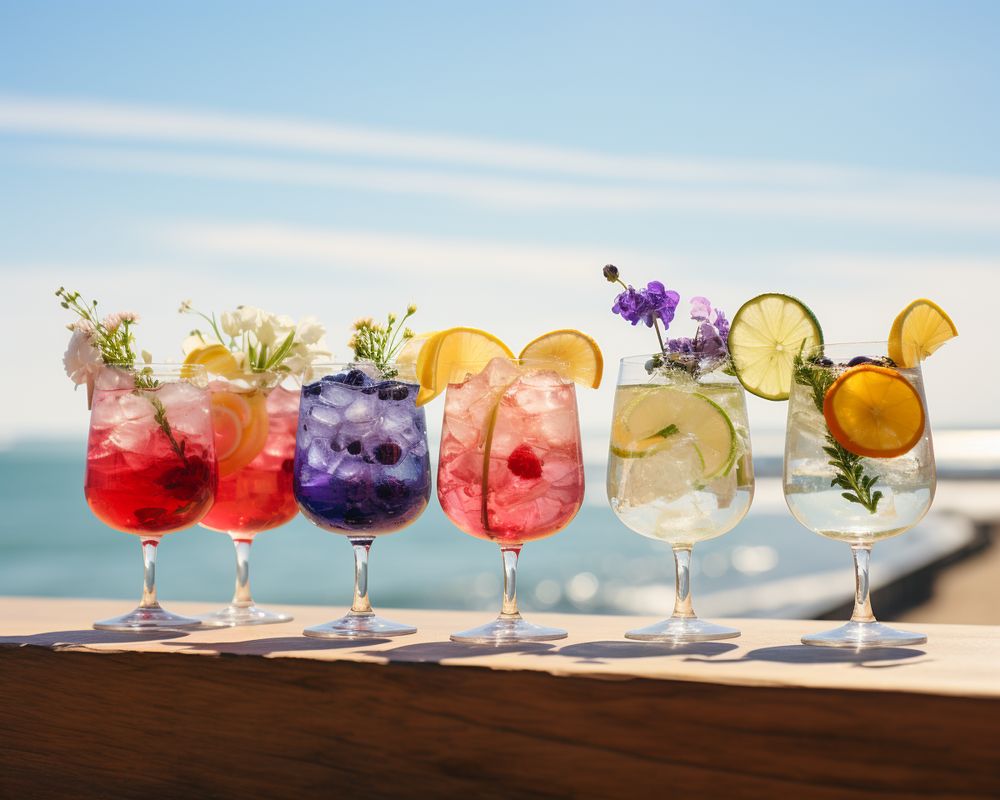
Floral Cocktails: A Symphony of Flavor for Your Palate
Lavender Collins
Imagine the fresh, calming scent of lavender fields, now translate that into a taste. The Lavender Collins is a cocktail that marries the soothing notes of lavender with the tangy zest of fresh lemons. This aromatic gin-based cocktail offers a delicate balance of floral and citrus flavors, making it a refreshing choice for a warm, sunny day.
Rose Petal Martini
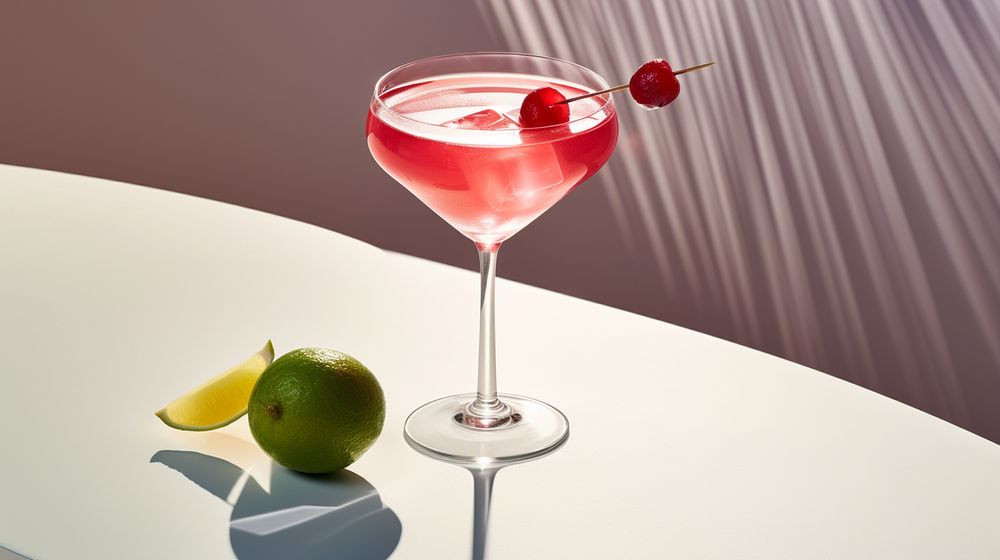
Experience the elegance of a rose garden in a glass with the Rose Petal Martini. This exquisite cocktail blends the delicate sweetness of rose petals with the robust flavor of vodka. The result is a drink that is as fragrant as it is flavorful, offering a sophisticated twist on the classic martini.
Hibiscus Margarita
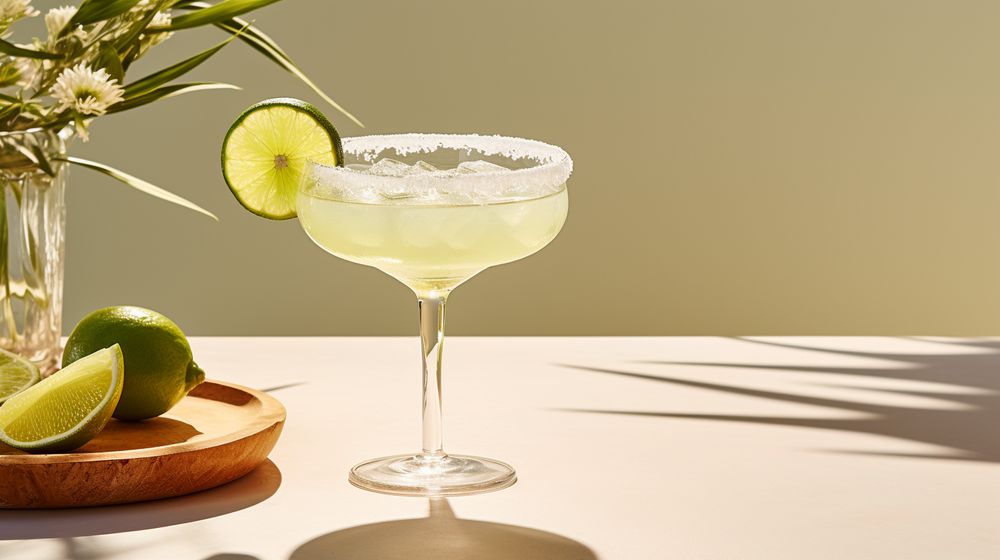
Take a trip to the tropics with the Hibiscus Margarita. This vibrant cocktail combines the tartness of lime, the sweetness of agave nectar, and the unique tangy-floral notes of hibiscus. The result is a refreshing and colorful cocktail that’s a feast for both the eyes and the palate.
Elderflower Spritz
Experience the taste of summer with the Elderflower Spritz. This light and refreshing cocktail combines the subtle floral notes of elderflower with the crispness of prosecco and soda water. It’s the perfect drink for those seeking a less intense, more sippable cocktail experience.
Violet Fizz
Step into a world of whimsy with the Violet Fizz. This cocktail boasts a unique blend of gin, lemon juice, and crème de violette, resulting in a drink with a distinct floral taste and a beautiful lavender hue. It’s a cocktail that’s as pleasing to the eye as it is to the taste buds.
Chamomile Sour
Experience tranquility in a glass with the Chamomile Sour. This cocktail combines the calming notes of chamomile with the tartness of lemon and the warmth of whiskey. It’s a soothing, balanced drink that’s perfect for winding down after a long day.
Jasmine Gin & Tonic
Immerse yourself in the fragrant world of the Jasmine Gin & Tonic. This cocktail pairs the botanical notes of gin with the sweet, floral scent of jasmine. The result is a refreshing and aromatic drink that puts a floral twist on the classic gin and tonic.
Orange Blossom Special
Experience a burst of citrus with the Orange Blossom Special. This cocktail features the bright, zesty flavors of oranges, complemented by the sweet, floral notes of orange blossom. It’s a vibrant and refreshing drink that’s perfect for those who love citrus-forward cocktails.
Lilac Lemonade
Experience the taste of spring with the Lilac Lemonade. This cocktail combines the tartness of fresh lemons with the subtle floral notes of lilac. It’s a refreshing and light drink that’s perfect for a sunny afternoon.
Daisy Cocktail
Indulge in the classic Daisy Cocktail. This timeless drink combines the robust flavors of spirits with the fresh, floral notes of daisies. It’s a balanced and flavorful cocktail that’s perfect for those who appreciate traditional cocktails with a twist.
Floral Cocktails Flavor Profile
Immerse yourself in the enchanting world of floral cocktails, where each sip can transport you to a blooming garden. The flavor profile of these cocktails is a bouquet of tastes, each delicately balanced to create a symphony on your palate.
The Basic Tastes of Floral Cocktails
Floral cocktails are characterized by their intricate blend of basic tastes. Here are the essential flavors that make up the profile of these cocktails:
- Sweet: The inherent sweetness of flowers like roses, violets, and elderflowers is often the base of floral cocktails.
- Bitter: Some floral elements, such as lavender, can add a slight bitterness, providing a balance to the sweetness.
- Sour: Citrus elements are often added to floral cocktails to introduce a tangy note, enhancing the overall flavor.
Highlighting and Balancing Flavor Elements
Creating a floral cocktail is an art, requiring a delicate balance of flavors. The sweetness of the floral elements can be enhanced with a dash of sugar or honey. To balance the sweetness, bartenders often introduce bitter or sour elements, such as a squeeze of lemon or a hint of bitter herbs.
Complementary Ingredients
Floral cocktails often include complementary ingredients that enrich the overall flavor profile. These may include:
| Ingredient | Flavor Contribution |
|---|---|
| Fruits | Adds a refreshing, tangy note to counterbalance the sweetness of the flowers. |
| Herbs | Introduces an earthy flavor, adding depth to the cocktail. |
| Spices | Brings a warm, aromatic element that complements the floral notes. |
💡 Don’t be afraid to experiment with floral cocktails. While roses, violets, and elderflowers are popular choices, lesser-known flowers like hibiscus, chamomile, and marigold can bring unique flavors to your drink.
Floral Cocktails: A Deep Dive into Base Spirits
When it comes to crafting the perfect floral cocktail, the choice of base spirit is a crucial factor. It’s not just about the alcohol content; the base spirit plays a significant role in shaping the overall flavor profile and aroma of your cocktail.
Most Commonly Used Base Spirits in Cocktails
- Gin: Known for its botanical notes, gin is a popular choice for floral cocktails.
- Vodka: A neutral spirit that allows floral flavors to shine.
- Rum: Adds a sweet, tropical twist to floral cocktails.
Impact of Different Base Spirits on Floral Cocktails
The base spirit can dramatically alter the overall flavor of a floral cocktail. For instance, gin, with its distinct botanical notes, can enhance the floral elements, while vodka, being neutral, allows the floral flavors to take center stage. Rum, on the other hand, adds a sweet, tropical twist.
Substituting Base Spirits in Floral Cocktail Recipes
While it’s possible to substitute one base spirit for another, it’s important to remember that this will significantly alter the cocktail’s flavor profile. For example, replacing gin with vodka in a floral cocktail will result in a less botanical and more neutral flavor.
Notable Brands for Floral Cocktails
- For gin-based floral cocktails, brands like Hendrick’s and Bombay Sapphire are often preferred.
- When it comes to vodka, brands like Absolut and Grey Goose are popular choices.
- For rum-based floral cocktails, brands like Bacardi and Captain Morgan are typically favored.
Floral Cocktails That Showcase the Base Spirit
Certain floral cocktails are designed to highlight the base spirit rather than masking it with other flavors. For instance, a classic gin and tonic with a floral twist allows the gin’s botanical notes to shine through.
💡 Remember, the choice of base spirit can make or break your floral cocktail. It’s not just about the alcohol content; it’s about how the spirit interacts with the other ingredients to create a harmonious blend of flavors and aromas.
Floral Cocktails: A Symphony of Ingredients
Dive into the world of floral cocktails, where common and exotic ingredients blend to create a sensory experience that’s as beautiful as it is delicious.
Impact of Spirits on Floral Cocktails
Spirits form the base of a cocktail and greatly influence its flavor profile. For floral cocktails, gin with its botanical notes, and vodka, a neutral spirit that lets other ingredients shine, are popular choices. Tequila and rum can also be used for a more exotic twist.
Flavor Contributors in Floral Cocktails
Floral liqueurs, like elderflower or lavender, contribute to the overall flavor of floral cocktails. Edible flowers, such as hibiscus or rose petals, can also be used to infuse a cocktail with floral notes.
Mixers in Floral Cocktails: Quality Matters
Quality mixers can elevate a cocktail from good to great. Tonic water, club soda, or even a splash of citrus juice can be used. Select mixers that complement and enhance the floral notes of your cocktail.
Fresh Ingredients: The Key to Aroma and Visual Appeal
Fresh fruits, herbs, and vegetables can add a burst of flavor, a tantalizing aroma, and a splash of color to your floral cocktails. Consider ingredients like fresh mint, basil, cucumber, or citrus fruits.
Sweeteners in Floral Cocktails: Flavor and Texture
From simple syrup to honey, agave nectar, or even flavored syrups like rose or lavender, the choice of sweetener can affect both the flavor and texture of your cocktail.
Adding Complexity with Bitters, Liqueurs, and More
Bitters, liqueurs, and other flavor-enhancing ingredients can add depth and complexity to your floral cocktails. A dash of orange or lavender bitters, or a splash of St. Germain can make all the difference.
Sourcing and Preparing Floral Cocktail Ingredients
While many ingredients can be found at your local grocery store, some may need to be sourced from specialty stores or online. Some ingredients, like floral syrups or infusions, can also be made at home for a truly unique cocktail.
The Role of Garnishes in Floral Cocktails
Garnishes serve both a functional and aesthetic role in floral cocktails. They can add a final touch of flavor and a visual appeal that takes your cocktail to the next level. Consider garnishes like a sprig of fresh herbs, a slice of fruit, or even an edible flower.
💡 Remember, the best floral cocktails balance flavor, aroma, and visual appeal, creating a drink that’s as delightful to look at as it is to sip.
Floral Cocktails Seasonal Tips
Floral cocktails are a delightful way to imbibe, regardless of the season. They offer a unique and refreshing take on traditional cocktails, with the added bonus of being visually stunning. Whether you’re a cocktail enthusiast or a newbie, there’s a floral cocktail for every occasion and season.
Spring
Spring is the perfect season for light, refreshing floral cocktails. Consider using edible flowers like violets, cherry blossoms, or elderflowers to add a touch of spring to your drinks.
Summer
Summer calls for vibrant, tropical flowers. Hibiscus, lavender, or even rose petals can add an exotic touch to your summer cocktails.
Autumn
As the weather cools down, opt for more robust floral flavors. Think marigold, chrysanthemum, or chamomile to warm up your autumn evenings.
Winter
Winter floral cocktails can be a bit more decadent. Use flowers like jasmine, orchids, or even edible pansies to create a cocktail that’s as beautiful as a winter wonderland.
| Season | Recommended Flowers |
|---|---|
| Spring | Violets, Cherry Blossoms, Elderflowers |
| Summer | Hibiscus, Lavender, Rose Petals |
| Autumn | Marigold, Chrysanthemum, Chamomile |
| Winter | Jasmine, Orchids, Pansies |
💡 Remember, the key to a perfect floral cocktail is balance. You want the floral notes to enhance, not overpower, the other flavors in your drink. So, start with a small amount of floral ingredient and adjust according to taste.
Floral Cocktails Food Pairings
Pairing food with floral cocktails is an art that can elevate your dining experience to a whole new level. Here, we delve into the world of floral cocktails and the best food pairings for them.
The Art of Pairing
Floral cocktails, with their delicate, aromatic profiles, can be perfectly paired with a wide variety of foods. The key is to balance the flavors so that the food and drink complement each other, rather than overpowering one another.
Floral Cocktails and Seafood
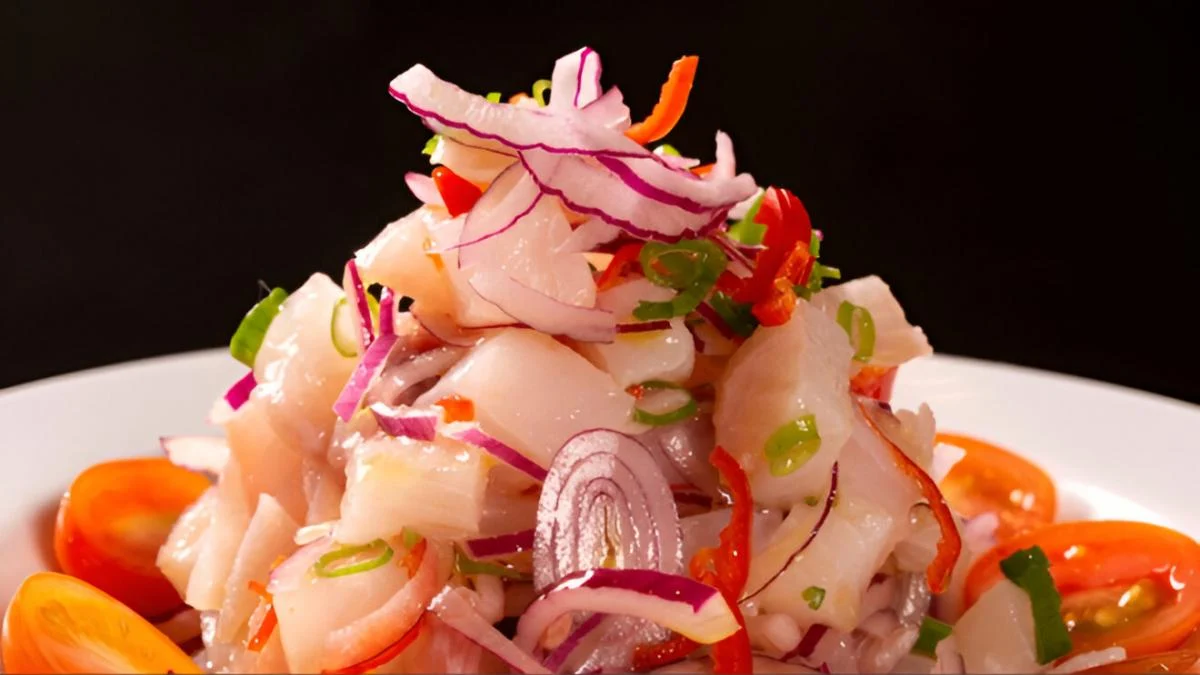
Seafood, with its light and delicate flavors, pairs wonderfully with floral cocktails. Consider pairing a lavender-infused gin and tonic with grilled shrimp or a rose petal martini with a fresh salmon salad.
Floral Cocktails and Cheese
Cheeses, particularly those with a creamy or nutty flavor, can be a great match for floral cocktails. A chamomile-infused cocktail could be paired with a creamy brie or a hibiscus margarita with a tangy goat cheese.
Floral Cocktails and Desserts
Floral cocktails can also be a delightful accompaniment to desserts. Try pairing an elderflower cocktail with a lemon tart or a violet cocktail with a berry crumble.
| Floral Cocktail | Food Pairing |
|---|---|
| Lavender-infused Gin and Tonic | Grilled Shrimp |
| Rose Petal Martini | Salmon Salad |
| Chamomile-infused Cocktail | Creamy Brie |
| Hibiscus Margarita | Goat Cheese |
| Elderflower Cocktail | Lemon Tart |
| Violet Cocktail | Berry Crumble |
💡 Pairing floral cocktails with food is all about balance. The delicate, aromatic profiles of these cocktails can be perfectly complemented by the right food choices. So next time you’re serving up floral cocktails, don’t forget to consider the food pairings!
Floral Cocktails Frequently Asked Questions
What are Floral Cocktails?
Floral cocktails are mixed drinks that incorporate flowers or floral elements either in the form of ingredients or garnishes. They can include floral liquors, flower-infused simple syrups, edible flowers, or floral bitters. These cocktails offer a unique taste profile, often bringing a delicate, fragrant, and refreshing twist to the drink.
What ingredients are commonly used in Floral Cocktails?
Common ingredients in floral cocktails include floral liqueurs like St. Germain (elderflower liqueur), Crème de Violette (violet liqueur), or rose petal liqueur. Edible flowers such as roses, violets, lavender, and hibiscus are often used as garnish. Floral bitters and flower-infused simple syrups are also popular. Non-alcoholic ingredients can include fruit juices, soda water, and fresh fruits.
What alcohol brands are suitable for Floral Cocktails?
Brands that produce floral liqueurs, such as St. Germain, Giffard, and Rothman & Winter, are suitable for floral cocktails. Additionally, gin brands like Hendrick’s and Bombay Sapphire, which have botanical flavor profiles, are often used in floral cocktails.
What barware is needed to make Floral Cocktails?
Typically, a cocktail shaker, strainer, muddler, and jigger are required to make floral cocktails. A bar spoon can also be handy for gentle stirring, and a fine strainer may be used when pouring the cocktail to ensure no unwanted particles make it into the final drink.
What are the best glassware options for Floral Cocktails?
Floral cocktails can be served in a variety of glassware depending on the cocktail type. Martini glasses, coupes, highball glasses, and even champagne flutes can be used. The choice of glassware can enhance the visual presentation of the cocktail, especially when garnished with vibrant edible flowers.
What food pairings work well with Floral Cocktails?
Floral cocktails pair well with light, fresh foods. Consider pairing with a citrusy salad, seafood dishes, or light appetizers. Desserts, particularly those with fruit or cream elements, also complement the delicate flavors of floral cocktails.
How can I customize my Floral Cocktail?
Floral cocktails can be customized by experimenting with different floral elements, adjusting the sweetness or acidity with simple syrups or citrus juices, or by adding other flavor profiles like herbs or spices. The choice of garnish can also add a personal touch.
What is the nutritional information for Floral Cocktails?
The nutritional information for floral cocktails can vary greatly depending on the ingredients used. Generally, they can range from 100 to 300 calories per serving. If you have specific dietary concerns or allergies, it’s important to check the ingredients of each cocktail. For instance, some floral elements may trigger allergies in sensitive individuals.
How much does it cost to make a Floral Cocktail?
The cost of making a floral cocktail can vary depending on the ingredients used. Premium spirits and liqueurs, as well as fresh, high-quality edible flowers, can increase the cost. On average, you can expect to spend between $10-$20 per cocktail when making them at home.
What is the alcohol content (ABV percentage) in Floral Cocktails?
The alcohol content of floral cocktails can vary widely depending on the recipe and the spirits used. However, they typically range from 10% to 20% ABV (Alcohol By Volume). It’s important to note that although floral cocktails can be light and refreshing, they can still pack a punch in terms of alcohol content.