Key Differences: Gin and Tonic vs Raspberry Gin and Tonic
Core Ingredients: The traditional Gin and Tonic features gin and tonic water, highlighted by a lime wedge. Raspberry Gin and Tonic adds muddled raspberries for a fruity twist.
Taste Variation: Classic Gin and Tonic is known for its crisp, herbal notes, whereas the raspberry version introduces a sweet and tart berry profile that’s palate-pleasing and vibrant.
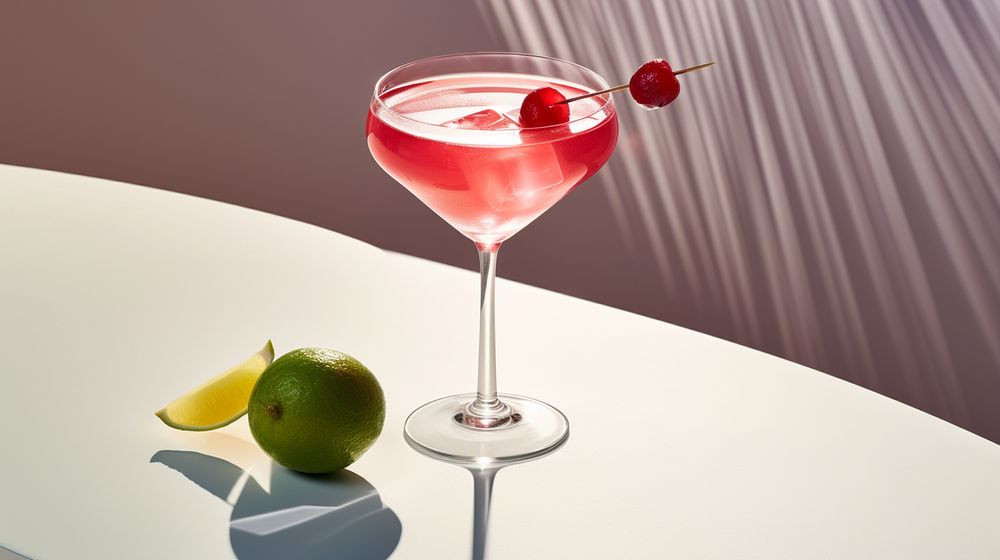
Visual Appeal: A clear, bubbly appearance characterizes the iconic Gin and Tonic, while the Raspberry Gin and Tonic boasts a charming pink hue, adding a visual pop to the experience.
Gin and Tonic: A Timeless Classic with a Crisp Twist
The Gin and Tonic, a staple in the cocktail world, is a symphony of simplicity and sophistication, merging the robust juniper essence of gin with the zesty bitterness of tonic water. Its refreshing taste is universally admired, effortlessly dancing between bitter, sweet, and botanical notes. A Gin and Tonic charms the palate with its crisp, clean flavor profile, inviting relaxation and conviviality. Whether sipped in the tranquility of home or shared among friends at a lively bar, it is a distinguished choice for any occasion, epitomizing the grace of classic mixology.
Taste Profile: Crisp and refreshing with a perfect balance of gin’s botanical complexity and tonic’s subtle sweetness and quinine bitterness.
Key Ingredients: A blend of gin known for its juniper dominance, paired with tonic water and typically garnished with a lime wedge.
Alcohol Content: Generally holds an ABV of 10-15%, depending on gin potency and the gin-to-tonic ratio.
Popularity: A quintessential drink, beloved worldwide from laid-back pubs to upscale bars for its elegant simplicity.
Origin: Born from the practical use of quinine in tonic water to combat malaria with gin added for palatability, now a global favorite.
Primary Alcohol: Gin serves as the soul of the drink, offering a canvas for the tonic’s enhancing qualities.
Preparation Time: Ready in no more than a couple of minutes; ideal for swift service and instant enjoyment.
Best Occasions: Perfect for summer parties, formal events, or as an unwinding drink after work.
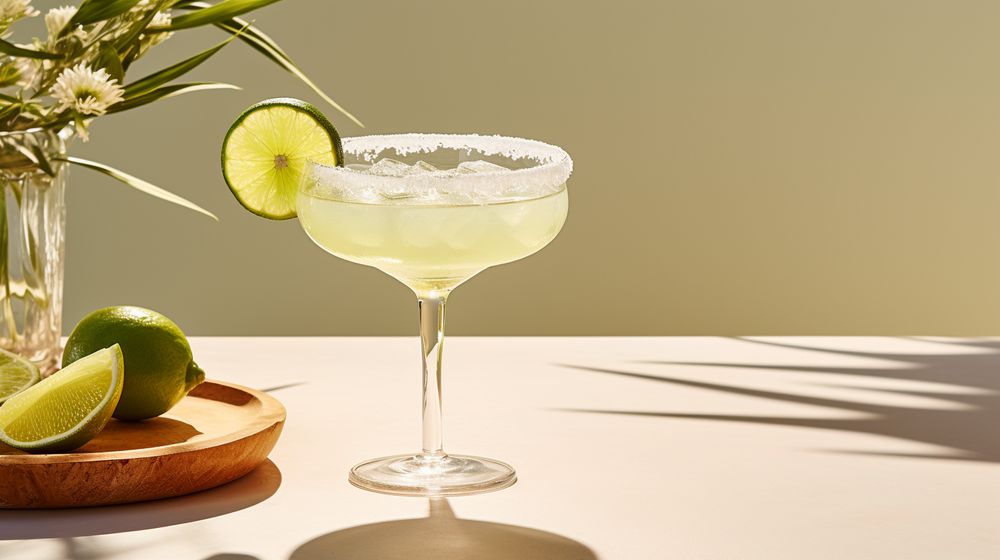
Visual Appeal: Elegant and minimalistic, often served with a lime wheel adding a splash of color.
Glassware and Barware: Traditionally in a highball glass, with ice and a stirring rod to mix the botanicals and effervescence.
Nutritional Information: Around 120-180 calories depending on the gin’s proof and the drink’s size.
Variations: Adaptable with different types of gin or by adding various garnishes like cucumber or herbs.
Complexity: Easy to make, with the complexity of the drink hinging on the gin’s botanical blend and quality of tonic.
Raspberry Gin and Tonic: A Fruity Twist on the Classic
The Raspberry Gin and Tonic adds a berry-infused vibrancy to the timeless Gin and Tonic, mixing gin with tonic water and lacing it with fresh raspberries and a squeeze of lime. This drink balances the juniper-forward flavor of gin with the tangy sweetness of raspberries, creating a refreshing and visually stunning cocktail. Popular in summer soirees and casual gatherings, its popularity is on the rise with those seeking a delightful variation of the classic.
Taste Profile: A refreshing berry twang meets the familiar bitter quinine from the tonic, producing a sweet yet tart sensation.
Key Ingredients: Quality gin and tonic water are elevated with fresh raspberries and a hint of lime for a zesty finish.
Alcohol Content: Similar to the classic, ranging around 10-20% ABV, offering a lighter, sessionable drinking experience.
Popularity: It’s a trendy twist that’s capturing hearts at garden parties and alfresco dining spots.
Origin: A modern spin on the traditional Gin and Tonic, this berry rendition has quickly made its way into the cocktail scene.
Primary Alcohol: The base spirit remains gin, with its botanicals harmoniously mingling with the sweet raspberries.
Preparation Time: Ready in a fizz, it takes no more than 2 minutes to stir up this lively libation.
Best Occasions: Perfect for picnics, brunches, or any moment that calls for a dash of color and refreshment.
Visual Appeal: Its vivid red hue, garnished with berries, is a feast for the eyes, promising a sip as delightful as it looks.
Glassware and Barware: Best served in a highball glass, with a bar spoon for the gentle incorporation of ingredients.
Nutritional Information: Contains approximately 140-180 calories per serving with an added fruity boost.
Variations: For an extra fruity kick, muddle the raspberries or try incorporating raspberry syrup or liqueur.
Complexity: An accessible cocktail for all, it delivers complex flavors with simple execution for enthusiasts to enjoy.
Conclusion
In the realm of refreshing libations, the classic Gin and Tonic stands as a beloved staple, especially for those who favor its crisp botanical notes. This timeless concoction of gin, tonic water, and a slice of lime caters to purists who appreciate the simplicity and balance in their glass. It’s a reliable go-to for social gatherings or a tranquil evening at home.
Conversely, the Raspberry Gin and Tonic introduces a fruity twist to the original. This variation, which infuses the tart and sweet nuances of raspberry, lends a playful burst of flavor and color to the mix. It’s a delightful choice for enthusiasts seeking an inventive spin on the traditional, without straying too far from the classic’s essence.
Enthusiasts, your choice hinges on whether you’re drawn to the straightforward elegance of the original or the innovative flair of its raspberry counterpart. For a crisp experience rooted in tradition, the original Gin and Tonic will not disappoint. If a touch of fruity vibrancy speaks to you, then savoring the Raspberry Gin and Tonic could be your next favorite pour.