Gin and Tonic vs Manhattan: A Deep Dive into Their Taste Profiles
Basic Tastes
| Gin and Tonic | Manhattan |
|---|---|
| Bitterness from tonic, slight sweetness from gin | Sweetness from vermouth, bitterness from whiskey |
Other Taste Profile Factors
- Aromas: Gin and Tonic features refreshing citrusy notes, while Manhattan carries a rich, oaky scent.
- Textures: Gin and Tonic is often crisp and light, whereas Manhattan has a more viscous, full-bodied texture.
- Temperature: Both cocktails are typically served cold, but Manhattans are often enjoyed a bit warmer, allowing the whiskey’s complexity to shine.
- Mouthfeel: Gin and Tonic is typically fizzy with a clean finish, while Manhattan offers a smooth, velvety experience.
- Aftertaste: Gin and Tonic leaves a clean, slightly bitter finish, while Manhattan lingers with a sweet, yet oaky aftertaste.
Considerations
“The balance in a Gin and Tonic comes from the interplay between the bitter tonic and the botanical gin, while the harmony in a Manhattan is achieved by the sweet vermouth softening the robust whiskey. In terms of complexity, the Manhattan usually wins due to the depth of whiskey flavors. However, the intensity can be equal depending on the gin’s botanicals in a Gin and Tonic. The contrast is clear, a Gin and Tonic is a refreshing, light cocktail, while a Manhattan is a richer, more complex drink.”
💡 While both cocktails have a place in a connoisseur’s repertoire, the Gin and Tonic is ideal for those who prefer lighter, more refreshing drinks, while the Manhattan caters to those who appreciate a deeper, more intricate flavor profile.
Gin and Tonic vs Manhattan: A Deep Dive into Barware and Glassware
Mixing & Preparation
In terms of preparation, both cocktails utilize a range of barware.
- Gin and Tonic: This cocktail is typically stirred in a mixing glass with a bar spoon and served over ice, which can be created with an ice crusher or molds.
- Manhattan: Mixed in a cocktail shaker and strained using a Hawthorne strainer, this cocktail is served “up” without ice.
Serving & Presentation
The glassware used for these cocktails plays a significant role in presentation.
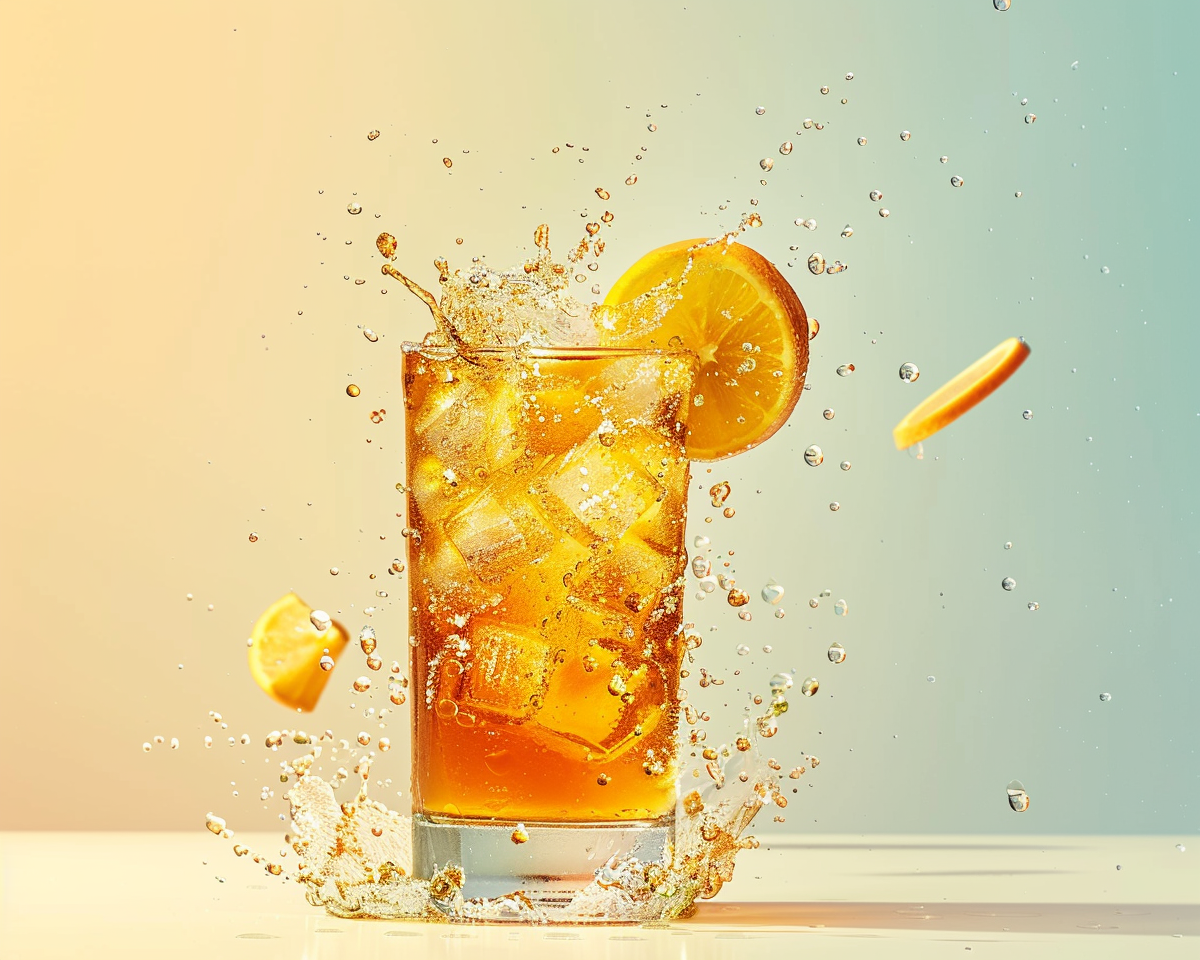
- Gin and Tonic: Traditionally served in a highball glass, the drink is garnished with a simple citrus wheel or wedge.
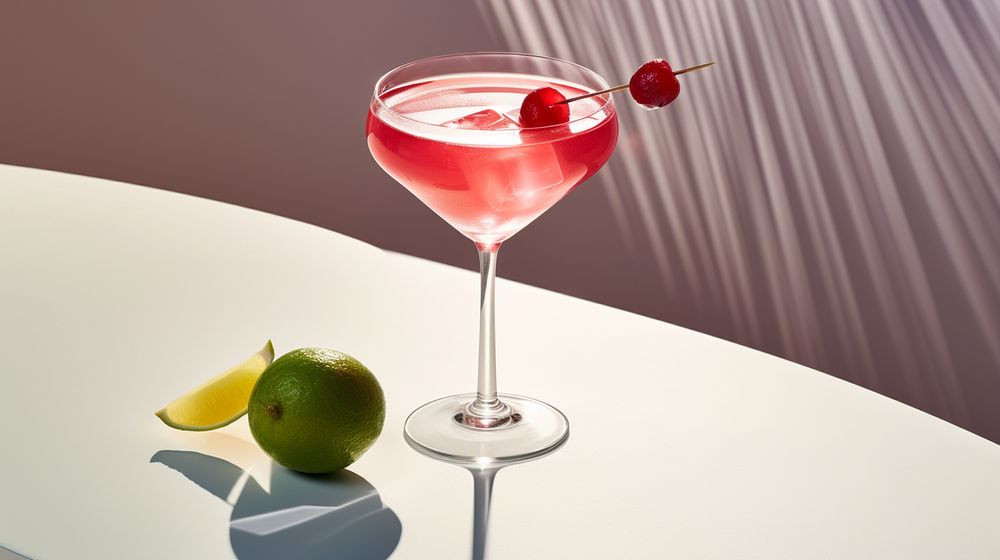
- Manhattan: Presented in a lowball or cocktail glass, it’s garnished with a cherry and an optional orange peel.
Storage & Organization
Both cocktails require tools for efficient organization and storage.
- Gin and Tonic: Requires a bottle opener for the tonic water, speed pourers for the gin, and ice bucket with tongs for ice storage.
- Manhattan: Needs a corkscrew for the vermouth, liquor pour spouts for the whiskey, and a bar mat for clean and organized workspace.
Garnishing & Fine Detailing
Proper garnishing takes these cocktails from good to great.
- Gin and Tonic: A cutting board and knife are needed for slicing citrus garnish, while a peeler or zester adds a touch of class.
- Manhattan: A citrus juicer and channel knife are essential for creating the optional orange peel garnish.
Preservation & Enhancement
These cocktails require different tools for enhancing flavor and preserving ingredients.
- Gin and Tonic: As a relatively simple cocktail, it doesn’t require sophisticated preservation tools.
- Manhattan: A decanter can be used to aerate the whiskey, enhancing its flavor. A wine preserver is helpful for storing vermouth after opening.
💡 Despite their different preparation and serving methods, both Gin and Tonic and Manhattan cocktails demand high-quality barware and glassware to ensure the best flavor and presentation.
Gin and Tonic vs Manhattan: A Versatility Showdown
Best Occasions for a Gin and Tonic
- Beach Day: A refreshing Gin and Tonic is the perfect seaside companion.
- Barbecue: This cocktail’s sharpness cuts through smoky flavors.
- Girls’ Night Out: The Gin and Tonic is a light, fun choice.
Best Occasions for a Manhattan
- Date Night: A Manhattan is an elegant and romantic choice.
- Corporate Parties: This classic, full-bodied cocktail exudes professionalism.
- Art Galas: A Manhattan matches the sophistication of a gallery event.
Seasonal Sipping
| Gin and Tonic | Manhattan |
|---|---|
| Spring and Summer: The Gin and Tonic’s refreshing nature suits warmer weather. | Autumn and Winter: A Manhattan’s warmth and complexity pairs well with colder seasons. |
Event Compatibility
Both cocktails have a wide appeal, but the Gin and Tonic’s crisp, light nature might be better suited to daytime, outdoor, or casual events. The Manhattan, on the other hand, with its depth and sophistication, seems more fitting for evening, indoor, or formal events.
💡 Did you know? While both cocktails are versatile, the Gin and Tonic can be customized with a variety of garnishes like cucumbers, citrus, or herbs, giving it an edge in adaptability for different occasions and tastes.
Gin and Tonic vs Manhattan: Ingredient Accessibility
Gin and Tonic Ingredients
Gathering the ingredients for a classic Gin and Tonic is a breeze. This cocktail primarily consists of:
- Gin
- Tonic water
- Lime or lemon for garnish
These are readily available in most supermarkets and liquor stores. With their popularity, even corner stores in urban areas might stock gin and tonic water.
Manhattan Ingredients
Manhattan, on the other hand, requires a bit more effort. Its ingredients include:
- Rye whiskey or bourbon
- Sweet vermouth
- Angostura bitters
- Maraschino cherry for garnish
While whiskey and sweet vermouth are typically easy to find, Angostura bitters might not be readily available in your local grocery store. You might need to visit a specialized liquor store or order it online.
“In terms of ingredient accessibility, the Gin and Tonic takes the win for its simplicity and availability. However, the Manhattan’s unique ingredients contribute to its rich flavor profile, making the extra effort worthwhile.”
💡 Although the Manhattan requires slightly more uncommon ingredients, this can be an exciting opportunity for cocktail enthusiasts to expand their home bar collection and their palate.
A Stir of Gin and Tonic vs Manhattan: Cocktail Variations
Gin and Tonic Variations
- Classic Gin and Tonic: A timeless cocktail featuring gin, tonic water, and a squeeze of fresh lime or lemon.
- Elderflower Gin and Tonic: Add a splash of Elderflower liqueur for a sweet and floral twist.
- Cucumber Gin and Tonic: Muddled cucumber gives this version a refreshing kick, perfect for summer.
Manhattan Variations
- Classic Manhattan: The original recipe calls for rye whiskey, sweet vermouth, and Angostura bitters, garnished with a maraschino cherry.
- Black Manhattan: Swapping out sweet vermouth for Averna, an Italian liqueur, gives this variation a rich, dark twist.
- Perfect Manhattan: This version balances sweet and dry vermouth for a more complex flavor profile.
| Gin and Tonic | Manhattan |
|---|---|
| Light and Refreshing | Rich and Bold |
| Typically served in a highball glass | Served in a cocktail or coupe glass |
Whether you prefer the light, refreshing flavors of a Gin and Tonic, or the bold, rich profiles of a Manhattan, there’s a cocktail variation out there for every palate.
💡 The Gin and Tonic has its roots in British colonial India, where the quinine in tonic water was used to combat malaria. The Manhattan, on the other hand, is a classic American cocktail, purportedly invented at New York’s Manhattan Club in the late 1800s.
Gin and Tonic vs Manhattan: A Cost Comparison
Cost of a Gin and Tonic
- Lower Brand Option: New Amsterdam Gin ($13-$20 per 750ml bottle). Paired with a standard tonic water like Schweppes ($1 per 1L bottle), your cost per cocktail would be around $1.5.
- Medium Brand Option: Tanqueray Gin ($20-$30 per 750ml bottle). Combined with a premium tonic such as Fever-Tree ($3 per 500ml bottle), the cost would be approximately $2.5 per cocktail.
- Higher Brand Option: Hendrick’s Gin ($30-$40 per 750ml bottle). Paired with an artisanal tonic like Q Tonic ($5 per 500ml bottle), each cocktail would cost about $4.
Cost of a Manhattan
- Lower Brand Option: Evan Williams Bourbon ($15-$20 per 750ml bottle) and Martini Rosso vermouth ($7 per 1L bottle). A dash of Angostura bitters ($10 per 100ml bottle) takes the total cost per cocktail to about $2.
- Medium Brand Option: Maker’s Mark Bourbon ($25-$35 per 750ml bottle), Dolin Rouge Vermouth ($15 per 750ml bottle), and Angostura bitters. This combination results in a cost of around $3.5 per cocktail.
- Higher Brand Option: Woodford Reserve Bourbon ($35-$45 per 750ml bottle), Carpano Antica Formula Vermouth ($30 per 1L bottle), and Angostura bitters. The total cost per cocktail is approximately $5.
Whether you’re opting for a Gin and Tonic or a Manhattan, your choice of brands can significantly affect the cost. However, even at the higher end, both cocktails remain under $5 per serve, making them affordable choices for most cocktail lovers.
💡 While the Gin and Tonic and Manhattan have similar cost ranges, the Gin and Tonic can be a slightly more cost-effective option, particularly when using lower and medium brand ingredients.
Gin and Tonic vs Manhattan: Prep & Mix Time Showdown
Total Preparation Time
- Gin and Tonic: 5 minutes
- Manhattan: 10 minutes
Mixing Time
- Gin and Tonic: 2 minutes
- Manhattan: 3 minutes
Complexity of Preparation
Gin and Tonic is an easy cocktail to prepare, while a Manhattan is of medium complexity.
Ingredient Preparation
- Gin and Tonic: Simply pour gin over ice and top with tonic.
- Manhattan: Stir whiskey, vermouth, and bitters with ice then strain into glass.
Mixing Technique
Gin and Tonic is a build cocktail, whereas Manhattan is a stirred cocktail.
Presentation
- Gin and Tonic: Served in a highball glass with a wedge of lime.
- Manhattan: Served in a cocktail glass with a cherry garnish.
Set up & Cleanup
- Gin and Tonic: Quick setup and easy cleanup.
- Manhattan: Requires more setup time and moderate cleanup.
Waiting Time
Both Gin and Tonic and Manhattan cocktails require no waiting time after mixing.
Expert Tips
- Gin and Tonic: Use a premium tonic to enhance the flavor.
- Manhattan: Use quality vermouth for a smoother taste.
💡 Despite the additional complexity and preparation time, the Manhattan offers a more sophisticated and layered flavor profile than the straightforward Gin and Tonic.
Mixology Hacks for the Perfect Blend: Gin and Tonic vs Manhattan
Muddling Right
For a Gin and Tonic, muddling is unnecessary. However, a Manhattan often requires muddling sweet vermouth, whiskey, and bitters together to release their intricate flavors.Ice Matters
Both cocktails require cold, fresh ice. A Gin and Tonic is best served with large ice cubes, while a Manhattan typically uses cracked ice.Shake vs Stir
Shaking is for a Gin and Tonic, stirring for a Manhattan. Stirring maintains the Manhattan’s clarity and texture.Balancing Act
While the Gin and Tonic relies on the balance between bitter tonic and herbal gin, the Manhattan requires a balance between the sweetness of vermouth and the strength of whiskey.Herb Infusion
Gin and Tonic can be infused with rosemary or basil for an extra kick. In contrast, a Manhattan doesn’t typically include herb infusions.Aromatic Bitters
A dash of bitters deepens the flavor profile of a Manhattan. A Gin and Tonic doesn’t usually require bitters.Smoke Effects
Smoke effects are uncommon in both cocktails but can add a unique twist to a Manhattan.Double Straining
Double straining is essential for a Manhattan to remove any small ice shards. It’s not necessary for a Gin and Tonic.Perfect Presentation
Gin and Tonic is usually garnished with a lime or lemon slice. A Manhattan is often adorned with a cherry.Glassware
A highball glass is perfect for a Gin and Tonic, while a Manhattan is typically served in a lowball glass.Garnish Game
Play up your Garnish Game by adding a citrus twist to your Gin and Tonic, while a Manhattan can be uplifted with a brandied cherry.Temperature
Both cocktails should be served cold, but a Gin and Tonic is often served over ice, while a Manhattan is strained into a chilled glass.Crafting Signature Cocktails at Home
With these hacks, crafting a Gin and Tonic or a Manhattan at home becomes a breeze.Mixology Techniques for Beginners
Shaking a Gin and Tonic or stirring a Manhattan are great ways to start your mixology journey.How to Balance Flavors in a Cocktail
Balancing the bitterness of tonic and gin in a Gin and Tonic or the sweetness of vermouth and whiskey in a Manhattan is key.Clarified Cocktails
Clarification isn’t necessary for either cocktail, but can add a professional touch to your Manhattan.Dehydrated Garnish
While not common, a dehydrated citrus garnish can add a unique touch to your Gin and Tonic.Freeze & Squeeze
Freezing your garnishes for the Gin and Tonic can enhance the flavor, while a Manhattan benefits from a freshly squeezed twist.💡 While both cocktails have their unique preparation techniques, mastering these hacks can help you create a signature version of your own. Experimenting with garnishes, infusions, and presentation can add a personal touch to these classic cocktails.
Gin and Tonic vs Manhattan: A Dive into Alcohol Content
Gin and Tonic
Beloved by many for its refreshing taste, the classic Gin and Tonic cocktail typically contains between 7.5% to 15% ABV (Alcohol By Volume), depending on your gin strength and ratio of tonic water.
Manhattan
On the other hand, we have the Manhattan. A timeless classic cocktail with a robust flavor profile, it boasts a higher alcohol content, ranging between 30% to 35% ABV, due to its combination of whiskey, sweet vermouth, and bitters.
Alcohol-Free Alternatives
Not a fan of alcohol but still want to join the fun? Here are some mocktail versions for both.
- Gin and Tonic: Replace the gin with a non-alcoholic spirit, such as Seedlip Garden 108, and top with tonic water.
- Manhattan: Use a non-alcoholic whiskey alternative, like Lyre’s American Malt, mixed with alcohol-free red vermouth and bitters.
💡 While both cocktails have their unique charm, it’s important to note that the Manhattan is significantly stronger than the Gin and Tonic due to its higher alcohol content. So, if you’re looking for a lighter option or if you’re new to the cocktail world, the Gin and Tonic might be more up your alley.
Gin and Tonic vs Manhattan: A Nutritional Face-off
Caloric Intake
A standard Gin and Tonic contains approximately 150 calories, whereas a Manhattan cocktail has around 160 calories.
Spirits, Mixers, and Sugar Content
The Gin and Tonic is made with gin and tonic water, with a sugar content of around 15g. The Manhattan, on the other hand, is a blend of whiskey, vermouth, and bitters, containing roughly 2g of sugar.
Protein, Fats, and Carbohydrates
Both cocktails contain negligible amounts of protein and fats. The Gin and Tonic has about 16g carbohydrates, while the Manhattan has less than 1g.
Vitamins, Minerals, and Other Factors
The Gin and Tonic gets a slight edge on vitamins and minerals, thanks to the citrus garnish often added. Both cocktails contain alcohol, which can have a diuretic effect.
Allergens, Gluten, and Sodium
Unless gluten-free spirits are used, both cocktails may contain gluten. The sodium content is generally low in both.
Low-Calorie, Sugar-Free, and Gluten-Free Alternatives
For a lower-calorie option, choose a gin and tonic with diet tonic water. A sugar-free Manhattan can be made using sugar-free sweet vermouth. Both cocktails can be made gluten-free with the use of appropriate spirits.
💡 Despite their different flavor profiles, the Gin and Tonic and Manhattan cocktails have surprisingly similar nutritional values. However, the Gin and Tonic pulls ahead slightly with its lower sugar content and higher vitamin and mineral content from its citrus garnish.
High Quality Facts: Gin and Tonic vs Manhattan
Ingredients Comparison
- Gin and Tonic: Typically, a Gin and Tonic cocktail is made with gin and tonic water, garnished with a slice of lime or lemon.
- Manhattan: A traditional Manhattan is stirred with rye whiskey, sweet vermouth, and a dash of Angostura bitters, garnished with a cherry.
Flavor Profiles
| Gin and Tonic | Manhattan |
|---|---|
| Light, refreshing with a hint of citrus | Strong, robust with a sweet and bitter balance |
Origin and Popularity
While the Gin and Tonic traces its roots back to colonial India and is a global favorite, the Manhattan originated in New York City and is more popular in the United States.
Best Time to Enjoy
- Gin and Tonic: Ideal for a hot summer day or as an appetizer before meals.
- Manhattan: Perfect for colder months and as an after-dinner drink.
💡 Though both these cocktails have contrasting flavors and origins, their quality significantly depends on the quality of the spirits used. For a superior Gin and Tonic, opt for a high-quality gin with a distinct botanical profile. For a refined Manhattan, choose a top-tier rye whiskey with a rich, robust flavor. Remember, the quality of your cocktail is directly proportional to the quality of your ingredients.
Gin and Tonic vs Manhattan: A Deep Dive Into Two Classic Cocktails
What are the main ingredients in a Gin and Tonic and a Manhattan?
A classic Gin and Tonic consists of gin, tonic water, and a slice of lime or lemon. On the other hand, a Manhattan is made with whiskey (usually rye), sweet vermouth, a dash of Angostura bitters, and a cherry for garnish.
How are these cocktails prepared?
Preparing a Gin and Tonic involves filling a glass with ice, adding gin, and then topping it with tonic water. A slice of lime or lemon is usually added as garnish. A Manhattan, however, is stirred with ice in a mixing glass until it’s well-chilled. It’s then strained into a chilled cocktail glass and garnished with a cherry.
Which alcohol brands are best for these cocktails?
For a Gin and Tonic, London Dry gins like Beefeater and Tanqueray are often recommended. For a Manhattan, rye whiskeys such as Rittenhouse or Old Overholt are popular choices.
What barware and glassware are needed?
A Gin and Tonic is usually served in a highball glass, while a Manhattan is traditionally presented in a cocktail or martini glass. For barware, you’ll need a mixing glass and a bar spoon for the Manhattan, and a stirrer for the Gin and Tonic.
What food pairings work well with these cocktails?
A Gin and Tonic pairs wonderfully with seafood, particularly oysters and calamari. A Manhattan, with its robust and sweet flavor, goes well with rich foods like steak or chocolate desserts.
How are these cocktails visually presented?
A Gin and Tonic is often served with a wedge of lime or lemon on the rim of the glass, while a Manhattan is typically garnished with a cherry and sometimes an orange twist.
What is the nutritional information for these cocktails?
A standard Gin and Tonic has around 120 calories and no allergens, while a Manhattan has approximately 150 calories. Both are gluten-free if made with specific brands of alcohol, but always check the labels if you have a gluten allergy.
How much does it cost to make these cocktails?
The cost varies depending on the brands of alcohol used, but on average, you can expect to spend about $2 for a Gin and Tonic and $3 for a Manhattan at home.
What is the alcohol content (ABV percentage) of these cocktails?
The ABV of a Gin and Tonic is around 7.7%, while a Manhattan is significantly stronger at about 30%.
Unique Insight: Despite their different ingredients and preparation methods, both the Gin and Tonic and the Manhattan originated in the 19th century and have remained popular due to their balance of flavors and easy-to-find ingredients.