Key Takeaways
- Perfect Your Chickpea Blend: Master the art of creating creamy and smooth hummus with just the right balance of ingredients.
- Ingredient Selection Matters: Select top-notch chickpeas and tahini for a rich taste and authentic hummus experience.
- Creative Flavor Twists: Experiment with various additions like roasted garlic or red peppers to elevate your hummus.
Hummus Recipe
| Complexity | Preparation | Yield |
|---|---|---|
| Simple | 10 minutes | 4 servings |
- Step 1: Prepare Chickpeas Rinse 400 ml (1 can / 14 oz) of chickpeas under cold water. For an even creamier hummus, if you have time, gently remove the skins from the chickpeas.
- Step 2: Blend Ingredients In a food processor, combine the chickpeas, 60 ml (¼ cup / 2 oz) of tahini, 30 ml (2 tablespoons / 1 oz) of lemon juice, 2 cloves of garlic, 30 ml (2 tablespoons / 1 oz) of olive oil, 2 g (½ teaspoon) of ground cumin, and 5 g (1 teaspoon) of salt. Process until the mixture is smooth.
- Step 3: Adjust Consistency Check the consistency of the hummus; if it’s thicker than desired, slowly add 30 ml (2 tablespoons / 1 oz) of water while the processor is running until you reach the perfect smoothness.
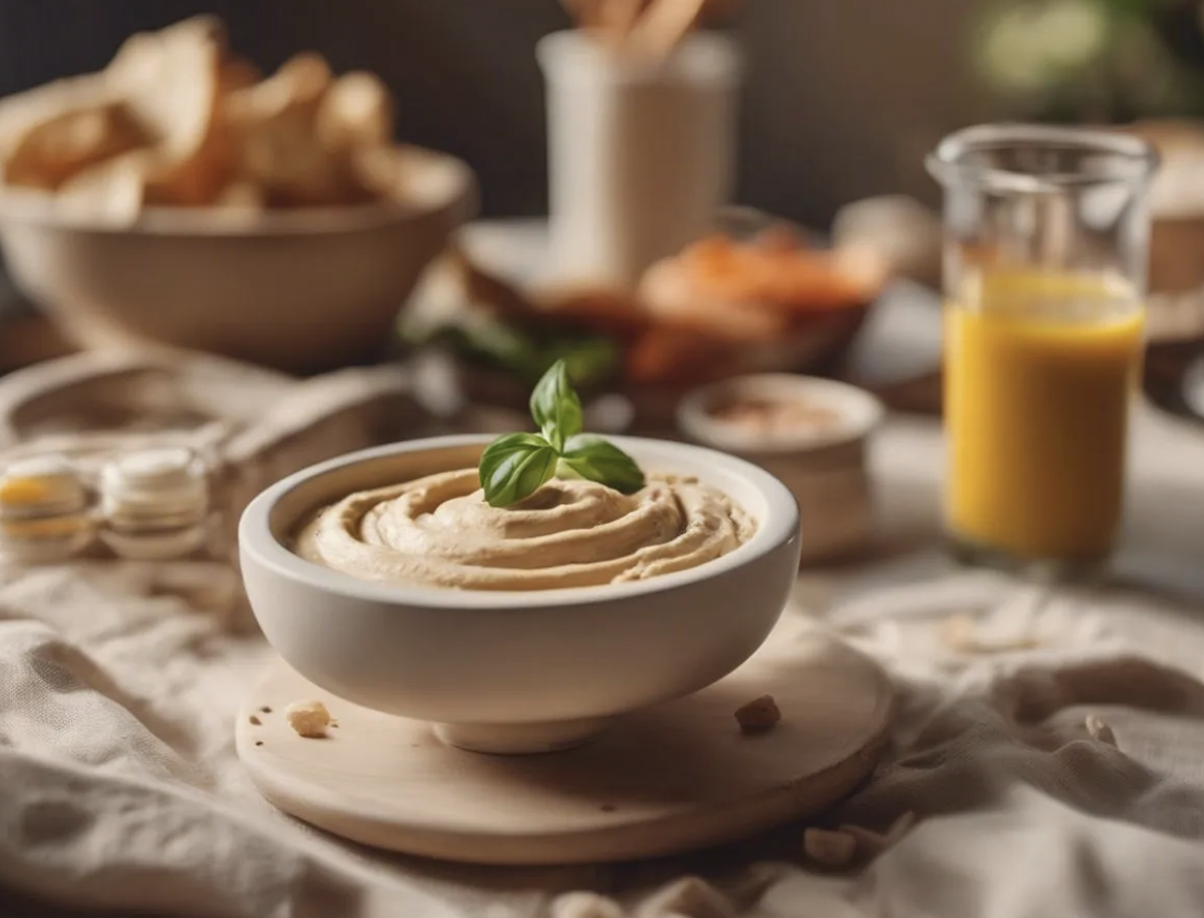
- Step 4: Serve and Garnish Transfer the hummus to a serving bowl. Drizzle with a little extra olive oil, sprinkle with 2 g (½ teaspoon) of paprika, and garnish with chopped parsley if you like. Enjoy your hummus with fresh veggies, warm pita bread, or as a flavorful spread.
Hummus Ingredients
- Chickpeas: 400 ml (1 can / 14 oz) – the base for a creamy texture.
- Tahini: 60 ml (¼ cup / 2 oz) – delivers a rich, nutty flavor.
- Lemon juice: 30 ml (2 tablespoons / 1 oz) – adds a fresh zesty kick.
- Garlic: 2 cloves – for a pungent yet aromatic edge.
- Olive oil: 30 ml (2 tablespoons / 1 oz) – provides smoothness and taste.
- Cumin: 2 g (½ teaspoon) – earthiness that complements the chickpeas.
- Salt: 5 g (1 teaspoon) – enhances all other flavors.
- Water: 30 ml (2 tablespoons / 1 oz) – adjusts the consistency.
- Paprika: 2 g (½ teaspoon) – for garnish and a hint of smokiness (optional).
- Parsley: A small bunch, chopped – for a garnish that adds color and freshness (optional).
Hummus Snack Crafting Techniques
Delight in the art of snack creation with a classic Mediterranean staple—hummus. By employing revered chef techniques, heighten not only the flavor but the entire snacking experience. A well-prepared hummus can serve as a nutritious and delectable centerpiece at any gathering—let’s refine your hummus-making skills with these professional tips.
- Balancing the Base: The foundation of a superb hummus lies in the balance of its key ingredients: cooked chickpeas, tahini, lemon juice, and garlic. Strive for harmony, starting with quality chickpeas softened to perfection, which contribute to the creaminess. Next, integrate tahini in a 1:1 ratio with the cooked chickpeas for that velvety texture, enhancing the nuttiness. Remember, the freshness of lemon juice not only brings zest but also cuts through the richness, so squeeze it in to taste. Similarly, garlic intensity should be tailored; raw for a fiery kick or roasted for mellow sweetness. A pinch of salt brings all flavors to life.
- The Emulsification Process: Implementing a technique often reserved for dressings and sauces, emulsify your hummus to achieve the most luscious consistency. Begin by processing the tahini and lemon juice together for about 30 seconds at high speed until the mixture is whipped and increased in volume—this initial step is crucial. Then, gradually add in the chickpeas, and any additional ingredients (such as roasted red peppers) in stages, ensuring each is smoothly blended before introducing the next. Add a trickle of ice-cold water if necessary to facilitate blending and enhance the silkiness, continuing until your hummus reaches a heavenly smooth and aerated texture.
- Layering Flavors with Toppings: Experts know that the mark of a memorable hummus often rests within its final presentation — the toppings. Sprinkle with a generous amount of quality extra-virgin olive oil, both for its heart-healthy properties and its ability to carry other flavors. Then, enhance with a dusting of paprika or sumac for a pop of color and a subtle warmth. Elevate with toasted pine nuts or a handful of fresh, chopped parsley for texture and freshness. For a personalized touch, consider a drizzle of pomegranate molasses or a sprinkle of za’atar—these finishing elements are your chance to impart character and uniqueness to each hummus serving.
Best Hummus Pairings
- Grilled Pita Bread: The subtle char and warmth of lightly grilled pita bread complement the creamy texture of hummus wonderfully. This pairing is a classic and offers both a delightful contrast in textures as well as a neutral canvas for the rich, nutty flavor of the hummus to shine through.
- Crunchy Vegetable Sticks: For a refreshing and healthy option, match hummus with a selection of vegetable sticks. Carrots, cucumbers, and bell peppers are not only colorful but also provide a satisfying crunch and a boost of vitamins. The cool freshness of the vegetables balances the earthiness of the hummus, making this a nutritious and fiber-rich choice.
- Spicy Lamb: For a more indulgent experience, top hummus with warm, spicy lamb. The spices enrich the hummus’ flavor profile, while the savory juices from the lamb meld with the creamy dip to create a luxurious texture and a multi-layered taste experience. This pairing is sure to please those who enjoy a heartier accompaniment with their hummus.
Popular Variations of Hummus
- Beetroot Hummus: For those looking to add a pop of color and a sweet, earthy flavor to their hummus, beetroot hummus is a radiant choice. Infusing the classic chickpea spread with the vibrant ruby-red tones of roasted beets, this version is as visually appealing as it is delicious. Along with the traditional ingredients like tahini, garlic, and lemon juice, pureed roasted beets are blended into the mixture, offering a slightly sweeter taste and a nutrient boost. This variation pairs exceptionally well with crudités or as a vibrant spread for sandwiches.
- Avocado Hummus: Marrying the rich, creamy texture of avocados with the traditional Middle Eastern hummus yields a heart-healthy powerhouse rich in monounsaturated fats. Avocado hummus is perfect for those who crave a buttery version of the classic dip. This green-hued variation incorporates ripe avocados, contributing not only to a creamier texture but also imparting a subtle, nuanced flavor. It’s a fantastic option for an energy-boosting snack or as a satisfying addition to a meal, best served with warm pita bread or tortilla chips.
- Spicy Hummus: Heat seekers can rejoice with a spicy hummus that turns up the temperature on the traditional blend. This fiery rendition typically includes ingredients like hot peppers, red pepper flakes, or a dash of cayenne. While keeping the standard elements like chickpeas, tahini, and olive oil, this hot variant delivers a kick that pairs wonderfully with refreshing vegetables or as a dynamic spread in wraps.
- Roasted Red Pepper Hummus: For a sweet and smoky twist, roasted red pepper hummus offers a flavor profile that stands out from the classic. Here, the addition of succulent roasted red peppers blends seamlessly with the nutty base, creating a harmonious balance. The peppers not only contribute a smokiness and sweetness but also make the hummus even more nutrient-dense. This version excels as a dip for freshly baked flatbreads or as a flavorful condiment for burgers and sandwiches.
- Black Bean Hummus: Venturing outside traditional chickpea boundaries, black bean hummus provides an exciting change with a Southwestern twist. This variation swaps out chickpeas for black beans and often includes added flavors like lime juice, cilantro, and cumin. Offering a distinctively different taste and texture, it’s a beloved alternative for those eager to explore beyond the classic hummus profile. Black bean hummus works wonderfully as a dip for nachos or as a spread that adds depth to veggie burritos and quesadillas.
Each of these hummus variations presents a unique twist on the beloved classic, offering an array of flavors and textures that cater to a wide range of palates. Whether you’re seeking to add new dimensions to your culinary repertoire or simply looking to enliven your snack game, exploring these popular hummus variations will surely satisfy your taste buds and provide nutritious, flavorful options for any eating occasion.
Frequently Asked Questions about Hummus
What exactly is hummus?
Hummus is a creamy, thick spread made primarily from mashed chickpeas and a combination of ingredients like tahini, olive oil, lemon juice, garlic, and salt. It’s a staple in Middle Eastern and Mediterranean diets.
Where did hummus originate?
Hummus has roots in the Middle East with historical mentions dating back to 13th century Egypt. It’s a common dish in various Middle Eastern and Mediterranean countries, each claiming their unique twist on the recipe.
What is tahini, and why is it important in hummus?
Tahini is a paste made from ground sesame seeds. It’s crucial in hummus for its rich, nutty flavor and smooth texture, helping to emulsify and bind the ingredients.
How do you make traditional hummus?
Traditional hummus is made by blending cooked, mashed chickpeas with tahini, olive oil, lemon juice, garlic, and salt until smooth. For a more authentic taste, some add a pinch of ground cumin or paprika.
Is hummus healthy?
Hummus is rich in protein, fiber, healthy fats, and various vitamins and minerals. It’s often recommended as a part of a balanced diet.
Can hummus be used as a meal?
While hummus is typically served as a dip or spread, It can be a part of a meal when paired with vegetables, bread, or incorporated into a grain bowl or salad.
What variations of hummus are there?
There are countless variations, including roasted red pepper, beet, pumpkin, avocado, and black bean hummus. Experimenting with additional ingredients can add a unique flavor profile.
How do you serve hummus?
Hummus is often served at room temperature, drizzled with olive oil, and sometimes topped with herbs, spices, or chickpeas. It’s typically accompanied by pita bread, raw veggies, or as part of a mezze platter.
What is the optimal consistency for hummus?
The perfect hummus is creamy and smooth without being too runny or thick. This can be achieved by adjusting the amount of tahini and olive oil during preparation.
How long does homemade hummus last in the fridge?
Homemade hummus can last in the fridge for up to a week when stored in an airtight container.
Can you freeze hummus?
Yes, hummus can be frozen for up to four months. It’s best to leave a little space in the container for expansion.
Why do some people remove the skins from chickpeas when making hummus?
Removing the skins from chickpeas can make the hummus even smoother and more creamy, but it’s not a necessary step for a delicious spread.
Is it possible to make hummus without a food processor?
Yes, hummus can be made with a mortar and pestle or a high-powered blender, though the texture may vary slightly.
What can you use in place of tahini in hummus?
In a pinch, you can use a nut butter like almond or cashew butter as a tahini substitute, though the flavor profile will change.
Is hummus gluten-free?
Traditional hummus is gluten-free as it doesn’t contain any wheat or gluten-containing ingredients.
Is hummus vegan?
Yes, classic hummus is vegan. It contains no animal products and is suitable for a plant-based diet.
How can you tell if hummus has gone bad?
If hummus has an off smell, a change in color, or visible mold, it’s time to toss it. It may also have a sour taste.
Can hummus help with weight management?
Hummus can be part of a weight management plan since it’s high in protein and fiber, which can promote a feeling of fullness.
What role does lemon juice play in hummus?
Lemon juice adds a refreshing zest and acidity to balance the flavors in hummus, as well as helping to preserve it.
Why is olive oil drizzled on top of hummus?
Drizzling olive oil on top adds to the flavor, creates a richer texture, and helps to keep the surface moist.
Are there any allergens in hummus?
People with sesame allergies should be cautious due to the tahini in hummus. Otherwise, hummus is relatively allergen-friendly.
What’s the best way to incorporate hummus into a diet?
Add hummus to sandwiches, wraps, salads, or use it as a base for protein dishes. Mixing it into your diet can be an enjoyable and heart-healthy choice.
Can you make hummus without chickpeas?
While chickpeas are the traditional base, you can use other legumes like white beans or lentils to create a similar spread.
What are the nutritional benefits of chickpeas in hummus?
Chickpeas are an excellent source of protein, fibers, folate, and iron, which contribute to various health benefits and make hummus a nutritious choice.
How can hummus be flavored without adding sodium?
Enhance the flavor of hummus with fresh herbs, spices, lemon juice, or garlic instead of relying on added salt.
What bread pairs well with hummus?
Traditional pita bread is an excellent pairing, but whole grain breads, crackers, or baguettes can also complement the rich flavors of hummus.