A Glimpse into the Alluring World of Korean Cocktails
The Unique Role of Korean Cocktails in Mixology
In the intricate world of mixology, Korean cocktails stand remarkably due to their unique integration of traditional Korean spirits, like Soju and Makgeolli, and innovative flavors, that transcends the boundaries of classic mixology. Celebrated for their distinct taste and character, these cocktails offer an exotic ride to the palate💡.
Unveiling the Origins of Korean Cocktails
Historically rooted in the royals and rituals, Korean cocktails trace back to the time when the first distilled liquor ‘Soju’ was introduced in the Goryeo dynasty (918-1392). These cocktails, often brimming with flavors of fruits and herbs, have evolved over time yet managed to retain their authentic Korean essence.
Why Korean Cocktails are a Cultural Representation
- Intermingling of Tradition and Innovation: Korean cocktails showcase a unique fusion of traditional Korean alcohols and inventive mixology techniques, symbolizing Korea’s journey from the past to the future.
- Expressing Regional Diversity: Korea’s distinct regional spirits get beautifully represented in their cocktail variants, conveying the cultural diversity of the nation.
- Connection to Gastronomy: Considered ideal pairings for Korean cuisine, these cocktails subtly complement the country’s rich food culture.
5 Popular Korean Cocktails You Must Try
-
Soju Bomb (SoMek)
Soju Bomb, also known as SoMek, is a boozy marriage between Soju (Korean rice wine) and MaekJu (Beer). This cocktail is prepared by dropping a shot glass of Soju into a pint of beer and drinking it in one go. The explosive fusion of beer and Soju creates a refreshing and fizzy taste unique to the Soju Bomb.
🍸 Pro Tip: The traditional way to enjoy SoMek involves chanting “one shot” before downing the drink.
✨ Taste Profile: A fizzy, refreshing and light-bodied mix with a slightly sweet aftertaste.
🍴 Snack Pairing: Pairs amazingly well with Korean fried chicken or seafood pancakes.
🥃 Glassware tip: Serve it in the traditional Korean “bomb” glass set to enhance the presentation.
-
Yuja-Cha Soju (Yuja Soju)
Yuja Soju is a delightful concoction that blends the citrusy goodness of Yuja-Cha (Citron tea) and Soju. The cocktail is made by infusing Soju with Yuja-Cha, resulting in a sweet and sour cocktail with a distinct citrusy aroma. This syrupy cocktail is perfect for those who prefer softer, sweeter drinks.
🍸 Pro Tip: Add a slice of lemon or lime for an extra citric kick.
✨ Taste Profile: A sweet, sour, and refreshing cocktail with a strong citrus aroma.
🍴 Snack Pairing: Complements spicy Korean dishes like Tteokbokki or spicy Korean BBQ.
🥃 Glassware tip: Serve it in a tall, slim glass to maximize the infusion process.
-
Makgeolli Cocktail
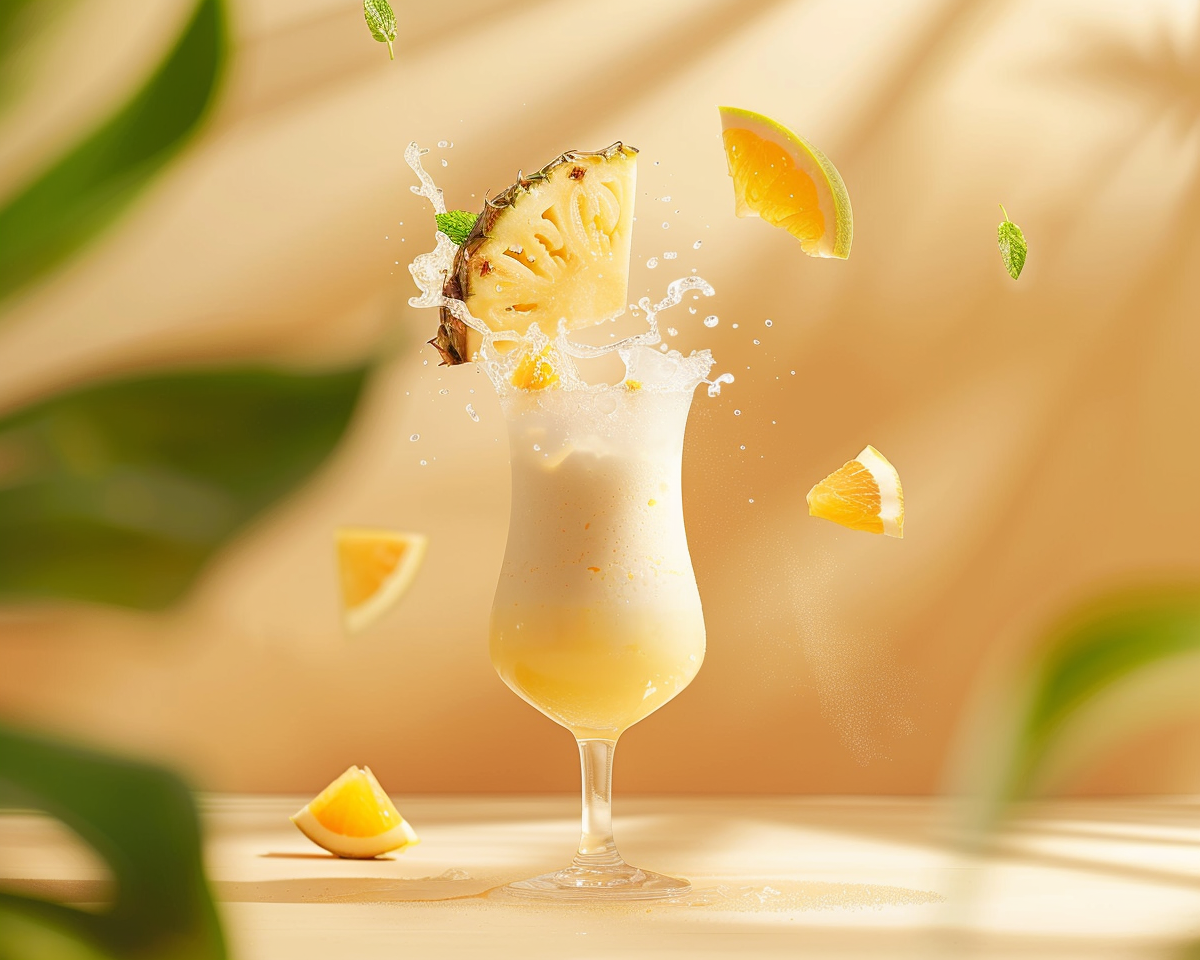
This traditional Korean cocktail uses Makgeolli, a milky, slightly sweet raw rice wine. Mixed with fresh fruits or juices, the Makgeolli cocktail offers a unique way to savor Korea’s oldest liquor. The fruity sweetness of this cocktail balances out the tartness of Makgeolli, leading to a well-rounded drinking experience.
🍸 Pro Tip: Add seasonal fruits to customize the flavor profile.
✨ Taste Profile: A slightly creamy, sweet and tart cocktail with fruity notes.
🍴 Snack Pairing: Goes well with traditional Korean dishes like Kimchi pancakes.
🥃 Glassware tip: Use a traditional Korean bowl to highlight the drink’s cultural heritage.
-
Bokbunja-Raspberry Wine
Bokbunja is a popular Korean raspberry wine. Its rich, sweet flavor, coupled with the tartness of the raspberries, make it a unique cocktail that is ideal for both beginners and wine connoisseurs. The raspberry’s aromatic potency gives this drink its characteristic depth and complexity.
🍸 Pro Tip: Serve chilled for a refreshing drink.
✨ Taste Profile: A sweet, tart and robust cocktail with strong raspberry notes.
🍴 Snack Pairing: Best paired with chocolate-based desserts or mild cheeses.
🥃 Glassware tip: Ideally served in a wine glass to let the flavors and aromas develop.
-
Subak Soju (Watermelon Soju)
Subak Soju is a summer staple cocktail in Korea. It involves hollowing out a watermelon and mixing its juice with Soju. The result is a refreshing and light cocktail with the sw sweetness of the watermelon juice balancing the potency of Soju — the ultimate choice for a hot summer day.
🍸 Pro Tip: For an icy twist, freeze the watermelon juice before mixing with Soju.
✨ Taste Profile: A refreshing, mildly sweet and smooth cocktail with dominant watermelon notes.
🍴 Snack Pairing: Great with light and crispy snacks like rice crackers or fresh fruit.
🥃 Glassware tip: Serve in the hollowed-out watermelon for a fun and festive look.
3 Tasty Korean Mocktails (Non-Alcoholic Alternatives)
-
Soju Sunrise
Soju Sunrise is a delightful non-alcoholic take on the famous Korean spirit: Soju. Traditionally, this drink is brewed and served with a blend of pure orange juice and grenadine. The sweet and sour citrus accent perfectly complements the refreshing grenadine, giving it a unique, multi-dimensional taste. This drink is best enjoyed on hot summer days or as a brunch companion.
🍸 Pro Tip: For added presentation and taste, garnish with a slice of fresh orange or cherry.
✨ Taste Profile: Sweet, tangy, and refreshingly crisp.
🍴 Snack Pairing: Pairs well with light snacks like Tteokbokki (stir-fried rice cakes).
🥃 Glassware Tip: Serve in a tall glass to enhance the layering effect.
-
Citrus Honey Tea Mocktail
Consisting of a traditional Korean tea infusion called Yujacha mixed with honey and sparkling water, the Citrus Honey Tea Mocktail is a soothing yet exciting blend. Typically enjoyed during winter or when under the weather, this aromatic drink brings warmth and comfort. The fusion of refreshing citrus and the sweetness of honey provides a uniquely Korean taste experience.
🍸 Pro Tip: Add a sprig of mint for a pop of color and a burst of freshness.
✨ Taste Profile: Bright citrus notes, subtly sweet with a warm undertone.
🍴 Snack Pairing: Best enjoyed with traditional Korean sweets like Yakgwa (honey cookies).
🥃 Glassware Tip: Using a tea glass or transparent mug allows the beautiful amber color to shine.
-
Mulberry Lemonade
Mulberry Lemonade offers an exceptional taste experience highlighting the unique flavors of Korean mulberries. This delightful mix of mulberry syrup, fresh lemon juice, and soda water creates an enchanting, blooming, and invigorating mocktail. Its balance of sweet and sour notes makes it the perfect companion to a warm spring evening.
🍸 Pro Tip: Garnish with a tiny sprig of rosemary to bring an earthy aroma.
✨ Taste Profile: Refreshing with a subtle balance of sour and sweet flavors.
🍴 Snack Pairing: Try with a side dish of Oven-baked seaweed chips for contrasting tastes.
🥃 Glassware Tip: Serving in a mason jar adds a charming and rustic touch to the presentation.
A Seasonal Korean Cocktail Experience
Dive into the exciting world of Korean cocktails and discover how every season can be enriched with the perfect mix. Indulge in traditionally inspired concoctions and the latest cocktail trends from Korea that perfectly match the seasonal vibe.
| Season | Cocktail Name | Main Ingredients | Recommendations |
|---|---|---|---|
| Winter | Soju Hot Toddy | Soju, Honey, Lemon Juice, Hot Water | Savor this cocktail on a cold winter night. Its warmth is perfect for cozy evenings indoors. |
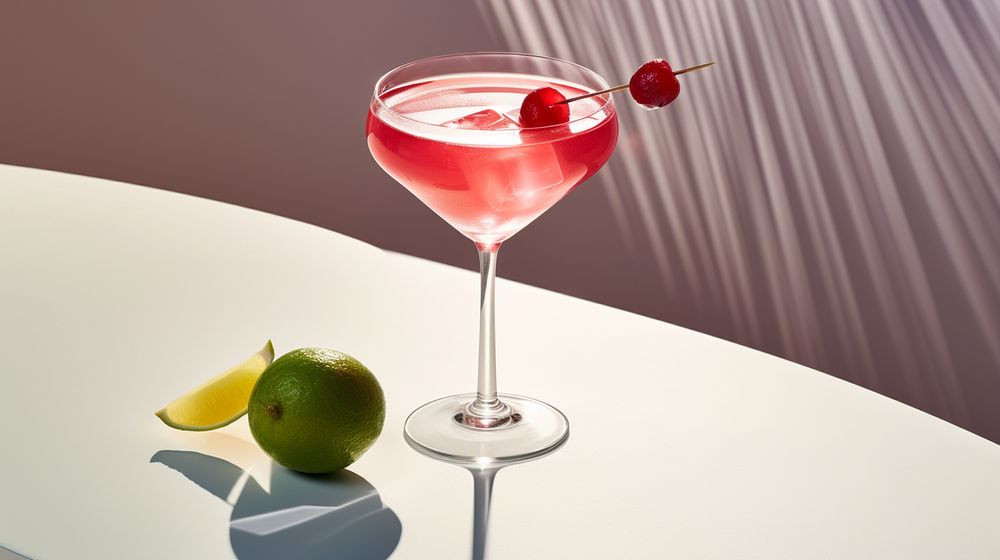
| Spring | Cherry Blossom Martini | Soju, Cherry Juice, Simple Syrup, Lemon Juice | This refreshing, floral martini is perfect for picnics under blooming cherry blossoms. |
| Summer | Watermelon Soju Cooler | Soju, Fresh Watermelon, Lime Juice | Enjoy this sweet, tangy and hydrating cocktail while chilling at a summer beach or pool party. |
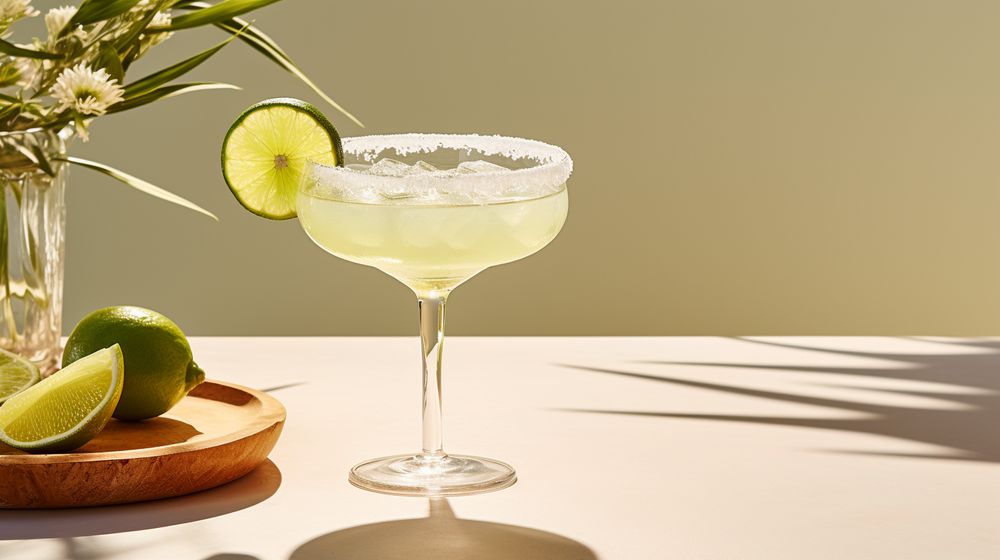
| Fall | Persimmon Margarita | Tequila, Persimmon Puree, Lime Juice, Ginger Syrup | This fruity, spicy cocktail is ideal for autumn nights. Pair it with a spicy Korean BBQ for a fantastic culinary experience. |
Experience the rich, extraordinary fusion of traditional Korean flavors and modern mixology in every season. Enjoy responsibly!
Unveiling the Secret Savor of Korean Cocktails: The Unique Ingredient
Dive into the intriguing world of Korean mixology, a stage where conventional ingredients take on thrilling new roles, ultramodern blends meet tradition, and every sip is a taste adventure! Let’s explore the secret stars behind the scenes – the unique ingredients of Korean cocktails.
Soju: The Soul of Korean Cocktails
Soju, a clear, vodka-like drink, is the core of many Korean cocktails. Considered the national drink of Korea, Soju is often used as a base for cocktails, providing a clean, crisp, and slightly sweet palate that plays well with a diverse range of ingredients.
Makgeolli: The Creamy Contrast
With its sweet and tangy flavor and creamy texture, Makgeolli offers an intriguing contrast in texture and taste when mixed into cocktails. Made from fermented rice, it lends a light effervescence to cocktails, upping the fun factor and versatility.
Korean Pears: The Sweetness Agent
Korean pears, another popular ingredient, add a natural sweetness to Korean cocktails. Known for their juicy and crisp texture, these pears are often used in cocktails to balance the richness of heartier ingredients and bring a fresh, fruity note.
Honey Yuzu Tea: The Flavor Booster
Honey Yuzu tea, known for its robust citrus punch and delicate sweetness, is a secret weapon in the art of Korean cocktail crafting. This slightly tangy, sweet concentrate enhances flavor profiles while balancing the strength of spirits.
💡 Pipes up! One might assume that these diverse ingredients might clash, but Korean mixology has mastered the art of balance, yielding harmonious yet bold flavor profiles. Hence, these ingredients work together to elevate Korean cocktails into an experience of tasting the tradition and modern mixology in every sip.