Taste Profile: Long Island Iced Tea vs Piña Colada
Basic Tastes
- Long Island Iced Tea: A complex blend of sourness from the lemon juice, sweetness from the cola, and bitterness from the mix of spirits. There’s no discernible saltiness or umami.
- Piña Colada: Dominantly sweet due to the pineapple juice and coconut cream. The rum adds a slight bitterness, while the absence of sourness, saltiness, and umami is noticeable.
Other Taste Profile Factors
- Long Island Iced Tea: The drink has a fizzy texture from cola, a cool temperature, and a strong alcoholic aftertaste. The aroma is predominantly citrusy.
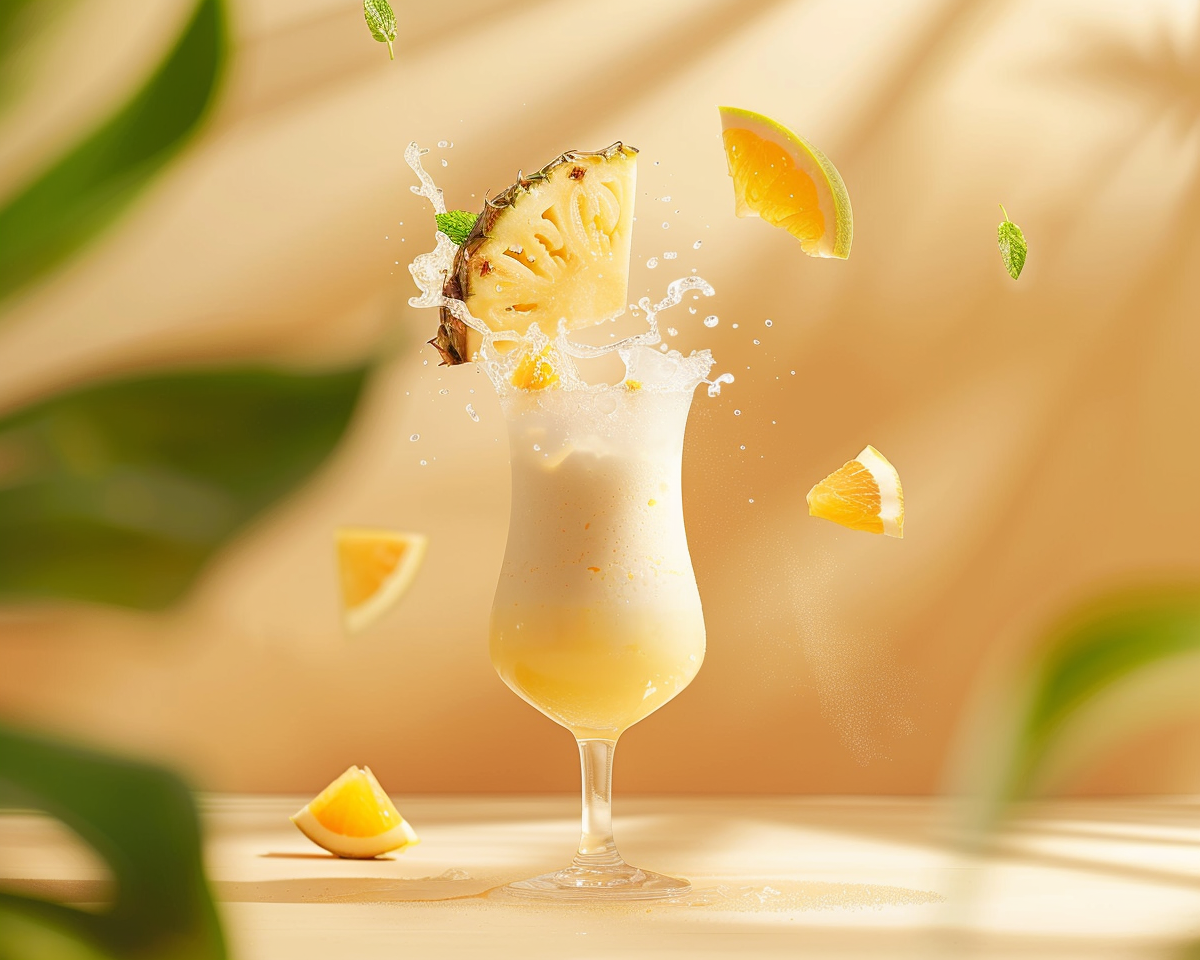
- Piña Colada: It has a creamy texture, cool temperature, and a fruity aftertaste. The aroma is a delightful mix of coconut and pineapple.
Considerations
- Long Island Iced Tea: It’s a high-intensity cocktail with a complex flavor profile. The balance leans towards bitterness due to the spirit mix, but the harmony is maintained with the sweet and sour elements.
- Piña Colada: This is a sweet, low-intensity cocktail with a simple flavor profile. It’s well-balanced and harmonious, with the sweetness of the pineapple and coconut cream contrasting the bitterness of the rum.
💡 While both drinks offer a unique taste profile, the Long Island Iced Tea is more suitable for those who prefer a stronger, more complex cocktail, while the Piña Colada is perfect for those who enjoy a sweeter, simpler drink.
Long Island Iced Tea vs Piña Colada: A Deep Dive into Barware and Glassware
Mixing & Preparation
- Long Island Iced Tea: This cocktail requires a cocktail shaker, bar spoon, and a jigger. Ice is crucial, so an ice crusher or ice molds are handy.
- Piña Colada: A cocktail shaker, muddler, and fine mesh strainer are essential. It’s important to have an ice crusher for the crushed ice requirement.
Serving & Presentation
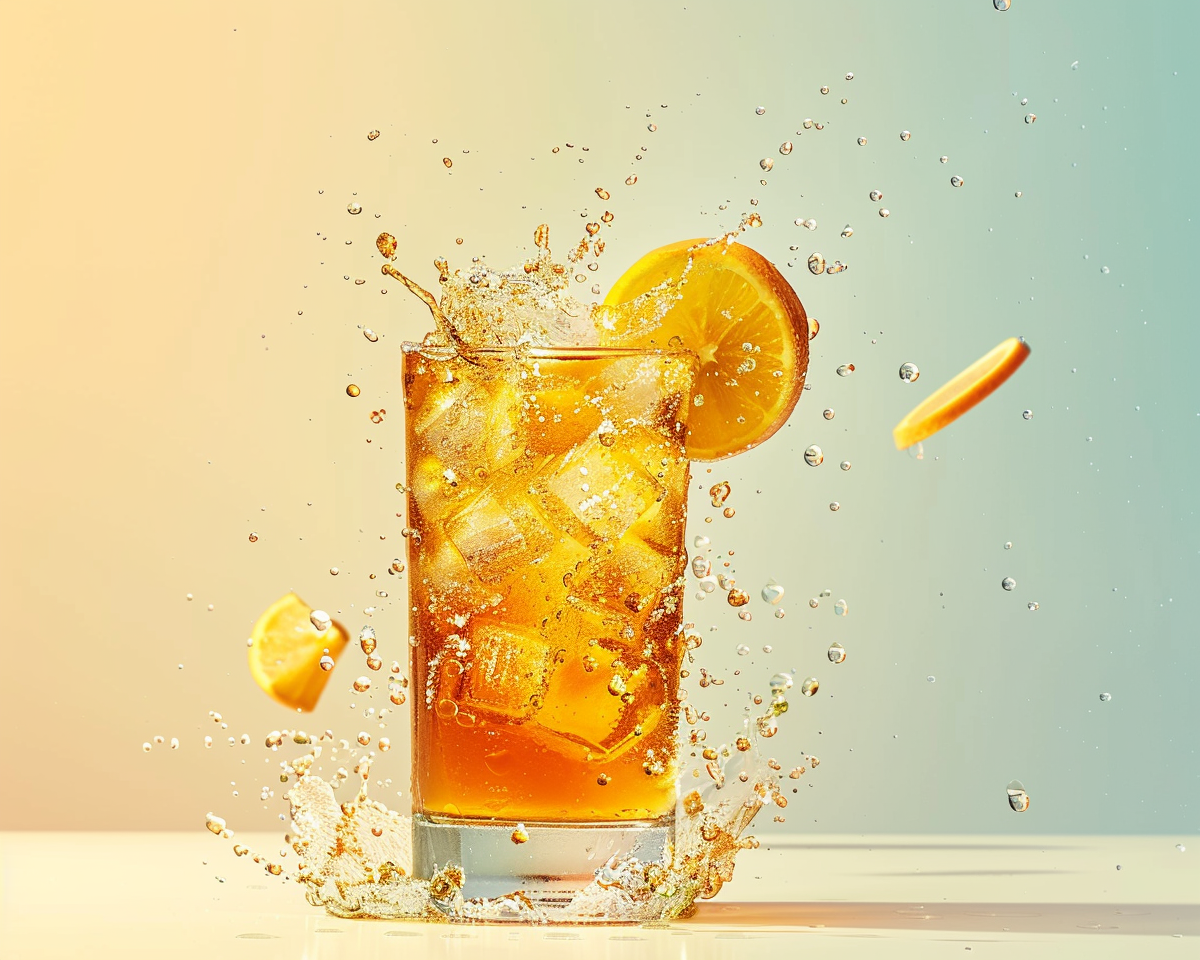
- Long Island Iced Tea: Traditionally served in a highball glass, with a garnish tray to hold lemon wedges and a straw.
- Piña Colada: Served in a cocktail glass, often garnished with a slice of pineapple and a maraschino cherry. A glass rimmer can be used for an extra touch.
Storage & Organization
- Long Island Iced Tea: This cocktail requires a variety of spirits, so speed pourers and liquor pour spouts can help with organization.
- Piña Colada: A bottle opener & corkscrew are needed for the rum, while a bar mat can help keep things tidy during preparation.
Garnishing & Fine Detailing
- Long Island Iced Tea: A cutting board and knife are needed for the lemon wedges. A citrus juicer can enhance the fresh lemon flavor.
- Piña Colada: A peeler, zester, and channel knife are useful for the pineapple garnish. A citrus juicer can be used for the fresh pineapple juice.
Preservation & Enhancement
- Long Island Iced Tea: A wine aerator can be used to enhance the flavor of the white wine used in some variations.
- Piña Colada: A decanter could be used to aerate the rum and enhance its flavor.
💡 While both cocktails require a variety of barware and glassware, the Piña Colada involves more tools for garnishing and detailing, showcasing the cocktail’s tropical flair. The Long Island Iced Tea, on the other hand, requires more tools for mixing and serving, reflecting its complex blend of spirits.
Cocktails Versatility: Long Island Iced Tea vs Piña Colada
Occasion Pairing
- Long Island Iced Tea: Perfect for corporate parties, graduation celebrations, and themed parties. Its strong, sophisticated flavor makes it a hit at serious events.
- Piña Colada: Ideal for beach days, barbecues, and family reunions. Its tropical taste and fun presentation make it a crowd-pleaser at relaxed gatherings.
Event Suitability
| Long Island Iced Tea | Piña Colada |
|---|---|
| Weddings, Corporate Parties, Graduation Celebrations | Beach Parties, Barbecues, Birthday Parties |
Seasonal Preference
- Long Island Iced Tea: A great choice for all seasons, but especially popular in autumn and winter due to its warming alcohol content.
- Piña Colada: A summer staple, it’s also enjoyed in spring when the weather starts to heat up.
💡 Despite their differing profiles, both Long Island Iced Tea and Piña Colada can be adapted to suit various occasions and seasons by tweaking their presentation and garnishes. For instance, serve Long Island Iced Tea in a highball glass with a lemon twist for a summer barbecue, or present Piña Colada in a hurricane glass with a mini umbrella for a winter tropical-themed party.
Ingredient Accessibility: Long Island Iced Tea vs Piña Colada
Long Island Iced Tea Ingredients
Long Island Iced Tea, a cocktail favorite, requires a diverse set of ingredients. You’ll need vodka, tequila, rum, gin, triple sec, lemon juice, simple syrup, and a splash of cola. Most of these are common bar staples, making it relatively easy to gather the ingredients. However, the variety may be overwhelming for beginners.
Piña Colada Ingredients
The Piña Colada, a tropical delight, has a simpler ingredient list. It calls for rum, coconut cream, and pineapple juice. These ingredients are not as commonly found in every home bar as those for Long Island Iced Tea, but they are readily available in most supermarkets.
Ingredient Comparison
| Long Island Iced Tea | Piña Colada |
|---|---|
| Multiple types of spirits | Single type of spirit (rum) |
| Common bar ingredients | Specialty ingredients |
Ingredient Accessibility Verdict
While the Long Island Iced Tea requires more types of spirits, they are commonly found in many bars. On the other hand, the Piña Colada requires fewer ingredients, but they might not be as readily available. Therefore, the accessibility of ingredients largely depends on what you already have in your bar.
💡 For beginners interested in mixing cocktails, starting with a Piña Colada might be less intimidating due to its simpler ingredient list, while more experienced mixologists might enjoy the challenge of the diverse spirits in a Long Island Iced Tea.
Cocktail Variations: Long Island Iced Tea vs Piña Colada
Long Island Iced Tea Variations
1. Electric Iced Tea: This version switches out cola for a splash of blue curaçao, giving it a vibrant color and a slightly sweeter taste.2. Tokyo Iced Tea: A green twist on the classic, swapping cola for Midori melon liqueur.Piña Colada Variations
1. Blue Hawaiian: This tropical delight adds blue curaçao to the traditional Piña Colada mix for a refreshing twist.2. Piña Colada Sangria: A fusion of Spanish and Caribbean flavors, incorporating white wine and diced fruit into the classic recipe.Remember, the best cocktail is one that suits your personal taste. Don’t be afraid to experiment with different ingredients and ratios to find your perfect mix.
Tasty Versions for Each
For a delightful Long Island Iced Tea, try mixing equal parts vodka, rum, tequila, gin, triple sec, and lemon juice, topped with a splash of cola and garnished with a lemon slice.For a creamy Piña Colada, blend 1 part rum, 1 part coconut cream, and 3 parts pineapple juice. Serve it chilled with a pineapple wedge and a maraschino cherry on top.| Long Island Iced Tea | Piña Colada |
|---|---|
| Strong and tangy | Creamy and sweet |
| Best served on the rocks | Best served blended or shaken |
💡 While both cocktails are refreshing and popular, the Long Island Iced Tea is more alcohol-forward, making it a stronger drink. On the other hand, the Piña Colada, with its tropical flavors and creamy texture, is a more dessert-like cocktail.
Long Island Iced Tea vs Piña Colada: A Cost Comparison
Cost of Making Long Island Iced Tea
Long Island Iced Tea is a potent mix of five different spirits: vodka, rum, tequila, gin, and triple sec. The cost of making this cocktail can vary depending on the brands you choose. Here’s a list of options from lower to higher brands:
- Lower-end Brands (Smirnoff Vodka, Bacardi Rum, Jose Cuervo Tequila, Gordon’s Gin, DeKuyper Triple Sec): Approximately $8-$10 per cocktail
- Mid-range Brands (Absolut Vodka, Captain Morgan Rum, Patrón Tequila, Bombay Sapphire Gin, Cointreau Triple Sec): Approximately $12-$15 per cocktail
- Higher-end Brands (Grey Goose Vodka, Havana Club Rum, Don Julio Tequila, Hendrick’s Gin, Grand Marnier Triple Sec): Approximately $20-$25 per cocktail
Cost of Making Piña Colada
A Piña Colada, on the other hand, is a tropical cocktail made with rum, coconut cream, and pineapple juice. The cost can also vary depending on the brand of rum you opt for. Here are some options:
- Lower-end Brand (Bacardi Rum): Approximately $6-$8 per cocktail
- Mid-range Brand (Captain Morgan Rum): Approximately $10-$12 per cocktail
- Higher-end Brand (Havana Club Rum): Approximately $15-$18 per cocktail
💡 Unique Insight: While the Long Island Iced Tea may cost more due to its variety of spirits, it typically has a higher alcohol content than the Piña Colada. Therefore, the choice between the two may come down to personal taste preference and desired alcohol strength.
Long Island Iced Tea vs Piña Colada: Prep & Mix Time
Total Preparation Time
- Long Island Iced Tea: Approximately 10 minutes
- Piña Colada: Roughly 15 minutes
Mixing Time
Long Island Iced Tea takes around 5 minutes to mix, while a Piña Colada requires about 10 minutes due to the blending process.
Complexity of Preparation
| Long Island Iced Tea | Medium |
| Piña Colada | Easy |
Ingredient Preparation
- Long Island Iced Tea: Gathering and measuring multiple spirits and mixers
- Piña Colada: Preparing fresh pineapple and coconut cream
Mixing Techniques
The Long Island Iced Tea requires a shaker, while the Piña Colada needs a blender for a creamy consistency.
Presentation
- Long Island Iced Tea: Typically served in a highball glass with a lemon twist
- Piña Colada: Served in a hurricane glass, garnished with a pineapple slice and cherry
Set Up & Cleanup
Both cocktails require a similar setup but the Piña Colada involves more cleanup due to the use of a blender.
Waiting Time
| Long Island Iced Tea | No waiting time |
| Piña Colada | Blending time of 1-2 minutes |
Expert Tips
- Long Island Iced Tea: Use fresh lemon juice for a better taste
- Piña Colada: Freeze the pineapple for a thicker consistency
💡 Despite the Long Island Iced Tea being more complex in preparation due to the number of spirits, the Piña Colada takes longer overall due to the need for blending and additional cleanup.
Mixology Hacks for the Perfect Blend: Long Island Iced Tea vs Piña Colada
Muddling Right
- Long Island Iced Tea: No muddling required, just a good mix of spirits.
- Piña Colada: Muddling pineapple chunks will enhance the fruity flavor.
Ice Matters
- Long Island Iced Tea: Use crushed ice to chill the cocktail faster.
- Piña Colada: Blend with ice cubes for a slushy consistency.
Shake vs Stir
Long Island Iced Tea: Stirred to mix the different spirits.
Piña Colada: Shaken to create a frothy texture.
Balancing Act
| Long Island Iced Tea: | Balance five spirits with sweet and sour mix. |
| Piña Colada: | Balance rum, coconut cream, and pineapple juice. |
Herb Infusion
- Long Island Iced Tea: No herb infusion required.
- Piña Colada: Add fresh mint leaves for a refreshing twist.
Aromatic Bitters
- Long Island Iced Tea: A dash of bitters can add depth.
- Piña Colada: Not typically used, but a dash of Angostura bitters can add complexity.
Smoke Effects
Long Island Iced Tea: Not commonly used.
Piña Colada: Smoked pineapple garnish can add a unique twist.
Double Straining
- Long Island Iced Tea: Not necessary due to the absence of fruit chunks or herbs.
- Piña Colada: Recommended to remove pineapple pulp after blending.
Perfect Presentation
Long Island Iced Tea: Served in a highball glass with a lemon slice.
Piña Colada: Served in a hurricane glass with a pineapple wedge and cherry.
Glassware
- Long Island Iced Tea: Highball glass.
- Piña Colada: Hurricane glass or Poco Grande.
Garnish Game
| Long Island Iced Tea: | Lemon slice or lime wedge. |
| Piña Colada: | Pineapple wedge and maraschino cherry. |
Temperature
- Long Island Iced Tea: Served very cold.
- Piña Colada: Served frozen or very cold.
Crafting Signature Cocktails at Home
Long Island Iced Tea: A good choice for those who enjoy strong, spirit-forward cocktails.
Piña Colada: Perfect for those who love sweet, creamy, and tropical flavors.
Mixology Techniques for Beginners
- Long Island Iced Tea: Practice your stirring skills.
- Piña Colada: Hone your shaking and blending techniques.
How to Balance Flavors in a Cocktail
- Long Island Iced Tea: Balance the spirits with the right amount of sweet and sour mix.
- Piña Colada: Achieve harmony between the sweetness of the coconut cream and the tartness of the pineapple juice.
Clarified Cocktails
- Long Island Iced Tea: Not typically clarified.
- Piña Colada: Can be clarified for a unique, clear version.
Dehydrated Garnish
- Long Island Iced Tea: Dehydrated lemon wheel can add a sophisticated touch.
- Piña Colada: Dehydrated pineapple slice for a tropical vibe.
Freeze & Squeeze
Long Island Iced Tea: Not applicable.
Piña Colada: Freeze pineapple juice for a thicker consistency.
💡 Unique Insight: The secret to a perfect Long Island Iced Tea or Piña Colada lies in understanding the balance of flavors. For the Long Island Iced Tea, it’s about harmonizing the different spirits with the sweet and sour mix. For the Piña Colada, it’s about creating a perfect symphony between the rum, coconut cream, and pineapple juice. Mastering these balances can elevate your mixology game to the next level.
Comparing Alcohol Content: Long Island Iced Tea vs Piña Colada
Long Island Iced Tea
Long Island Iced Tea, a potent mix of vodka, rum, tequila, gin, triple sec, lemon juice and a splash of cola, is not for the faint-hearted. With an alcohol by volume (ABV) percentage ranging from 22% to 30%, it’s one of the strongest cocktails you can order.
Piña Colada
On the other hand, the tropical Piña Colada, which combines rum, pineapple juice, and coconut cream, offers a much lighter alcohol content. Its ABV% typically falls between 13% and 17%, making it a more moderate choice for those who prefer a less potent cocktail.
| Long Island Iced Tea | Piña Colada |
|---|---|
| 22%-30% ABV | 13%-17% ABV |
Alcohol-Free Alternatives: Mocktails
Long Island Iced Tea Mocktail
For a non-alcoholic version of Long Island Iced Tea, you can substitute the alcoholic ingredients with a mix of lemonade, iced tea, and a splash of cola. It offers the same refreshing taste without the high alcohol content.
Piña Colada Mocktail
The Piña Colada Mocktail, also known as the Virgin Piña Colada, is a delightful blend of pineapple juice, coconut cream, and crushed ice. It’s a tropical treat that can be enjoyed by everyone, regardless of their alcohol preference.
Remember, whether you’re sipping on a potent Long Island Iced Tea or a tropical Piña Colada, the key to enjoying cocktails is moderation.
💡 While both cocktails offer a unique taste experience, the Long Island Iced Tea contains significantly more alcohol. So if you’re looking for a lighter option, the Piña Colada is the way to go. And if you want to skip the alcohol altogether, their mocktail versions offer a delightful alternative.
Nutritional Information: Long Island Iced Tea vs Piña Colada
Caloric Intake
- Long Island Iced Tea: Approximately 780 calories
- Piña Colada: Around 644 calories
Spirits and Mixers
- Long Island Iced Tea: Vodka, tequila, rum, gin, triple sec, lemon juice, and cola
- Piña Colada: Rum, pineapple juice, and coconut cream
Sugar Content and Simple Syrups
- Long Island Iced Tea: High sugar due to cola and triple sec, no simple syrup
- Piña Colada: High sugar due to pineapple juice and coconut cream, no simple syrup
Carbohydrates and Other Factors
- Long Island Iced Tea: High in carbs due to mixers, contains caffeine from cola
- Piña Colada: High in carbs and fats due to coconut cream, contains vitamins from pineapple juice
Allergens and Dietary Restrictions
- Long Island Iced Tea: Gluten-free unless gluten-containing additives are used
- Piña Colada: Gluten-free and nut-free, but not suitable for those allergic to pineapple or coconut
Low-Calorie and Sugar-Free Options
- Long Island Iced Tea: Substitute cola with diet cola, use less triple sec
- Piña Colada: Use light coconut milk and less pineapple juice
💡 While both drinks are high in calories and sugar, the Piña Colada provides some nutritional benefits from the pineapple juice, such as vitamin C and manganese. However, those watching their waistline or sugar intake might want to opt for a modified version of the Long Island Iced Tea.
Long Island Iced Tea vs Piña Colada: High-Quality Facts
Origins and Composition
- Long Island Iced Tea: A potent blend of vodka, tequila, rum, gin, triple sec, lemon juice, and a splash of cola, this cocktail originated in the US during the Prohibition era.
- Piña Colada: A tropical mix of rum, coconut cream, and pineapple juice, the Piña Colada was first created in Puerto Rico in the 1950s.
Taste Profiles
While the Long Island Iced Tea has a complex, strong, and slightly sweet flavor due to the mix of spirits and cola, the Piña Colada offers a sweet, creamy, and fruity taste, reminiscent of a tropical paradise.
Caloric Content
| Long Island Iced Tea | Piña Colada |
|---|---|
| Around 780 calories per serving | Approximately 644 calories per serving |
Best Occasions to Enjoy
- Long Island Iced Tea: Perfect for a lively party or a night out with friends.
- Piña Colada: Ideal for a beach vacation or a relaxing summer day.
💡 Unique Insight: The choice between a Long Island Iced Tea and a Piña Colada can be a reflection of one’s personality. If you’re adventurous and love a strong kick in your drink, the Long Island Iced Tea is for you. However, if you prefer a laid-back, tropical vibe, the Piña Colada is your go-to cocktail.
Long Island Iced Tea vs Piña Colada: An In-depth Comparison
What are the ingredients of Long Island Iced Tea and Piña Colada?
Long Island Iced Tea is a potent mix of vodka, rum, tequila, gin, triple sec, lemon juice, and a splash of cola. On the other hand, Piña Colada is a tropical delight blending rum, coconut cream, and pineapple juice.
How are these cocktails prepared?
Both cocktails require a shaker. For Long Island Iced Tea, combine all the spirits, lemon juice, and ice in a shaker, shake well, strain into a highball glass, and top with cola. As for Piña Colada, blend all the ingredients with crushed ice until smooth, then pour into a hurricane glass.
Which alcohol brands are commonly used?
Smirnoff Vodka, Bacardi Rum, and Jose Cuervo Tequila are popular choices for Long Island Iced Tea. For Piña Colada, Bacardi Rum is often used.
What barware and glassware are required?
A shaker and a strainer are essential for both cocktails. Long Island Iced Tea is typically served in a highball glass, while Piña Colada is poured into a hurricane glass.
What are the best food pairings?
Long Island Iced Tea pairs well with spicy foods, while Piña Colada complements tropical and seafood dishes.
How are these cocktails visually presented?
Long Island Iced Tea is garnished with a lemon slice, while Piña Colada is often adorned with a pineapple slice and a maraschino cherry.
What is the nutritional information?
Long Island Iced Tea contains approximately 780 calories and may contain allergens from the cola. Piña Colada has around 650 calories and contains allergens from the coconut cream.
What is the cost of making these cocktails?
The cost varies based on the brand of spirits used, but generally, Long Island Iced Tea is more expensive due to the variety of spirits required.
What is the alcohol content (ABV percentage)?
Long Island Iced Tea has a high alcohol content, around 22%, due to the mix of spirits. Piña Colada, with only rum, has a lower alcohol content, around 13%.
Unique Insight: Despite its name, Long Island Iced Tea contains no tea. The name comes from its tea-like appearance.