Taste Profile: Margarita vs Paloma
Basic Tastes
- Margarita: Sweetness from the triple sec, sourness from lime juice, and saltiness from the salt-rimmed glass. No significant bitterness, umami, or spiciness detected.
- Paloma: Sweetness and sourness from the grapefruit soda, with a hint of saltiness. No significant bitterness, umami, or spiciness noted.
Other Taste Profile Factors
- Margarita: Aromatic citrus notes, smooth texture, served chilled, with a tart mouthfeel and a refreshing aftertaste.
- Paloma: Fruity aroma, fizzy texture, served cold, with a tangy mouthfeel and a crisp aftertaste.
Considerations
| Margarita | Paloma |
|---|---|
| Well-balanced, harmonious blend of sweet and sour, moderately complex, high-intensity citrus flavor, contrasting salt rim. | Harmonious, less complex than Margarita, moderate intensity, contrast between sweet and sour with a fizzy finish. |
💡 While both cocktails share a similar base of tequila and citrus, the Margarita leans more towards a sweet-sour profile with a salted contrast, while the Paloma offers a fizzy, refreshing experience with a balance of sweet and tart flavors.
Margarita vs Paloma: A Deep Dive into Barware and Glassware
Mixing & Preparation
Both Margarita and Paloma have their unique preparation methods that require different bar tools. Margarita, a classic cocktail, is typically prepared using a cocktail shaker, a jigger for accurate measurement, and a strainer. On the other hand, Paloma, famous for its refreshing taste, requires a mixing glass, a bar spoon for gentle stirring, and a jigger for precise amounts of ingredients.
Serving & Presentation
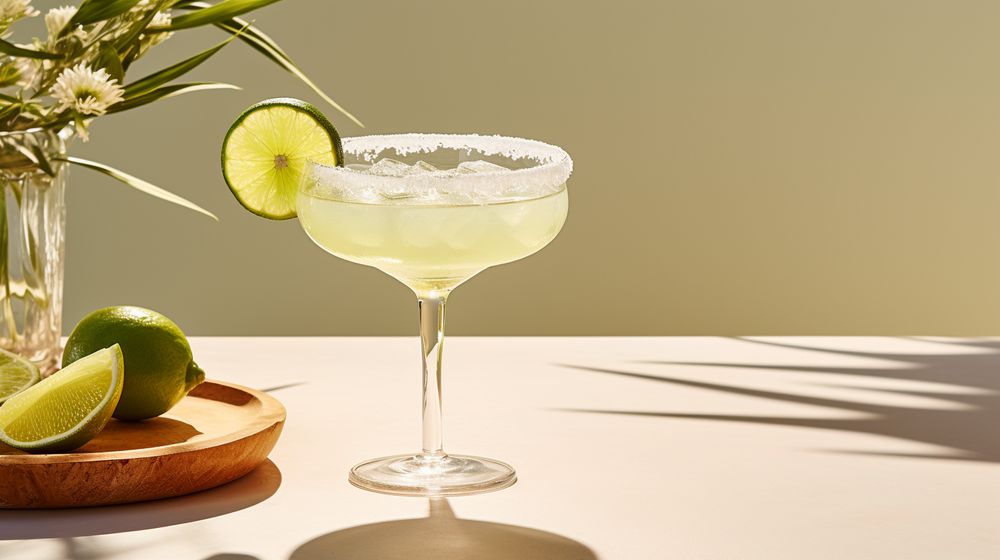
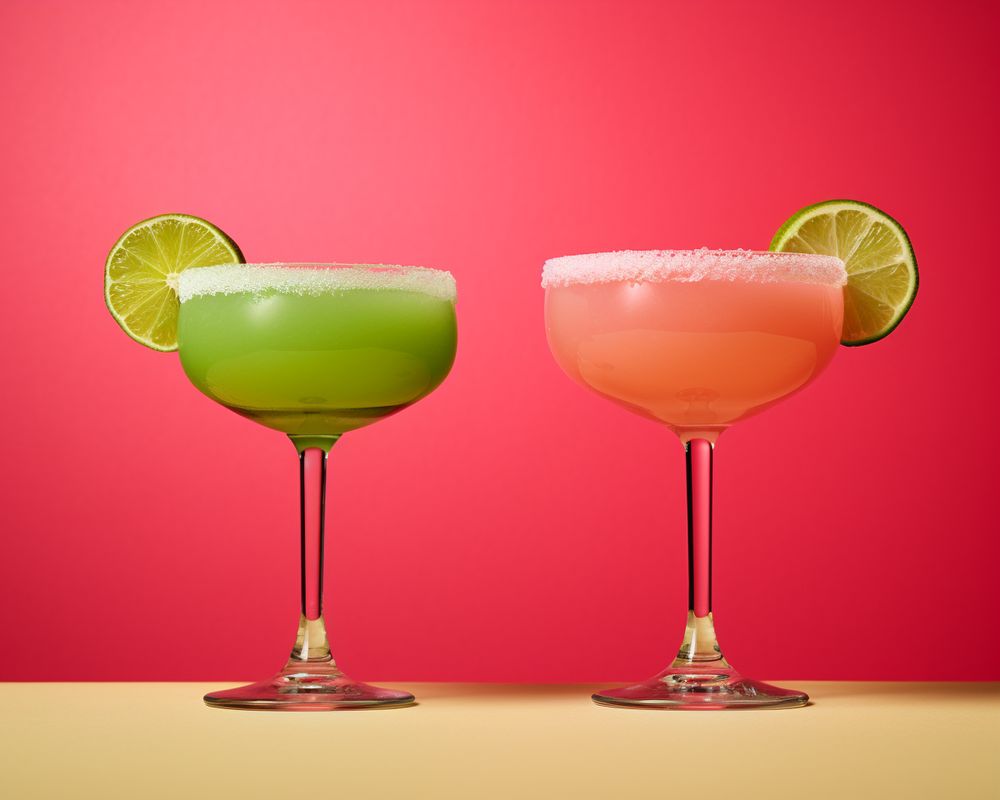
When it comes to presentation, Margarita shines in a cocktail glass with a glass rimmer for that essential salted rim. Garnish trays and coasters complete the presentation. Paloma, however, is best served in a highball glass, allowing the vibrant colors and garnishes to stand out.
Storage & Organization
Keeping your bar organized is key to making these cocktails efficiently. Essential tools include an ice bucket & tongs, bottle opener & corkscrew, speed pourers for the tequila, and liquor pour spouts for accurate pouring. A bar mat, bar roll, or tool bag can keep your barware in order.
Garnishing & Fine Detailing
Both cocktails are elevated with the right garnish. A cutting board & knife, peeler & zester, and a citrus juicer are crucial. For Margarita, a lime wheel on the rim is a classic touch, while Paloma is often garnished with a grapefruit wheel or wedge, added using a channel knife.
Preservation & Enhancement
Preserving the freshness of your ingredients is crucial. A wine preserver can keep your open bottles of wine fresh, while a champagne stopper is perfect for preserving carbonated mixers. A wine aerator can enhance the flavors of your wine-based cocktails.
💡 While both cocktails use tequila as the base spirit, the key difference lies in the mixers and garnish. Margarita uses lime juice and triple sec, garnished with lime, while Paloma uses grapefruit soda or juice, garnished with grapefruit. The right barware and glassware can enhance the preparation, presentation, and taste of these cocktails.
Cocktails Versatility: Margarita vs Paloma
Best Occasions for a Margarita
- Date Night: The Margarita’s playful and romantic vibe makes it a perfect choice for a date night.
- Beach Day: A Margarita’s refreshing taste is a great way to beat the heat while enjoying a day at the beach.
- Fourth of July: Celebrate Independence Day with a classic American cocktail like the Margarita.
Best Occasions for a Paloma
- Barbecue: The Paloma’s citrusy flavor pairs well with grilled meats, making it a great choice for a barbecue.
- Music Festivals: The Paloma’s refreshing and easy-to-drink nature makes it a popular choice for music festivals.
- St. Patrick’s Day: The Paloma’s green hue makes it a festive choice for St. Patrick’s Day celebrations.
Seasonal Pairings
| Margarita | Paloma |
|---|---|
| Summer: The Margarita’s refreshing lime and tequila flavors make it a perfect summer cocktail. | Spring: The Paloma’s grapefruit and tequila combo makes it a refreshing choice for the warmer spring weather. |
Event Pairings
Margaritas are a versatile cocktail for events like weddings and birthday parties, while Palomas are a unique and refreshing choice for art galas and product launches.
💡 Although both Margarita and Paloma have their unique appeal, the Margarita’s versatility makes it a more popular choice for a wider range of occasions and seasons. However, the Paloma’s unique grapefruit flavor can make it a standout choice for specific events and seasons.
Margarita vs Paloma: Ingredient Accessibility
Margarita Ingredients
- Tequila
- Lime Juice
- Triple Sec or Cointreau
- Salt (for rimming the glass)
Paloma Ingredients
- Tequila
- Grapefruit Juice
- Lime Juice
- Salt (for rimming the glass)
- Soda Water
Availability
Both Margarita and Paloma require tequila and lime juice, which are easily available in most grocery stores. Triple Sec or Cointreau, essential for Margarita, can be found in well-stocked liquor stores. For Paloma, grapefruit juice is a common grocery item, but soda water might need a trip to a specialized store or an online purchase.
Difficulty Level
Gathering ingredients for both cocktails is relatively easy. However, Margarita might be slightly easier due to the common availability of Triple Sec or Cointreau compared to Soda Water for Paloma.
| Margarita | Paloma |
|---|---|
| Easy | Medium |
💡 Despite the slight difference in accessibility, the unique flavor profiles each cocktail offers make the hunt for ingredients worthwhile. The citrusy sweetness of a Margarita contrasts with the tart, effervescent Paloma, offering a delightful choice for cocktail enthusiasts and newbies alike.
Margarita vs Paloma: A Dive into Cocktail Variations
The Classic Margarita
A timeless favorite, the classic Margarita blends tequila, lime juice, and Cointreau or triple sec. This cocktail is typically served in a glass rimmed with salt to balance the tartness of the lime.
Popular Margarita Variations
- Strawberry Margarita: A fruity spin on the classic, adding fresh or frozen strawberries.
- Spicy Margarita: Infused with jalapeno for a fiery twist.
- Blue Margarita: Incorporates blue curacao for a vibrant color and a hint of citrus flavor.
The Traditional Paloma
The Paloma is another tequila-based cocktail, but it features grapefruit soda and a splash of lime juice. This refreshing beverage is often served in a highball glass with a salted rim.
Tasty Paloma Variations
- Spicy Paloma: Adds jalapeno for a kick that complements the grapefruit’s tanginess.
- Mezcal Paloma: Swaps tequila for smoky mezcal, adding a unique depth of flavor.
- Ruby Red Paloma: Uses ruby red grapefruit juice and soda for a sweeter, more vibrant version.
💡 Unique Insight: While both Margarita and Paloma are tequila-based cocktails with a salted rim, their main difference lies in the citrus used. Margarita primarily uses lime, while Paloma is grapefruit-based. This difference gives each cocktail its unique flavor profile, with the Margarita being tart and the Paloma offering a bitter-sweet experience.
Margarita vs Paloma: A Cost Comparison
Margarita Cocktail Costs
- Low-End Brands: A homemade Margarita using budget-friendly ingredients such as Jose Cuervo Tequila (~$15), Triple Sec (~$7), and fresh limes (~$1) can cost around $23.
- Mid-Range Brands: Opting for mid-tier brands like Espolon Tequila (~$25), Cointreau (~$36), and fresh limes (~$1), the cost rises to around $62.
- High-End Brands: A luxury Margarita, using top-shelf ingredients like Patron Silver Tequila (~$45), Grand Marnier (~$38), and fresh limes (~$1), will set you back about $84.
Paloma Cocktail Costs
- Low-End Brands: A budget Paloma, using Jose Cuervo Tequila (~$15), Squirt grapefruit soda (~$1), and a pinch of salt (~$1), costs approximately $17.
- Mid-Range Brands: A mid-tier Paloma, with Espolon Tequila (~$25), Q Mixers Grapefruit Soda (~$6), and a pinch of salt (~$1), costs about $32.
- High-End Brands: A high-end Paloma, with Patron Silver Tequila (~$45), Fever-Tree Grapefruit Soda (~$7), and a pinch of salt (~$1), comes to around $53.
💡 Despite the Margarita being more well-known, the Paloma is generally less expensive to make, regardless of the brand quality used. This is largely due to the simpler ingredient list of the Paloma, which swaps out a variety of liqueurs for a single grapefruit soda.
Margarita vs Paloma: Prep & Mix Time
Total Preparation & Mixing Time
Margarita: 5 minutes
Paloma: 7 minutes
Complexity of Preparation
Margarita: Easy
Paloma: Medium
Ingredient Preparation
Margarita: Lime juice, tequila, Cointreau, salt for rim
Paloma: Grapefruit juice, tequila, lime juice, salt for rim, club soda
Mixing Techniques
Margarita: Shaken
Paloma: Stirred
Presentation
Margarita: Served in a margarita glass, rim salted
Paloma: Served in a highball glass, rim salted
Set up
Margarita: Requires a shaker, strainer, and margarita glass
Paloma: Requires a spoon, highball glass
Cleanup
Margarita: Easy, just rinse the shaker and glass
Paloma: Easy, rinse the spoon and glass
Waiting Time
Margarita: No waiting time
Paloma: Wait for the fizz to settle after adding club soda
Expert Tips
Margarita: Use fresh lime juice for the best flavor
Paloma: Add a pinch of salt to the mix, not just the rim
💡 Despite the longer preparation time, Paloma’s complexity comes from the addition of club soda which requires a waiting time for the fizz to settle, making it a more patient yet rewarding cocktail.
Mixology Hacks for the Perfect Blend: Margarita vs Paloma
Muddling Right
Margaritas typically don’t require muddling, but for a Paloma, muddling grapefruit wedges can add a burst of fresh flavor.
Ice Matters
Crushed ice is best for Paloma to dilute the strong flavors, while a Margarita works well with cube ice to maintain its potency.
Shake vs Stir
Shake your Margarita vigorously to mix the ingredients well. On the other hand, a Paloma is gently stirred to preserve the carbonation of the soda.
Herb Infusion
Consider infusing your Margarita with cilantro for a unique spin. A Paloma, however, pairs well with a rosemary infusion.
Aromatic Bitters
While not traditional, a dash of bitters can add complexity to both these cocktails.
Smoke Effects
A smoky Mezcal Margarita can be a game-changer, while a hint of smoke is not typically used in a Paloma.
Double Straining
Double strain your Margarita to eliminate any pulp for a smoother drink. This technique isn’t necessary for a Paloma.
Perfect Presentation
A Margarita looks best in a salt-rimmed glass, while a Paloma shines with a grapefruit wheel garnish.
Glassware
Margaritas are typically served in a Margarita glass, while Palomas are served in a highball glass.
Garnish Game
A lime wheel is perfect for a Margarita, and a grapefruit wedge enhances a Paloma’s presentation.
Temperature
Both cocktails should be served ice cold for the best taste experience.
Crafting Signature Cocktails at Home
With these tips, you can make bar-worthy Margaritas and Palomas right in your own kitchen.
Mixology Techniques for Beginners
From muddling to shaking, mastering these techniques will elevate your cocktail game.
How to Balance Flavors in a Cocktail
For a balanced Margarita or Paloma, ensure the right mix of sweet, sour, and bitter elements.
Clarified Cocktails
For a clear and crisp Margarita, consider using clarified lime juice. This technique isn’t typically used for a Paloma.
Dehydrated Garnish
Dehydrated lime or grapefruit can add an interesting twist to both cocktails.
Freeze & Squeeze
Freeze your citrus fruits before juicing them for your Margarita or Paloma to get the maximum juice yield.
💡 A Infusing your tequila with jalapeno can add a spicy kick to both Margarita and Paloma, creating a unique flavor profile that sets your cocktails apart.
Comparing Margarita and Paloma: Alcohol Content
Margarita Alcohol Content
At the heart of a classic Margarita is tequila, contributing to a typical ABV (Alcohol By Volume) of 20-30%. This, of course, can vary depending on the amount of tequila used and the type of tequila chosen.
Paloma Alcohol Content
Similarly, a Paloma also uses tequila as its primary alcohol. However, due to its larger volume of mixers, a Paloma generally has a lower ABV, typically ranging from 15-20%.
| Cocktail | ABV% |
|---|---|
| Margarita | 20-30% |
| Paloma | 15-20% |
Alcohol-Free Alternatives: Mocktails
For those who prefer an alcohol-free option, both the Margarita and Paloma have mocktail versions. A Virgin Margarita replaces tequila with a mix of lime juice, orange juice, and a hint of sugar. On the other hand, a Virgin Paloma uses grapefruit soda, lime juice, and a splash of soda water instead of tequila.
💡 While both cocktails have similar alcohol content due to their tequila base, the Paloma’s higher mixer-to-alcohol ratio typically results in a lower ABV. Remember, you can always opt for the mocktail versions if you’re looking for a non-alcoholic alternative.
Nutritional Information: Margarita vs Paloma
Spirits and Mixers
A Margarita typically contains tequila, triple sec, and lime juice, while a Paloma is made with tequila and grapefruit juice. Both cocktails use tequila as the primary spirit, contributing to their similar caloric content.
Sugar Content and Simple Syrups
Margaritas often have a higher sugar content due to the addition of triple sec and simple syrup. On the other hand, Palomas can be less sugary if fresh grapefruit juice is used instead of grapefruit-flavored soda.
Caloric Intake
A standard Margarita contains approximately 168 calories, while a Paloma can contain between 166-186 calories, depending on the grapefruit component used.
Carbohydrates and Fats
Both cocktails are low in fats but can be high in carbohydrates due to the sugar content. Margaritas have about 12 grams of carbs, while Palomas have about 17 grams.
Vitamins, Minerals, and Other Factors
Due to the presence of citrus fruits, both cocktails provide a fair amount of Vitamin C. However, potential allergens could be present in pre-mixed versions of these cocktails, such as gluten or nuts.
Low-Calorie and Gluten-Free Options
For a lower-calorie option, consider a Margarita or Paloma without added sugars or syrups. Both can be made gluten-free by ensuring the tequila is 100% agave.
💡 Despite their similar base spirit and citrusy profiles, the Margarita and Paloma differ significantly in sugar content and carbohydrates, making the Paloma a potentially healthier option if fresh grapefruit juice is used.
High Quality Facts: Margarita vs Paloma
Ingredients
- Margarita: Tequila, lime juice, orange liqueur, and salt for garnish.
- Paloma: Tequila, grapefruit juice, lime juice, sugar, and soda water.
Preparation
While both cocktails use tequila as the base, the preparation differs. A Margarita is shaken with ice and strained into a glass rimmed with salt. On the other hand, a Paloma is built directly in the glass, topped with soda, and stirred gently.
Flavor Profile
- Margarita: A perfect balance of sweet, sour, and salty notes.
- Paloma: A refreshing blend of sweet and tart with a fizzy finish.
Popularity
The Margarita is widely recognized and loved globally, often ranking as one of the most popular cocktails. The Paloma, while not as internationally renowned, is a favorite in Mexico, arguably more popular than the Margarita.
Variations
| Margarita | Paloma |
|---|---|
| Frozen Margarita, Strawberry Margarita, Spicy Margarita | La Paloma, Paloma Brava, Mezcal Paloma |
💡 Despite their differences, both the Margarita and the Paloma showcase the versatility of tequila. While the Margarita offers a complex balance of flavors, the Paloma provides a simpler, refreshing taste. Therefore, choosing between the two often depends on personal preference and the occasion.
Margarita vs Paloma: A Comprehensive Comparison
What are the main ingredients of a Margarita and a Paloma?
The classic Margarita cocktail is a blend of tequila, fresh lime juice, and orange liqueur, typically served with a salted rim. On the other hand, a Paloma combines tequila with grapefruit juice, lime juice, and a splash of soda water. It’s usually served with a salted rim as well.
How are these cocktails prepared?
Both cocktails are relatively simple to prepare. For a Margarita, you’ll shake the tequila, lime juice, and orange liqueur with ice, then strain it into a salt-rimmed glass. A Paloma requires you to mix the tequila, grapefruit juice, and lime juice in a salt-rimmed glass, then top it off with soda water.
What alcohol brands are best for these cocktails?
For Margaritas, brands like Patron, Jose Cuervo, and Don Julio are widely preferred. For Palomas, the same brands work well, but some enthusiasts also recommend trying it with Mezcal for a smoky twist.
What barware and glassware are needed?
A cocktail shaker and strainer are essential for making a Margarita, and it’s traditionally served in a Margarita glass. For a Paloma, you’ll just need a tall glass, often a highball or Collins glass.
What are some food pairings for these cocktails?
Margaritas pair well with Mexican cuisine, especially dishes like tacos, enchiladas, and nachos. Palomas, with their refreshing grapefruit flavor, complement seafood dishes and salads.
How are these cocktails visually presented?
Both cocktails are usually garnished with a lime wedge. Some bartenders also add a grapefruit slice to a Paloma for an extra touch.
What is the nutritional information for these cocktails?
A standard Margarita has around 200 calories and contains sugar from the orange liqueur. A Paloma, on the other hand, has fewer calories (around 160) and less sugar, thanks to the natural grapefruit juice.
What is the cost of making these cocktails?
The cost depends on the brands of tequila and liqueur you use. However, Margaritas tend to be slightly more expensive due to the cost of orange liqueur.
What is the alcohol content (ABV) of these cocktails?
Both cocktails have similar alcohol content, ranging from 15 to 20% ABV, depending on the amount of tequila used.
Unique Insight: While Margaritas are more globally recognized, Palomas are actually more popular in Mexico, the birthplace of tequila.