Mojito vs Pina Colada: A Taste Profile Comparison
The Basic Tastes
Mojito and Pina Colada, both are delightful cocktails, but their taste profiles are quite different. Here’s a breakdown:| Mojito | Pina Colada |
|---|---|
| Sweetness: High (due to the presence of sugar) | Sweetness: Very High (due to the combination of pineapple juice and cream of coconut) |
| Sourness: High (due to the use of lime) | Sourness: Moderate (because of the pineapple juice) |
| Saltiness: Low | Saltiness: Low |
| Bitterness: Low | Bitterness: Low |
| Umami: Absent | Umami: Absent |
| Spiciness: Absent | Spiciness: Absent |
Other Taste Profile Factors
Let’s explore the other taste profile factors:- Aromas: Mojito has a fresh minty aroma, while Pina Colada emanates a tropical and fruity scent.- Textures: Mojito is crisp and bubbly due to the soda, but Pina Colada is creamy because of the coconut cream.- Temperature: Both are served chilled.- Mouthfeel: Mojito is fizzy and light, whereas Pina Colada is smooth and rich.- Aftertaste: Mojito leaves a refreshing aftertaste, while Pina Colada has a lingering sweet and creamy note.Considerations
When it comes to balance, harmony, complexity, intensity, and contrast:- Balance: Both cocktails are well balanced with sweet and sour elements.- Harmony: Mojito’s ingredients blend harmoniously for a refreshing experience, while Pina Colada’s ingredients create a satisfying tropical delight.- Complexity: Mojito is less complex with fewer ingredients, whereas Pina Colada is more complex due to the mix of pineapple, coconut, and rum.- Intensity: Mojito is light and refreshing, while Pina Colada is more intense with its rich and creamy flavors.- Contrast: Mojito creates contrast with its bubbly texture and minty freshness, while Pina Colada offers a contrast of sweet and sour with its tropical ingredients.💡 While both cocktails transport you to a beach holiday, the Mojito offers a lighter, refreshing experience, perfect for those who prefer less sweet drinks. In contrast, the Pina Colada, with its richer, creamier, and sweeter profile, is ideal for those with a sweet tooth and love for tropical flavors.
Mojito vs Pina Colada: A Barware and Glassware Perspective
Mixing and Preparation
Creating a classic Mojito requires a cocktail shaker, bar spoon, muddler, and a jigger. The muddler is used to press fresh mint leaves and lime to release the essential oils. The cocktail shaker mixes the components together and the bar spoon is used for precision stirring. For Pina Colada, an ice crusher and mixing glass are essential in addition to the cocktail shaker and bar spoon. The ice crusher breaks down ice for the frosty texture, while the mixing glass is used to combine the pineapple juice, cream of coconut, and rum.
Serving and Presentation
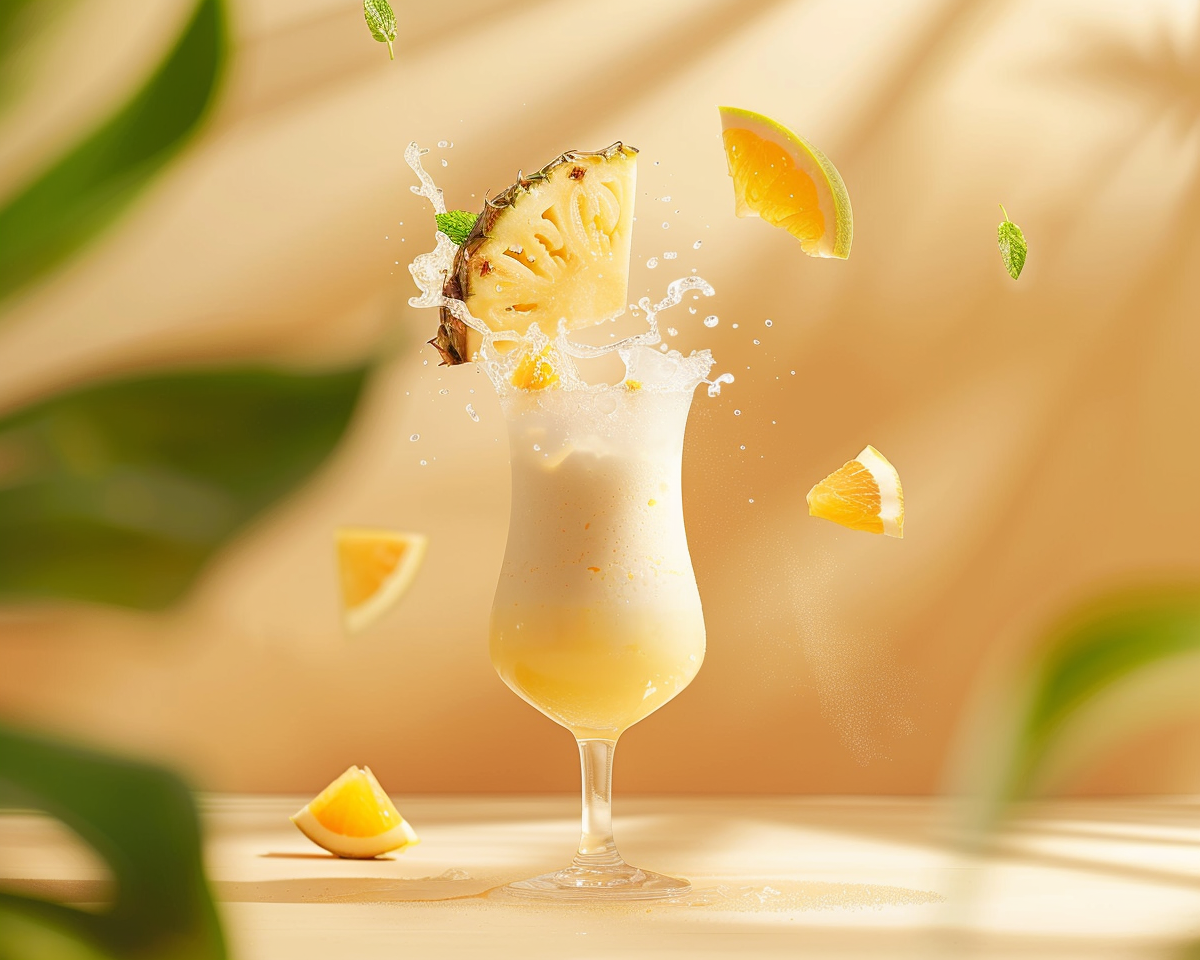
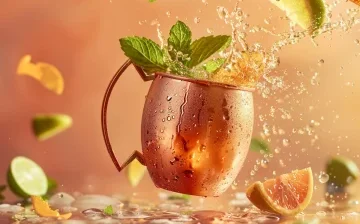
Mojito is traditionally served in a highball glass, allowing for an optimal balance between the cocktail and the crushed ice. A garnish tray with fresh mint leaves and lime wedges completes the presentation. On the other hand, Pina Colada, with its tropical vibe, is best served in a lowball glass. An attractive garnish would be a pineapple slice and cherry from the garnish tray.
Storage and Organization
Both Mojito and Pina Colada require a well-organized bar with necessary tools like speed pourers and liquor pour spouts for efficient service. An ice bucket with tongs is necessary to keep the ice within reach and a bar roll or tool bag helps to keep your tools organized.
Garnishing and Fine Detailing
For both cocktails, a cutting board and knife are used for slicing the fruit garnishes. The peeler and zester are key when preparing the lime for the Mojito, while the citrus juicer becomes pivotal in extracting fresh pineapple juice for the Pina Colada.
Preservation and Enhancement
While neither cocktail typically requires preservation, a wine aerator could be used for enhancing the rum’s flavor profile in both the Mojito and Pina Colada.
💡 Although both cocktails have their unique preparations, it’s the choice of glassware that truly sets them apart. The highball glass for Mojito emphasizes the freshness of the mint and lime, while the lowball glass for Pina Colada enhances the tropical aesthetics of the drink.
Mojito vs Pina Colada: A Dive into Cocktails Versatility
Occasion Pairings
Mojito, with its refreshing minty twist, is a perfect accompaniment to occasions like:
- Barbecues
- Beach Days
- Summer Music Festivals
- Weddings
On the other hand, Pina Colada, with its tropical vibe, pairs best with:
- Beach Themed Parties
- Holiday Parties
- Product Launches
- Retirement Parties
Season Pairings
| Mojito | Pina Colada |
|---|---|
| Spring | Summer |
| Summer | Winter (for a tropical feel) |
Event Pairings
Choose a Mojito for high-energy events like:
- Sporting Events
- Music Festivals
- Graduation Celebrations
Opt for a Pina Colada for more laid-back events like:
- Art Galas
- Anniversaries
- Baby Showers
💡While both Mojito and Pina Colada have their unique appeal, remember that the best cocktail is the one that complements the mood, setting, and preference of your guests.
Mojito vs Pina Colada: Ingredient Accessibility
Finding Mojito Ingredients
Acquiring the ingredients for a Mojito is relatively straightforward. Here’s what you’ll need:
- White rum
- Fresh mint leaves
- Lime juice
- Simple syrup or cane sugar
- Soda water
All these items are typically available at your local grocery store or liquor store. However, you might find it challenging to get fresh mint leaves during the winter season.
Finding Pina Colada Ingredients
Pina Colada requires a slightly more complex array of ingredients:
- White rum
- Coconut cream
- Pineapple juice
- Fresh pineapple (optional for garnish)
These ingredients are also commonly available, but coconut cream might require a visit to a specialty food store or an online order if it’s not stocked in your local grocery store.
Table Summary
| Mojito | Pina Colada |
|---|---|
| Easily available ingredients | Mostly available ingredients |
| Potential seasonal challenge with mint leaves | Potential need for specialty store for coconut cream |
💡 While both cocktails have easily accessible ingredients, Mojito might be the easier choice during winter, while Pina Colada could need a little extra effort to find coconut cream.
Mojito vs Pina Colada: Epic Cocktail Variations
Exquisite Mojito Variations
- Strawberry Mojito: A delightful twist on the classic Mojito, the Strawberry Mojito blends fresh strawberries, mint, and light rum for a refreshing and fruity taste.
- Coconut Mojito: This tropical version involves coconut rum and cream of coconut, offering a creamy, rich flavor that complements the mint and lime.
- Spicy Mojito: If you like a heat kick, the Spicy Mojito with jalapeno slices is an adventurous variation to try.
Captivating Pina Colada Variations
- Blue Pina Colada: This exciting variation uses blue curacao instead of rum, resulting in a visually stunning and tantalizingly sweet cocktail.
- Virgin Pina Colada: A non-alcoholic version of the classic Pina Colada, the Virgin Pina Colada swaps the rum for pineapple juice and coconut cream.
- Chocolate Pina Colada: A decadent treat for dessert lovers, this variation mixes in chocolate syrup for a truly indulgent cocktail experience.
Comparison Table
| Mojito | Pina Colada |
|---|---|
| Light and refreshing with mint and lime flavors | Creamy and tropical with pineapple and coconut flavors |
| Can be fruity, spicy, or creamy depending on the variation | Can be sweet, non-alcoholic, or indulgent depending on the variation |
💡 Unique Insight: While both cocktails have tropical origins and can be tailored to suit various taste preferences, Mojito variations tend to be lighter and more refreshing, making them ideal for hot summer days. In contrast, Pina Colada variations are usually creamier and sweeter, perfect for those with a sweet tooth or looking for a dessert-like cocktail.
Comparing Cocktail Costs: Mojito vs. Pina Colada
Mojito Cost Breakdown
Starting with the refreshing Mojito, here’s a list of key ingredients and their average costs:- White Rum – $15 to $30 per bottle
- Fresh Mint – $2 per bunch
- Limes – $1 for two
- Sugar – $2 for a pound
- Soda Water – $1 per bottle
Pina Colada Cost Breakdown
Let’s move on to the tropical Pina Colada and its accompanying costs:- White Rum – $15 to $30 per bottle
- Cream of Coconut – $2 to $3 per can
- Pineapple Juice – $2 per bottle
- Fresh Pineapple – $3 to $5 each
Brand Matters: From Lower to Higher
When it comes to brands, the cost of your cocktail can vary significantly. Here’s a quick comparison:| Mojito | Pina Colada |
|---|---|
| Lower Brand: Bacardi – $15 | Lower Brand: Bacardi – $15 |
| Mid-Range Brand: Havana Club – $25 | Mid-Range Brand: Malibu – $20 |
| High-End Brand: Ron del Barrilito – $45 | High-End Brand: Plantation – $35 |
💡 The Mojito tends to be slightly cheaper to make due to fewer ingredients. However, the choice of brand can significantly impact the cost of your cocktail.
Mojito vs Pina Colada: Prep & Mix Time
🍹 Mojito
Total Preparation: 10 minutes
Mixing Time: 5 minutes
Complexity of Preparation: Easy
Ingredient Preparation
- 6 fresh mint leaves
- 2 tsp of white sugar
- 1 lime, juiced
- 60ml white rum
- 120ml soda water
- Ice
Mixing Techniques
Muddle the sugar and mint leaves, add lime juice, rum, and ice in a glass. Stir well and top off with soda water.
🍹 Pina Colada
Total Preparation: 15 minutes
Mixing Time: 5 minutes
Complexity of Preparation: Medium
Ingredient Preparation
- 120ml pineapple juice
- 60ml white rum
- 60ml coconut cream
- 120ml fresh pineapple chunks
- Ice
Mixing Techniques
Add all ingredients into a blender. Blend until smooth, pour into a chilled glass, and garnish with a pineapple slice.
Presentation, Set Up, and Cleanup
The Mojito, served in a tall glass with a sprig of mint, has a simpler setup and cleanup compared to the more elaborate Pina Colada, which requires a blender and is served in a special Pina Colada glass with a pineapple slice garnish.
Waiting Time
Both cocktails are best served immediately after mixing for the freshest taste.
Expert Tips
For Mojito, always use fresh mint for the most authentic taste. For Pina Colada, using fresh pineapple instead of canned can significantly enhance the flavor.
💡 While Pina Colada requires more preparation time, its tropical flavors and creamy texture often make it worth the extra effort. On the other hand, Mojito, with its less complex preparation, offers a refreshing taste with fewer ingredients.
Mixology Hacks for the Perfect Blend: Mojito vs Pina Colada
Muddling Right
For a Mojito, muddling fresh mint leaves at the bottom of your glass is crucial to release their flavor. Conversely, for a Pina Colada, there’s no need to muddle – just blend the ingredients together.
Ice Matters
Crushed ice is a must for the Mojito, as it helps to combine the flavors. On the other hand, use cubed ice for the Pina Colada to prevent dilution when blending.
Shake vs Stir
Shaking is key to a well-mixed Pina Colada. But for the Mojito, just stir gently after muddling to preserve the mint leaves.
Herb Infusion
Infuse your Mojito with fresh mint leaves for an extra kick. The Pina Colada, however, does not require any herb infusion.
Aromatic Bitters
While aromatic bitters are not traditionally part of either cocktail, a dash can add complexity to your Mojito. Remember, it’s all about personalizing your drink!
Perfect Presentation
For the Mojito, a highball glass is ideal to showcase the layers of the cocktail. The Pina Colada looks best in a hurricane glass, topped with a pineapple slice and cherry.
Garnish Game
The Mojito needs a sprig of mint and a lime wheel. The Pina Colada shines with a pineapple slice and a maraschino cherry.
Temperature
Both cocktails should be served icy cold – the Mojito over crushed ice, and the Pina Colada straight from the blender.
Crafting Signature Cocktails at Home
With these techniques, you can easily adapt and personalize your Mojito and Pina Colada, adding your unique twist to these classic cocktails.
💡 Always remember, the key to a perfect cocktail lies in balancing the flavors, and the right mixology techniques can elevate your at-home cocktail game to new heights.
Mojito vs Pina Colada: A Dive into Alcohol Content
Mojito: The Refreshing Cuban Classic
When it comes to the Mojito, its alcohol content can vary depending on the preparation. Typically, a Mojito contains around 10-15% ABV (Alcohol by Volume), making it a relatively light cocktail. This is due to its components: a mix of white rum (40% ABV), fresh mint, lime juice, sugar, and soda water.
Pina Colada: The Tropical Puerto Rican Delight
The Pina Colada is slightly stronger than the Mojito, with an average alcohol content of 13-17% ABV. This sweet cocktail combines white rum (40% ABV), cream of coconut, and pineapple juice, which contribute to its higher alcohol content.
Alcohol-Free Alternatives: Mocktails
For those looking for an alcohol-free alternative, there are Mocktail versions of both the Mojito and Pina Colada. The Mojito Mocktail, also known as “Nojito”, replaces the rum with more soda water while keeping the refreshing mint and lime flavors. The Pina Colada Mocktail substitutes the rum with pineapple or coconut milk, maintaining the tropical taste.
| Mojito | Pina Colada |
|---|---|
| 10-15% ABV | 13-17% ABV |
| Nojito (Mocktail) | Pina Colada Mocktail |
💡 Despite the Pina Colada having a slightly higher average alcohol content, the Mojito can be made stronger by adding more rum and less soda water, showcasing the flexibility of cocktail recipes.
Nutritional Information: Mojito vs Pina Colada
Caloric Intake
A Mojito approximately contains 160 calories per serving, while a Pina Colada packs a hefty 490 calories per glass.Spirits & Mixers
Mojito uses rum and soda water, with Pina Colada also using rum but combining it with cream of coconut and pineapple juice.Sugar Content & Simple Syrups
A Mojito has around 15g of sugar, stemming from simple syrup and lime juice. In contrast, a Pina Colada contains around 32g of sugar, largely due to the cream of coconut and pineapple juice.Carbohydrates
Mojito contains 25.5g of carbs, with Pina Colada containing a higher 56g due to its rich ingredients.Proteins, Fats, & Other Nutrients
While a Mojito has negligible fat and protein, a Pina Colada offers about 2g of protein and 17g of fat.Vitamins, Minerals & Other Factors
Mojito provides vitamin C from the lime and mint. Pina Colada, on the other hand, offers a good amount of vitamin C and manganese from the pineapple juice.Allergens
Both cocktails are gluten-free, but Pina Colada might not be suitable for those with a nut allergy due to the coconut cream.Low-Calorie & Sugar-Free Options
For a more health-conscious choice, opt for a Mojito without the simple syrup or a light Pina Colada with unsweetened coconut milk and no added sugar.💡 Despite their tropical flair and refreshing taste, cocktails like Mojito and Pina Colada can vary greatly in their nutritional profiles. Choosing the right one can be a balance between taste, dietary needs, and health considerations.
High Quality Facts: Mojito vs Pina Colada
Origins and History
- The Mojito traces its roots back to Havana, Cuba. It’s a classic cocktail that’s been enjoyed for centuries.
- Pina Colada, on the other hand, is a sweet, tropical cocktail that originated in Puerto Rico in the mid-20th century.
Key Ingredients
| Mojito | Pina Colada |
|---|---|
| Fresh mint leaves, lime, sugar, white rum, soda water | Pineapple juice, coconut cream, white rum |
Taste Profile
Mojito offers a refreshing, crisp taste, with a perfect balance of sweetness and tartness, while Pina Colada delivers a creamy, tropical delight, rich in coconut and pineapple flavors.
Mixing Techniques
- Mojito requires a technique called muddling, where the mint leaves and lime are gently crushed to release their flavors.
- Pina Colada involves blending the ingredients to achieve a smooth, frothy consistency.
💡 Though both cocktails use rum as their base spirit, the Mojito and Pina Colada offer drastically different experiences, largely due to their contrasting taste profiles and preparation methods. Hence, the choice between them often boils down to personal preference and the ambiance of the occasion.
Mojito vs Pina Colada: An In-Depth Cocktail Comparison
What are the main ingredients in a Mojito and a Pina Colada?
A Mojito is a classic Cuban cocktail made from five simple ingredients: white rum, fresh lime juice, granulated sugar, fresh mint leaves, and soda water. A Pina Colada, on the other hand, is a sweet tropical cocktail from Puerto Rico, made of white rum, coconut cream, and pineapple juice.
How do you prepare Mojito and Pina Colada?
Mojitos are prepared by muddling mint leaves and sugar in a highball glass, adding lime juice and rum, filling the glass with ice, and topping it off with soda water. Pina Coladas are blended cocktails, combining rum, coconut cream and pineapple juice in a blender with crushed ice until smooth, then served in a hurricane glass.
What alcohol brands are commonly used?
Havana Club and Bacardi are popular choices for Mojitos, while Malibu and Bacardi are often used for Pina Coladas.
What barware and glassware are needed?
For Mojitos, a highball glass and a muddler are essential. Pina Coladas require a blender and a hurricane glass.
What are the food pairings for these cocktails?
Mojitos, due to their refreshing nature, pair well with spicy and tangy dishes, while Pina Coladas, with their creamy and fruity profile, complement seafood and tropical fruit desserts.
How are these cocktails presented?
Mojitos are garnished with a sprig of mint and a lime wheel, while Pina Coladas are traditionally garnished with a pineapple wedge and a maraschino cherry.
What nutritional information should I be aware of?
A Mojito has around 168 calories, and a Pina Colada has approximately 490 calories. Both cocktails contain sugar, but Pina Colada also contains lactose from the coconut cream.
What is the cost of making these cocktails?
On average, the cost of making a Mojito at home is around $2, while a Pina Colada costs about $3. The cost may vary depending on the quality and brand of the ingredients used.
What is the alcohol content (ABV Percentage) of these cocktails?
Both cocktails have similar alcohol content, with Mojitos having an ABV of around 13% and Pina Coladas having an ABV of approximately 12.5%.
Unique Insight: Despite their differences in taste, preparation, and presentation, both Mojito and Pina Colada share a common trait. They are both national drinks of their respective countries, emphasizing their cultural significance and popularity.