The Piña Colada and Margarita, compared for their tropical and lively flavors respectively, offer distinct appeal. They’re quick to prepare, perfect for summer occasions, and illustrate the rich cultural history of Caribbean and Mexican cocktails.
Classic Piña Colada Cocktail: A Tropical Delight in a Glass
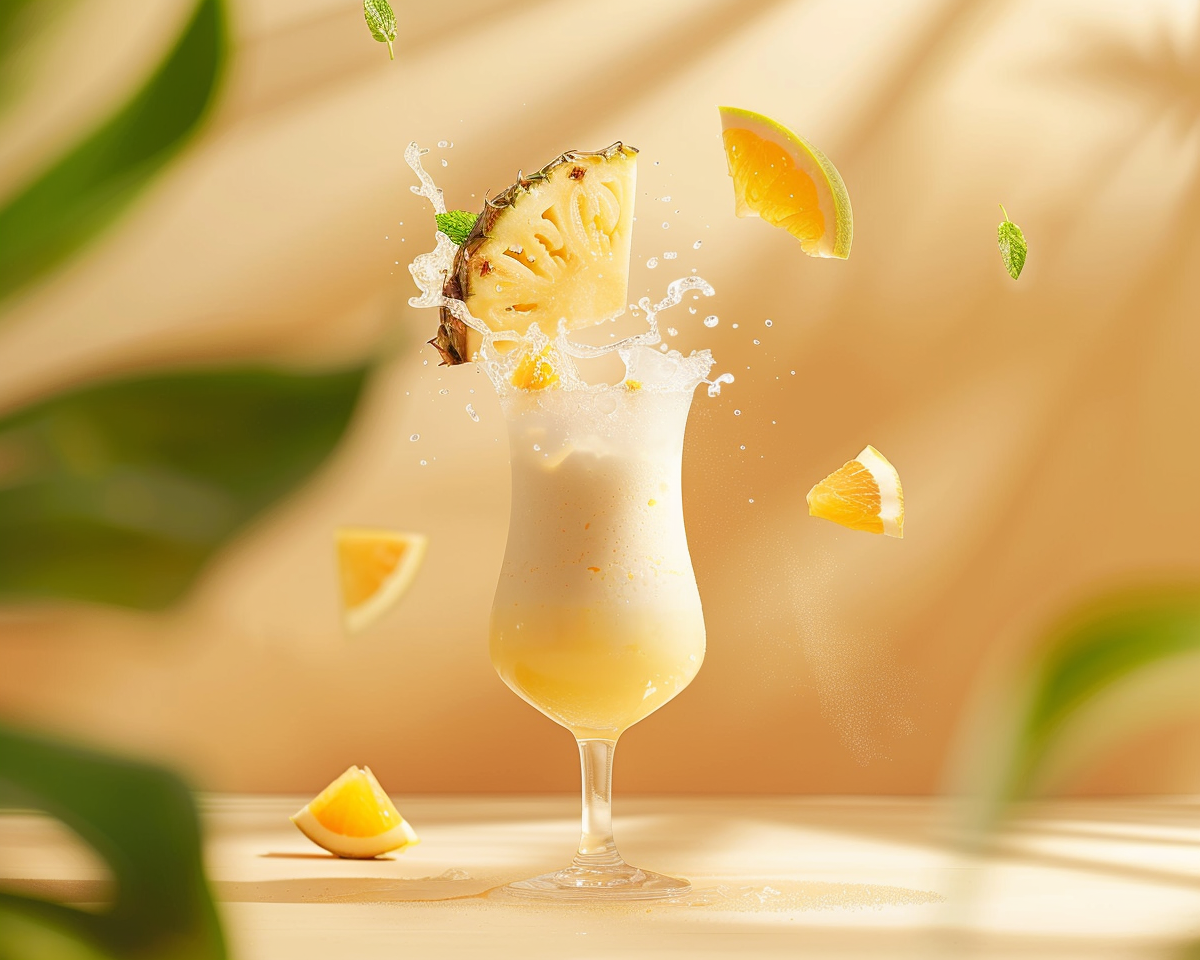
The Classic Piña Colada, a beloved cocktail in the realm of tropical drinks, artfully combines white rum, coconut cream, and pineapple juice, often adorned with a slice of pineapple or a maraschino cherry. This drink is a celebration of tropical flavors, where the sweetness of pineapple and the creamy richness of coconut perfectly blend with the smooth, light rum. The Piña Colada’s allure lies in its creamy texture and sweet, fruity flavor, making it an excellent choice for those seeking a taste of the tropics. It’s especially popular for poolside sipping, beach lounging, or as a festive summer party drink.
- Taste Profile: A luscious mix of sweet pineapple and creamy coconut, complemented by the subtle kick of white rum.
- Key Ingredients: White rum, coconut cream, and pineapple juice.
- Alcohol Content: Usually around 13-17% ABV, varying with the rum.
- Popularity: Widely adored for its sweet, tropical taste, a favorite in beach resorts and summer parties.
- Origin: Proudly hailed from Puerto Rico, with its invention claimed in the 1950s.
- Primary Alcohol: White rum, offering a light and versatile base.
- Preparation Time: Quick to whip up, typically within 5 minutes.
- Best Occasions: Perfect for beach-themed events, summer barbecues, or any occasion calling for tropical vibes.
- Serving Glass: Often served in a hurricane glass, garnished with pineapple and cherry for a festive look.
- Visual Appeal: Inviting with its creamy texture and garnished with vibrant tropical fruits.
- Barware: A blender is usually required for achieving its signature creamy consistency.
- Glassware: A hurricane glass enhances its exotic presentation.
- Nutritional Information: Averages around 245 calories per serving, mainly from the cream and alcohol.
- Variations: Popular variants include frozen Piña Coladas or adding other tropical fruits for different flavors.
- Complexity: Easy to make, but delightfully rich in flavor and texture.
Classic Margarita Cocktail: A Festive Fusion of Tequila and Citrus
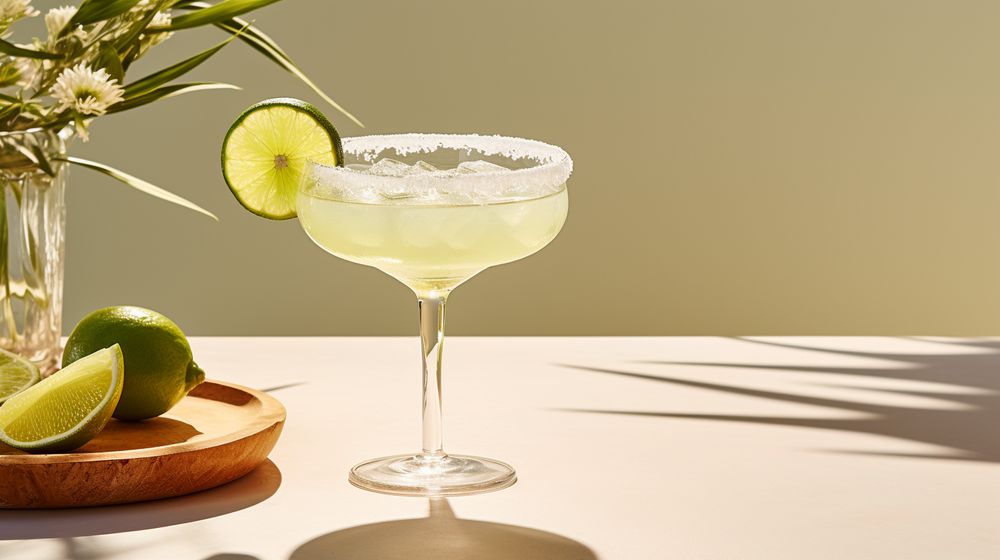
The Classic Margarita is a renowned cocktail in the world of spirited drinks, masterfully blending tequila, triple sec, and fresh lime juice, often presented with a salted rim. This cocktail is a symphony of vibrant flavors, where the tangy lime juice harmoniously complements the robustness of tequila and the sweetness of triple sec. The Margarita’s charm lies in its refreshing and zesty profile, making it a popular choice for those who enjoy a lively and spirited drink. It’s perfect for festive occasions, sunny outdoor gatherings, or as a vibrant addition to any casual evening.
- Taste Profile: A lively mix of tangy lime, sweet triple sec, and bold tequila.
- Key Ingredients: Tequila, triple sec (like Cointreau), and fresh lime juice.
- Alcohol Content: Generally around 30-40% ABV, depending on the tequila.
- Popularity: Celebrated for its tangy and refreshing flavor, a staple in bars worldwide.
- Origin: Believed to have Mexican roots, with various stories about its creation.
- Primary Alcohol: Tequila, adding a distinctive and earthy kick.
- Cost: Typically ranges from $8–$20 per glass, varying with tequila quality.
- Preparation Time: Quick and easy to mix, usually within 5 minutes.
- Best Occasions: Ideal for parties, summer gatherings, or as a celebratory cocktail.
- Serving Glass: Often served in a Margarita glass, sometimes with a salted rim for extra zest.
- Visual Appeal: Bright and inviting, often garnished with a lime wheel or wedge.
- Barware: Requires a cocktail shaker and strainer for a smooth blend.
- Glassware: A Margarita glass typically enhances its festive presentation.
- Nutritional Information: Contains about 200 calories per serving, mainly from alcohol and sugar.
- Variations: Includes frozen Margaritas, flavored versions (like strawberry or mango), and spicy twists.
- Complexity: Simple to prepare, yet offers a delightful interplay of taste and presentation.
Key Takeaways
- Flavor Profiles: Piña Coladas offer a creamy, sweet blend of coconut and pineapple, whereas Margaritas provide a zesty and tangy mix of lime and tequila.
- Textural Contrast: Piña Coladas are rich and smooth, evoking a luxurious, tropical feel, while Margaritas are lighter, with a crisp and refreshing citrus edge.
- Occasion Suitability: Piña Coladas are perfect for relaxed, beach-themed settings and summer vibes, whereas Margaritas fit festive, lively occasions and outdoor celebrations.
Piña Colada vs Margarita FAQ
What are the main ingredients of a Piña Colada and a Margarita?
The classic Piña Colada recipe is a sweet cocktail made with rum, cream of coconut, and pineapple juice. On the other hand, a traditional Margarita consists of tequila, lime juice, and Cointreau or Triple Sec.
How are these cocktails prepared?
A Piña Colada is usually blended with ice to create a smooth, creamy texture. Margaritas can be served either on the rocks or blended, with a salted rim to balance the tartness of the lime.
Which alcohol brands are commonly used?
Popular rum brands for Piña Coladas include Bacardi and Captain Morgan, while Patron and Jose Cuervo are often used for Margaritas.
What barware and glassware are required?
A blender is crucial for making a Piña Colada, and it’s typically served in a hurricane glass. A Margarita requires a shaker and is traditionally served in a Margarita glass.
What are the food pairings for these cocktails?
Piña Coladas pair well with tropical dishes, like grilled fish and chicken. Margaritas are a perfect match for spicy Mexican foods such as tacos or enchiladas.
How do these cocktails present visually?
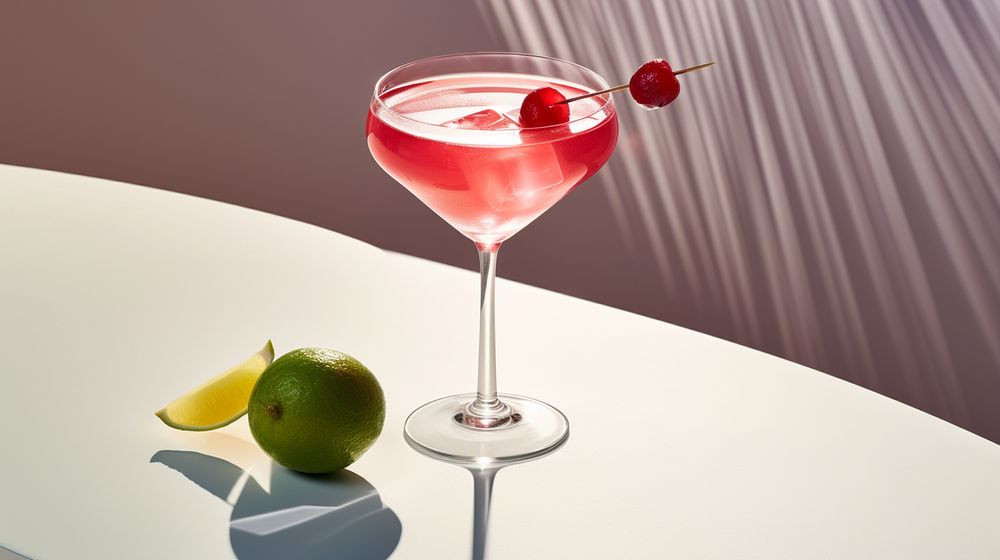
A Piña Colada is a creamy, white cocktail often garnished with a pineapple slice or maraschino cherry. A Margarita is usually a clear or slightly cloudy cocktail, garnished with a lime wheel and served in a salt-rimmed glass.
What is the nutritional information and allergy concerns?
A Piña Colada contains around 245 calories per serving and may not be suitable for those with lactose or pineapple allergies. A Margarita has about 168 calories per serving and could cause reactions in people allergic to citrus or agave.
What are the making costs and alcohol content for these drinks?
The cost to make a Piña Colada can be slightly higher due to the price of cream of coconut and pineapple juice. It generally has an alcohol content of around 13-15%. A Margarita is usually less expensive to make and has an alcohol content of 20-25%.
Unique Insight: Despite their differences, both Piña Colada and Margarita have a rich history rooted in the Caribbean and Mexico respectively, highlighting the cultural significance of these beloved cocktails.