Seasonal Cocktails Flavor Profile
When it comes to the vibrant world of mixology, the flavor profile of seasonal cocktails offers an exciting exploration. As the seasons change, so do the tastes and aromas that make our favorite cocktails stand out. Here, we delve into the unique flavor profiles that define seasonal cocktails.
Basic Tastes of Seasonal Cocktails
Let’s start by understanding the basic tastes that characterize seasonal cocktails:
- Spring: Light, floral, and citrusy flavors using ingredients like elderflower, mint, and lemon.
- Summer: Refreshing, fruity, and tropical tastes with ingredients such as watermelon, pineapple, and coconut.
- Autumn: Rich, spicy, and earthy notes featuring ingredients like cinnamon, apple, and pumpkin.
- Winter: Warm, robust, and hearty flavors with components like nutmeg, orange peel, and whiskey.
Highlighting and Balancing Flavors
Creating a harmonious seasonal cocktail involves more than just mixing ingredients. It’s about understanding how to highlight and balance flavors. For instance, the bitterness of grapefruit can be balanced with the sweetness of honey in a spring cocktail. Similarly, the robust flavor of whiskey in a winter cocktail can be mellowed with the sweetness of apple cider.
Flavors from Complementary Ingredients
Seasonal cocktails also derive unique flavors from complementary ingredients. For example, a pinch of salt can enhance the sweetness of a summer watermelon cocktail. In contrast, a dash of bitters can add complexity to an autumn apple cider cocktail.
| Season | Complementary Ingredient |
|---|---|
| Spring | Honey |
| Summer | Salt |
| Autumn | Bitters |
| Winter | Apple Cider |
💡 The secret to mastering seasonal cocktails lies in understanding the balance of flavors. It’s about creating a symphony of tastes that complement the season and evoke a sense of place and time. So, the next time you’re mixing a cocktail, consider the season and let it guide your choice of flavors.
Seasonal Cocktails Ideas
Spring Bloom Gin & Tonic
Spring Bloom Gin & Tonic is a refreshing cocktail that combines the botanical flavors of gin with the zesty tang of tonic. The floral notes of the gin are highlighted by the addition of fresh blooms, creating a drink that is as beautiful as it is delicious.
Cherry Blossom Martini
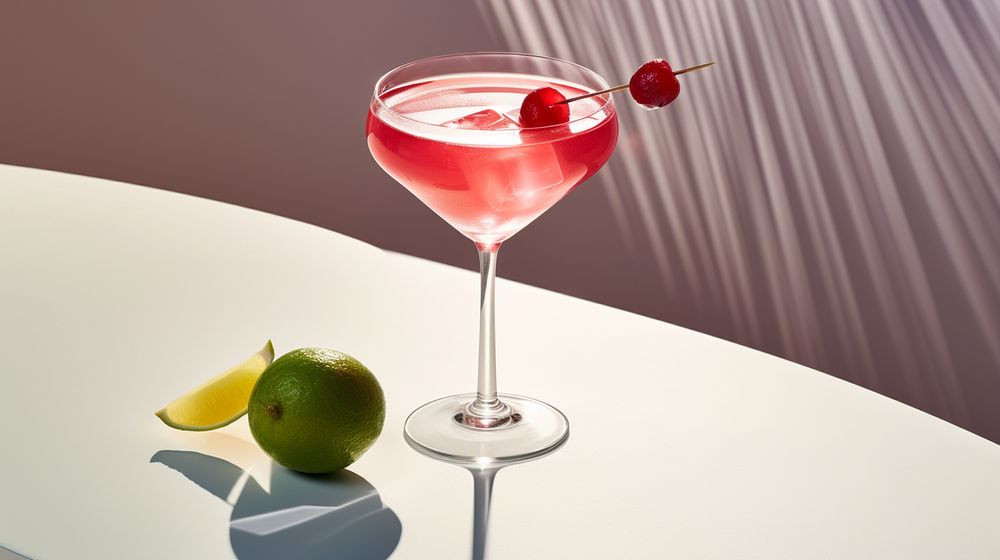
This martini is a sweet and fruity concoction that captures the essence of spring. It combines cherry vodka, cherry juice, and a splash of lime for a cocktail that is as visually appealing as it is tasty.
Lavender Lemonade
Lavender Lemonade is a light and refreshing cocktail that is perfect for warm spring days. The subtle floral notes of lavender pair perfectly with the tartness of the lemonade, creating a drink that is both soothing and invigorating.
Strawberry Basil Mojito
This mojito variation brings a burst of summer freshness with its combination of ripe strawberries, fresh basil, and tangy lime. The sweetness of the strawberries balances the herbaceous basil, making this a perfect cocktail for a hot summer day.
Easter Egg Hunt Mimosa
The Easter Egg Hunt Mimosa is a fun and fruity cocktail that combines champagne with a variety of fruit juices. The result is a bubbly and refreshing drink that is perfect for a celebratory brunch or an afternoon gathering.
Summer Solstice Sangria
This sangria is a celebration of summer, combining a variety of fresh fruits with white wine and a splash of brandy. The result is a refreshing and fruity cocktail that is perfect for sipping on a hot summer day.
Watermelon Margarita
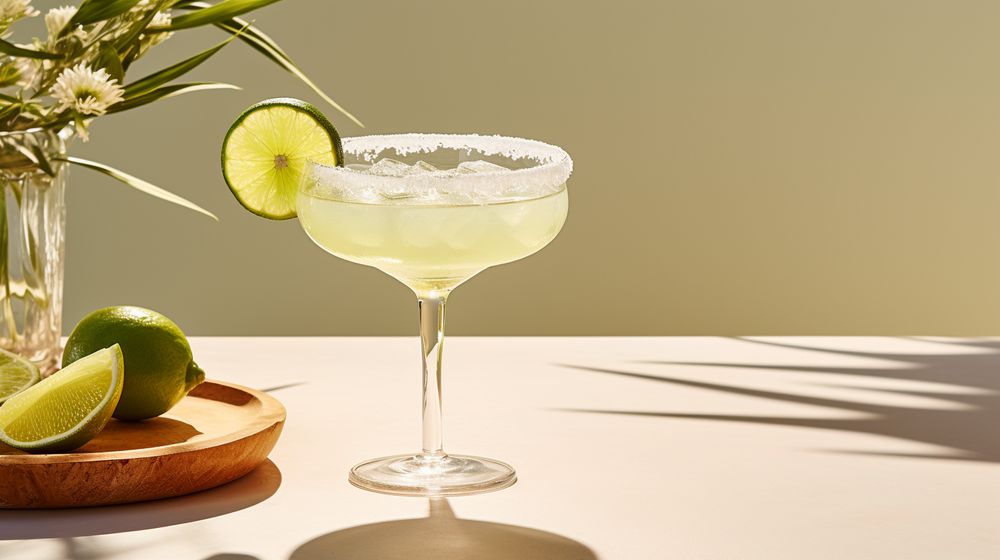
The Watermelon Margarita is a refreshing and fruity twist on the classic margarita. The sweet watermelon flavor pairs perfectly with the tangy lime and tequila, making this a perfect cocktail for a summer barbecue or pool party.
Pineapple Pisco Sour
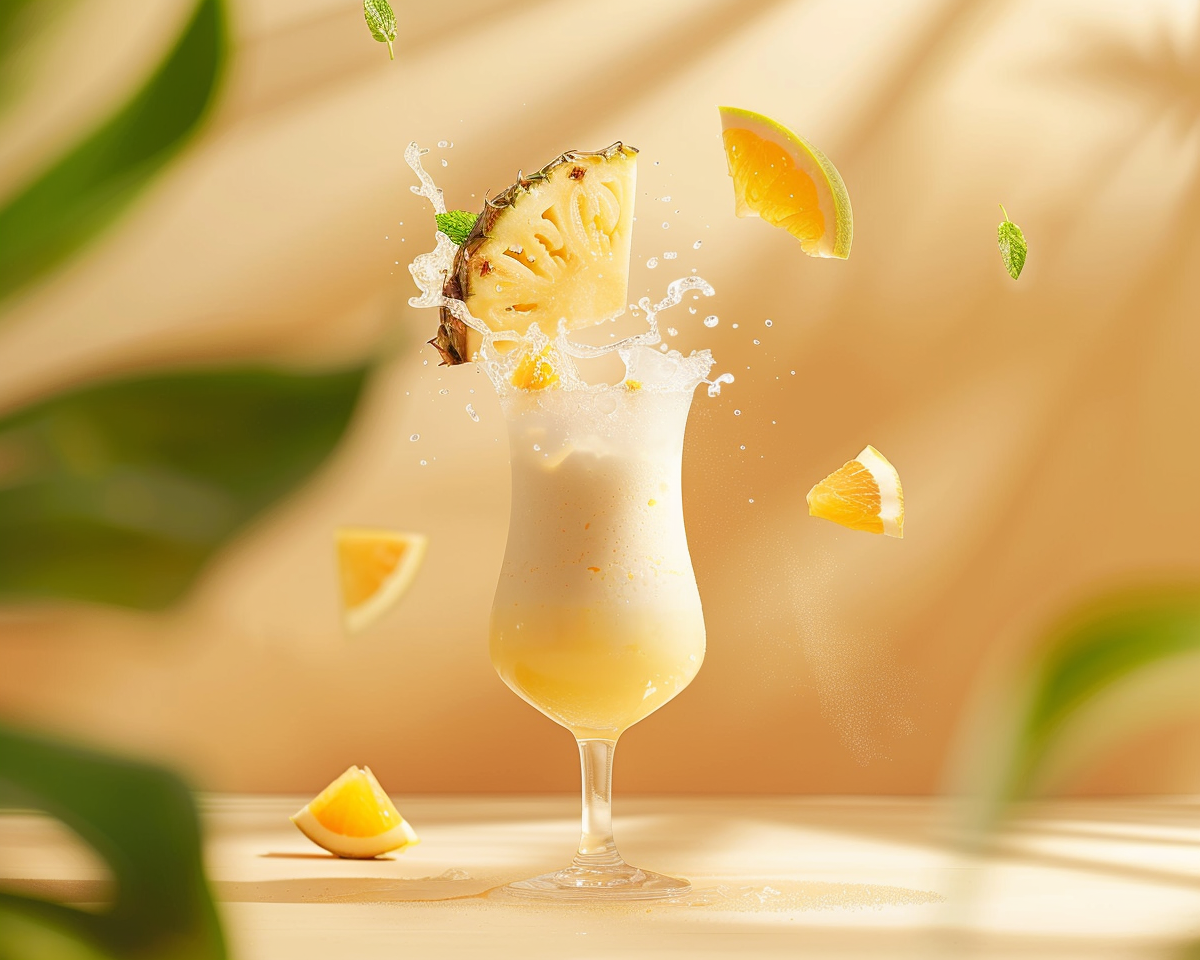
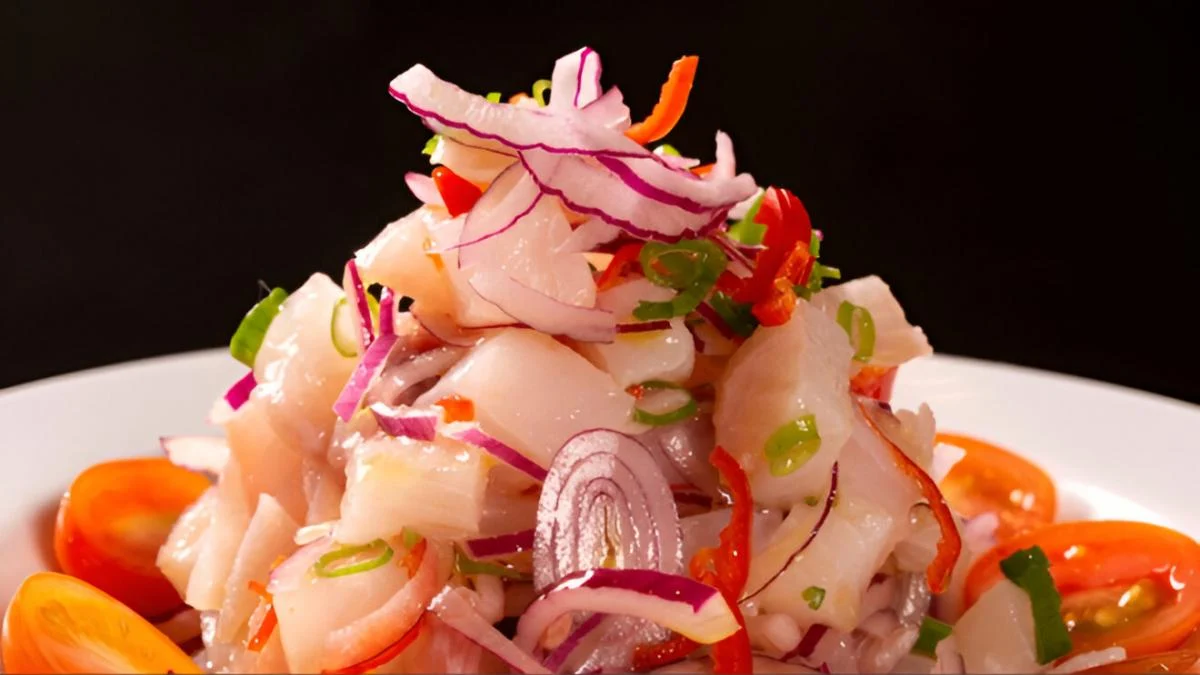
This tropical cocktail combines the fruity sweetness of pineapple with the tartness of lime and the smoothness of pisco. The result is a refreshing and tangy drink that is perfect for a summer party or a relaxing evening at home.
Coconut Mojito
The Coconut Mojito is a tropical twist on the classic mojito. The sweet and creamy coconut flavor pairs perfectly with the mint and lime, creating a refreshing and exotic cocktail that is perfect for a summer party or a relaxing day at the beach.
Beach Bum Punch
This fruity and refreshing cocktail combines a variety of tropical flavors, including pineapple, coconut, and orange. The result is a sweet and tangy punch that is perfect for sipping on a hot summer day at the beach.
Seasonal Cocktails: Base Spirits Unveiled
When it comes to crafting the perfect seasonal cocktail, the choice of base spirit is crucial. It’s like the foundation of a building, setting the tone for the overall flavor and character of the drink. Let’s delve into the fascinating world of base spirits and their role in seasonal cocktails.
Most Commonly Used Base Spirits in Cocktails
- Vodka: Known for its versatility and neutrality.
- Rum: Brings a sweet and tropical vibe.
- Gin: Adds a herbal and floral touch.
- Whiskey: Lends a warm and robust flavor.
- Tequila: Injects a spicy and earthy note.
Impact of Base Spirits on Seasonal Cocktails’ Flavor
Each base spirit carries distinct characteristics that influence the overall flavor of a seasonal cocktail. For instance, a whiskey-based winter cocktail would have a rich, warming effect, while a gin-based spring cocktail might evoke fresh, floral notes.
Substituting Base Spirits in Seasonal Cocktail Recipes
While you can experiment with swapping one base spirit for another, keep in mind that this will significantly alter the cocktail’s taste and character. A margarita made with vodka instead of tequila, for instance, will have a different flavor profile.
Preferred Brands for Seasonal Cocktails
Choosing the right brand can elevate your seasonal cocktail to new heights. Some favorites include Tanqueray for gin-based summer cocktails, Bacardi for rum-based tropical cocktails, and Jameson for whiskey-based winter warmers.
Seasonal Cocktails Showcasing the Base Spirit
Some seasonal cocktails are designed to highlight the base spirit rather than masking it with other flavors. Examples include the winter Old Fashioned (whiskey), the spring Martini (gin), the summer Mojito (rum), and the autumn Margarita (tequila).
💡 Remember, the key to a great seasonal cocktail lies not just in the choice of base spirit, but also in the balance of flavors. Experiment and have fun, but always respect the spirit!
Unveiling the Magic of Seasonal Cocktail Ingredients
Immerse yourself in the enchanting world of seasonal cocktails. Let’s unravel the secrets behind the ingredients that give your favorite seasonal cocktails their unique character and flavor.
The Spirit of Seasonal Cocktails
Different spirits not only form the backbone of a cocktail but also heavily influence its flavor notes. For instance, bourbon adds a rich, sweet, and smoky undertone to winter cocktails, while gin, with its botanical profile, is a staple in refreshing spring cocktails.
Key Ingredients and Flavor Profiles
Seasonal ingredients like fresh berries in summer or pumpkin in fall significantly contribute to the overall flavor of seasonal cocktails. They add a layer of freshness and authenticity that’s hard to replicate with artificial flavors.
Choosing the Right Mixers
Mixers can make or break your cocktail. For a superior seasonal cocktail experience, choose high-quality mixers that complement your spirit and seasonal ingredients. Tonic water, for instance, pairs well with gin, while apple cider can enhance the flavors of a fall cocktail.
The Power of Fresh Ingredients
Fresh fruits, herbs, and vegetables not only add flavor and aroma to seasonal cocktails but also enhance their visual appeal. Think fresh mint in a summer mojito or a cinnamon stick in a winter hot toddy.
Sweeteners and Texture
The choice of sweetener can significantly affect a cocktail’s flavor and texture. From simple syrup to honey and agave nectar, each sweetener imparts a unique taste and consistency to your drink.
Adding Complexity with Bitters and Liqueurs
Bitters, liqueurs, and other flavor-enhancing ingredients add complexity and balance to seasonal cocktails. They can transform a good cocktail into a great one by adding depth and subtlety.
Sourcing and Preparing Ingredients
Seasonal cocktails often feature unique or exotic ingredients. Sourcing these ingredients locally or preparing them at home can add a personal touch to your cocktail experience.
Garnishing Your Seasonal Cocktails
Garnishes play both a functional and aesthetic role in cocktails. From a slice of fruit to a sprig of fresh herbs, the right garnish can elevate your seasonal cocktail to new heights.
💡 Remember, the magic of seasonal cocktails lies in their ability to capture the essence of each season in a glass. So, embrace the season, experiment with ingredients, and create your own cocktail symphony.
Seasonal Tips for Seasonal Cocktails
When it comes to imbibing, the change of seasons brings a delightful shift in cocktail options. Whether you’re a cocktail enthusiast or a newbie, our guide will help you navigate the world of seasonal cocktails, ensuring you always have the perfect drink for any occasion.
Spring Cocktails
Spring is the time for fresh and floral cocktails. Think gin-based drinks like the classic Gin and Tonic or the refreshing Elderflower Collins. These cocktails are light and bright, perfect for enjoying the warmer weather.
Summer Cocktails
Summer calls for tropical and fruit-forward cocktails. Margaritas, Mojitos, and Pina Coladas are all excellent choices. These drinks are refreshing and full of flavor, ideal for sipping poolside or at a beach party.
Autumn Cocktails
As the leaves change color, so should your cocktails. Autumn is the perfect time for whiskey and apple cider-based drinks. Try a classic Old Fashioned or an Apple Cider Moscow Mule to warm up on a cool fall evening.
Winter Cocktails
Winter cocktails should be warming and comforting. Think mulled wine, Hot Toddies, and creamy cocktails like the White Russian. These drinks are perfect for sipping by the fire or at a festive holiday party.
| Season | Recommended Cocktail |
|---|---|
| Spring | Gin and Tonic |
| Summer | Margarita |
| Autumn | Old Fashioned |
| Winter | Hot Toddy |
💡 Remember, the beauty of cocktails is in their versatility. Don’t be afraid to experiment with different ingredients based on what’s in season. This not only helps to elevate the taste of your cocktails but also makes them more sustainable!
Seasonal Cocktails Food Pairings
Pairing food with seasonal cocktails can elevate your dining experience, making it more enjoyable and memorable. Here’s how to do it right.
Spring Cocktails and Food Pairings
Spring cocktails often feature light, floral, and fruity flavors. Think of a refreshing gin and tonic or a tangy margarita.
- Gin and Tonic: Pairs well with seafood, particularly oysters and salmon.
- Margarita: Perfect with spicy Mexican dishes like tacos or enchiladas.
Summer Cocktails and Food Pairings
Summer cocktails are all about refreshing and tropical flavors. Picture a cool mojito or a fruity pina colada.
- Mojito: Complements grilled meats and vegetables, particularly Cuban cuisine.
- Pina Colada: Ideal with tropical dishes, like grilled pineapple or coconut shrimp.
Fall Cocktails and Food Pairings
Fall cocktails tend to have warm, spicy flavors. Imagine a smooth bourbon cocktail or a spicy pumpkin martini.
- Bourbon Cocktail: Pairs perfectly with smoked meats or hearty stews.
- Pumpkin Martini: Excellent with fall desserts, like pumpkin pie or apple crisp.
Winter Cocktails and Food Pairings
Winter cocktails often feature rich, robust flavors. Consider a classic old fashioned or a creamy Irish coffee.
- Old Fashioned: Complements rich foods, like steak or chocolate desserts.
- Irish Coffee: Ideal with breakfast foods or creamy desserts.
💡 Remember, the best food and cocktail pairings balance flavors. If your dish is spicy, opt for a cocktail with a hint of sweetness. If your food is rich and heavy, go for a cocktail with acidity or bitterness to cut through the richness.
Seasonal Cocktails Frequently Asked Questions
What are some popular seasonal cocktails?
Seasonal cocktails change with the season, making use of fresh ingredients that are currently in season. Some popular choices include the Winter White Russian, Spring Strawberry Basil Margarita, Summer Peach Bellini, and Autumn Apple Cider Mimosa.
What ingredients go into a Winter White Russian?
A Winter White Russian cocktail includes vodka, coffee liqueur, and cream, served over ice. Some variations include the addition of peppermint or cinnamon for a festive touch.
Which alcohol brands are best for making a Spring Strawberry Basil Margarita?
For a Spring Strawberry Basil Margarita, a high-quality tequila such as Patron Silver or Don Julio Blanco is recommended. A good quality orange liqueur like Cointreau or Grand Marnier will also enhance the flavor of the cocktail.
What barware is needed to make a Summer Peach Bellini?
To make a Summer Peach Bellini, you will need a cocktail shaker, a blender to puree the peaches, and champagne flutes to serve the cocktail.
What type of glassware is best for an Autumn Apple Cider Mimosa?
An Autumn Apple Cider Mimosa is best served in a champagne flute to enhance the visual presentation and maintain the bubbles from the champagne.
What food pairings go well with seasonal cocktails?
Food pairings for seasonal cocktails can vary based on the cocktail. For example, a Winter White Russian pairs well with rich, hearty dishes, while a Spring Strawberry Basil Margarita goes well with lighter, fresh Mexican cuisine. A Summer Peach Bellini pairs beautifully with brunch items, and an Autumn Apple Cider Mimosa works well with fall desserts like apple pie.
How can I customize my seasonal cocktails?
Seasonal cocktails can be customized by adding or swapping ingredients that complement the season. For example, you could add fresh mint to a Spring Strawberry Basil Margarita, or use a flavored vodka in a Winter White Russian.
What is the calorie content and allergy information for these seasonal cocktails?
The calorie content of seasonal cocktails can vary widely, depending on the ingredients used. Generally, they can range from 150 to 300 calories per serving. As for allergy information, it’s important to check the labels of all ingredients used, as some may contain allergens like gluten or nuts.
What is the cost of making these seasonal cocktails?
The cost of making seasonal cocktails can vary based on the ingredients and brands used. However, on average, you can expect to spend between $2 and $10 per cocktail.
What is the alcohol content (ABV percentage) of these seasonal cocktails?
The alcohol content of seasonal cocktails can vary based on the types and amounts of alcohol used. On average, you can expect an ABV of around 10-20% for most seasonal cocktails.