The Uniqueness of Spanish Cocktails in Mixology
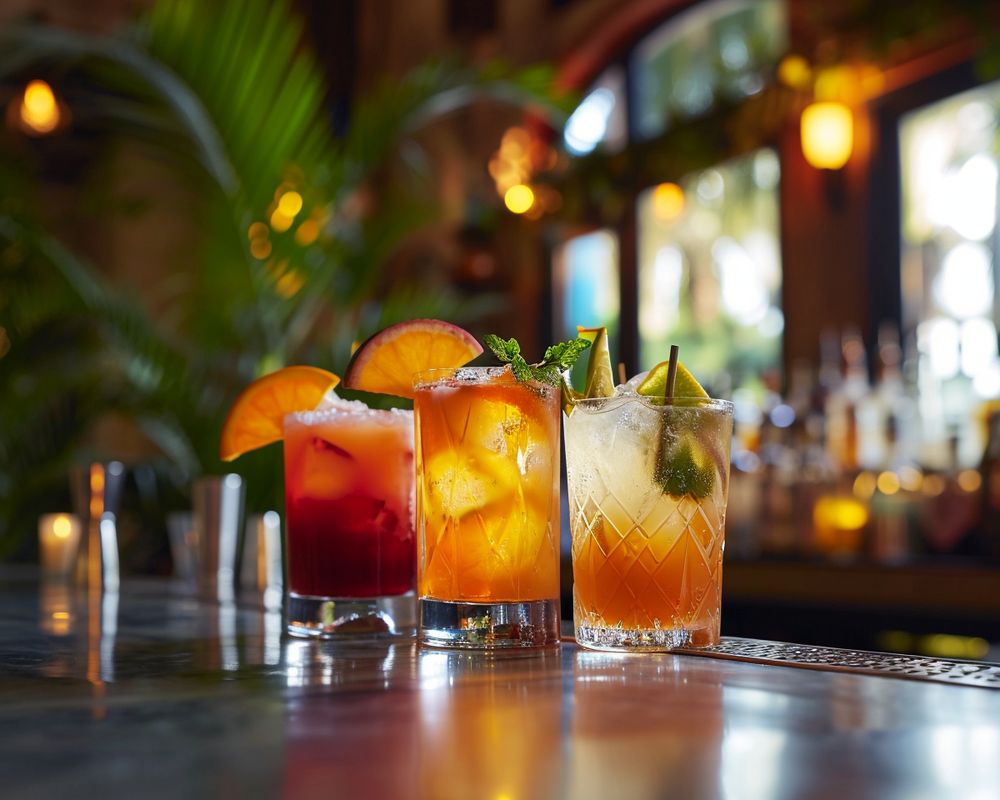
💡 Spanish cocktails are the embodiment of Spain’s spirited and vibrant culture, mirroring the country’s love for joyous gatherings. They combine tradition with innovation, resulting in beverages that are both rooted in history and embracing of the modern age. They truly bring an extra zest to the art of mixology.
The Origins of Spanish Cocktails
Spanish cocktails trace their origins back to the 19th century, when bartenders started fusing local wines and spirits with various herbs, fruits, and spices. These were initially served in upscale bars and taverns mainly in Madrid and Barcelona, before gaining widespread popularity across the country and eventually, the globe.
Spanish Cocktails: A Reflection of Culture
- Symbol of Hospitality: In Spain, cocktails like Sangria and Tinto de Verano are traditionally associated with socializing and hospitality, often served at home gatherings and festivals.
- Culinary Diversity: Spanish cocktails showcase the country’s diverse culinary palette, using an assortment of ingredients ranging from wines, brandy, fruits, to spices and herbs.
- Innovation Meets Tradition: Spanish cocktail culture blends regional liquor and wine tradition with global mixology trends, resulting in unique concoctions that are both authentic and avant-garde.
5 Popular Spanish Cocktails
-
Sangria
As the iconic Spanish punch, Sangria takes red wine to the next level. Traditionally made by combining red wine with a variety of chopped fruits, sugars, and brandy, it’s a refreshing cocktail perfect for summer outings or chilling by the BBQ. Its diversity of flavours creates a unique taste experience that is both sweet and tangy.
🍸 Pro Tip: Adding a touch of citrus zest or garnishing with fresh mint adds an extra refreshing touch to this drink.
✨ Taste Profile: Juicy, fruity and wine-forward, with a playful balance of sweet and tart elements.
🍴 Snack Pairing: Try it with a plate of traditional Spanish tapas or cheeses for an immersive experience.
🥃 Glassware tip: A tall, sturdy glass allows you to fully appreciate Sangria’s fruit-filled aesthetics.
-
Agua de Valencia
Agua de Valencia has often been described as sunshine in a glass. As a mix of fresh Valencian orange juice, cava, vodka, and gin, this drink is refreshing with a potent kick. Invented in Valencia, it is both a local tradition and a celebration of the region’s renown for juicy, flavourful oranges.
🍸 Pro Tip: Use freshly squeezed oranges for the best taste, and chill the cava before mixing for a really refreshing sipping experience.
✨ Taste Profile: Zesty, crisp, and slightly sweet with a vivacious fizz.
🍴 Snack Pairing: Pairs perfectly with fresh seafood or a paella.
🥃 Glassware tip: Serve it in a champagne flute to maintain the effervescence and to highlight the lively orange color.
-
Calimocho
A simple, yet surprisingly tasty cocktail, Calimocho is a blend of red wine and cola. This Basque Country concoction is a favorite at carnivals and festivals across Spain. Its sweet, yet robust character makes it a must-try.
🍸 Pro Tip: Don’t hesitate to use an inexpensive wine for this mix, the cola complements and uplifts the flavour.
✨ Taste Profile: Earthy, sweet and subtly spritzy.
🍴 Snack Pairing: Pair with a spicy chorizo or Manchego cheese to really bring out the drink’s complexities.
🥃 Glassware tip: Using a tall, highball glass allows the deep color of the drink to truly shine.
-
Tinto de Verano
A close cousin to Sangria, Tinto de Verano or “Summer Wine”, is an infusion of red wine and soda water. This light and carb-filled cocktail is the ideal thirst quencher during those hot Spanish summers. Its simplicity is key to its charm as it allows the wine to shine.
🍸 Pro Tip: Add slices of lemon and a sprig of mint for an refreshing twist.
✨ Taste Profile: Light, fizzy, and mildly sweet, with a pleasant hint of bitterness.
🍴 Snack Pairing: Enhance your Tinto de Verano experience with some calamari rings or a plate of Patatas Bravas.
🥃 Glassware tip: Serving it in a large wine glass helps to keep it cool while putting the vibrant colour on display.
-
Chupito de Hierbas
Hailing from the beautiful Balearic Islands, Chupito de Hierbas is a traditional Spanish herbal liqueur shot. Made from anise and various other herbs, it presents a dozen different layers of flavour. It is traditionally enjoyed as a digestive after a hearty meal.
🍸 Pro Tip: serve it chilled or on the rocks to dilute the intensity.
✨ Taste Profile: Sweet, aromatic, and complex, with a distinct touch of anise.
🍴 Snack Pairing: Being a digestif, it pairs great with or without food!
🥃 Glassware tip: Best served in a short shot glass.
3 Mocktails (Non-Alcoholic Alternatives) for Spanish Cocktails
-
Agua De Valencia Mocktail
The Agua De Valencia Mocktail is a citrus surprise made from freshly squeezed orange juice, lemon tonic, and a splash of lime. This non-alcoholic version captures the refreshing and zesty character of the original recipe, without relying on alcohol for its punch.
🍸 Pro Tip: Always use freshly squeezed oranges for the best flavor and a vibrant color to your mocktail.
✨ Taste Profile: Bubbly and fruity, with refreshing citrus undertones.
🍴 Snack Pairing: Perfectly pairs with tapas like Manchego cheese or patatas bravas.
🥃 Glassware Tip: Serve in a tall glass with a slice of orange on the rim for an authentic Spanish touch.
-
Virgin Sangria
A must-try is the Virgin Sangria, brimming with vibrant flavors of fruit and spice, sans the wine. This authentic Spanish delight brings together a concoction of apple juice, freshly squeezed orange juice, lemonade, and a pinch of cinnamon. Garnishing with mixed fruits adds to its visual appeal.
🍸 Pro Tip: Allow the mixture to chill in the fridge for a few hours before serving to let the flavors fully absorb.
✨ Taste Profile: Sweet and tangy with a subtle hint of spice.
🍴 Snack Pairing: It’s a great nighttime beverage that pairs well with churros or flan for —a sweet finish to a hearty Spanish meal.
🥃 Glassware Tip: Serve this mocktail in a large wine glass, filled with ice and fruits for an authentic Sangria feel.
-
Flamenco Fizz
The Flamenco Fizz is a non-alcoholic twist on the classic fizz cocktails. It brings together the tang of pineapple juice, freshness of mint, and the sparkle of soda, drizzled with grenadine for a sweet finish. This drink is a hit for its extraordinary combination and enjoyable bubbles.
🍸 Pro Tip: Muddle the mint leaves gently to release their flavor without going too harsh and turning it bitter.
✨ Taste Profile: Bubbly and sweet with a punch of fresh mint.
🍴 Snack Pairing: Flamenco Fizz compliments well with savory tapas, such as gambas al ajillo (garlic prawns).
🥃 Glassware Tip: Serve in a tall Collins glass with a sprig of mint at the top to enhance the scent experience.
A Seasonal Spanish Cocktail Experience
Every season brings a unique mix of flavors that can be expressed through cocktails. From the enlivening freshness of spring to the cozy comforts of winter, these Spanish cocktails fit in perfectly with each season’s mood.
| Season | Cocktail Name | Main Ingredients |
|---|---|---|
| Spring | Agua de Valencia | Cava, orange juice, vodka, gin |
| Summer | Sangria | Red wine, fruit, brandy, sugar |
| Autumn | Calimocho | Red wine, cola, lemon |
| Winter | Carajillo | Espresso coffee, brandy or rum, sugar |
Seasonal Cocktail Recommendations
Enjoy the vibrant Agua de Valencia in the blossoming spring while soaking up some mild sunshine. Its citrus freshness and fizz make it absolutely delightful.
“For a refreshing summer drink, nothing beats Sangria. Loaded with fresh fruits and chilled red wine, it’s the ideal accompaniment to a lazy poolside afternoon.”
The robust Calimocho, with its interesting wine-cola combo, is a surefire crowd-pleaser in the crisp autumn air. This drink is deliciously unusual and a conversation starter!
In chilly winters, a Carajillo is your perfect companion. This hot coffee cocktail with a kick of liqueur and warmth of sugar will keep you cozy.
No matter the season, remember to enjoy these drinks responsibly. ¡Salud!
Unveiling the Magic: Unique Ingredient Stars in Spanish Cocktails
Spain is known not only for flamenco and sun-kissed beaches but also for its delightful and exciting cocktails. But what really sets Spanish cocktails apart? Let’s delve into the world of Spanish mixology and discover the key ingredients that make these beverages a sensation to the senses.
The All-Stars of Spanish Mixology
In the art of creating remarkable Spanish cocktails, certain ingredients stand out, defining the unique profile of these delectable drinks.
1. Sherry: An age-old fortified wine with roots in the Jerez region of Spain, Sherry is often used in cocktails for its distinct taste spectrum ranging from dry and light to sweet and full-bodied.
2. Vermouth: Known as “Vermut” in Spain, this fortified and aromatized wine adds complexities and layers of flavor to Spanish cocktails, running the gamut from bittersweet to herbal notes.
3. Citrus fruits: Spain is regarded as a treasure trove of sun-ripe citrus fruits such as lemons, oranges, and limes. They inject a fresh, tart, and vibrant undertone in various Spanish cocktails.
How Do These Ingredients Shape Spanish Cocktails?
These ingredients play a critical role in Spanish cocktails, providing depth, balance, and personality. Sherry’s versatility allows it to form the base or be a modifier in many cocktails, showcasing its ever-changing flavors. Vermouth, with its complex profile, adds a touch of sophistication and complexity. The bright, refreshing hit from citrus fruits elevates the cocktail experience, keeping it light and refreshing.
💡 Here’s a fun insight: The Spanish cocktail culture is not just about the flavors but also the social essence associated with the enjoyment of these sophisticated mixtures. So, next time you sip a Spanish cocktail, remember, it’s a toast to Spain’s vivacious social ethos.