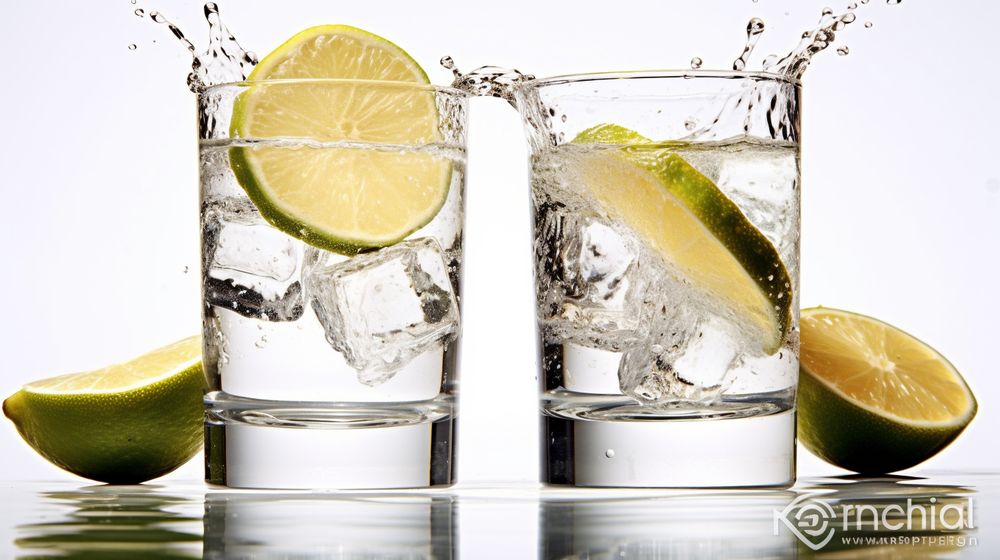
Explore the captivating difference between Tequila and Vodka. Dive into their rich histories, unique flavors, and global appeal. Which spirit reigns supreme? Find out!
From Desert to Tundra: When Agave Shakes Hands with Potatoes
Oh, the joy of sipping! In one corner, we’ve got tequila, the feisty, sun-soaked spirit of the Mexican deserts, radiating the warmth of Latin America.
In the opposite corner, there’s vodka, the icy and crisp embodiment of Russia’s tundra and Poland’s frosty fields.
Both are iconic. Both are unique. Their storied pasts are like footprints in the sand (or snow).
But if you were to toss a coin to choose your sip, would you end up in a bustling cantina or a cozy Russian izba?
Agave’s Sacred Gift: Tequila’s Ancestral Roots
Let’s wind the clocks back, shall we?
Long before tequila shots became a frat party staple, the indigenous peoples of Mexico considered the blue agave plant sacred.
It was the Aztecs who first distilled the sap of this spiky plant, resulting in a drink known as pulque.
Though pulque isn’t quite the tequila we know and love today, it’s undoubtedly tequila’s granddaddy.
Rituals, ceremonies, and festivities—this divine drink played a starring role in them all.
And as the art of distillation got refined over the ages, tequila gracefully evolved, preserving its essence and dancing to the beats of mariachi all the way into the modern bottle.
Vodka’s Humble Beginnings: From Peasant Huts to Imperial Courts
Now, slide over to the chilly expanse of Eastern Europe.
Here, in the rustic corners of Russia and Poland, vodka’s tale began.
Believe it or not, this clear-as-water spirit was once a homebrewed concoction, lovingly distilled by peasants using whatever they could get their hands on: grains, potatoes, and even fruits.
But as fate would have it, vodka caught the fancy of the elite.
Tsars and nobles started indulging, and this once-humble drink began its journey to the grand courts of Europe.
The exact origins? Still debated and a tad murky.
But whether it started in a Russian monastery or a Polish tavern, one thing’s clear: vodka, with its purity and versatility, has won hearts globally, warming souls in icy shot glasses.
Learn more about the Vodka evolution over the years.
Agave’s Whisper: Tequila’s True Essence
Picture a vast, sunbaked landscape dotted with the majestic blue agave plant.
This isn’t just any plant; it’s the soul of tequila.
Native to Mexico’s arid regions, this succulent waits patiently, sometimes for up to a decade, to reach its prime.
When it does, it’s harvested to extract its heart, the “piña.” It’s from this core that tequila springs forth.
The piña’s sugary sap undergoes fermentation and distillation, giving birth to the spirited tequila we adore.
Every sip? It’s like a whisper of the Mexican desert, telling tales of sun, soil, and time.
Check out more about how Tequila is made.
Vodka’s Versatile Foundations: From Earth’s Bounty to Liquid Purity
Now, let’s journey north.
Vodka’s origins, unlike tequila’s singular base, lie in an array of raw materials.
Whether it’s the golden grains of wheat and rye, the earthy richness of potatoes, or even the fruity touch of grapes, vodka’s core can vary.
Each ingredient lends its own unique touch, yet, through distillation, vodka emerges with a character that’s notably neutral.
But don’t mistake this neutrality for blandness; it’s this very quality that makes vodka a cocktail chameleon, effortlessly blending with myriad mixers.
From Desert to Distillery: The Art of Tequila Making
Crafting tequila is like painting a masterpiece.
It begins with the jimadores, skilled laborers who, armed with sharp coas, deftly harvest the mature agave plants.
Once harvested, the piñas are roasted, either in traditional stone ovens or modern autoclaves. This roasting caramelizes the sugars, preparing them for fermentation.
Post-fermentation, it’s distillation time!
Typically distilled twice, the liquid transforms into tequila.
Some tequilas then embark on an aging journey in oak barrels, acquiring colors, depths, and flavors that range from fresh and vibrant to rich and mellow.
Vodka’s Journey: Purity at its Peak
In vodka territory, the process is all about achieving clarity and purity.
After fermentation of its chosen base (be it grains, potatoes, or grapes), vodka enters the world of continuous distillation.
Column stills work their magic, often distilling the spirit multiple times, stripping away impurities at each stage.
The final touch? Filtration, often through charcoal, ensures that the vodka is as clean and crisp as a winter’s morning.
Unlike tequila, which might snooze in barrels to develop character, vodka prides itself on its pristine clarity and typically skips the aging process.
Tequila: A Symphony of Senses
When you uncork a bottle of tequila, you’re not just releasing a spirit; you’re unleashing a sensory fiesta.
Fresh tequilas often serenade the palate with notes of earth, green pepper, and the distinct tang of agave.
But let it age, and this spirited Mexican dancer will don more sophisticated costumes.
Reposados might tease with hints of caramel and honey, while añejos often delve deeper, flaunting tones of oak, vanilla, and even dark chocolate.
Inhale to be greeted by scents that range in age from fresh and grassy to rich and woody.
As for the mouthfeel, tequila often struts with a robust body, making its presence known with every sip.
Dive into different types of tequila and their unique flavors.
Vodka: The Zen Master of Spirits
In the sensory world, vodka plays it cool. It’s the monk who’s found his inner zen.
No flamboyance, just purity.
Its taste? Notoriously neutral, with a subtle hint of its core ingredient, be it grain, potato, or grape.
This neutrality is vodka’s pride, making it a versatile ally in cocktails.
A whiff might reveal just a touch of ethanol and maybe, just maybe, a faint trace of its origins.
As for its texture, vodka slides down the throat with a clean, crisp finish, often leaving a gentle warming sensation in its wake.
Tequila: Mexico’s Protected Prodigy
Ah, tequila! But not all can bear this iconic name.
For a spirit to be christened ‘tequila,’ it must adhere to stringent rules.
First and foremost, it has to be produced in designated regions of Mexico, primarily Jalisco.
And the star ingredient? The blue agave—no compromises there.
Then there’s the classification dance:
Blanco (or Silver):
Fresh off the distillery, bottled without aging.
Reposado:
The “rested” beauty, aged in oak barrels for 2 months to a year.
Añejo:
The “aged” gem has matured for 1–3 years, flaunting deeper hues and flavors.
Vodka: A Tale of Many Lands
While tequila’s roots are firmly planted in Mexican soil, vodka has multiple homelands vying for the title of its birthplace.
But, regardless of its origins, each region imbibes its vodka with a touch of local tradition.
Russian vodkas, for instance, often use wheat or rye and are known for their velvety smoothness.
Polish vodkas might lean towards rye or potatoes, offering a slightly creamy mouthfeel.
Regulations? They vary.
But most focus on distillation purity and ABV levels.
Geographical indications play a part too.
Just as Tequila is Mexico’s pride, regions like Poland and Russia take immense pride in their vodka legacies.
Tequila: The Pulse of Mexican Celebrations
Dive into the colorful tapestry of Mexican culture, and you’ll find tequila woven into its very fabric.
More than just a drink, it’s a symbol of national pride, heritage, and joie de vivre.
Picture the lively Dia de Los Muertos celebrations or the vibrant rhythms of Cinco de Mayo fiestas.
At the heart of it all is often a bottle of tequila, ready to be shared among friends and family.
This spirit doesn’t just stop at celebrations; it’s immortalized in songs, dances, and tales that resonate with passion and fervor.
And let’s not forget its cinematic appearances—from gritty Westerns to contemporary dramas, tequila often plays a role, capturing the essence of Mexico.
Vodka: Eastern Europe’s Liquid Legacy
If tequila is the life of a Mexican party, vodka is the soulful heartbeat of Eastern European gatherings.
In countries like Russia and Poland, vodka isn’t just consumed; it’s revered.
Whether it’s a wedding, a birth, or even a somber funeral, vodka graces the occasion, sealing bonds and commemorating memories.
To raise a glass of vodka is to honor tradition, ancestors, and the moment.
Literature, too, isn’t untouched.
Many a Slavic poet and novelist have raised their pens, inspired by this clear elixir.
And in cinema? From intense war dramas to spy thrillers, vodka’s presence is undeniable.
Tequila’s Star Performers
When tequila steps onto the mixology stage, it sure knows how to steal the spotlight.
Take the Margarita, for instance.
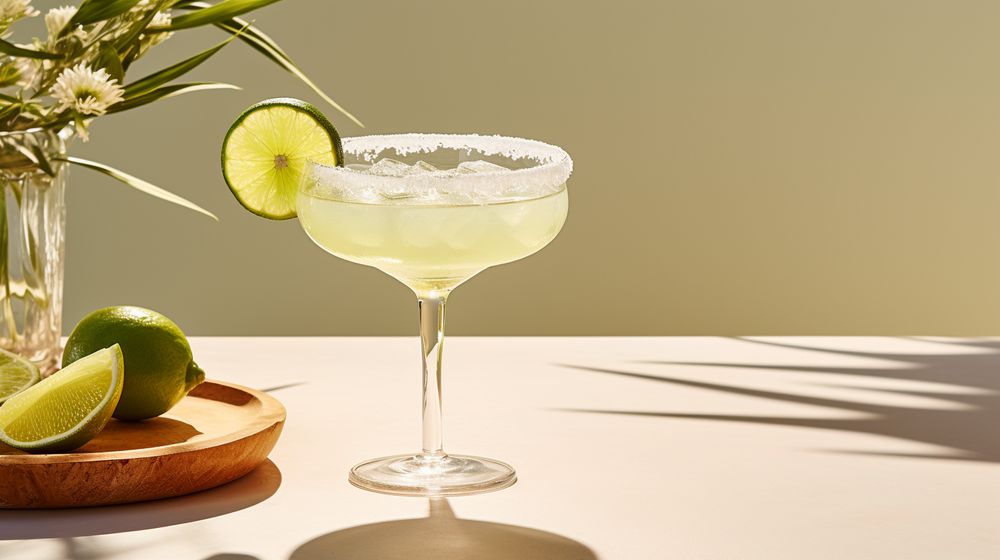
This blend of tequila, lime juice, and triple sec, rimmed with salt, is a dance of flavors, refreshing and zesty.
Then there’s the Tequila Sunrise, a visual and gustatory treat that layers tequila, orange juice, and grenadine, resembling a glorious desert sunrise.
Vodka’s Cocktail Couture
Vodka, with its neutral demeanor, is a mixologist’s dream.
Its adaptability shines in classics like the Martini, where it mingles with vermouth and perhaps an olive or a twist of lemon.
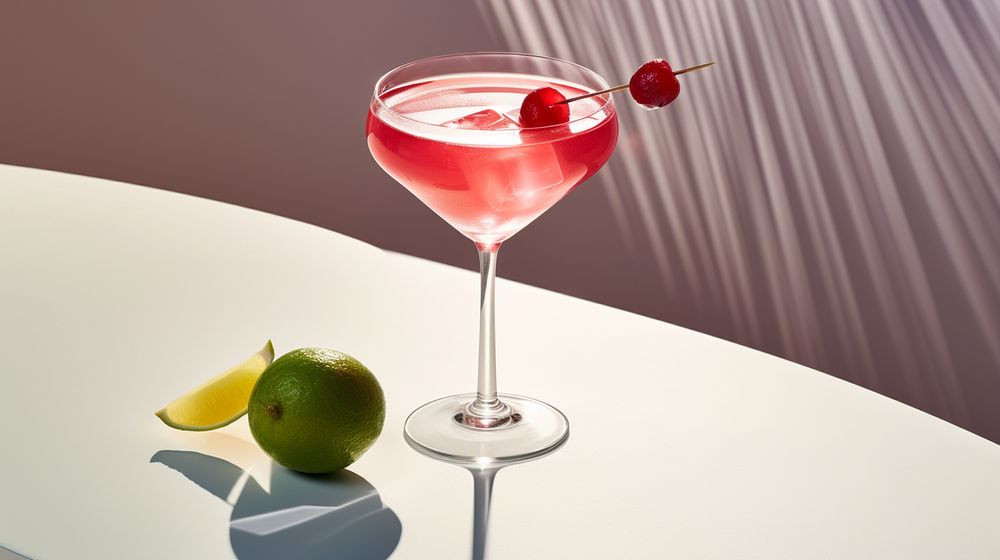
The vibrant Cosmopolitan showcases vodka’s chic side, blending it with cranberry juice, triple sec, and lime.
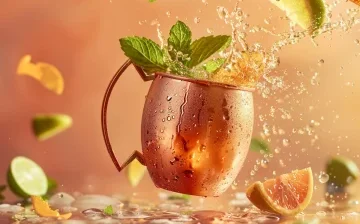
And then there’s the Moscow Mule, a zingy concoction of vodka, ginger beer, and lime served in a signature copper mug.
Versatility Verdict
In the grand arena of mixology, both tequila and vodka make compelling cases.
Tequila, with its robust character, infuses cocktails with depth and distinction.
Vodka, on the other hand, is like a chameleon, seamlessly taking on the flavors it’s paired with.
While tequila boasts of its cultural charisma, vodka wins with adaptability.
But in the end, it’s not about which is better; it’s about what tickles your fancy at that moment!
Tequila: Beyond the Mexican Frontier
Once primarily a Mexican delight, tequila is now a global sensation.
According to the Distilled Spirits Council, exports of tequila to the U.S. alone have surged by over 180% in the last decade. Brands like Patrón and Don Julio have become household names, making tequila synonymous with luxury and sophistication.
Emerging trends show a rising demand for ultra-premium and craft tequilas, emphasizing the artisanal production process.
From the heartlands of Jalisco, tequila has found fans everywhere, from Tokyo’s swanky bars to Berlin’s underground clubs.
Vodka: The Universal Spirit
Vodka’s global dominance is undeniable.
Statista reports that over 4 billion liters of vodka were consumed worldwide in 2019, with Russia, the U.S., and Poland leading the charge.
Brands like Smirnoff and Absolut have attained iconic status, with their bottles gracing bars in every corner of the world. The modern vodka scene is buzzing with innovation.
Flavored vodkas, infused with everything from fruits to spices, are all the rage, offering a fresh twist to the traditional profile.
Craftsmanship and Creativity
Innovation isn’t just a buzzword; it’s the lifeblood of the spirits industry.
The tequila market is witnessing a resurgence of craft brands focusing on small-batch production and sustainability.
These artisanal tequilas, often made using age-old techniques, offer a more nuanced tasting experience.
Vodka, not to be outdone, has dug deep into the world of infusions.
From zesty citrus to fiery chili, from delicate elderflower to rich chocolate, there’s flavored vodka for every palate.
These innovations reflect a broader trend: consumers are more adventurous and keen to explore new taste horizons.
Two Spirits, One World
Tequila and vodka: two spirits with distinct personalities, histories, and cultural imprints.
While tequila proudly displays its agave essence and sun-soaked heritage, vodka is the cool cosmopolitan, adapting and evolving while remaining rooted in its Eastern European origins.
But beyond their differences lies a universal truth: both spirits are connectors.
They bridge gaps, foster friendships, and celebrate moments—big or small.
In their essence, they represent humanity’s shared love for togetherness, for raising a toast to life’s highs and seeking solace in its lows.
Venture and Savor
To the curious souls out there, here’s a thought: why limit yourself?
Venture beyond the familiar. If you’re a tequila aficionado, try a vodka cocktail on for size.
And if you swear by vodka, let a fine añejo tequila surprise you.
Both spirits, in their unique ways, are tales of time, tradition, and tenacity.
So, here’s to tequila and vodka! To their differences, their shared appeal, and the joy they bring to our lives. May we continue to sip, savor, and celebrate. Cheers! 🍹🍸🥂
Liquid Legacies Decoded: Tequila vs. Vodka FAQs
What is the primary ingredient in tequila?
Tequila’s main ingredient is the blue agave plant.
Specifically, it’s made from the core of the plant, known as the “piña.”
This ingredient is what gives tequila its distinctive flavor profile, setting it apart from other spirits.
How is vodka made, and what are its main ingredients?
Vodka is typically made from grains, potatoes, or sometimes grapes.
The primary ingredient is fermented and then distilled multiple times to achieve vodka’s characteristic neutral flavor and high purity.
Why does tequila have different classifications like blanco, reposado, and añejo?
Tequila classifications are based on the aging process. Blanco (or silver) is unaged or aged for less than two months. Reposado is aged between two months and a year in oak barrels.
Añejo is aged between one and three years.
Each aging period imparts different flavors and colors to the tequila.
How does the flavor of vodka differ from tequila?
While tequila has a robust and varied flavor profile – from earthy and herbaceous to caramel and vanilla tones with aging, vodka is known for its neutral taste.
The emphasis in vodka production is on achieving clarity and purity, making it a versatile base for cocktails.
Which countries are traditionally associated with vodka production?
Vodka traces its origins back to Eastern Europe, with Russia and Poland often cited as its birthplaces.
Both countries have a rich history of vodka production and consumption.
Is all tequila produced in Mexico?
Yes, for a spirit to be officially labeled as tequila, it must be produced in specific regions of Mexico, primarily in the state of Jalisco.
This geographical indication ensures the authenticity and quality of the product.
Are flavored vodkas authentic?
Flavored vodkas have gained popularity in recent years, and many brands offer a range of infused vodkas.
While purists may prefer the classic neutral profile, flavored vodkas, which are created by infusing the spirit with various ingredients, are authentic and add a new twist to the vodka experience.
Which spirit is more popular worldwide: tequila or vodka?
Vodka generally has a broader global appeal due to its neutral flavor profile, making it a favorite in many cocktails.
However, tequila’s popularity has surged in recent years, especially premium and craft tequilas, which have found a dedicated audience beyond Mexico.