Key takeaways
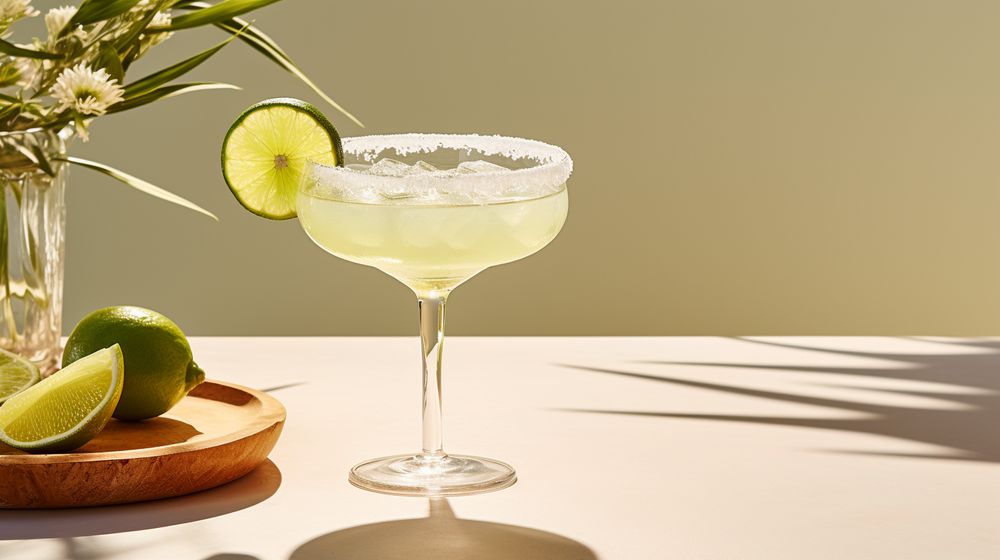
- Ingredient Balance: The perfect Margarita relies on balancing tequila, triple sec, and lime juice. Each ingredient’s ratio is key to achieving the cocktail’s signature blend of flavors.
- Role of Acidity: Lime juice’s acidity is essential in Margaritas, providing a counterpoint to sweetness and alcohol, and significantly impacting the drink’s overall taste and sensory appeal.
- Personalization: Crafting a Margarita is a personal journey. Experimenting with different ingredient types and ratios leads to a unique version that best suits individual flavor preferences and styles.
The Role of Ingredients:
In the art of making the perfect Margarita, each ingredient plays a pivotal role in shaping its overall flavor profile:
- Tequila: The cornerstone of any Margarita.
- Blanco: Offers a pure, unaged agave flavor, introducing a bright and sharp profile to the Margarita.
- Reposado: Aged in oak barrels, it brings a mellow smoothness, with subtle hints of vanilla and caramel, enriching the cocktail’s complexity.
- Añejo: Aged longer, this type imparts a deeper, richer flavor, with notes of oak and spices, ideal for a bolder Margarita experience.
- Triple Sec: More than just a sweetener, triple sec or its alternatives like Cointreau or Grand Marnier, infuse a delightful citrus zest. They add a layer of complexity with their sweet, orange-flavored essence, balancing the tartness of the lime.
- Lime Juice: The essence of freshness in a Margarita. The sharp, tangy profile of fresh lime juice is essential. It cuts through the sweetness of the triple sec and the boldness of tequila, bringing a vital balance of acidity that brightens the drink.
These key ingredients – tequila, triple sec, and lime juice – in their various forms, come together to create the iconic Margarita, each contributing its unique characteristics to achieve a harmonious balance of flavors.
Balancing Flavors:
- Sweet vs. Sour:
- The dance between the sweetness of the triple sec and the sourness of the lime juice is central to the Margarita’s classic taste. This interplay defines the cocktail’s profile, with each sip offering a harmonious blend of these contrasting flavors.
- Alcohol Content:
- Tequila’s alcohol level plays a critical role in the overall balance and mouthfeel of the drink. A higher alcohol content can intensify the Margarita’s boldness, while a lower-proof tequila might offer a smoother, more subtle experience.
Finding the perfect equilibrium of sweet, sour, and alcoholic strength is what transforms a simple mix of ingredients into a Margarita that tantalizes the palate with its complex yet perfectly harmonized flavors.
Acidity and Its Impact:
The role of acidity, primarily from lime juice, is a fundamental aspect of Margarita’s character, influencing both taste and interaction with alcohol:
- pH Levels:
- Lime juice, a key ingredient in Margaritas, has a low pH, making it highly acidic. This acidity is crucial for cutting through the sweetness of the liqueur and the robustness of the tequila, providing a refreshing sharpness that defines the cocktail’s profile.
- The pH level of lime juice also affects the overall sensory experience of the Margarita, giving it the signature tartness that balances the drink’s flavor.
- Interaction with Alcohol:
- The acidity from lime juice interacts with the alcohol in tequila, impacting Margarita’s overall flavor profile. This interaction can mellow out the harshness of the alcohol, making the drink smoother and more palatable.
- The acidity can also influence the perception of alcohol strength in the cocktail, with the sharpness of the lime potentially enhancing or tempering the tequila’s presence.
Understanding the role of acidity and its interaction with alcohol is key to mastering the Margarita, as it’s this balance that creates the perfect harmony between sharp, sweet, and strong elements in this iconic cocktail.
Experimenting for Perfection:
Crafting the ideal Margarita is as much an art as it is a science, and the journey to perfection often lies in personal experimentation:
- Adjusting Ratios:
- Experimentation with the ratios of tequila, triple sec, and lime juice is key. Adjusting these proportions can significantly alter the cocktail’s taste and mouthfeel. Whether you prefer a sweeter, sourer, or stronger drink, small changes can make a big difference.
- Encourage readers to start with the classic 2:1:1 ratio (tequila: triple sec: lime juice) and tweak from there based on their flavor preferences.
- Personal Preferences:
- The “perfect” Margarita is subjective and varies from person to person. Individual palates will determine the ideal balance of sweet, sour, and alcoholic strength.
- Remind readers that the ultimate goal is to create a Margarita that they personally enjoy. Whether it leans more towards a tart, sweet, or boozy profile, the best Margarita is the one that suits their taste.
Encouraging readers to explore and adjust the traditional Margarita formula allows for a more personalized and enjoyable cocktail experience. It’s through this playful experimentation that one can truly appreciate the nuances of this classic drink.
Conclusion:
The journey to crafting the perfect Margarita is a blend of understanding its key elements and appreciating the delicate balance they create. The choice of tequila, the balance of sweet triple sec with the tartness of fresh lime juice, and the crucial role of acidity all converge to form this iconic cocktail. It’s a delicate dance of flavors where each component plays a vital part in achieving that signature Margarita taste.
This exploration of the Margarita’s science isn’t just about following a recipe; it’s about understanding the complexities and nuances that make this cocktail a timeless favorite. As you experiment with different ratios and ingredients, remember that the art of mixology lies in the craft and creativity you bring to each glass. So, shake, stir, and savor the process of creating your version of the perfect Margarita, and in doing so, celebrate the rich tapestry of flavors that this classic cocktail embodies.