Key Takeaways: Negroni vs Boulevardier Bianco
Core Ingredients Shift: The iconic Negroni blends gin, sweet vermouth, and Campari, delivering a bitter punch, while Boulevardier Bianco swaps gin for whiskey, offering a smoother, lighter experience.
Vermouth Type: The classic Negroni uses sweet red vermouth contributing to its signature ruby color, versus the Boulevardier Bianco featuring white vermouth for a more delicate, herbal profile.
Drink Evolution: Negroni has Italian roots with a timeless, aperitif quality, ideal for stimulating the appetite, whereas Boulevardier Bianco adapts the recipe for a modern palate, introducing a versatile, sophisticated twist.
Negroni: The Timeless Italian Cocktail That Exudes Sophistication
The Negroni, a staple in Italy’s cocktail scene, expertly marries the bold bitterness of Campari with the aromatic depth of Vermouth and the robustness of gin. This cocktail is revered for its complex yet well-rounded taste profile, where the initial bitterness is beautifully offset by the Vermouth’s herbal notes, and tied together by the vibrant strength of gin. The Negroni stands out as a charismatic and captivating drink, fitting for those who seek a cocktail that’s both bold and refined. It’s the top choice for cultured social events, sundowners, or as an intriguing, classy staple to any cocktail aficionado’s ensemble.
Taste Profile: A compelling blend of bitter Campari and herbaceous Vermouth, masterfully balanced with the dynamic character of gin, culminating in a bitter-sweet symphony of flavors.
Key Ingredients: Crucial components include Campari, a hallmark Italian bitter spirit, aromatic Vermouth, and a quality gin.
Alcohol Content: Typically around 20-30% ABV, depending on the gin used, giving a robust and honest drinking experience.
Popularity: A beacon of Italian cocktail etiquette, the Negroni has garnered global recognition for its nuanced and distinctive flavor.
Origin: With compelling roots in Italy, the Negroni serves as a snapshot of Italy’s enduring elegance and cultural richness.
Primary Alcohol: Gin, pivotal to the cocktail’s composition, brings a dynamic and sturdy foundation.
Preparation Time: Swiftly constructed, often within 5 minutes, making it an effective and thrilling cocktail selection.
Best Occasions: Suitable for sophisticated gatherings, dinner parties, or as a traditional aperitif.
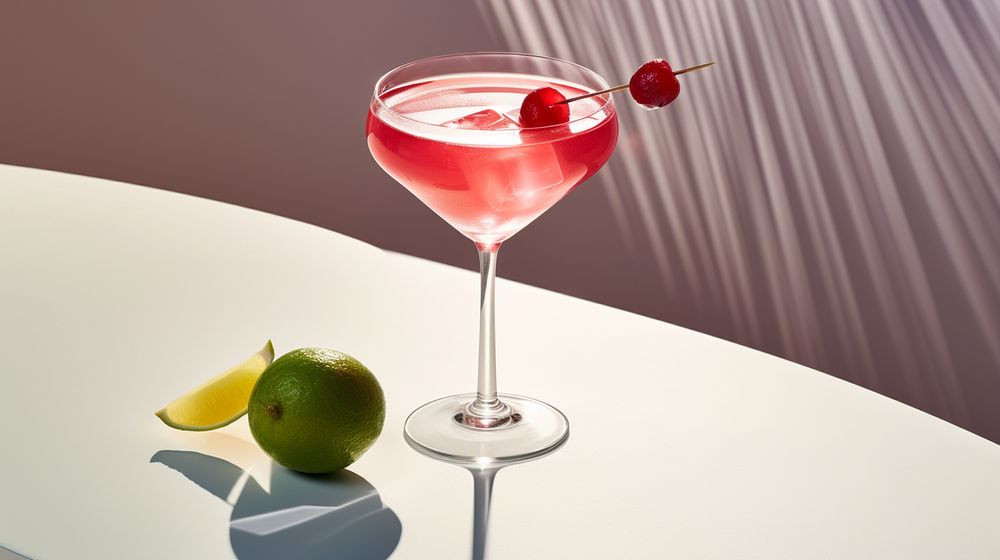
Visual Appeal: Radiantly hued typically garnished with an orange slice or peel, bringing a statement of cultured grace.
Glassware and Barware: A classic rocks glass showcases this cocktail’s unpretentious yet bold style. Essential tools include a mixing glass and a stirrer.
Nutritional Information: Carries around 180 calories per serving, derived mainly from the spirits and Vermouth.
Variations: Can be modified with different Gins or adjustments in Vermouth quantity to suit varying palates.
Complexity: Few ingredients, but complexity resides in blending the bitter, sweet, and strong elements to perfection.
Boulevardier Bianco: A Surprising Twist on a Classic Cocktail
Take a step off the beaten path with the Boulevardier Bianco. This unusual variation on the classic Boulevardier swaps out the standard fare with white (bianco) vermouth and gin, offering a cocktail that is both approachable yet sophisticated. Its flavor is a harmonious balance – the botanical notes from gin and the complexity of bianco vermouth intertwine with the bitter finish of Campari. The Boulevardier Bianco makes for a delightful surprise, not just on social gatherings but also for solo indulgence.
Taste Profile: A unique blend with a botanical touch, chalked up to gin, bianco vermouth’s complexity, and Campari’s distinct bitterness.
Key Ingredients: Gin, Campari, and bianco vermouth are the pillars of this cocktail, ensuring a layered taste.
Alcohol Content: A balanced 25-30% alcohol by volume (ABV), a combination of smooth and potent.
Popularity: A rather unique variation, it is showing signs of becoming a modern trend among cocktail lovers
Origin: It is a modern variation of the traditional Boulevardier, innovatively adding the touch of “bianco” spirit to classic.
Primary Alcohol: Gin is the primary alcohol, adding botanical notes to the versatility of the cocktail.
Preparation Time: A quickly mixed cocktail, ready to be served in just 3-4 minutes.
Best Occasions: Perfect for garden parties, beach outings, or a warm summer evening.
Visual Appeal: The golden hue and garnish with an orange slice create a refreshing visual appeal.
Glassware and Barware: Ideally served in a rock glass. A shaker and cocktail strainer are also used in its preparation.
Nutritional Information: Contains approximately 120-140 calories per serving, predominantly from the gin.
Variations: Experimenting with various types of gin or vermouths can yield different flavor profiles, adding more depth to the palate.
Complexity: The blend of ingredients results in a surprisingly complex, yet approachable cocktail.
Conclusion
In the realm of sophisticated cocktails, the dance between Negroni and Boulevardier Bianco is one of subtle nuances and personal taste. The Negroni stands as a legendary Italian classic that intrigues with its harmonious balance of herbaceous gin, sweet vermouth, and the bitter punch of Campari. Its bold flavor embraces tradition and is perfectly suited for those who savor the interplay of complex, bitter undertones with a hint of sweetness.
Conversely, the Boulevardier Bianco spins a different tale, replacing gin with whiskey and employing a white vermouth for a lighter twist on the original. This variation offers a sweet, velvety whisper followed by a warm embrace, catering to palates that lean towards the smoother and more mellow end of the spectrum.
If you’re a cocktail connoisseur deciding between the two, let your preference guide you. For a tried-and-true classic with a bite, the Negroni will not disappoint. Alternatively, if your taste buds yearn for a gentler, yet still refined whiskey-based cocktail, the Boulevardier Bianco will be your drink of choice. Each invites you to a different sensory journey, flawlessly adding to your collection of cocktail experiences.