Long Island Iced Tea vs Boston Iced Tea
Ingredient Complexity: Long Island Iced Teas are known for their potent mix of several liquors, offering a strong, complex flavor, unlike the simpler, cranberry-touched Boston Iced Tea.
Alcohol Content: The Long Island Iced Tea boasts a higher alcohol volume due to its blend of multiple spirits, compared to the Boston Iced Tea’s lighter, more casual nature.
Regional Popularity: Long Island Iced Teas enjoy widespread acclaim, synonymous with spirited social scenes, whereas Boston Iced Tea is a regional variation with a down-to-earth profile.
Long Island Iced Tea: High-Octane Refreshment in a Glass
The Long Island Iced Tea, a staple of Americana bar tradition, skillfully fuses five different liquors with refreshing lemon and cola sweetness. Famous for its potent kick and disguised as a rejuvenating, sunny-day beverage, it’s no wonder this cocktail keeps both cocktail enthusiasts and casual drinkers cheering. Apt for casual hangouts, barbeque parties or as the surprising gem in any liquor connoisseur’s repertoire.
Taste Profile: Comprises a complex array of tastes, creating a balance of zesty citrus, sour cola, and a strong liquor backbone.
Key Ingredients: Features vodka, white rum, tequila, triple sec, gin, a splash of lemon juice, and a topping of cola.
Alcohol Content: Due to its concoction of spirits, it has a relatively high alcohol content at 22% ABV.
Popularity: Noted worldwide for its surprising taste and deceivingly non-alcoholic appearance.
Origin: Originating in America, the Long Island Iced Tea is more than just another cocktail—it’s a piece of cocktail history.
Primary Alcohol: Five different spirits, switching between vodka, rum, tequila, gin and triple sec keeps your palate guessing.
Preparation Time: A bit laborious, taking around 10 minutes to prepare, but well worth the wait.
Best Occasions: Perfect for garden parties, BBQ’s or anytime you’re setting the scene for a good time.
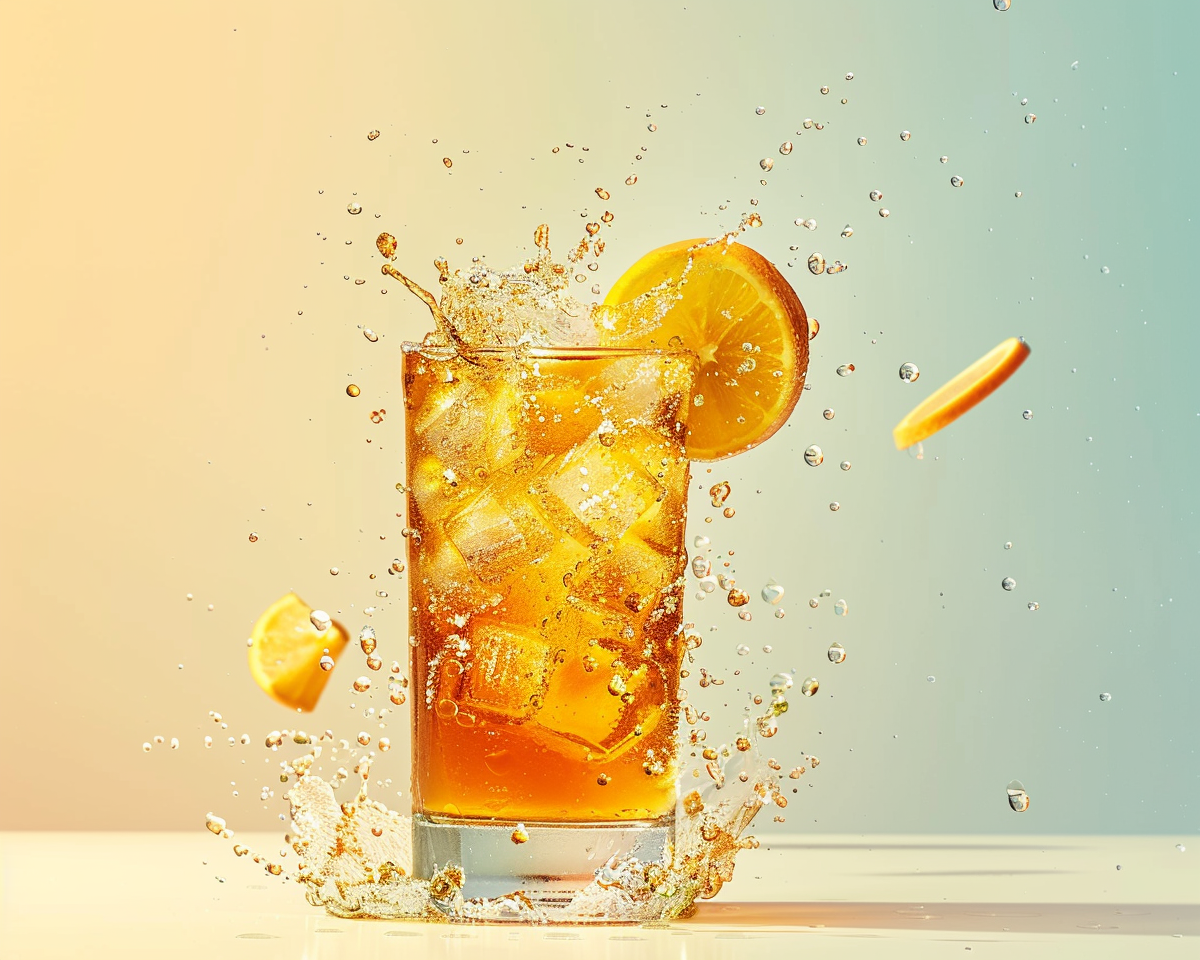
Visual Appeal: Deceptively similar to its non-alcoholic namesake, often garnished with a lemon wheel and a straw.
Glassware and Barware: Ideally served in a tall glass. Essential tools include a jigger, a long bar spoon, and a shaker.
Nutritional Information: Weighs in at about 140 calories per glass, predominantly from the sweet mixers and spirits.
Variations: Easy to adapt with different mixers or alternative spirits to satisfy a range of flavor profiles.
Complexity: Despite the long ingredient list, the complexity lies in merging all flavors into a harmonious balanced taste.
Boston Iced Tea: A Light and Refreshing Alternative
Served in a tall glass, the Boston Iced Tea is a refreshing blend of black tea and cranberry juice. This cocktail is known for its exquisite balance of tartness, sweetness and a hint of bitterness from the tea. Its bright and fruity flavor makes it a popular choice for casual gatherings, poolside lounging or a revitalizing midday treat.
Taste Profile: A crisp and aromatic mix combining the character of black tea with the tartness of cranberry juice.
Key Ingredients: The main components are black tea and cranberry juice. Sometimes garnished with a lemon slice or mint sprig.
Alcohol Content: Mostly a non-alcoholic drink, but can vary if spiked with vodka or rum.
Popularity: Well-known for its vibrant taste, Boston Iced Tea is a popular alternative to traditional iced teas.
Origin: Originates from the New England area, known for its love of cranberries and tea.
Primary Alcohol: Usually alcohol-free, but adaptable to personal taste and occasion with the addition of vodka or rum.
Preparation Time: Quick and easy to prepare, usually ready in about 2-3 minutes, perfect for a refreshing drink on a warm day.
Best Occasions: Ideal for summer gatherings, barbecues, or as a soothing afternoon beverage.
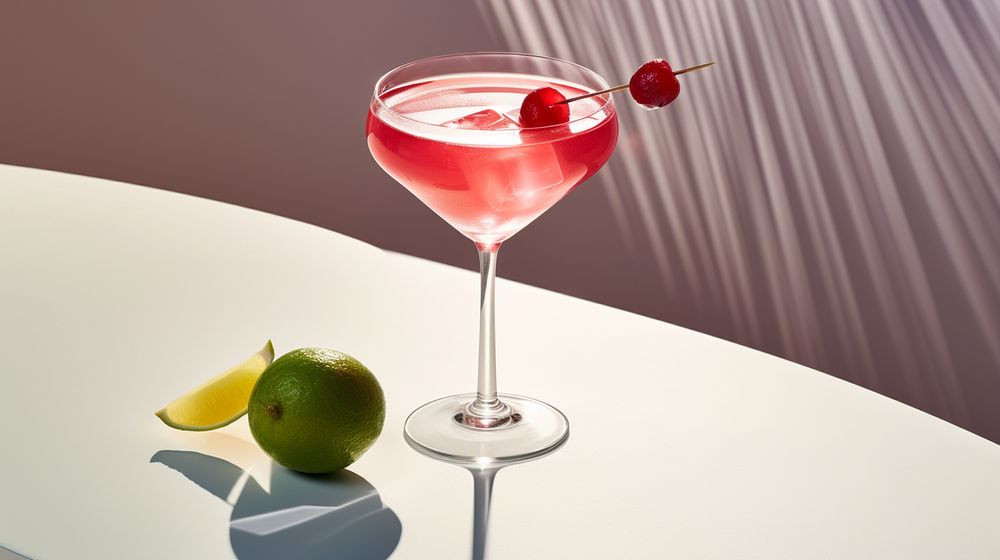
Visual Appeal: Noted for its vibrant ruby-red color, often adorned with a lemon slice or mint for extra allure.
Glassware and Barware: Typically served in a collins or highball glass. Barware includes a stirrer for mixing the tea and juice perfectly.
Nutritional Information: Contains about 80-120 calories per serving, relative to the sugar content.
Variations: Its recipe can be twisted by adding vodka, rum or even sparkling wine for a boozy lift.
Complexity: Simple in contents yet rich in flavor – the magic of Boston Iced Tea lies in balancing the tart cranberry with the robust black tea.
Conclusion
Exploring the realm of mixed drinks uncovers the subtle yet remarkable differences between the Long Island Iced Tea and the Boston Iced Tea. The Long Island Iced Tea is a powerhouse cocktail, known for its bold blend of multiple spirits such as vodka, rum, tequila, gin, and triple sec, topped with a splash of cola for that signature taste. It’s the go-to for those adventurers seeking a potent, spirited concoction that packs a punch.
In contrast, the Boston Iced Tea brings a lighter touch to the table. Swapping out the hard liquor for a mix of vodka, cranberry juice, and a hint of peach schnapps, it offers a fruitier, more relaxed drinking experience. This cocktail is perfect for those who favor a softer, more approachable drink that still has the ability to refresh and delight the senses.
If you’re a cocktail enthusiast deciding between these two, consider the setting and your palette’s preference. For a robust, spirit-forward adventure, treat yourself to the bold Long Island Iced Tea. But if you’re in the mood for something that’s fruity and mellow, the Boston Iced Tea will be your perfect companion.