Sake Sidecar Ingredients
- 60 ml (2 oz) Sake
- 30 ml (1 oz) Orange liqueur
- 15 ml (0.5 oz) Fresh lemon juice
- 15 ml (0.5 oz) Simple syrup
- Ice cubes
- Lemon twist for garnish
| Complexity | Preparation | Yield |
|---|---|---|
| Medium | 10 minutes | 1 serving |
Sake Sidecar Recipe: Step-by-Step Guide
-
Begin by placing ice cubes into a shaker. Measure and pour 60 ml (2 oz) of Sake into the shaker.
-
Add 30 ml (1 oz) of Orange liqueur to the mixture.
-
Include 15 ml (0.5 oz) of freshly squeezed lemon juice for that citrus zing.
-
Sweeten the concoction with 15 ml (0.5 oz) of Simple syrup.
-
Seal the shaker tightly and shake the ingredients vigorously until the mixture is well-chilled and properly diluted.
-
Strain the chilled beverage into a cocktail glass, leaving the ice behind.
-
For an elegant finish, garnish with a lemon twist on the rim of the glass.
-
Serve the Sake Sidecar immediately for a delightful and refreshing experience. Cheers!
Pro Mixology Tips: Elevate Your Drinks Like a Master
Ready to make waves in the cocktail world with skills that rival the pros? From total newcomers to seasoned enthusiasts, our guide demystifies expert mixology techniques for crafting drinks that’ll impress anyone who takes a sip. Let’s dive in and mix up the perfect Sake Sidecar, among others, with finesse!
-
Glassware Selection
The glass can make or break your cocktail’s story. Imagine the difference between a coupe and a tumbler—the narrative changes entirely.
🎓 Pro Tip: Pre-chill a martini glass to ensure the Sake Sidecar retains its delicate chill as you savor each sip.
💡 Remember, appearances matter; the right glass sets the stage for your cocktail’s performance.
-
Ice Cube Use
Icy details keep the integrity of your drink while whispering tales of the perfect chill.
🎓 Pro Tip: For a Sake Sidecar, opt for a large ice sphere to chill without hastily diluting the intricate flavors.
💡 Think of ice as the silent guardian of your cocktail’s soul, cradling the essence while presenting a cool demeanor.
-
Mixing Techniques
Mixing isn’t just about combining; it’s about inviting each element to a harmonious dance.
🎓 Pro Tip: Gently stir your Sake Sidecar to integrate, not agitate, the blend of flavors.
💡 Your mixing method whispers to the ingredients how to behave, mellowing spirits and coaxing out flavors.
-
Layering Ingredients
Layering is the art of creating a taste tapestry, visible at first glance.
🎓 Pro Tip: Perfect the pour-over technique to layer your Sake Sidecar, bringing an ombre effect to life.
💡 Every layer tells a story, a visual prelude to the symphony of flavors.
-
Ingredient Quality
Quality ingredients are the protagonists in the narrative of your cocktail.
🎓 Pro Tip: Select premium Japanese sake to elevate your Sake Sidecar from good to exceptional.
💡 Attention to ingredient quality is akin to casting the right actor for a pivotal role in a play.
-
Flavor Balance
The right harmony of flavors is the plot twist that delights the palate.
🎓 Pro Tip: Use a Japanese jigger for precision when measuring the components of your Sake Sidecar.
💡 Balance is the hidden narrative that pulls the drink together, each sip a chapter in its story.
-
Garnishing Techniques
A garnish isn’t just a visual flourish—it’s the final detail, the epilogue of your crafted tale.
🎓 Pro Tip: Adorn your Sake Sidecar with an elegant lemon peel, expressing oils over the glass for an aromatic finish.
💡 Garnishes are the exclamation points, accentuating the drink’s primary motifs.
-
Unique Additions
Here’s where your cocktail gets a signature, a mark of creativity.
🎓 Pro Tip: Elevate your Sake Sidecar by introducing a dash of yuzu bitters for an unexpected twist.
💡 Adding a personal touch is like a director’s cut, an exclusive version showcasing your unique vision.
-
Creative Twists
Innovation in mixology is akin to turning a classic tale into a bestseller with a fresh perspective.
🎓 Pro Tip: Experiment with aged umeshu (plum wine) in your Sake Sidecar for a hint of sweet maturity.
💡 Every twist you add scripts a new storyline, inviting the audience into uncharted taste territories.
The expected outcome of mastering these elements is not just a well-crafted drink but a story served in a glass, a narrative blend that’s as captivating visually as it is palatably—a true masterpiece showcasing advanced mixology skills. Now, raise your Sake Sidecar to new heights, and let’s toast to the craft of cocktail storytelling!
Sake Sidecar Essential Barware and Glassware
Essential Barware
Dive into the art of creating the perfect Sake Sidecar with the right equipment at your fingertips. From novices to experts, these tools are the foundation of a well-equipped home bar:
- Cocktail Shaker: A must-have for mixing your Sake Sidecar to silky perfection.
- Bar Spoon: Ideal for stirring without over-diluting your cocktail.
- Measuring Tools: Jiggers or measuring spoons are pivotal for nailing your drink’s proportions.
- Muddler: Bring out the full flavor of any fresh ingredients you’re using.
- Strainer: A Hawthorne strainer is key to a clean pour, free of any unwanted morsels.
- Citrus Press: Squeeze fresh citrus juices with ease, enhancing the zest in your Sidecar.
Perfect Glassware
How you serve the Sake Sidecar can be as impactful as the drink itself. Here’s the glassware to complement your classy cocktail:
| Coupe Glass: | Elegantly showcases the Sake Sidecar while maintaining the perfect serving temperature. |
| Nick & Nora Glass: | An alternative with a similar vibe, offering a sleek, vintage aesthetic. |
Alternate Bar Essentials
Caught without the full bartender kit? No worries. You can still craft a stellar Sake Sidecar at home:
- Wide-mouthed Jar: A great stand-in for shaking if you don’t have a formal cocktail shaker.
- Standard Kitchen Measuring Spoons: Handy for approximating measurements if a jigger is not available.
- Spoon: A kitchen spoon can mix ingredients almost as well as a bar spoon.
- Kitchen Sieve: A common sieve makes an effective replacement for a cocktail strainer.
- Any Small Glass: If specialized glassware is out of reach, any small glass can hold the allure of your Sake Sidecar.
💡 Unique to the Sake Sidecar is its delicate balance of East meets West. To add a twist to your cocktail, consider garnishing with a sprig of yuzu or shiso leaves for an authentic Japanese touch.
Best Sake Sidecar Food Pairings
Exquisite Starters
Begin your gastronomic journey with these delectable nibbles:
- Tempura Vegetables: Light and crispy tempura provides a scrumptious contrast to the Sake Sidecar’s smooth profile.
- Edamame with Sea Salt: The simplicity of salted edamame pods brings out the delicate flavors in the cocktail.
Enticing Main Dishes
Elevate your Sake Sidecar experience with these main courses:
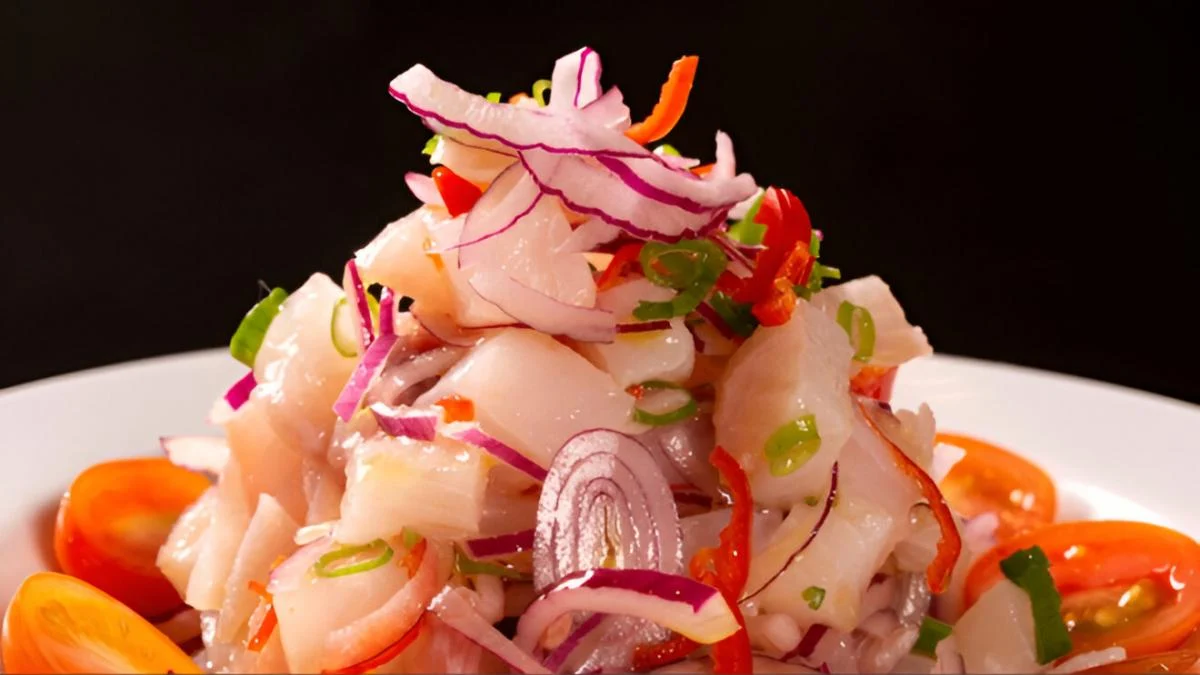
| Sushi and Sashimi Platter: | The delicate taste of raw fish paired with the cocktail’s citrus backdrop is a match made in heaven. |
| Teriyaki Glazed Salmon: | A sweet and savory glaze plays beautifully with the Sake Sidecar’s complexity. |
Vegetarian Delights
Discover the harmony between these vegetarian plates and your drink:
“Miso-glazed Eggplant: The umami-rich glaze enriches the taste experience alongside the cocktail.”
- Avocado Roll: Creamy avocado wrapped in seaweed and rice complements the sidecar’s smoothness.
Sweet Finale
Conclude your meal with desserts that resonate with the cocktail’s essence:
- Green Tea Mochi Ice Cream: Its subtle sweetness and chewy texture pair wonderfully with the Sidecar.
- Yuzu Sorbet: The bright citrus of yuzu sorbet highlights the Sake Sidecar’s zestful nature.
Unearth the refined elegance of the Sake Sidecar as it seamlessly blends with traditional and modern Japanese cuisines, making every sip and bite an adventure of flavors.
Sake Sidecar Frequently Asked Questions
What are the key components of a Sake Sidecar?
The Sake Sidecar is a twist on the classic cocktail, featuring a harmonious mix of sake, an underexplored but exciting spirit, with tart lemon juice, and a hint of orange liqueur. These ingredients dance together, forming a perfectly balanced, east-meets-west fusion.
How do I prepare the perfect Sake Sidecar?
Preparing this cocktail is all about simplicity and precision. Start by shaking together 2 parts sake, 1 part orange liqueur, and 1 part fresh lemon juice with ice. Strain the blend into a sugar-rimmed glass to add a touch of sweetness that complements the sour notes, serving up a drink that delights with every sip.
Which brands of sake are recommended for a Sake Sidecar?
For a flawless Sake Sidecar, look towards premium brands like Junmai or Ginjo, which offer a smooth taste that melds seamlessly with the zesty and sweet elements of the cocktail.
What barware should I use to craft a Sake Sidecar?
Equip yourself with a cocktail shaker, jigger for measuring, and a classic coupe or martini glass to elegantly display the drink’s amber elegance. It’s both about the taste and the show.
Which type of glassware is ideal for presenting a Sake Sidecar?
The elegant curves of a chilled coupe or martini glass are your canvas, showcasing the Sake Sidecar’s beauty, inviting the first delightful sip.
Can you suggest food pairings for a Sake Sidecar?
Complement the Sake Sidecar’s profile with sushi or a sophisticated plate of citrus-dressed scallops to elevate your culinary experience.
What is the visual appeal of the Sake Sidecar?
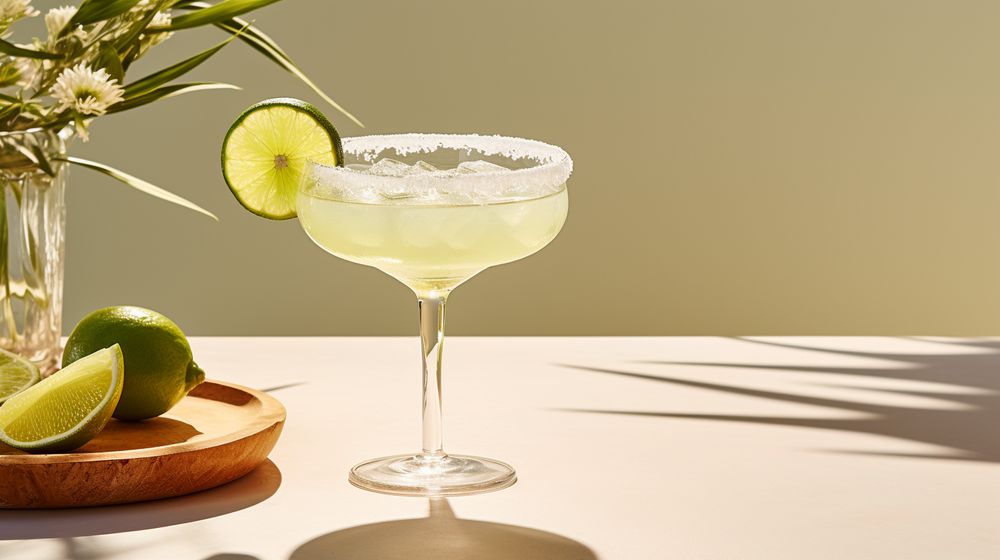
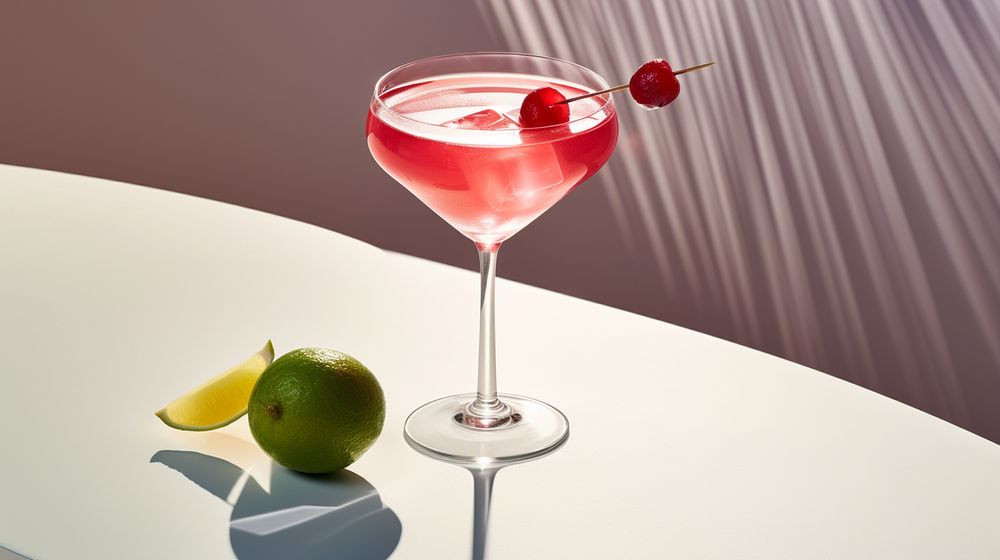
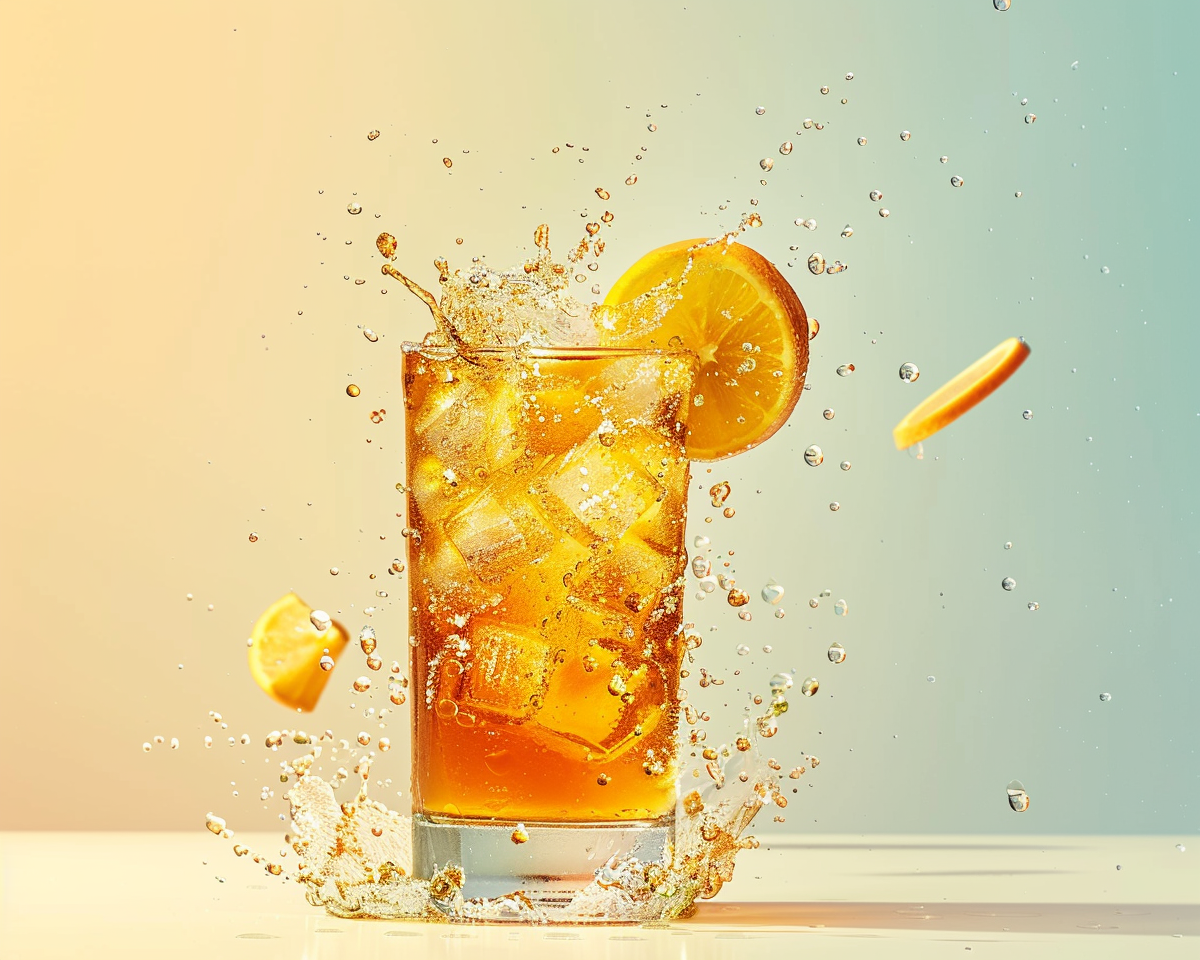
Aesthetically, the Sake Sidecar is a stunner, boasting a sultry, pale gold hue, accented with a sugar rim and perhaps a twist of citrus or edible flower as a garnish, speaking to the drink’s Asian roots and cosmopolitan flair.
How many calories are in a Sake Sidecar?
Average calorie content for a Sake Sidecar is around 150-200, depending on the sake’s sweetness and the amount of added sugar. It’s a moderate treat for those keeping score of their indulgences.
Is there any allergy information related to the Sake Sidecar?
Those with citrus or alcohol intolerances should proceed with caution. The Sake Sidecar is gluten-free, though, making it a suitable option for those with gluten sensitivities.
What is the cost of making a Sake Sidecar at home?
Creating this cocktail at home could range from economical to upscale, with average costs lying between $2-$4 per drink, depending on your choice of sake and liqueur brands.
What is the alcohol content of a Sake Sidecar?
The Sake Sidecar typically has an alcohol by volume (ABV) of around 15-20%, varying with the proof of the sake and the generosity of your pour.