Whether you’re hosting a party, enjoying a poolside day, or having a night out with friends, deciding between these two iconic cocktails can be tricky. This guide will break down the ingredients, preparation, flavor profiles, and more to help you decide which drink suits your preferences and occasion best.
Ingredients Breakdown
Margarita Ingredients:
- Tequila: The main star, typically blanco or reposado tequila.
- Lime juice: Adds a tangy, citrusy balance to the tequila.
- Orange liqueur: Commonly Triple Sec, Cointreau, or Grand Marnier, which provides a touch of sweetness and depth.
- Salt: Used to rim the glass and enhance the flavor.
- Optional flavors: Variations often include fruits like mango or strawberry or even a spicy version with jalapeños.
Mojito Ingredients:
- White rum: A light, crisp rum forms the base of the Mojito.
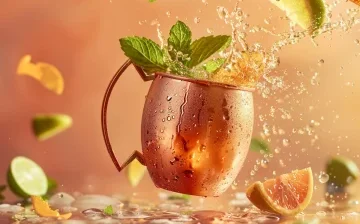
- Mint leaves: Provides a refreshing, herbaceous note that characterizes this cocktail.
- Lime juice: Adds a bright citrus kick.
- Sugar: Traditionally, cane sugar or simple syrup is used to sweeten the drink.
- Soda water: Adds effervescence for a bubbly, light finish.
The primary difference between these two cocktails is their base spirit. Margaritas feature tequila, lending them a bold, sharp taste, while Mojitos use rum, giving them a sweeter, more refreshing profile.
Preparation
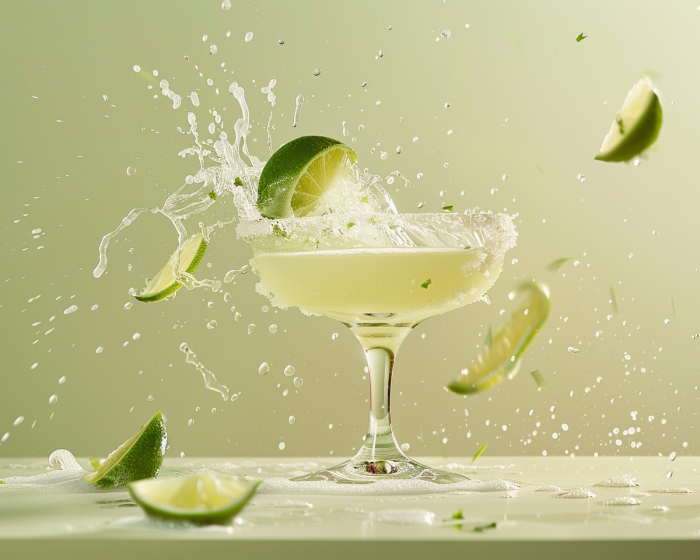
Margarita: The Margarita is typically shaken with ice and served in a salt-rimmed glass. Here’s how to make a classic Margarita:
- Shake: Combine tequila, lime juice, and orange liqueur in a cocktail shaker with ice.
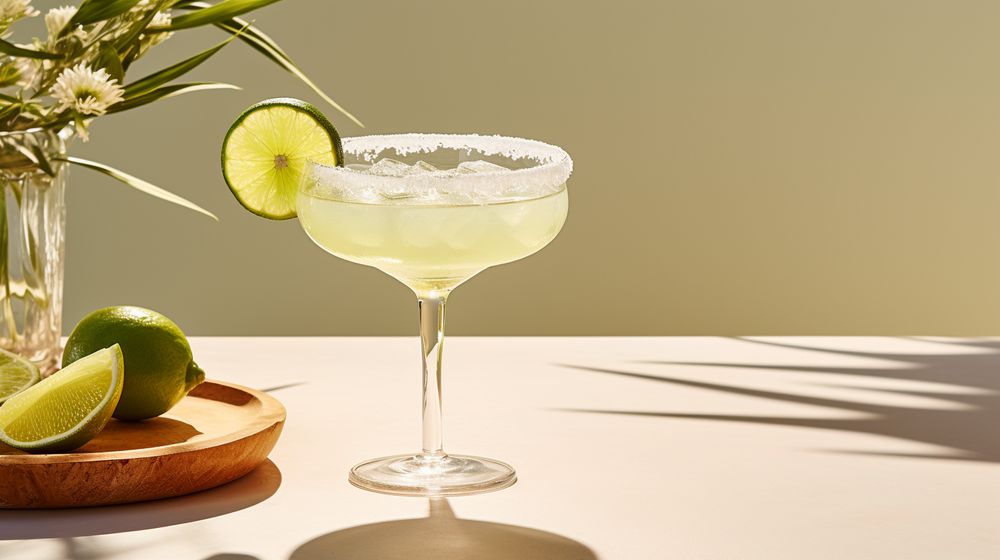
- Salt the rim: Rub a lime wedge around the rim of the glass and dip it into salt.
- Serve: Pour the shaken mixture into the glass and garnish with a lime wedge.
For a more relaxed summer vibe, many enjoy frozen Margaritas, which are made by blending the ingredients with ice for a slushy texture.
Mojito: The Mojito’s preparation revolves around muddling fresh mint to release its oils, which is key to its refreshing flavor. Here’s the process:
- Muddle: Gently press mint leaves and sugar at the bottom of the glass.
- Add lime juice: Squeeze in fresh lime juice and mix it with the mint and sugar.
- Add rum and ice: Pour in white rum and fill the glass with ice.
- Top with soda water: Finish off with soda water for that signature bubbly refreshment.
Mojitos require a little more care in the muddling step, but the result is worth it—a vibrant, herbaceous cocktail perfect for hot weather.
Flavors and Variations
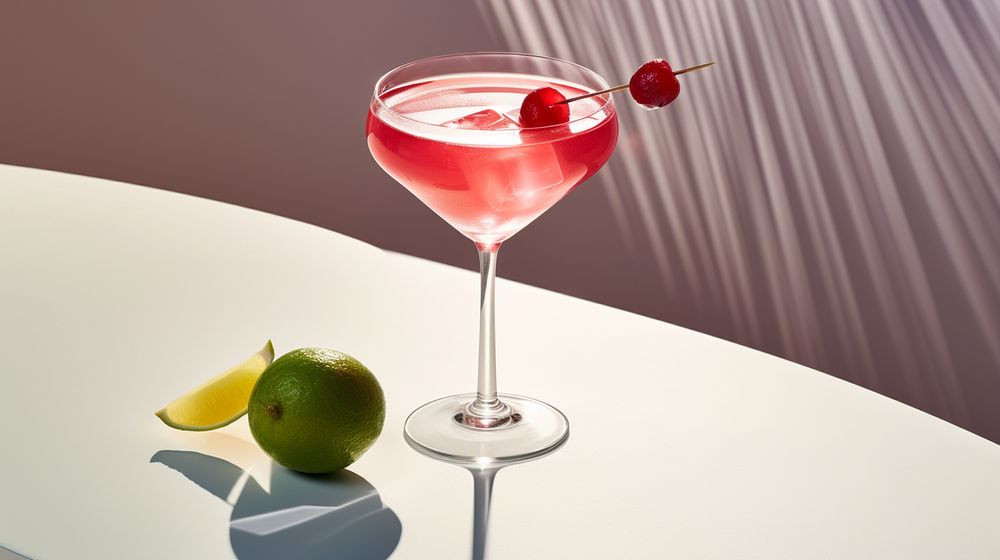
Margarita Flavors: Margaritas offer a balance between tangy lime and the sharpness of tequila. The salt rim enhances the citrus notes, while the orange liqueur adds a touch of sweetness.
Popular variations:
- Frozen Margarita: Blended with ice for a chilled, slushy version.
- Strawberry Margarita: Fresh or frozen strawberries are added for a fruity twist.
- Spicy Margarita: Infused with jalapeños or habanero for a fiery kick.
Mojito Flavors: Mojitos are known for their refreshing minty and sweet citrus flavor. The combination of lime and mint creates a cooling effect, making Mojitos feel crisp and light, with the soda water adding a delightful fizz.
Popular variations:
- Strawberry Mojito: Adds muddled strawberries for a fruity, sweet taste.
- Coconut Mojito: Features coconut rum or coconut milk for a tropical flavor.
- Blueberry Mojito: Muddled blueberries add tart sweetness.
Both drinks are highly adaptable, allowing for many creative variations depending on your flavor preferences.
Occasions and Food Pairings
Margaritas are the drink of choice for parties, fiestas, and happy hours. Their bold, tangy flavor pairs exceptionally well with Mexican food like tacos, nachos, and spicy dishes. Whether you’re hosting a BBQ or having a casual get-together, Margaritas fit the bill.
Mojitos shine during summer and tropical gatherings, making them ideal for beach parties, pool days, or relaxed picnics. Their light, refreshing profile pairs best with seafood, grilled veggies, and light appetizers. A Mojito’s cooling mint makes it an excellent complement to spicy or flavorful dishes, balancing the palate.
Nutritional Differences
When it comes to calories and nutrition, the Margarita tends to be higher in calories and sugar, especially when made frozen or with flavored syrups. A traditional Margarita can range from 200 to 300 calories per serving, while a frozen version may contain 500 calories or more, depending on the ingredients.
On the other hand, Mojitos generally have a lighter caloric impact, averaging around 150 to 200 calories per glass, mainly due to the soda water and use of fresh ingredients. For those looking for lower-calorie options, a “skinny Margarita” or sugar-free Mojito are great alternatives, using fewer sweeteners or replacing sugar with a low-calorie substitute like stevia.
History
Margarita: The Margarita is a staple of Mexican culture, though its origins are somewhat unclear. Some attribute its creation to bartender Carlos “Danny” Herrera in 1938, while others claim that Margarita Sames, a Texas socialite, invented it in 1948. Despite the murky history, the Margarita gained widespread popularity and became a symbol of Mexican cuisine and festivities. Its tangy, tequila-forward taste has made it a favorite at bars and restaurants worldwide.
Mojito: The Mojito’s history dates back to 16th-century Cuba, where an early version of the drink was used as a medicinal remedy by sailors. The drink, then known as “El Draque,” was believed to be created by Sir Francis Drake’s crew to treat ailments during their expeditions. It wasn’t until the early 20th century that the Mojito became the modern cocktail we know today. Popularized by famous writer Ernest Hemingway, who loved the drink while in Cuba, the Mojito quickly became a favorite for its refreshing taste and association with tropical leisure.
FAQ
Which is stronger, Margarita or Mojito?
Margaritas tend to be stronger since tequila generally has a higher alcohol content than white rum, making them a bit more potent.
Which cocktail is easier to make?
Margaritas are generally easier to make since they don’t involve muddling mint like Mojitos do. A Margarita just requires shaking the ingredients together with ice.
Can Margaritas be made without alcohol?
Yes! A virgin Margarita is made using lime juice, orange juice, and agave syrup for sweetness, providing all the flavors without the alcohol.
Are Mojitos more refreshing than Margaritas?
While both are refreshing, the mint in Mojitos makes them feel even cooler, especially in hot weather.
What’s the best glassware for each?
Margaritas are traditionally served in a wide-rimmed, shallow glass with a salted rim, while Mojitos are usually served in tall highball glasses to accommodate the ice and soda water.