Caipirinha vs Piña Colada: A Taste Profile Showdown
Basic Tastes
- Caipirinha: A Brazilian classic, the Caipirinha offers a refreshing blend of sweetness and sourness, thanks to its simple mix of cachaça, sugar, and lime. It lacks the bitterness, umami, and spiciness often found in other cocktails.
- Piña Colada: This tropical delight is known for its sweet, creamy taste, with a hint of sourness from pineapple juice. It does not have the bitterness, umami, or spiciness either.
Other Taste Profile Factors
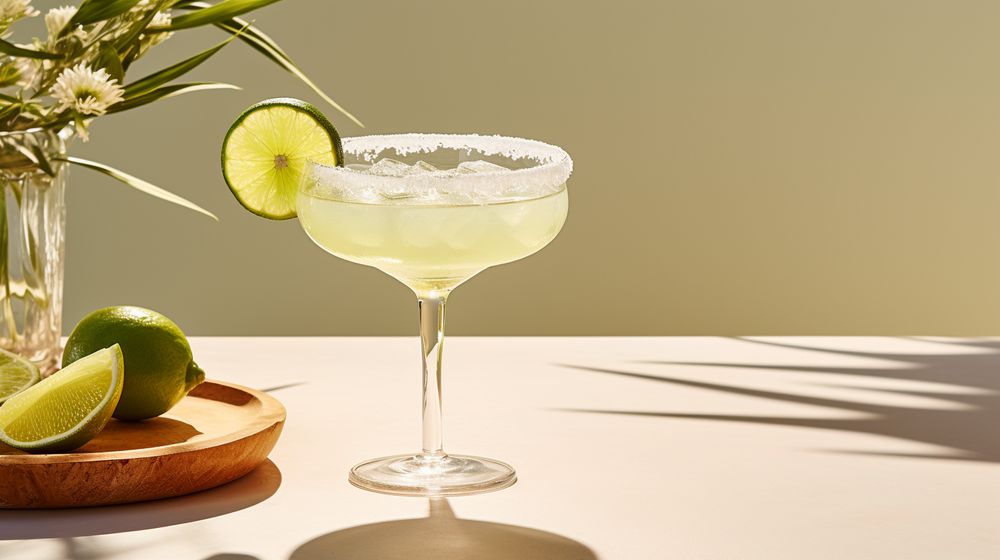
Caipirinha: The aroma of fresh lime and the distinct texture of crushed ice give the Caipirinha an invigorating mouthfeel. It is usually served cold, with a citrusy aftertaste.
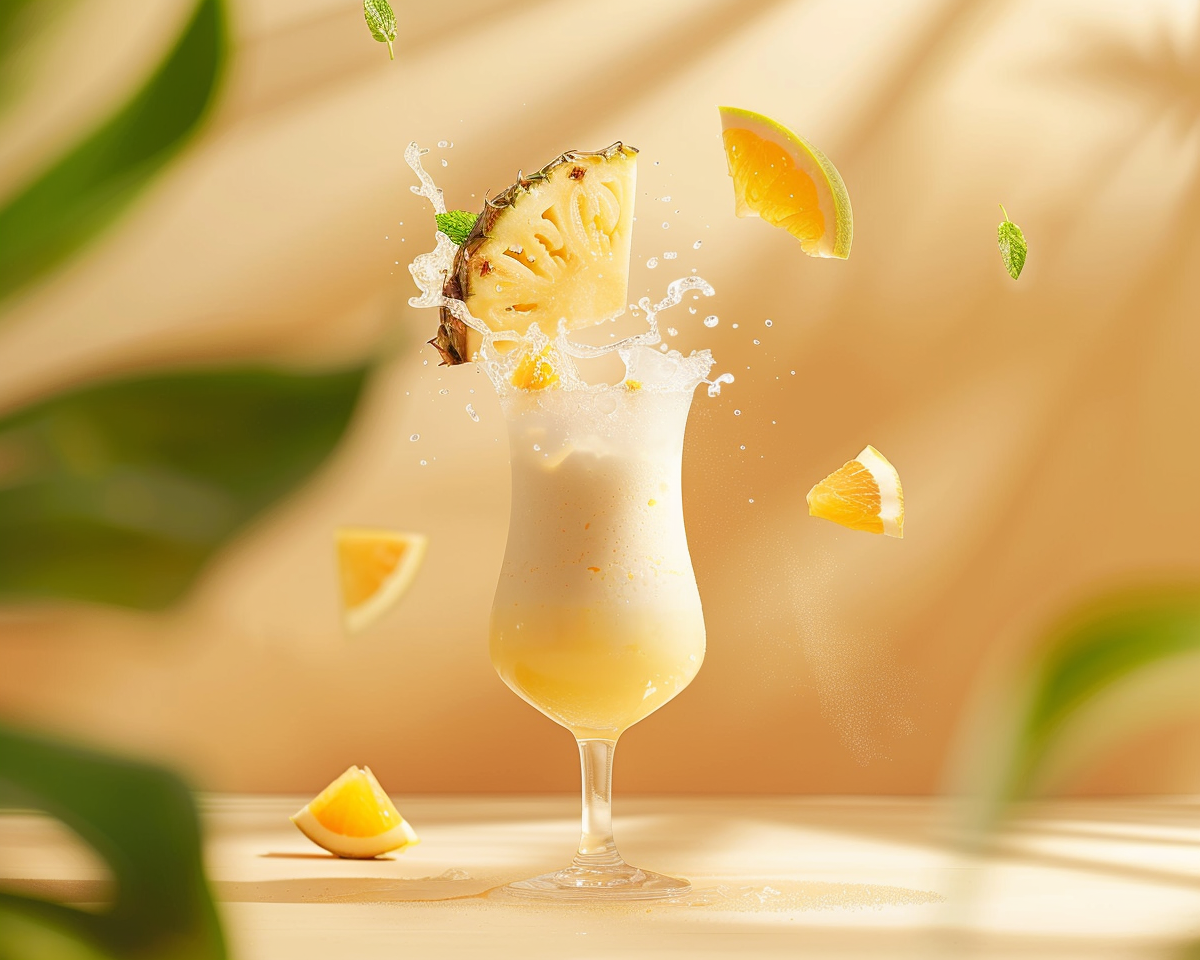
Piña Colada: The Piña Colada offers a creamy texture and a tropical aroma of coconut and pineapple. Served chilled, it leaves a sweet, fruity aftertaste.
Considerations
| Caipirinha | Piña Colada |
|---|---|
| Its balance lies in the contrast between the sour lime and sweet sugar, offering a simple yet intense flavor profile. | The harmony of sweet coconut cream, sour pineapple juice, and rum creates a complex, yet balanced taste, with a mellow intensity. |
💡 While both cocktails lack bitterness, umami, and spiciness, the Caipirinha’s simplicity and intensity contrast with the Piña Colada’s complexity and mellow sweetness. The choice between them depends on whether you prefer a straightforward citrusy burst or a layered tropical blend.
Barware and Glassware: Caipirinha vs Piña Colada
Mixing & Preparation
For a Caipirinha, a muddler and a cocktail shaker are essential. The muddler is used to crush the lime and sugar together, releasing the lime’s juice and oils. The cocktail shaker then mixes the cachaça with the muddled ingredients. On the other hand, a Piña Colada requires a blender to mix the rum, coconut cream, and pineapple juice into a smooth, creamy cocktail.
Serving & Presentation
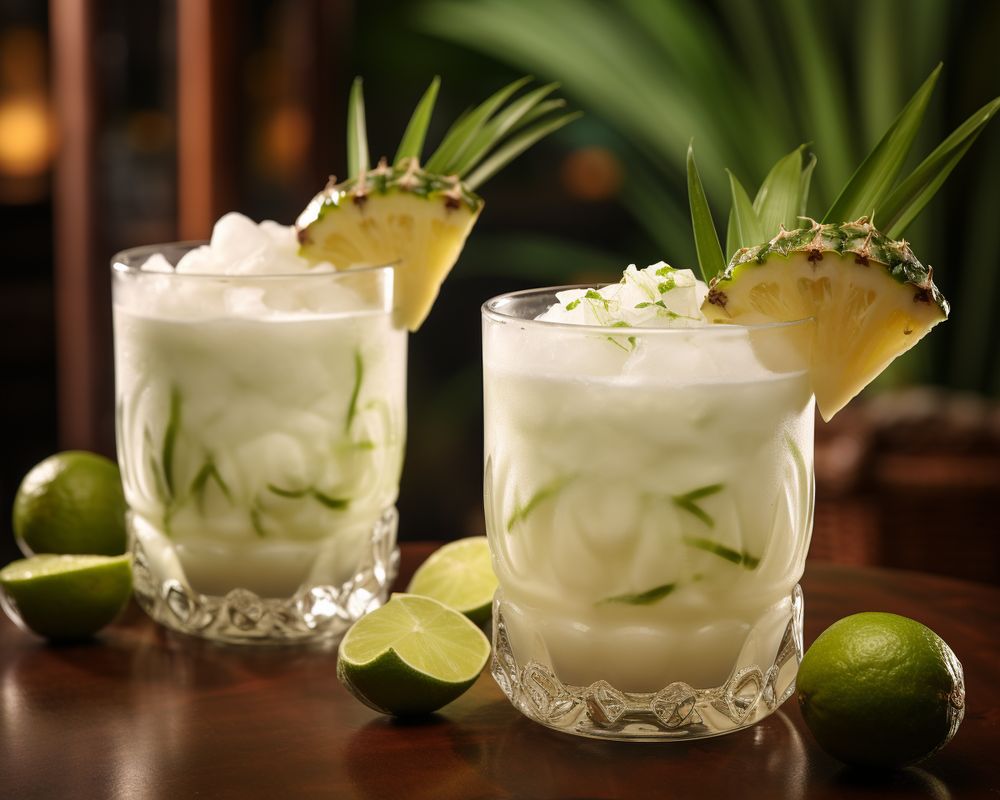
A Caipirinha is traditionally served in an old-fashioned glass, while a Piña Colada is typically presented in a highball glass. Both cocktails are garnished – the Caipirinha with a slice of lime, and the Piña Colada with a pineapple slice and a cherry.
Storage & Organization
Both cocktails require a bottle opener for the rum and cachaça. Speed pourers and liquor pour spouts ensure a smooth flow of the spirits, preventing spills and over pouring. A bar mat is also handy to keep your workspace clean and organized.
Garnishing & Fine Detailing
A cutting board and knife are essential for preparing the garnishes. For the Caipirinha, you’ll need to slice the limes, and for the Piña Colada, you’ll need to cut the pineapple slices and cherries. A citrus juicer can also be useful for extracting fresh lime juice for the Caipirinha.
Preservation & Enhancement
While neither cocktail typically requires preservation, a wine aerator can be used to enhance the flavor of the cachaça in the Caipirinha. The Piña Colada’s tropical flavors can be further enhanced with an atomizer filled with coconut or pineapple essence.
💡 Although both cocktails are served in different glasses, using a glass rimmer to apply a sugar rim to the Caipirinha or a coconut rim to the Piña Colada can add an extra touch of sophistication and flavor to these beloved cocktails.
Cocktails Versatility: Caipirinha vs Piña Colada
Best Occasions to Serve
- Caipirinha: Ideal for Barbecues, Beach Days, and Summer Music Festivals.
- Piña Colada: Perfect for Tropical Themed Parties, Beach Day, Poolside Hangouts.
Seasonal Pairing
- Caipirinha: A Summer classic, also enjoyable in Spring.
- Piña Colada: A Summer staple, but its tropical vibe makes it suitable for all seasons.
Event Suitability
| Caipirinha | Piña Colada |
|---|---|
| Weddings, Sporting Events, Graduation Celebrations | Corporate Parties, Birthday Parties, Product Launches |
Special Occasions
- Caipirinha: Ideal for Bachelor/Bachelorette Parties, Road Trips, and Game Nights.
- Piña Colada: Perfect for Date Nights, Anniversary Celebrations, and Family Reunions.
💡 Despite their tropical origins, both Caipirinha and Piña Colada can be enjoyed in a variety of settings. Their versatility makes them a great choice for any occasion, from a casual barbecue to a formal corporate party. However, it’s important to consider the preferences and expectations of your guests. While Caipirinha, with its strong lime and cachaça flavors, is more of a crowd-pleaser, Piña Colada, with its creamy coconut and pineapple mix, is more of a sweet treat. Choose wisely!
Ingredient Accessibility: Caipirinha vs Piña Colada
Caipirinha Ingredients
- Cachaça
- Lime
- Sugar
Piña Colada Ingredients
- Rum
- Pineapple Juice
- Coconut Cream
Ingredient Availability
For the Caipirinha, Cachaça might be a bit challenging to find, especially outside Brazil, but lime and sugar are everyday ingredients. On the other hand, for the Piña Colada, rum and pineapple juice are easily available, but coconut cream might not be as common in some regions.
Difficulty Level
Both cocktails are relatively easy to make. The Caipirinha requires muddling lime and sugar, then adding Cachaça. The Piña Colada involves blending all the ingredients together, which could be a bit more complex if you don’t have a blender.
| Caipirinha | Piña Colada |
|---|---|
| Relatively easy to make | Requires a blender |
💡 While both cocktails have their unique challenges in terms of ingredient accessibility, they offer an interesting insight into their countries of origin. The Caipirinha, with its use of Cachaça, a distinctive Brazilian spirit, and the Piña Colada, with its tropical ingredients, reflect their cultural backgrounds.
Cocktail Variations: Caipirinha vs Piña Colada
Caipirinha Variations
- Classic Caipirinha: A traditional Brazilian cocktail made with cachaça, sugar, and lime.
- Strawberry Caipirinha: A fruity twist on the classic, swapping lime for fresh strawberries.
- Passionfruit Caipirinha: Exotic and tangy, this version includes the addition of passionfruit.
Piña Colada Variations
- Classic Piña Colada: The iconic tropical cocktail from Puerto Rico, made with rum, coconut cream, and pineapple juice.
- Blue Hawaiian: A variation of the Piña Colada, with the addition of blue curaçao for a vibrant hue.
- Virgin Piña Colada: A non-alcoholic version that keeps the tropical flavors intact.
| Caipirinha | Piña Colada |
|---|---|
| Brazilian | Puerto Rican |
| Cachaça based | Rum based |
| Citrusy | Tropical |
💡 While both cocktails offer a range of variations, the Caipirinha’s flavor profile leans towards tart and refreshing, while the Piña Colada is all about creamy, tropical sweetness.
Comparing the Cost of Caipirinha and Piña Colada
Caipirinha Cost Breakdown
- Cachaça: A bottle of good quality Cachaça can be found for as low as $15, while premium brands may charge up to $40.
- Sugar: A small bag of sugar costs around $2.
- Limes: Depending on the season, a lime can cost between $0.10 and $0.50 each.
Piña Colada Cost Breakdown
- Rum: A decent bottle of rum starts at around $20, but high-end brands can be as expensive as $50.
- Cream of Coconut: A can of cream of coconut costs around $3.
- Pineapple Juice: A bottle of pineapple juice costs about $3.
- Fresh Pineapple: A whole pineapple can cost between $3 and $5, depending on the season.
Brand Options: Low to High
| Caipirinha | Piña Colada |
|---|---|
| Leblon ($15) | Bacardi Superior ($20) |
| Novo Fogo ($25) | Malibu ($25) |
| Avuá Prata ($40) | Don Q ($50) |
💡 While the cost of ingredients for a Caipirinha might be slightly lower than that of a Piña Colada, the price difference becomes negligible when considering the cost of higher-end brands. Therefore, the choice between a Caipirinha and a Piña Colada should be based more on personal taste preference rather than cost.
Prep & Mix Time: Caipirinha vs Piña Colada
Total Preparation Time
- Caipirinha: 5 minutes
- Piña Colada: 10 minutes
Mixing Time
- Caipirinha: 2 minutes
- Piña Colada: 5 minutes
Complexity of Preparation
Caipirinha: Easy
Piña Colada: Medium
Ingredient Preparation
- Caipirinha: Slice lime, measure cachaça, and sugar
- Piña Colada: Measure rum, cream of coconut, pineapple juice, and ice
Mixing Techniques
Caipirinha: Muddle, Stir
Piña Colada: Blend
Presentation
- Caipirinha: Served in a glass with crushed ice and a slice of lime
- Piña Colada: Served in a hurricane glass, garnished with pineapple slice and cherry
Set up
Caipirinha: Glass, Muddler, Spoon
Piña Colada: Blender, Hurricane Glass
Cleanup
- Caipirinha: Rinse muddler and spoon, wash glass
- Piña Colada: Wash blender and glass
Waiting Time
Caipirinha: None
Piña Colada: Chill time, 2 minutes
Expert Tips
- Caipirinha: Use a good quality cachaça for a smoother taste
- Piña Colada: Use fresh pineapple juice for a more vibrant flavor
💡 While the Caipirinha is quicker and easier to prepare, the Piña Colada requires a bit more time and effort, but rewards with a more complex and tropical flavor profile.
Mixology Hacks for the Perfect Blend: Caipirinha vs Piña Colada
Muddling Right
For a perfect Caipirinha, muddle the lime and sugar together, ensuring to release the lime’s essential oils. For a Piña Colada, there’s no muddling involved.
Ice Matters
Use crushed ice for a Caipirinha and ice cubes for Piña Colada. The ice dilutes the cocktail, balancing the flavors.
Shake vs Stir
Shake your Piña Colada to combine the rum, coconut cream, and pineapple juice. But stir your Caipirinha after muddling for a well-blended cocktail.
Balancing Act
Balance the sweetness of the Caipirinha with lime, while the Piña Colada needs a perfect blend of pineapple, coconut, and rum.
Herb Infusion
Add a twist to your Caipirinha with a hint of mint or basil. Piña Colada, on the other hand, doesn’t require any herb infusion.
Aromatic Bitters
While not traditional, a dash of bitters can add complexity to a Caipirinha. Piña Colada usually doesn’t include bitters.
Smoke Effects
Smoke effects aren’t typically used in either cocktail, but a smoked Caipirinha can add a unique twist.
Double Straining
Double strain your Piña Colada to ensure a smooth texture. This isn’t necessary for a Caipirinha.
Perfect Presentation
Present your Caipirinha in an Old Fashioned glass and serve your Piña Colada in a Hurricane glass for the perfect visual appeal.
Garnish Game
Garnish your Caipirinha with a lime wheel and your Piña Colada with a pineapple slice and maraschino cherry.
Temperature
Both cocktails should be served cold, immediately after preparation.
Crafting Signature Cocktails at Home
With these hacks, you can easily craft these signature cocktails at home and impress your guests.
Mixology Techniques for Beginners
From muddling to shaking, these techniques are beginner-friendly and perfect for those starting their mixology journey.
How to Balance Flavors in a Cocktail
Remember, the key to a perfect cocktail is balancing flavors. Adjust the ingredients as needed to suit your taste.
💡 While both cocktails originate from tropical regions, the Caipirinha hails from Brazil and is made with cachaça, a Brazilian spirit, while the Piña Colada is Puerto Rican and uses rum as its base spirit.
Caipirinha vs Piña Colada: A Deep Dive into Alcohol Content
Caipirinha: A Potent Brazilian Classic
Originating from Brazil, the Caipirinha is a cocktail that’s as potent as it is refreshing. The primary alcohol ingredient is Cachaça, a Brazilian spirit made from sugarcane juice. The alcohol by volume (ABV) percentage of Cachaça ranges from 38% to 48%. However, when mixed into a Caipirinha, the cocktail’s ABV drops to around 30%.
Alcohol-Free Caipirinha: The Caipirinha Mocktail
For those who prefer to enjoy the refreshing citrus flavors of a Caipirinha without the alcohol, there’s the Caipirinha Mocktail. By substituting the Cachaça with a mix of lime juice, sugar, and soda water, you can enjoy a non-alcoholic version of this Brazilian classic.
Piña Colada: A Tropical Delight
The Piña Colada hails from Puerto Rico and is a sweet, tropical cocktail. It’s made with rum, which typically has an ABV of 37.5%. When mixed into a Piña Colada with coconut cream and pineapple juice, the cocktail’s ABV lowers to around 13%.
Alcohol-Free Piña Colada: The Virgin Piña Colada
For a non-alcoholic alternative, the Virgin Piña Colada offers all the tropical flavors without the rum. Instead, it’s made with a blend of coconut cream, pineapple juice, and a dash of crushed ice.
| Cocktail | ABV% |
|---|---|
| Caipirinha | 30% |
| Piña Colada | 13% |
💡 While the Caipirinha has a higher alcohol content than the Piña Colada, it’s important to note that the strength of a cocktail doesn’t solely depend on its ABV. The flavor profiles, mixers, and even the way it’s served can greatly influence the perceived potency of the drink.
Nutritional Information: Caipirinha vs Piña Colada
Caloric Intake
- Caipirinha: Roughly 130 calories
- Piña Colada: Approximately 245 calories
Spirits and Mixers
Caipirinha uses Cachaça, lime, and sugar while Piña Colada is made with rum, coconut cream, and pineapple juice.
Sugar Content and Simple Syrups
- Caipirinha: Contains 11g of sugar
- Piña Colada: Contains 31g of sugar
Carbohydrates and Proteins
Caipirinha has 12g of carbs and no protein, while Piña Colada has 32g of carbs and 1g of protein.
Vitamins, Minerals, and Citrus Fruits
Caipirinha, with its lime content, provides a dose of Vitamin C. Piña Colada, on the other hand, offers a variety of vitamins and minerals due to its pineapple and coconut ingredients.
Allergens, Gluten, and Other Factors
- Caipirinha: Gluten-free and nut-free
- Piña Colada: Gluten-free but may contain traces of nuts
Low-Calorie and Sugar-Free Options
For a lower calorie option, opt for a Caipirinha. For a sugar-free option, neither cocktail is suitable without significant recipe alterations.
💡 While both cocktails offer their unique flavors and experiences, Caipirinha stands out as a lower calorie and lower sugar option, making it a better choice for those watching their nutritional intake.
Caipirinha vs Piña Colada: High-Quality Facts
Origin and History
The Caipirinha, Brazil’s national cocktail, has a rich history dating back to the 19th century. On the other hand, the Piña Colada hails from Puerto Rico and gained popularity in the mid-20th century.
Key Ingredients
- Caipirinha: Cachaça, lime, and sugar.
- Piña Colada: Rum, coconut cream, and pineapple juice.
Preparation Techniques
The Caipirinha requires muddling of lime and sugar, followed by addition of Cachaça. The Piña Colada, however, involves blending the ingredients to achieve a smooth consistency.
Flavor Profiles
While the Caipirinha offers a refreshing, tart, and strong flavor, the Piña Colada delights with its sweet, creamy, and tropical taste.
Nutritional Values
| Caipirinha | Piña Colada |
|---|---|
| Approximately 130 calories | Approximately 245 calories |
💡 While both cocktails offer unique taste experiences, the Caipirinha is a lower-calorie option for those mindful of their intake. However, the Piña Colada provides a more indulgent, dessert-like experience, making it a popular choice for those seeking a sweet treat.
Caipirinha vs Piña Colada: A Comprehensive Cocktail Comparison
What are the main ingredients of Caipirinha and Piña Colada?
Caipirinha, Brazil’s national cocktail, is made with cachaça (a Brazilian liquor made from sugarcane), fresh lime, and sugar. On the other hand, Piña Colada, the famous Puerto Rican cocktail, combines rum, coconut cream, and pineapple juice as its primary ingredients.
How are these cocktails prepared?
A Caipirinha is prepared by muddling lime and sugar together, then adding cachaça and crushed ice. Piña Colada is made by blending rum, coconut cream, and pineapple juice together, typically served with a pineapple wedge and maraschino cherry garnish.
What are the recommended alcohol brands for these cocktails?
For a Caipirinha, Leblon and Sagatiba are popular cachaça brands. For a Piña Colada, Bacardi Superior or Malibu Coconut Rum are often used.
What barware and glassware are used for these cocktails?
Caipirinha requires a muddler and a rocks glass. A Piña Colada, on the other hand, is typically served in a hurricane glass and requires a blender for preparation.
What are the best food pairings for these cocktails?
Caipirinha pairs well with spicy and flavorful Brazilian dishes, such as Feijoada. Piña Colada complements tropical and seafood dishes, like grilled shrimp or pineapple chicken.
How are these cocktails visually presented?
Caipirinha is served in a rocks glass with a lime wheel garnish. Piña Colada is often served in a hurricane glass, garnished with a pineapple wedge and a maraschino cherry.
What is the nutritional information for these cocktails?
A standard Caipirinha has approximately 150 calories and contains no allergens. A typical Piña Colada contains around 245 calories and may contain allergens like dairy due to the coconut cream.
What are the making costs of these cocktails?
The cost of making a Caipirinha can vary but is generally lower than a Piña Colada due to fewer ingredients. The cost of a Piña Colada can be higher due to the inclusion of more expensive ingredients like coconut cream and pineapple juice.
What is the alcohol content (ABV percentage) of these cocktails?
The alcohol content in a standard Caipirinha is about 30-40%, while a Piña Colada has a lower alcohol content, typically around 15%.
Unique Insight: Despite their differences, both Caipirinha and Piña Colada share a common trait: they both originated in tropical regions and embody the spirit of their respective cultures, offering a refreshing taste of Brazil and Puerto Rico in every sip.