Negroni
Experience the Balance of Bitter and Sweet
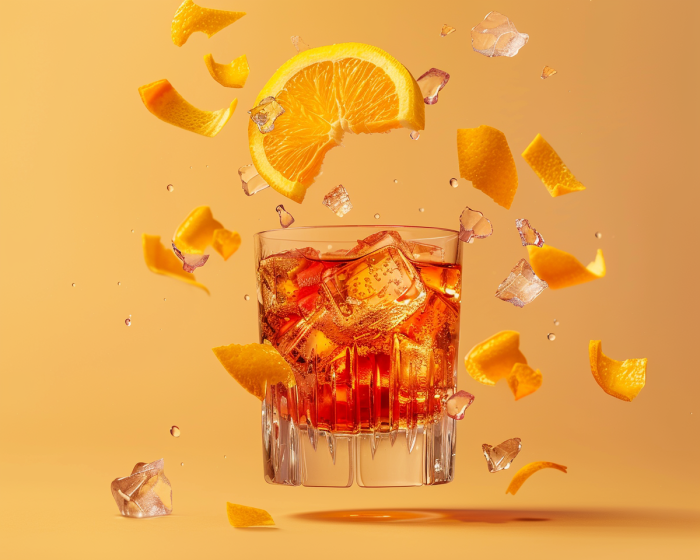
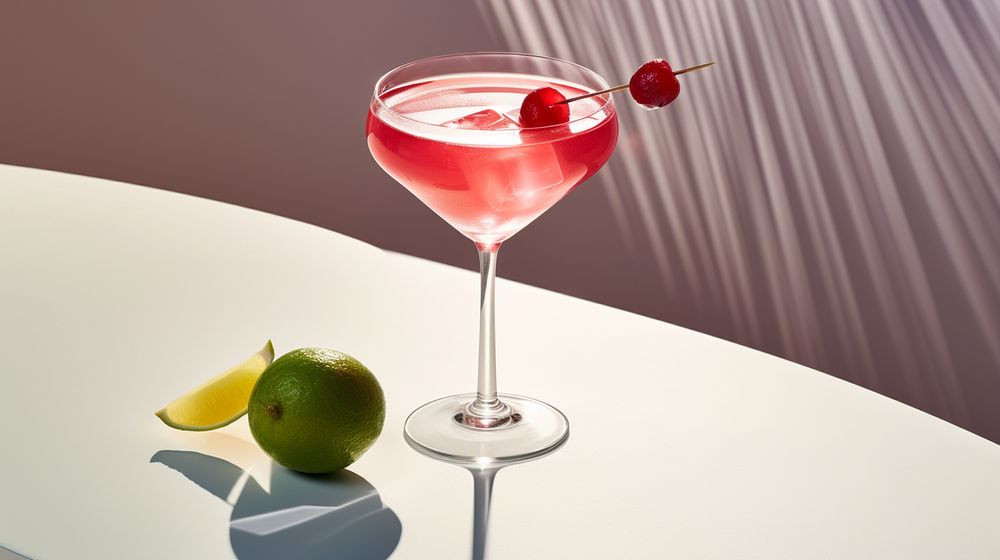
The Negroni cocktail is a harmonious blend of gin, Campari, and sweet vermouth, creating a taste profile that is both bitter and sweet. Its vibrant red color is as enticing as its taste. The bitterness of the Campari is beautifully balanced by the sweetness of the vermouth, while the gin adds a refreshing layer of complexity. A Negroni is perfect for those who appreciate a cocktail with depth and sophistication.
Campari Spritz
Discover a Sparkling Bitter-Sweet Symphony
A Campari Spritz is a bubbly cocktail that combines the bitterness of Campari with the sweetness of Prosecco and a splash of soda water. This cocktail is effervescent and refreshing, with a bold, bittersweet flavor profile that is both invigorating and complex. The Campari Spritz is a perfect choice for those seeking a sparkling cocktail with a bitter twist.
Aperol Spritz
Savor the Sweetness with a Hint of Bitter
The Aperol Spritz is a popular Italian cocktail that pairs the sweet, slightly bitter Aperol with Prosecco and a splash of soda water. This cocktail is light, refreshing, and has a distinct orange hue. The sweetness of the Aperol is balanced by the dry Prosecco, resulting in a cocktail that is both sweet and slightly bitter.
Boulevardier
Experience a Sophisticated Blend of Bitter and Sweet
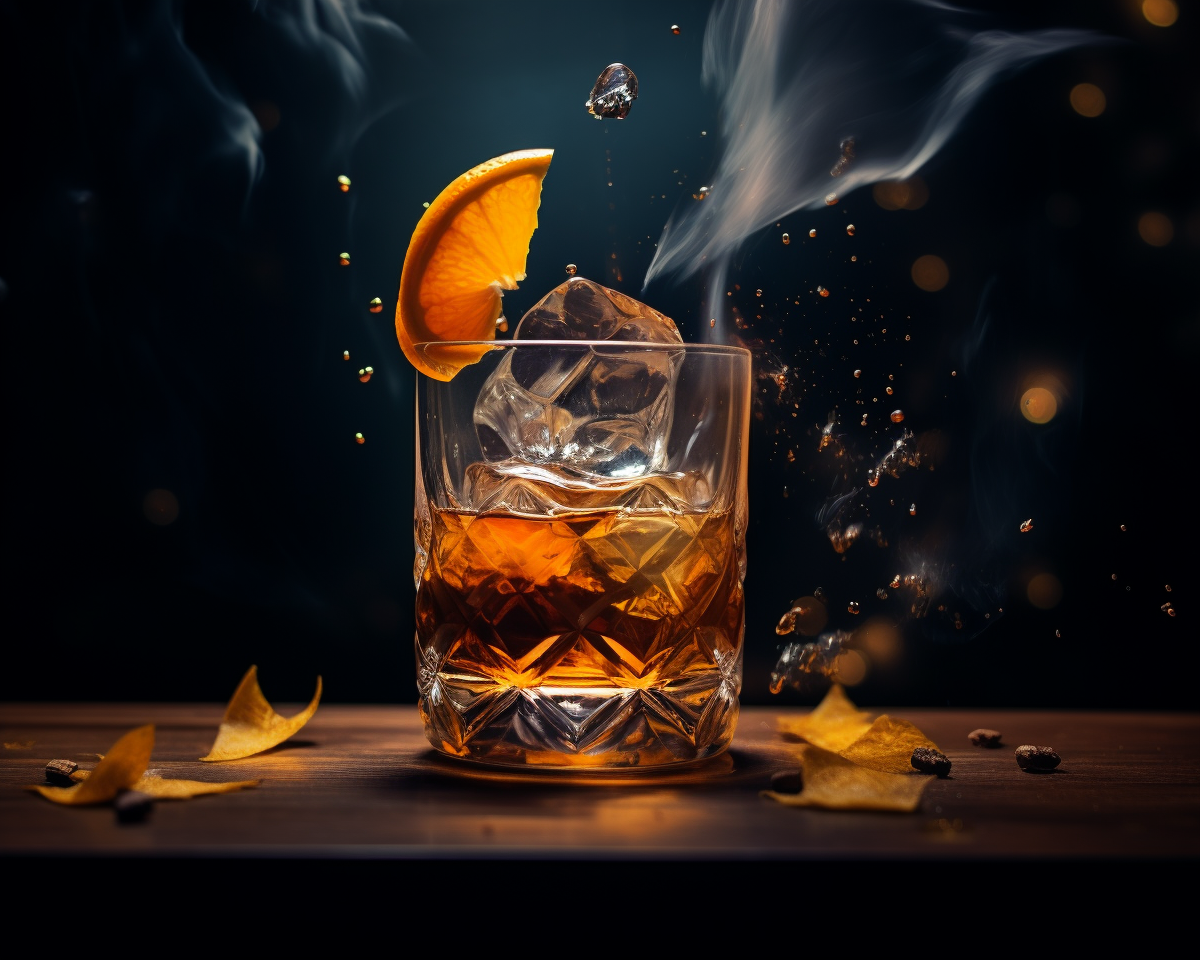
The Boulevardier is a classic cocktail that blends whiskey, sweet vermouth, and Campari. This cocktail is rich and complex, with a balance of sweetness from the vermouth and a bitter edge from the Campari. The whiskey adds depth and warmth, making the Boulevardier a sophisticated choice for cocktail enthusiasts.
Americano
Relish the Refreshing Bitter-Sweet Balance
The Americano is a cocktail that combines Campari, sweet vermouth, and a splash of soda water. The result is a refreshing, bittersweet drink. The bitterness of the Campari is perfectly balanced by the sweet vermouth, while the soda water adds a refreshing fizz. The Americano is a great choice for those who enjoy a cocktail with a balanced flavor profile.
Old Cuban
Delight in the Sweet and Sour Harmony
The Old Cuban is a cocktail that combines aged rum, lime juice, mint, sugar, bitters, and champagne. This cocktail is sweet, sour, and slightly bitter, with a refreshing minty undertone. The champagne adds a touch of sophistication and a bubbly finish, making the Old Cuban a delightful cocktail to savor.
Sazerac
Indulge in the Deep, Complex Flavors
The Sazerac is a classic New Orleans cocktail that combines rye whiskey, absinthe, sugar, and Peychaud’s bitters. This cocktail is complex and strong, with a deep, rich flavor profile. The absinthe and bitters add a unique bitterness that is balanced by the sweetness of the sugar, while the rye whiskey adds depth and warmth.
Vieux Carré
Savor the Rich, Bittersweet Symphony
The Vieux Carré is a classic cocktail that combines rye whiskey, cognac, sweet vermouth, Bénédictine, and bitters. This cocktail is rich and complex, with a bittersweet flavor profile. The combination of rye whiskey and cognac adds depth and warmth, while the Bénédictine and bitters add a unique layer of complexity.
Hanky Panky
Enjoy the Sweet and Bitter Dance
The Hanky Panky is a cocktail that combines gin, sweet vermouth, and Fernet-Branca. This cocktail is sweet and slightly bitter, with a unique herbal undertone. The gin and sweet vermouth provide a sweet base, while the Fernet-Branca adds a bitter twist, making the Hanky Panky a cocktail with a unique and captivating flavor profile.
Last Word
Delight in the Harmonious Blend of Sweet, Sour, and Bitter
The Last Word is a cocktail that combines gin, green Chartreuse, maraschino liqueur, and lime juice. This cocktail is sweet, sour, and slightly bitter, with a unique herbal undertone. The combination of these ingredients creates a harmonious blend of flavors that is both refreshing and complex, making the Last Word a delightful cocktail to savor.
Bitter Cocktails Flavor Profile
When it comes to the world of cocktails, the bitter flavor profile is a unique and intriguing category that offers a wide spectrum of taste experiences. This profile is characterized by a sharp, pungent, typically unpleasant sensation that is, paradoxically, quite pleasurable to many cocktail enthusiasts.
Basic Tastes of Bitter Cocktails
The basic taste of bitter cocktails can be broken down into three main categories:
- Tannic: This bitterness comes from ingredients like tea, certain fruits, and some types of alcohol. It’s a dry bitterness that is often balanced with sweet or sour flavors.
- Herbaceous: This type of bitterness is derived from herbs and botanicals. It’s often fresh and bright, and can be balanced with sweet or citrus flavors.
- Alkaline: This bitterness comes from ingredients like coffee or dark chocolate. It’s a deep, robust bitterness that can be balanced with sweet, creamy, or spicy flavors.
Flavor Elements in Bitter Cocktails
Flavor elements in bitter cocktails can be highlighted or balanced in various ways. For instance, a sweet ingredient like honey can soften the bitterness of a cocktail, while a sour ingredient like lemon juice can brighten it. Salty and umami flavors can also play a part in balancing bitterness, adding complexity and depth to the cocktail.
Complementary Ingredients
Complementary ingredients can bring out the best in bitter cocktails. Citrus fruits, sweet liqueurs, and aromatic bitters are all common additions that enhance the overall flavor profile. These ingredients not only help to balance the bitterness, but also add their own unique flavors to the mix.
💡 While bitter may not be the first flavor that comes to mind when thinking of cocktails, it’s a crucial part of many classic recipes. Embracing the bitterness can open up a whole new world of taste experiences.
Bitter Cocktails Base Spirits: An In-Depth Look
When it comes to crafting exquisite bitter cocktails, the base spirits play an integral role. They not only provide the necessary kick but also interact with other ingredients to create a harmonious blend of flavors. Let’s delve into the fascinating world of base spirits in bitter cocktails.
Most Commonly Used Base Spirits in Cocktails
Some of the most commonly used base spirits in cocktails include:
- Whiskey
- Vodka
- Gin
- Rum
- Tequila
How Base Spirits Affect the Flavor of Bitter Cocktails
The choice of base spirit significantly influences the overall flavor of a bitter cocktail. For instance, whiskey often imparts a smoky and robust flavor, while gin lends a herbal note. Vodka, being neutral, allows the bitter components to shine through.
Substituting Base Spirits in Bitter Cocktails
While it’s possible to substitute one base spirit for another, it’s crucial to remember that each spirit carries its own unique flavor profile. Substitutions can alter the cocktail’s taste, sometimes dramatically. Therefore, substitutions should be done thoughtfully and with a clear understanding of the spirits involved.
Notable Brands for Bitter Cocktails
When it comes to bitter cocktails, brands like Campari, Aperol, and Fernet-Branca are often the go-to choices. Their products are renowned for their quality and consistency, making them a favorite among mixologists.
Bitter Cocktails that Showcase the Base Spirit
Some bitter cocktails, like the Negroni or the Boulevardier, truly showcase the base spirit. In these cocktails, the base spirit is not masked but rather enhanced by the bitter elements, resulting in a drink where every ingredient shines.
💡 Remember, the art of cocktail making is all about balancing flavors. The base spirit you choose can make or break your bitter cocktail. So, experiment with different spirits and find the perfect blend that tickles your taste buds.
Bitter Cocktails Ingredients: A Comprehensive Guide
Dive into the world of bitter cocktails by understanding the ingredients that make them unique. From spirits and mixers to sweeteners and garnishes, each component plays a crucial role in creating that distinctive bitter flavor. Whether you’re an enthusiast or a newbie, this guide will help you understand the art of crafting the perfect bitter cocktail.
The Impact of Spirits on Bitter Cocktails
Spirits are the backbone of any cocktail, including bitter ones. They can significantly influence the cocktail’s flavor notes. For instance, gin, with its botanical flavors, can add a layer of complexity to your bitter cocktail. On the other hand, whiskey, with its smoky and sweet notes, can provide a nice contrast to the bitterness.
Ingredients Contributing to the Bitter Flavor
Ingredients like Campari, Aperol, and Fernet are common in bitter cocktails. These ingredients, known as amari, are Italian herbal liqueurs that contribute to the overall bitter taste. Other ingredients, such as grapefruit or lemon peel, can also add a bitter twist.
Mixers and Their Quality
When it comes to mixers, quality is key. Tonic water, soda water, and even certain fruit juices can be used in bitter cocktails. Always opt for high-quality mixers to ensure the best taste.
Fresh Ingredients and Their Impact
Fresh ingredients like fruits, herbs, and vegetables can enhance the flavor, aroma, and visual appeal of your cocktail. For example, fresh citrus fruits can add a tangy note to balance out the bitterness, while herbs like mint can add a refreshing touch.
Choice of Sweetener
The type of sweetener used can affect both the flavor and texture of your cocktail. Syrups, sugars, and alternative sweeteners like honey or agave can add a sweet counterpoint to the bitter ingredients.
Adding Complexity with Bitters and Liqueurs
Bitters and liqueurs can add complexity and balance to your cocktail. Angostura bitters, for example, can enhance the other flavors in the cocktail, while a liqueur like Cointreau can add a sweet and fruity note.
Sourcing and Preparing Ingredients
Many ingredients for bitter cocktails can be found at your local grocery store or liquor store. For more exotic ingredients, you might need to visit a specialty store or order them online.
Garnishes in Bitter Cocktails
Garnishes serve both a functional and aesthetic role in cocktails. A slice of citrus or a cherry can add a final touch of flavor, while also making your cocktail look more appealing.
💡 Remember, the key to a great bitter cocktail lies in the balance of ingredients. Even the bitterest cocktail has a sweet side!
Bitter Cocktails Seasonal Tips
As the seasons change, so do our tastes and preferences for cocktails. Bitter cocktails, with their complex and intriguing flavors, are a perfect way to explore these seasonal variations.
Spring: A Time for Fresh and Floral
Spring is the perfect time to enjoy bitter cocktails with a floral twist. Think cocktails with Campari, a bitter liqueur with a hint of sweet orange and herbs. Pair it with fresh juices or floral syrups for a refreshing spring drink.
Summer: Citrus and Fruity
Summer calls for bitter cocktails with a citrus twist. Aperol, with its bright orange hue and bitter-sweet taste, is a perfect base for a summer cocktail. Mix it with fresh fruit juices or soda for a refreshing bitter-sweet experience.
Autumn: Spiced and Warm
Autumn is the time for warm, spiced bitter cocktails. Consider cocktails with Fernet, a bitter, aromatic spirit. Mix it with apple cider or spiced syrup for a cozy autumnal drink.
Winter: Rich and Bold
Winter calls for rich, bold bitter cocktails. Try cocktails with Amaro, a bitter-sweet Italian liqueur. Pair it with dark spirits like bourbon or rye for a warming winter cocktail.
| Season | Bitter Liqueur |
|---|---|
| Spring | Campari |
| Summer | Aperol |
| Autumn | Fernet |
| Winter | Amaro |
💡 Remember, the beauty of bitter cocktails lies in their versatility. Don’t be afraid to experiment with different mixers and garnishes to suit your taste and the season.
Bitter Cocktails Food Pairings
Pairing food with bitter cocktails is an art that enhances the dining experience. It’s not just about the taste, it’s also about the balance and harmony between the flavors. Here are some tips to guide you in this culinary journey.
The Bitter-Sweet Harmony
Pairing bitter cocktails with sweet dishes can create a delightful contrast. For instance, a Negroni, with its blend of gin, Campari, and sweet vermouth, pairs beautifully with a dessert like dark chocolate cake.
Complementing Flavors
Complementing flavors is another effective strategy. A cocktail with a bitter edge, such as an Old Fashioned, can be paired with a rich, savory dish like braised short ribs.
Spicy and Bitter
Spicy foods can also be paired with bitter cocktails. The heat from the spice is balanced by the bitterness of the cocktail, creating a satisfying flavor balance. Consider pairing a spicy Thai dish with a bitter IPA cocktail.
| Cocktail | Food Pairing |
|---|---|
| Negroni | Dark Chocolate Cake |
| Old Fashioned | Braised Short Ribs |
| IPA Cocktail | Spicy Thai Dish |
💡 The key to successful food pairing with bitter cocktails is balance. The bitterness of the cocktail should either contrast or complement the flavors in the food. Experiment with different combinations to find your perfect pairing.
Bitter Cocktails Frequently Asked Questions
1. What are the key ingredients in a bitter cocktail?
Bitter cocktails usually contain a base spirit, bitters, and other flavor enhancers. The base spirit can be gin, vodka, whiskey, or rum. Bitters are alcoholic preparations flavored with botanical matter resulting in a bitter or bittersweet flavor. Examples include Angostura, Peychaud’s, and orange bitters. Other flavor enhancers can be sweet vermouth, citrus peels, or sugar cubes.
2. How do you prepare a bitter cocktail?
The preparation of a bitter cocktail varies depending on the specific recipe. However, most bitter cocktails involve mixing the base spirit and bitters with ice in a cocktail shaker, stirring or shaking, then straining into a chilled glass. Some cocktails may also require muddling ingredients or adding a garnish.
3. What are some recommended alcohol brands for bitter cocktails?
For bitter cocktails, Campari, Fernet-Branca, and Aperol are popular brands. For the base spirit, brands like Tanqueray for gin, Grey Goose for vodka, and Bulleit for whiskey are often recommended.
4. What barware is needed to make a bitter cocktail?
To make a bitter cocktail, you’ll typically need a cocktail shaker, a strainer, a muddler, a jigger for measuring, and a bar spoon for stirring. Some cocktails may also require a zester or peeler for garnishes.
5. What type of glassware is suitable for bitter cocktails?
Bitter cocktails are typically served in a rocks glass, also known as an old-fashioned glass. However, some cocktails like the Negroni can also be served in a cocktail or martini glass.
6. Are there any specific food pairings for bitter cocktails?
Bitter cocktails pair well with rich, fatty foods as the bitterness can cut through the fat. They also pair well with salty snacks, as the salt can balance the bitterness.
7. How can I customize my bitter cocktail?
Customizing a bitter cocktail can involve experimenting with different base spirits, bitters, or garnishes. You can also adjust the ratios of ingredients to suit your taste, or add additional flavorings like fruit juices or herbs.
8. What is the calorie content of a bitter cocktail?
The calorie content of a bitter cocktail can vary depending on the specific ingredients used. However, a typical bitter cocktail like a Negroni can contain around 200 calories.
9. Are there any allergens in bitter cocktails?
Some bitter cocktails may contain allergens. For example, some bitters are made with nuts or other allergens. Always check the ingredients if you have a food allergy.
10. How much does it cost to make a bitter cocktail?
The cost of making a bitter cocktail can vary widely depending on the specific ingredients and brands used. However, on average, it can cost between $2 to $5 per cocktail at home.
11. What is the alcohol content of a bitter cocktail?
The alcohol content of a bitter cocktail can vary depending on the specific recipe and ingredients used. However, most bitter cocktails have an alcohol by volume (ABV) percentage of around 20-30%.