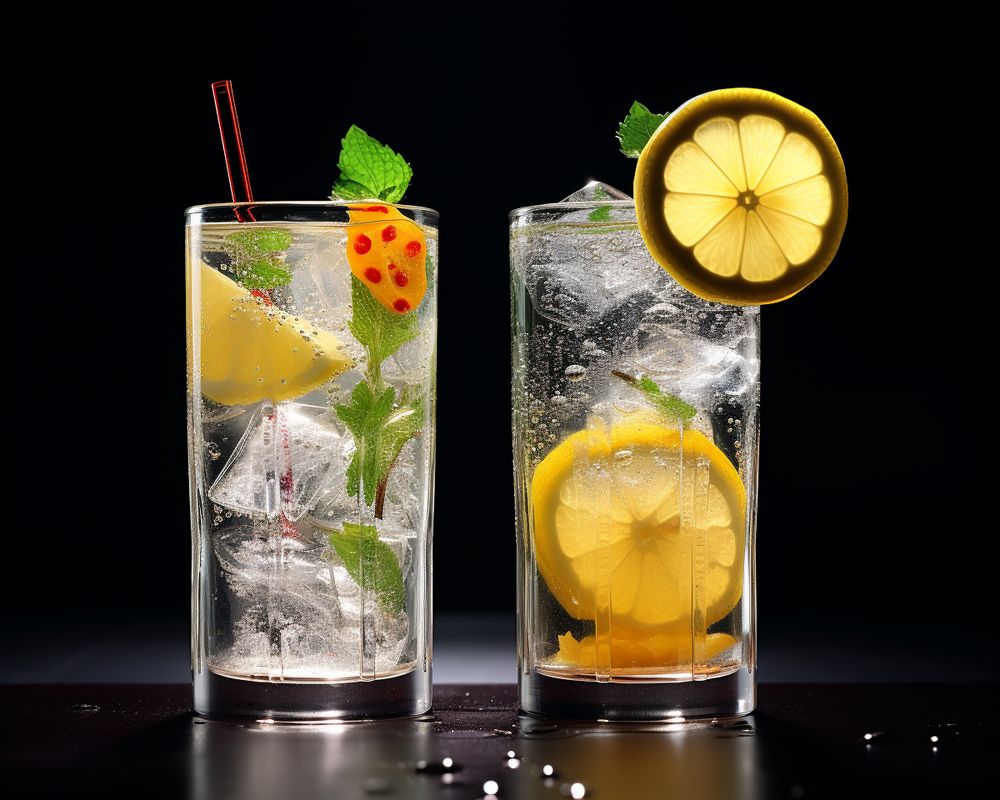
John Collins vs Tom Collins: A Taste Profile
Basic Tastes
- John Collins: Sweetness from the sugar syrup, sourness from the lemon juice, and a hint of bitterness from the bourbon.
- Tom Collins: Sweetness from the sugar syrup, sourness from the lemon juice, and a hint of bitterness from the gin.
Other Taste Profile Factors
- John Collins: Aromatic bourbon, smooth texture, served cold, refreshing mouthfeel, and a lingering aftertaste.
- Tom Collins: Juniper-infused gin aroma, smooth texture, served cold, refreshing mouthfeel, and a clean aftertaste.
Considerations
- John Collins: Balanced sweetness and sourness, harmonious blend of bourbon and lemon, complex bourbon flavor, moderate intensity, and a contrast of sweet and sour.
- Tom Collins: Balanced sweetness and sourness, harmonious blend of gin and lemon, complex gin flavor, high intensity, and a contrast of sweet and sour.
💡 The unique insight is that the main difference between a John Collins and a Tom Collins lies in the choice of spirit. A John Collins uses bourbon, which gives it a deeper, more complex flavor, while a Tom Collins uses gin, resulting in a brighter, more botanical profile.
John Collins vs Tom Collins: A Deep Dive into Barware and Glassware
Mixing & Preparation
When it comes to the John Collins, a cocktail shaker, jigger, and bar spoon are essentials. The cocktail is shaken with ice, and the bar spoon is used to stir the drink before serving. On the other hand, the Tom Collins is prepared using a mixing glass and muddler. The ingredients are muddled together and then strained into a glass.
Serving & Presentation
Both cocktails are served in a highball glass, but the John Collins is typically garnished with a lemon slice and cherry, while the Tom Collins is garnished with a lemon wedge and cherry. A glass rimmer can be used to add a sugar rim to the glass for both cocktails, adding an extra touch of sweetness.
Storage & Organization
Ice is an essential component of both cocktails, and an ice bucket & tongs are necessary for serving. Speed pourers and liquor pour spouts are also useful for accurately measuring the liquor components of each cocktail.
Garnishing & Fine Detailing
A cutting board and knife are needed for preparing the garnishes, while a citrus juicer is used for extracting fresh lemon juice. A channel knife can be used for creating lemon twists for an extra touch of elegance.
Preservation & Enhancement
While not essential, a wine aerator can be used to enhance the flavor of the wine used in the John Collins. A wine preserver can be used to keep any leftover wine fresh for future use.
💡 Although the John Collins and Tom Collins are similar in many ways, the key difference between the two lies in the type of liquor used. The John Collins is made with bourbon, while the Tom Collins is made with gin. This difference in liquor significantly impacts the flavor profile of each cocktail, with the John Collins having a richer, deeper flavor, and the Tom Collins having a lighter, more refreshing taste.
John Collins vs Tom Collins: The Versatility of Cocktails
Occasion Pairing
- John Collins: Perfect for a relaxed family reunion or a casual barbecue. Its refreshing nature also makes it a great companion for beach days and camping trips.
- Tom Collins: Ideal for sophisticated events like corporate parties, art galas, and award ceremonies. Also a great choice for date nights and engagement parties.
Season Pairing
- John Collins: A summer and spring favorite, thanks to its refreshing and light taste.
- Tom Collins: Suits all seasons but particularly shines in spring and summer. Its versatility makes it a year-round favorite.
Event Pairing
| John Collins | Tom Collins |
|---|---|
| Graduation Celebrations, Beach Day, Barbecue | Corporate Parties, Art Galas, Date Night |
💡 While both cocktails share a common lineage and ingredients, the John Collins with its bourbon base tends to have a more robust flavor, making it a great choice for casual, outdoor events. On the other hand, the Tom Collins, with its gin base, has a more refined and sophisticated taste, making it suitable for formal occasions.
John Collins vs Tom Collins: Ingredient Accessibility
John Collins Ingredients
- Whiskey – widely available in any liquor store.
- Lemon juice – can be easily squeezed from fresh lemons from any grocery store.
- Sugar – a staple item in most households.
- Club soda – available in the beverage section of any grocery store.
Tom Collins Ingredients
- Gin – widely available in any liquor store.
- Lemon juice – easily squeezed from fresh lemons from any grocery store.
- Sugar – a staple item in most households.
- Club soda – available in the beverage section of any grocery store.
Ingredient Comparison
| John Collins | Tom Collins |
|---|---|
| Whiskey | Gin |
| Lemon juice | Lemon juice |
| Sugar | Sugar |
| Club soda | Club soda |
💡 Despite the difference in base spirit, the John Collins and Tom Collins cocktails share identical ingredient lists, making them equally accessible for cocktail enthusiasts and newbies alike. The choice between whiskey and gin is a matter of personal preference, not accessibility.
John Collins vs Tom Collins: A Deep Dive into Cocktail Variations
John Collins: The Classic British Cocktail
Originating from London’s Limmer’s Hotel in the 19th century, the John Collins is a delightful blend of lemon juice, sugar, water, and Old Tom gin, a slightly sweeter version of the gin we know today. The cocktail is traditionally served in a Collins glass over ice, garnished with a lemon slice and a cherry.
Tom Collins: The American Twist
Across the pond, the Tom Collins cocktail gained popularity. The primary difference? The gin. Tom Collins swaps out Old Tom gin for a London Dry gin, which is more juniper-forward and less sweet. The other ingredients – lemon juice, sugar, and water – remain the same, maintaining the refreshing qualities of its British counterpart.
Popular Variations
- John Collins: Try swapping out the Old Tom gin for bourbon to create a “John Collins” with a twist.
- Tom Collins: For a fruity version, add a splash of raspberry syrup to your Tom Collins to create a “Raspberry Collins”.
Tasty Versions for Each
“For a John Collins, try using a high-quality bourbon like Maker’s Mark for a smooth, rich flavor. For the Tom Collins, a London Dry gin like Tanqueray will provide the perfect balance of botanicals.”
💡 While both cocktails share a common DNA, the choice of gin dramatically influences their flavor profiles. The John Collins is sweeter and smoother, while the Tom Collins is sharper and more botanical. So, whether you’re a cocktail enthusiast or newbie, your preference between the two may just come down to your gin preference!
John Collins vs Tom Collins: A Cocktail Cost Comparison
John Collins: A Budget-Friendly Classic
John Collins, a refreshing blend of gin, lemon juice, sugar, and carbonated water, is a cost-effective option for cocktail enthusiasts. The ingredients are easily accessible and affordable, making it a great choice for those on a budget. Here are the recommended gin brands for John Collins, listed from lower to higher brands:
- Gordon’s London Dry Gin
- Tanqueray London Dry Gin
- Bombay Sapphire
Tom Collins: A Premium Delight
Tom Collins, while similar to John Collins in ingredients, often calls for Old Tom Gin, a slightly sweeter and more expensive gin variant. This gives the cocktail a unique taste but also raises the cost. Here are our top picks for Old Tom Gin, listed from lower to higher brands:
- Hayman’s Old Tom Gin
- Ransom Old Tom Gin
- Jensen’s Old Tom Gin
Comparative Cost Analysis
| John Collins | Tom Collins |
|---|---|
| Affordable, accessible ingredients | Premium gin variant, higher cost |
💡 While the Tom Collins may be more expensive due to the use of Old Tom Gin, its unique, sweeter taste offers a different experience that some may find worth the extra cost.
John Collins vs Tom Collins: A Prep & Mix Time Comparison
Total Preparation Time
- John Collins: 5 minutes
- Tom Collins: 5 minutes
Mixing Time
- John Collins: 2 minutes
- Tom Collins: 2 minutes
Complexity of Preparation
John Collins: Easy
Tom Collins: Easy
Ingredient Preparation
- John Collins: Lemon juice, sugar syrup, bourbon, soda water
- Tom Collins: Lemon juice, sugar syrup, gin, soda water
Mixing Techniques
John Collins: Stir
Tom Collins: Shake
Presentation
- John Collins: Served in a Collins glass with a lemon slice and cherry
- Tom Collins: Served in a Collins glass with a lemon slice and cherry
Set Up
| John Collins | Tom Collins |
|---|---|
| Simple, with all ingredients at hand | Simple, with all ingredients at hand |
Cleanup
John Collins: Easy, just rinse the glass and stirrer
Tom Collins: Easy, just rinse the glass and shaker
Waiting Time
- John Collins: None
- Tom Collins: None
Expert Tips
- John Collins: Use a high-quality bourbon for the best taste
- Tom Collins: Use a premium gin for a superior cocktail
💡 Despite their similar preparation times and methods, the key distinction between the two cocktails lies in their choice of spirit. The John Collins uses bourbon, while the Tom Collins uses gin, leading to a significant difference in flavor profile.
Mixology Hacks for the Perfect Blend: John Collins vs Tom Collins
Muddling Right
Both cocktails need a gentle touch. Over-muddling can lead to bitter flavors in your drink. The John Collins requires a delicate muddling of lemon, while the Tom Collins needs a softer touch on the sugar and lemon juice.
Ice Matters
Large, clear ice cubes are a must for both. They melt slower, ensuring your cocktail stays chilled without diluting the flavors.
Shake vs Stir
Shaking is the key for a frothy, well-mixed John Collins. However, the Tom Collins shines when stirred, maintaining its clarity and subtler flavors.
Balancing Act
Both cocktails thrive on balance. The John Collins needs a perfect blend of bourbon, lemon juice, and sugar, while the Tom Collins requires a careful mix of gin, lemon juice, and simple syrup.
Herb Infusion
Infusing your Tom Collins with a hint of fresh basil can take it to the next level. The John Collins, on the other hand, benefits from a hint of fresh mint.
Aromatic Bitters
A dash of aromatic bitters can add complexity to both cocktails, but it’s not traditional in either recipe.
Smoke Effects
Neither the John Collins nor the Tom Collins traditionally involve smoke, but a hint of smoky flavor can add a unique twist to both.
Double Straining
Double straining isn’t necessary for either cocktail, but it can ensure a smoother, pulp-free drink.
Perfect Presentation
Both cocktails are served in a Collins glass, but the Tom Collins is traditionally garnished with a cherry and an orange slice, while the John Collins prefers a lemon wheel and a cherry.
Glassware
Collins glasses are ideal for both cocktails, their tall, slim design allowing for the perfect ratio of ice, cocktail, and carbonated water.
Garnish Game
Up your garnish game by adding fresh herbs or a citrus twist to either cocktail for an extra pop of color and flavor.
Temperature
Both cocktails should be served ice cold. Ensure your glass is chilled before pouring for the best experience.
Crafting Signature Cocktails at Home
With the right techniques and ingredients, you can craft bar-quality John Collins and Tom Collins cocktails right at home.
Mixology Techniques for Beginners
Start with quality ingredients, learn to balance flavors, and don’t be afraid to experiment. Both cocktails are forgiving and great for beginners.
How to Balance Flavors in a Cocktail
Balance is key in both cocktails. Pay attention to the sweet (sugar), sour (lemon), and strong (alcohol) components for a well-rounded drink.
Clarified Cocktails
Clarifying your Tom Collins can result in a crystal-clear cocktail with a smoother texture. The John Collins, however, is best enjoyed in its traditional, unclarified form.
Dehydrated Garnish
Dehydrated citrus wheels make a beautiful, long-lasting garnish for both cocktails.
Freeze & Squeeze
Freezing and squeezing your lemons can result in a more concentrated juice, perfect for these citrus-forward cocktails.
💡 The key difference between a John Collins and a Tom Collins is the spirit: bourbon for John and gin for Tom. However, with the right mixology hacks, you can create unique variations of both that suit your personal taste.
Comparing John Collins and Tom Collins Cocktails: Alcohol Content
John Collins: A Milder Choice
Originating from London, the John Collins is a refreshing cocktail that combines bourbon or whiskey, lemon juice, sugar, and carbonated water. The alcohol by volume (ABV) in a typical John Collins cocktail ranges from 12% to 20%, making it a relatively mild cocktail choice.
Tom Collins: A Stronger Alternative
On the other hand, the Tom Collins, named after the Old Tom gin it incorporates, is a slightly stronger cocktail. The ABV of a Tom Collins can reach up to 22%. The ingredients are similar to a John Collins, with the gin replacing the bourbon or whiskey.
Mocktail Alternatives: Alcohol-Free Enjoyment
For those who prefer non-alcoholic beverages, there are delightful mocktail versions of both the John and Tom Collins. The “Virgin John Collins” and “Virgin Tom Collins” replace the alcohol with extra carbonated water and a dash of fruit juice for added flavor. These mocktails offer the same refreshing taste without the alcohol content.
| John Collins | Tom Collins |
|---|---|
| 12% – 20% ABV | Up to 22% ABV |
💡 Despite their similar names and ingredients, the primary difference between a John Collins and a Tom Collins lies in their choice of alcohol. The John Collins uses bourbon or whiskey, which results in a milder cocktail, while the Tom Collins uses gin, leading to a slightly stronger drink. This difference in alcohol content can significantly impact the taste and experience of the cocktail, making it crucial to choose according to individual preference.
Nutritional Information: John Collins vs Tom Collins Cocktails
Caloric Intake
John Collins typically contains around 200 calories, while a Tom Collins has approximately 150 calories per serving.
Spirits and Mixers
John Collins is made with bourbon, while Tom Collins uses gin. Both cocktails use lemon juice and sugar syrup as mixers.
Sugar Content and Simple Syrups
Both cocktails have around 8g of sugar per serving, mostly from the simple syrup used in the recipes.
Pre-mixed Cocktails and Carbohydrates
Pre-mixed versions of these cocktails can have up to 20g of carbohydrates per serving due to added sugars and preservatives.
Beer, Wine, and Fruit Juices
Neither cocktail contains beer or wine. Both contain lemon juice, which adds a small amount of natural sugars and vitamins.
Proteins, Fats, and Cream-based Cocktails
John and Tom Collins are not cream-based cocktails and contain negligible amounts of proteins and fats.
Egg Whites, Vitamins, and Minerals
Neither cocktail uses egg whites. Both contain small amounts of vitamin C from the lemon juice.
Citrus Fruits, Herbs, and Allergens
Both cocktails contain citrus fruits and may contain herbs like mint for garnish. People with citrus allergies should avoid these cocktails.
Nuts, Gluten, and Other Factors
Neither cocktail contains nuts or gluten. However, they do contain alcohol, which can have various health effects.
Caffeine, Sodium, and Low-calorie Recipes
These cocktails contain no caffeine or sodium. Low-calorie versions can be made by reducing the sugar content.
Sugar-free and Gluten-free Options
Sugar-free versions can be made using artificial sweeteners. Both cocktails are naturally gluten-free.
💡 Although they have similar ingredients, John Collins and Tom Collins cocktails differ in their caloric content due to the different spirits used. The bourbon in John Collins has a higher calorie count than the gin used in Tom Collins.
John Collins vs Tom Collins: High Quality Facts
Origin and History
The John Collins cocktail has its roots traced back to the 19th century London, specifically at Limmer’s Hotel, while the Tom Collins was born out of a practical joke in 1874 in New York.
Key Ingredients
Both cocktails share three common ingredients: lemon juice, sugar syrup, and soda water. However, the John Collins uses bourbon or whiskey, while the Tom Collins uses gin.
Flavor Profile
The John Collins offers a robust, sweet, and slightly tart flavor, thanks to the bourbon or whiskey. On the other hand, the Tom Collins delivers a fresh, crisp, and slightly sweet taste due to the gin.
| John Collins | Tom Collins |
|---|---|
| Bourbon or Whiskey | Gin |
| Robust, Sweet, Slightly Tart | Fresh, Crisp, Slightly Sweet |
Preparation and Presentation
Both cocktails are prepared by mixing the ingredients and serving over ice in a Collins glass. A slice of lemon and a cherry are used to garnish both drinks, making them visually appealing.
💡 Despite their similarities in presentation and preparation, the choice of spirit drastically alters the taste. Thus, the John Collins is ideal for those who prefer a deeper, richer flavor, while the Tom Collins is perfect for those who appreciate a lighter, more refreshing taste.
John Collins vs Tom Collins: A Cocktail Comparison
What are the main ingredients of John Collins and Tom Collins?
John Collins is traditionally made with Old Tom gin, lemon juice, sugar, and carbonated water. On the other hand, Tom Collins uses London Dry Gin instead of Old Tom gin, along with lemon juice, sugar, and carbonated water.
How are these cocktails prepared?
Both cocktails are prepared by mixing the gin, lemon juice, and sugar in a shaker, then topping it off with carbonated water in a Collins glass. The main difference lies in the type of gin used.
What brands of alcohol are recommended for these cocktails?
For John Collins, Hayman’s Old Tom Gin is a popular choice, while for Tom Collins, Tanqueray London Dry Gin is often preferred.
What barware and glassware are used?
Both cocktails are mixed in a shaker and served in a Collins glass, hence the name. A lemon wheel and cherry are used for garnish.
What are the ideal food pairings?
Both cocktails pair well with light dishes such as salads, seafood, and chicken. Their refreshing taste complements the flavors of these foods.
How are these cocktails visually presented?
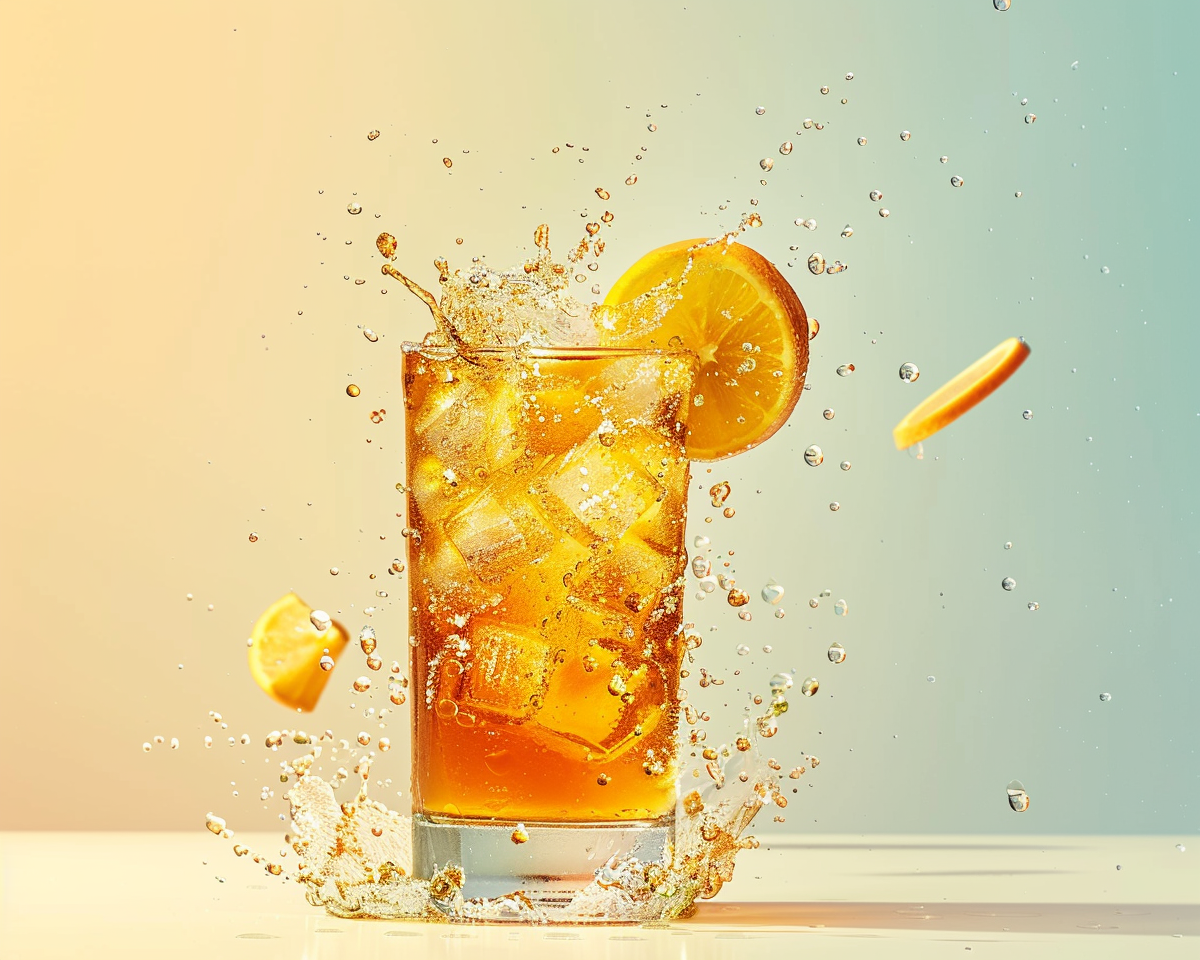
Both are served in a tall Collins glass with a lemon wheel and cherry garnish. The John Collins tends to have a slightly darker hue due to the Old Tom gin.
What is the nutritional information for these cocktails?
A typical serving of John Collins and Tom Collins contains approximately 200 calories. As for allergy information, they both contain alcohol and citrus, which some individuals may be allergic to.
What is the average cost of making these cocktails?
The cost of making these cocktails largely depends on the brand of gin used. Generally, a Tom Collins is slightly more expensive due to the cost of London Dry Gin.
What is the alcohol content (ABV) of these cocktails?
The ABV of both cocktails is approximately 10-12%, depending on the amount of gin used.
Unique Insight: Despite their similar names and ingredients, John Collins and Tom Collins originated from different eras. The John Collins was named after a headwaiter in London in the 19th century, while the Tom Collins was created during the gin craze in the United States in the late 19th century.