Tom Collins vs Manhattan: A Dive into Their Taste Profiles
Basic Tastes
A Shaken or Stirred Journey into the Heart of Classic Cocktails.
In sweetness, the Tom Collins takes the crown with its luscious blend of gin, lemon juice, sugar syrup, and soda. Predictably, sourness follows right on its heel assuring every sip leaves you refreshed.
On the flip side, the Manhattan is a robust balance of sweet and bitter, featuring whiskey, sweet vermouth, and a dash of bitters.
Other Taste Profile Factors
- Aromas: Tom Collins tickles your olfactory senses with fresh citrus notes, while Manhattan’s rich malt and caramel notes fill your senses.
- Textures: Tom Collins is fizzy and vivacious, whereas the Manhattan is smooth and full-bodied.
- Temperature: Traditionally, both cocktails are served chilled.
- Mouthfeel: Tom Collins is crisp and effervescent; Manhattan’s complex amalgamation of flavours make each sip a full-on sensory experience.
- Aftertaste: The lingering sophistication of a Manhattan’s smoky finish contrasts with the airy, clean finish of a Tom Collins.
Considerations
Both cocktails shine in their balance and harmony. The complexity in the Tom Collins comes from the sour, sweet, and fizzy tones playing together in harmony. Rye whiskey brings intensity to Manhattan, which is beautifully contrasted by the sweetness of the vermouth.
💡 Unique Insight
While the Manhattan has seen variations deviating from the original rye whiskey-based recipe, the Tom Collins holds firm to its gin foundation, providing consistent refreshment for centuries.
Tom Collins vs Manhattan: Spectacular Showdown of Barware and Glassware
Mixing & Preparation
The Manhattan cocktail magic starts by stirring voluminous amounts of whiskey, vermouth, and bitters in a mixing glass, measuring with a jigger. Strained into a cocktail glass, its divine allure is a result of a shaken but not stirred mix. A Tom Collins instead gets its zesty tang by shaking gin, lemon juice, sugar, and ice cubes in a cocktail shaker and serving it in a highball glass.- Cocktail Shaker: Used for Tom Collins
- Mixing Glass: Used for Manhattan
- Jigger: Used by both for precise measurement
Serving & Presentation
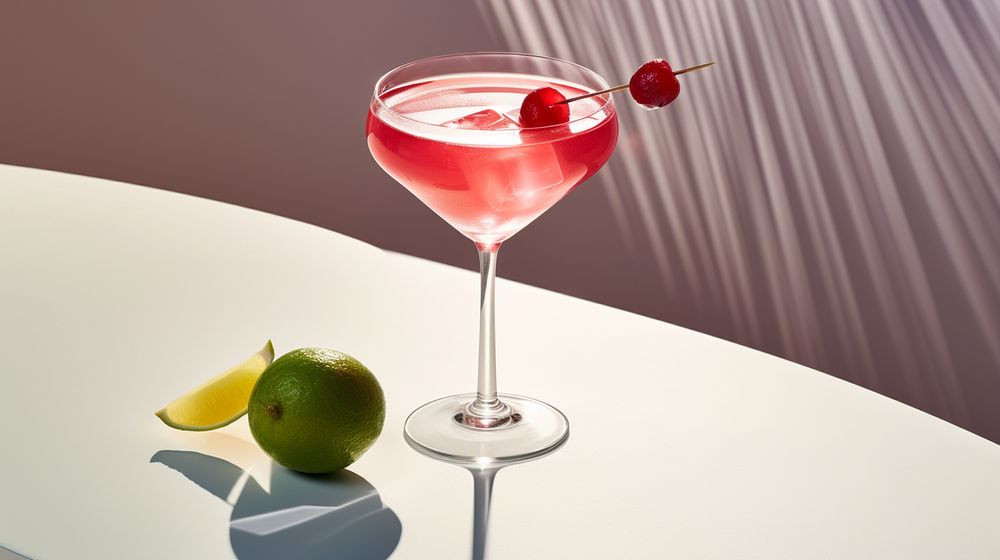
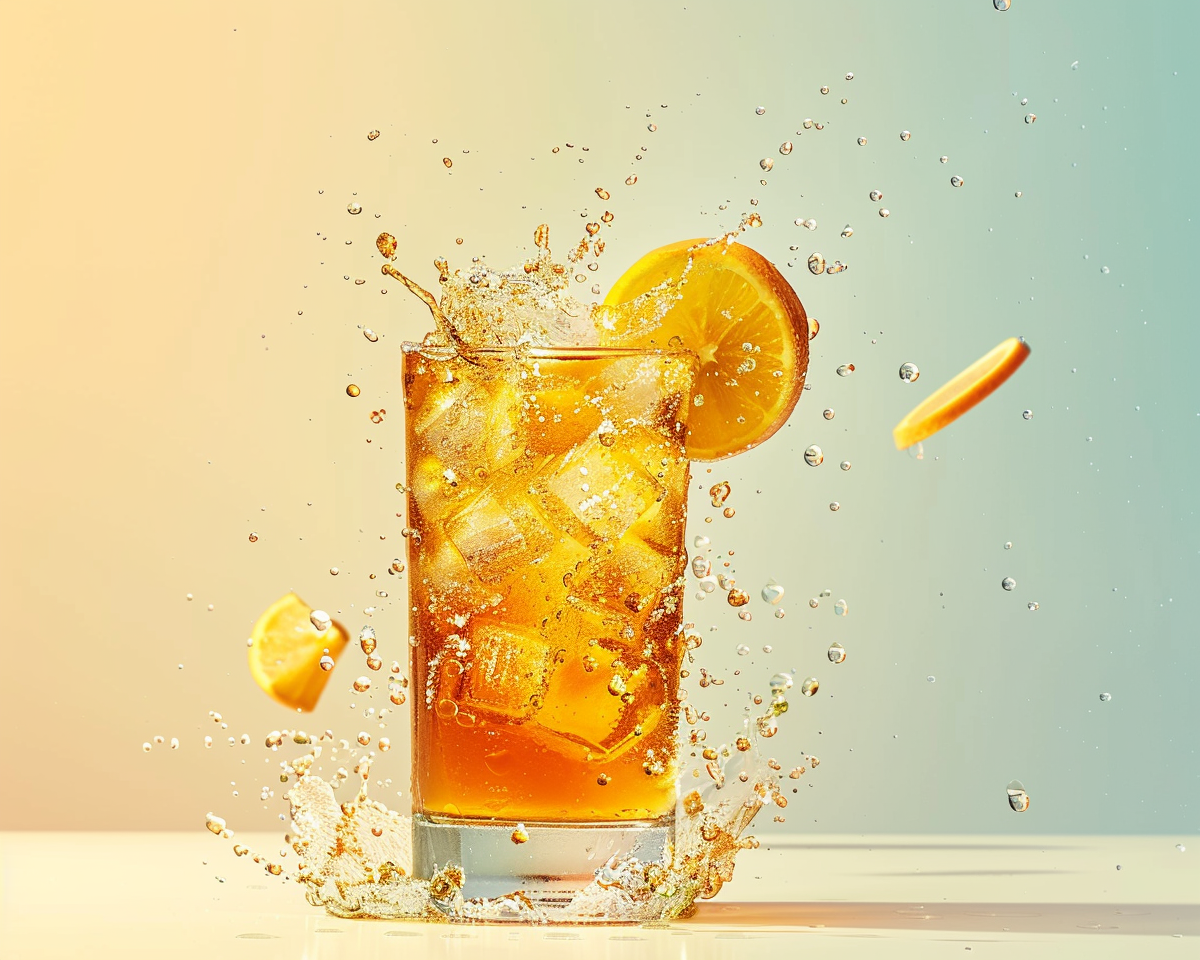
A Manhattan takes center stage in a lowball glass garnished typically with a cherry, while a Tom Collins sparkles in a chilled, preferably rimmed highball glass adorned with a lemon wheel and a cherry.- Cocktail Glass: Serves a Manhattan
- Highball Glass: Holds a Tom Collins
- Garnish Tray & Coasters: Essential for both
Storage & Organization
From the ice bucket to the liquor pourer, properly arranged bar tools streamline the preparation process. Both cocktails require chilled ingredients, and an organized bar roll and bar mat are inestimable allies in maintaining an uncluttered workspace.- Ice Bucket & Tongs: Implemented for both drinks
- Liquor Pour Spouts: Lovely additions for speedy bartender moves
Garnishing & Fine Detailing
Attention to detail can make or break a cocktail experience. From zesting a lemon for the Tom Collins to carefully cutting garnishes for the Manhattan, the right tools are paramount.- Peeler & Zester: Fantastic for Tom Collins
- Cutting Board & Knife: Vital for Manhattan’s garnishing
Preservation & Enhancement
Although neither cocktails have wine, all nicely equipped bars keep these implements at hand for the off-chance a patron prefers a wine-based drink.- Wine Aerator, Decanter, Wine Preserver, Champagne Stopper: might not be needed for these cocktails but find their place in a well-stocked bar.
💡 Strikingly, despite their distinct taste profiles, the Tom Collins and Manhattan rely heavily on a common arsenal of barware. What sets them apart, ultimately, is the execution technique and glassware each utilizes.
Exploring the Versatility of Tom Collins and Manhattan Cocktails
Unveiling the charm of the beloved Tom Collins and Manhattan cocktails, the stars of every occasion and season, requires diving into their unique attributes.
Occasions that call for a Collins or Manhattan
- Tom Collins: This refreshing, bubbly delight shines at Barbecues, Beach Days, and is a Summer-themed Parties hit. Let this be your go-to cocktail for Brunches and Game Nights too.
- Manhattan: This timeless cocktail radiates sophisticated charm, making it a fitting choice for Corporate Parties and Retirement Parties, and a romantic choice for Date Nights. It also adds a refined touch to Welcome Home Parties.
Seasonal Pairing
- Tom Collins: With its crisp, citrusy finish, it is an ideal summer and spring sipper. Consider it as your cooling remedy at a sizzling Fourth of July Barbecue or an Easter brunch.
- Manhattan: As the soul-warming rye whiskey intermingles with the vermouth and bitters, it’s clear that the Manhattan is a perfect companion for Autumn and Winter. Its sophisticated flavor profile garners applause at Thanksgiving feasts and cozy Christmas gatherings.
Whether it’s a casual beach day, a sophisticated corporate event, or a festive holiday celebration, the Tom Collins and Manhattan cocktails offer versatility that can cater to every occasion and season.
💡 However, while both cocktails are incredibly versatile, the Tom Collins leans more towards light, effervescent gatherings with its sunny disposition, while the Manhattan embraces a more mature, sophisticated vibe, perfect for formal, intimate occasions and colder seasons.
Tom Collins vs Manhattan: Ingredient Accessibility
Comparing two of the best classic cocktails – the effervescent Tom Collins and the robust Manhattan – often comes down to taste preference. However, ingredient accessibility also plays a major part in this barroom battle. Let’s examine the ease of sourcing these cocktail components.
Tom Collins Ingredients
Here’s a quick list of what you’ll need for the lightly sweet, sour, and fizzy Tom Collins:
- Gin
- Lemon Juice
- Simple Syrup
- Soda Water
With a Tom Collins, your essential ingredients are fairly straightforward. Gin is widely available, as are lemons for the freshly squeezed juice. Simple Syrup can be pre-bought or made at home by boiling equal parts water and sugar. Soda Water presents no difficulties either, available in all grocery stores.
Manhattan Ingredients
Switching gears to the comforting warmth of a Manhattan:
- Rye Whiskey
- Sweet Vermouth
- Angostura Bitters
- Maraschino Cherries
The base, Rye Whiskey, is commonplace in liquor stores. Sweet Vermouth can be trickier to locate, but a well-stocked off-license should carry it. Angostura Bitters are a staple in any self-respecting bar, and Maraschino Cherries are found in both liquor and grocery shops, often in the canned fruit aisle.
💡 Given a wider geographical distribution and fewer specialized ingredients, Tom Collins stands out as easier to assemble for novice mixologists, making it an ideal option for cocktail newbies. However, for aficionados seeking a bit of a sourcing challenge in their cocktail creation, the Manhattan offers an enticing option.
A Savory Sipdown: Tom Collins vs Manhattan Cocktail Variations
Diving into the world of mixology, let’s explore the variations of two iconic cocktails: the effervescent Tom Collins and the strong, sophisticated Manhattan.
Tom Collins: The Fruity Variations
With a base of gin, the Tom Collins lays a perfect canvas for experimental twists. Here’s a couple of the most popular ones:
- The John Collins: A tempting incarnation with bourbon instead of gin.
- The Sandra Collins: A vodka-based version adding a Russian spin to the classic.
Manhattan: The Bold Variations
If your palate leans towards whiskey, the Manhattan’s variations got you covered:
- The Rob Roy: A notable variation, substituting bourbon with Scotch whisky.
- The Dry Manhattan: A tantalizing version with dry vermouth replacing the sweet.
Some Manhattan purists might raise an eyebrow at these variations, but trial and exploration are the essence of mixology!
Remember, cocktail permutations are as limitless as one’s imagination and personal taste. Now you’re all set to experiment and maybe even create your own!
💡Did you know? The Tom Collins was initially concocted as a practical joke in 19th-century New York. A prankster would tell a naive listener that a man named Tom Collins was slandering them across town, leading to the infamous “Tom Collins Hoax” of 1874.
Comparing the Costs: Tom Collins vs Manhattan
Cost Breakdown
| Ingredients | Approximate Cost |
|---|---|
| Tom Collins | |
| Gin | $20 – $30 per bottle |
| Lemon Juice | $1 – $2 per lemon |
| Sugar Syrup | $5 – $10 per bottle |
| Soda Water | $1 – $2 per bottle |
| Manhattan | |
| Rye Whiskey | $25 – $40 per bottle |
| Sweet Vermouth | $10 – $15 per bottle |
| Angostura Bitters | $10 – $15 per bottle |
Choosing the Brands
For a budget-friendly Tom Collins, you might consider a lower-priced gin like Gordon’s, while for a more premium cocktail, consider something like Tanqueray or Bombay Sapphire. For the Manhattan, consider using a cheaper rye whiskey such as Old Overholt, or for a higher-end experience, go for brands like WhistlePig or Sazerac Rye.Keep in mind that in both cocktails, the quality of your mixers can also influence the final taste and cost, so choose wisely!
Bottom Line
Typically, based on the price of the ingredients, Manhattan tends to be slightly more expensive to make than a Tom Collins due to the cost of the rye whiskey.
💡 Nevertheless, the cost difference shouldn’t deter you from experimenting with both these refreshing cocktails. The diverse flavor profiles of Tom Collins and Manhattan provide a unique exploration of the art of mixology making them worth every penny!
Prep & Mix Time: Tom Collins vs Manhattan
Total Preparation and Mixing Time
- Tom Collins: Typically, it takes approximately 5 minutes.
- Manhattan: The average preparation and mixing time is also around 5 minutes.
Complexity of preparation
Tom Collins ranks as a cocktail of medium complexity. It involves simple syrup brewing which can be tricky but achievable.
In comparison, the Manhattan is more straightforward. It’s classified as an easy cocktail to prepare due to its direct mixing of ingredients.
Ingredient Preparation
- Tom Collins: Organizing your citrus fruits, gin, sugar, and carbonated water is important.
- Manhattan: Rye whiskey, sweet vermouth, and Angostura bitters must be precisely measured.
Mixing Techniques
- Tom Collins: Shaking is required to ensure a perfect balance of sweet and sour flavors.
- Manhattan: Stirring is preferred to maintain the distinct, robust flavors of each component.
Presentation, Set up, and Cleanup
Both the Tom Collins and the Manhattan are served in cold glasses, although the former uses a Collins glass while the latter uses a cocktail glass. Cleanup is similar for both, with only mixing tools and glasses being used.
Waiting Time
No significant waiting time is required for either drink. Serve immediately to enjoy.
Expert Tips
For best results, use high-quality spirits, freshly squeezed juices for the Tom Collins, and well-chilled glasses for both drinks for a superior cocktail experience.
💡 Remember to shake a Tom Collins but stir a Manhattan. That small difference in technique maintains the unique characteristics of each cocktail!
Mixology Hacks for the Perfect Blend: Tom Collins vs Manhattan
Muddling Right
- Tom Collins requires muddling lemon and sugar, resulting in a crisp, tangy cocktail.
- Manhattan doesn’t need muddling, focusing more on the blending of whisky and vermouth.
Ice Matters
Tom Collins is served over ice, while Manhattan is often strained and its temperature maintained with small ice or an ice sphere.
Shake vs Stir
Tom Collins is shaken to mix the gin and muddled ingredients, while a Manhattan is gently stirred to perfectly blend the spirits, preserving the crystal-clear look.Balancing Act
- Tom Collins depends on fresh lemon juice and soda water for balance.
- Manhattan counts on the sweet vermouth to offset the robust rye whiskey.
Herb Infusion and Aromatic Bitters
| Tom Collins | Manhattan |
|---|---|
| No herbs or bitters typically involved in a classic recipe. | Often includes a dash of aromatic bitter to enhance flavor, sometimes even an herb-infused vermouth. |
Smoke Effects and Double Straining
Neither cocktail typically uses smoke effects or double straining – their charm lies in their simplicity.Glassware and Garnish Game
- Tom Collins is served in a highball glass, garnished with a lemon slice and cherry.
- Manhattan shines in a classy cocktail glass, garnished with a single cherry.
The Balancing Flavors, Dehydrated Garnish, and Freeze & Squeeze
While both beverages don’t typically use dehydrated garnish or the freeze & squeeze technique, both require a unique balance of refreshing, sweet, and bitter notes for the perfect blend.💡 Did you know? With a cocktail like Manhattan that has a stronger spirit base, adding a splash of chilled water can open up the flavors just like it would in a neat whisky. Conversely, in a Tom Collins, the soda serves the same purpose, introducing both flavor complexity and refreshing drinkability. Happy Mixing!
Tom Collins vs Manhattan: A Deep Dive into Alcohol Content
The Heady Delights of Tom Collins & Manhattan
Tom Collins and Manhattan cocktails cater to different palates, however, their alcohol content is what truly sets them apart. Let’s dive deeper.Tom Collins:- Alcohol by Volume (ABV): Up to 22%
- Key Ingredients: Gin, Lemon Juice, Sugar, and Carbonated Water
Manhattan:
- Alcohol by Volume (ABV): A heady 30-35%
- Key Ingredients: Rye Whiskey, Sweet Red Vermouth, and Angostura Bitters
Alcohol-Free Alternatives (Mocktails)
For those who want to enjoy the flavor without the spirits, there are fabulous, alcohol-free alternatives as well.Tom Collins Mocktail:- The ‘No-Gin Collins’ replaces the gin with a robust blend of lemon and lime cordials, sugar, and sparkling water.
Manhattan Mocktail:
- The ‘No-hattan’ uses Seedlip (a non-alcoholic spirit), vermouth, bitters, and maraschino cherry syrup to maintain the iconic flavor.
💡 Despite the wide difference in their alcohol content, both cocktails can offer an alcohol-free version that preserves the unique flavor profile of the original concoction.
Nutritional Information: Tom Collins vs Manhattan
Essential Spirits
🍸Tom Collins cocktail primarily contains gin, while the Manhattan cocktail is predominantly whiskey-based.
Sugar content and Mixers
Tom Collins combines gin with lemon juice, sugar syrup and carbonated water, contributing to a significantly high sugar content. Contrarily, the Manhattan integrates whiskey with sweet vermouth, leading to a lesser sugar concentration.
Caloric Intake and Carbohydrates
The caloric intake of a standard Tom Collins cocktail rounds to about 120 calories, with most of them coming from carbs due to the added syrup. Manhattan, however, comes with a higher calorific value of approximately 164 calories per standard drink.
Note: Pre-mixed versions of these cocktails or ones served at bars might contain additional sugars and thus, higher calories.
Vitamins, Minerals and Allergens
Both these cocktails offer minimal vitamins and minerals. People with gluten intolerance can safely enjoy both drinks as they are devoid of gluten. However, those with a nut allergy should abstain from the Manhattan due to the presence of Angostura bitters, which might contain traces of nuts.
Other Factors
While both drinks make an indulgent spritzer for social events, their high alcohol content can dehydrate the body, leading to a hangover if not consumed in moderation.
Fruit Juices, Cream-based Cocktails, and Egg Whites
Neither of the two cocktails contain fruit juices, cream or egg whites that significantly alter their nutritional composition.
Low-Calorie and Sugar-free Options
A Tom Collins can be made low calorie and sugar-free by swapping sugar syrup for a non-caloric sweetener and opting for diet soda. For a healthier Manhattan, consider using dry vermouth instead of sweet.
💡 Did you know? Despite the higher calorie count, Manhattan tends to be more diet-friendly as its sweeteners – the vermouth and bitters – contain fewer sugars than the syrup used in Tom Collins.
Decoding the Classics: Tom Collins vs Manhattan
The Essentials: Ingredients
- Tom Collins: Comprised of lemon juice, gin, sugar syrup and soda water, it often features a garnish of cherries and a slice of lemon on the rim.
- Manhattan: This mix is exactly three parts – whiskey, sweet vermouth and a dash of Angostura bitters. A cherry often adds the finishing touch.
The Process: Making the Cocktail
Tom Collins: The ingredients, aside from the soda water, are combined in a shaker with ice. Once shaken, the mix goes into a Collins glass filled with ice, topped off with soda water.
Manhattan: All ingredients are stirred, not shaken (a key distinction), in a mixing glass with ice. The mix is then strained into a chilled cocktail glass.
Taste Profiles
| Tom Collins | Manhattan |
|---|---|
| Refreshing, slightly sweet and sour | Smooth with a touch of spiciness |
Origin
- Tom Collins: Named after the notorious 19th-century Hoax of Tom Collins, its first written recipe appears in the 1876 edition of Jerry Thomas’s “Bar-Tenders Guide”.
- Manhattan: Hailing from the Manhattan Club in New York City, its creation dates back to the late 1800s.
💡While the ingredients and process differ, they share a commonality in their garnishing of choice – a cherry. Interestingly, the Manhattan is one of few cocktails which is stirred rather than shaken, creating a totally different mouthfeel.
Tom Collins Vs Manhattan: A Comprehensive Comparison
What are the main ingredients in a Tom Collins and Manhattan?
A classic Tom Collins combines four essential ingredients: gin, lemon juice, simple syrup, and club soda. On the other hand, a Manhattan primarily includes bourbon or rye whiskey, sweet vermouth, bitters, and a maraschino cherry garnish.
How are Tom Collins and Manhattan prepared?
Preparing a Tom Collins is quite straightforward. You take a Collins glass, mix gin, lemon juice, and simple syrup, then top it with club soda. As for a Manhattan, you stir the whiskey, sweet vermouth, and bitters with ice and strain it into a cocktail glass, with a cherry on top.
What brands of alcohol are used in a Tom Collins and Manhattan?
Beefeater or Tanqueray gin are typically preferred for a Tom Collins, while Maker’s Mark or Bulleit rye whiskey works well for a Manhattan.
What type of glassware and barware is used for these cocktails?
Typically, a Tom Collins glass (tall and narrow) is used for a Tom Collins while a coupe or martini glass is preferred for a Manhattan. The barware needed includes a cocktail shaker for Tom Collins and a mixing glass for Manhattan.
What are the food pairings for Tom Collins and Manhattan?
Try pairing a Tom Collins with seafood or light appetizers, while a Manhattan pairs well with hearty dishes like a steak dinner.
What is the visual presentation of these cocktails?
A Tom Collins is often garnished with lemon and cherry, while a Manhattan is classy with a cherry garnish.
What is the nutritional information for Tom Collins and Manhattan?
Average caloric content for a Tom Collins is approximately 150 calories, whereas a Manhattan has around 200 calories. As for allergens, both are gluten-free but are not allergen-free due to the presence of alcohol.
What is the alcohol content (ABV percentage) of these cocktails?
A Tom Collins typically has a 9-11% ABV, while a Manhattan features a higher ABV, ranging from 30-35%.
How much does it cost to make a Tom Collins and Manhattan?
The cost largely depends on the specific brands you use, but generally, a Tom Collins might cost around $2 per serving, and a Manhattan, considering the higher-cost whiskey, could cost around $3-4.
Unique Insight: Despite their distinct recipes and tastes, both the Tom Collins and Manhattan showcase the versatility and charm of classic cocktails. They each hold their place in the history of cocktails and continue to be popular choices around the world.