Key Points of Comparison: Aperol Spritz vs Hugo Spritz
Flavor Composition: Aperol Spritz tastes of bittersweet oranges with a touch of herbs, while the Hugo Spritz is floral and fruity, owing to elderflower and mint notes.
Key Ingredients: Aperol Spritz combines Aperol, prosecco, and soda water, in contrast to Hugo Spritz which pairs elderflower syrup with prosecco, soda water, and fresh mint.
Origin and Popularity: Aperol Spritz hails from Italy and has become a global summer staple, whereas Hugo Spritz is a newer, trendier sip from South Tyrol, Italy.
Aperol Spritz: Italy’s Bubbly Orange Aperitif
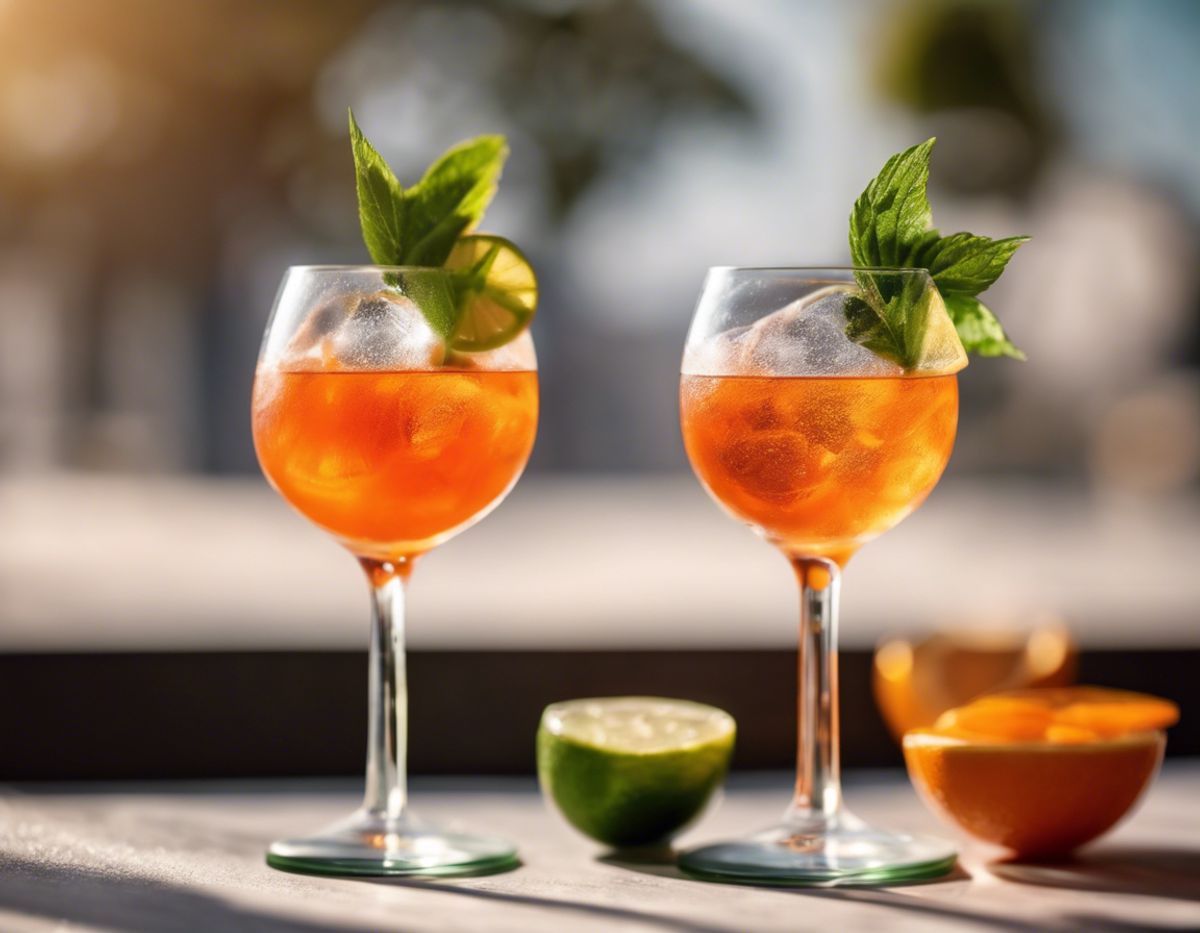
The Aperol Spritz, Italy’s beloved aperitif, dazzles with its bright orange hue and effervescent charm. This sparkling cocktail is a delicate dance of Aperol’s bitter-sweet flavor married to the crispness of prosecco and a splash of soda. It’s adored for its light, refreshing taste that perfectly primes the palate. Whether basking on a sun-drenched terrace or enjoying a relaxed brunch, the Aperol Spritz is the go-to beverage for those looking to savor moments of leisure with a touch of Italian elegance.
Taste Profile: It strikes a delightful balance with the sweetness of Aperol and prosecco cut by a touch of soda water.
Key Ingredients: Aperol, an Italian aperitif with a sweet-bitter profile, is mixed with prosecco and soda water for sparkle.
Alcohol Content: Hovering around 11% ABV, it’s a lighter option that’s perfect for extended sipping occasions.
Popularity: The Aperol Spritz has swept across both Europe and the United States, becoming a sunny afternoon favorite.
Origin: With roots in North-East Italy, this cocktail has become synonymous with Italian refreshment sophistication.
Primary Alcohol: Prosecco provides a bubbly base, while Aperol adds a distinctive herbal tang.
Preparation Time: Swift and simple, you can whip it up expertly in under 3 minutes, without a shaker.
Best Occasions: Brunches, aperitivo hours, or any laid-back socializing moment looking for an Italian touch.
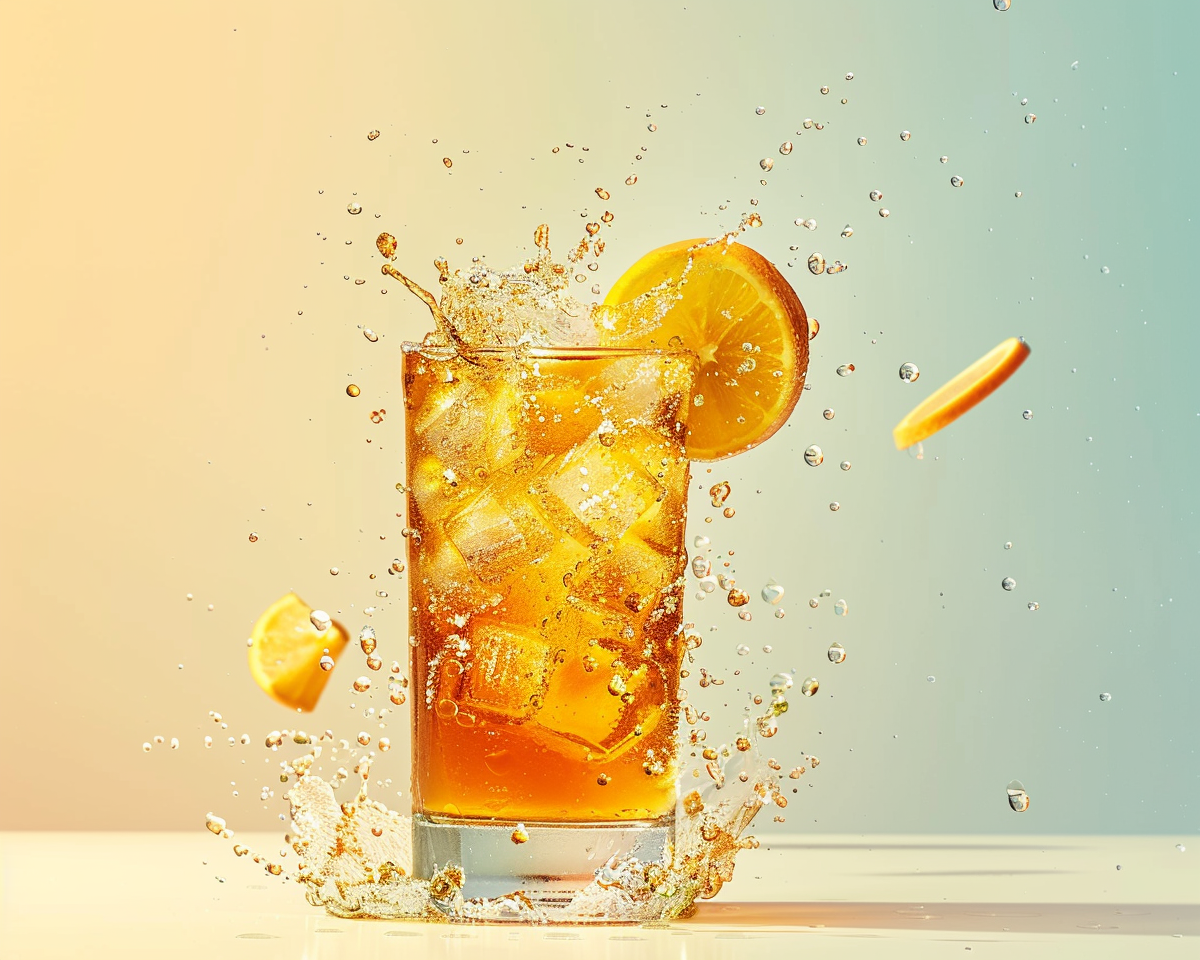
Visual Appeal: Its vivid orange color commands attention, served over ice, often with a slice of orange.
Glassware and Barware: Traditionally served in a wine glass, this elevates the sipping experience, along with a stirrer.
Nutritional Information: A standard serving contains roughly 200 calories, with the digestif qualities of Aperol aiding in appetite stimulation.
Variations: Modifiable with different sparkling wines or by adding a twist with garnishes like olives or rosemary.
Complexity: Effortless to assemble with a complexity of flavor that’s refreshing and suitable for anyone’s taste buds.
Hugo Spritz Cocktail: A Refreshing Sip of Alpine Breeze
The Hugo Spritz is a cocktail that’s quickly carving out its niche in the world of spritzes, offering a delicate yet refreshing blend of elderflower syrup, prosecco, sparkling water, and fresh mint leaves, typically garnished with lime or lemon. This bubbly delight charms the palate with its light and floral taste that’s not overly sweet, making it a perfect choice for those seeking a gentle aperitif. Despite being less known than its cousin, the Aperol Spritz, the Hugo has gained a following for its easy-drinking nature and connection to the idyllic South Tyrolean region in Italy.
Taste Profile: Light, floral and refreshingly airy with subtle bubbly prosecco and a hint of mint to refresh the senses.
Key Ingredients: Elderflower syrup, prosecco, sparkling water, and fresh mint are the signatures of this effervescent delight.
Alcohol Content: Light on alcohol, generally around 8-10% ABV, perfect for a leisurely sip without the heaviness.
Popularity: Riding the spritz wave, Hugo is gaining attention, offering an alternative to more established aperitifs.
Origin: Born in the picturesque South Tyrolean Alps of Italy, the Hugo is a newer entry to the spritz scene.
Primary Alcohol: Prosecco is the focal spirit, lending its signature Italian sparkle to every glass of Hugo Spritz.
Preparation Time: Quick and effortless, it’s typically ready in under 2 minutes, ideal for impromptu gatherings.
Best Occasions: Perfect for brunches, picnics, or any outdoor celebration that calls for a touch of lightness.
Visual Appeal: Its clarity and light effervescence, topped with fresh mint, make it as appealing to the eyes as it is to the palate.
Glassware and Barware: Served in a wine glass to showcase its clarity and color, it requires a stirrer or spoon for a gentle mix.
Nutritional Information: Typically lower in calories, around 120 per serving, thanks to its light ingredients and lower alcohol volume.
Variations: Flexible in its nature, it can be jazzed up with different fruits or herbs to suit personal flavor preferences.
Complexity: Simplicity is key with the Hugo, making it a straightforward yet elegant choice for an aperitif.
Conclusion
Delving into the realm of spritzes uncovers a duo of beloved cocktails—the Aperol Spritz and the Hugo Spritz. Each brings its distinct flair to the spritz family. The Aperol Spritz charms with a vivacious blend of Aperol, prosecco, and a splash of soda, creating a bittersweet symphony with a vibrant orange hue. It’s a crowd-pleaser, ideal for those who savor a classic Italian aperitivo with a playful kick of citrus and herbs.
Contrastingly, the Hugo Spritz whispers a softer, more floral note through its harmonious concoction of elderflower syrup, prosecco, mint, and a touch of soda. It’s an enchanting choice for sippers seeking a subtler, more fragrant refreshment that feels like a breezy Alpine meadow in a glass.
For you, the cocktail connoisseur, the decision between these spritzes should echo your taste buds’ cravings. If a bold, citrusy cocktail with a tinge of sweetness speaks to your palate, the Aperol Spritz is your go-to. Should you desire a gentler sip with floral undertones, the Hugo Spritz will be your refreshment of choice. Both are stellar picks for social hours and bask in their own light, ready to elevate your aperitif experience.