Bloody Mary vs Mimosa: A Dive into the Taste Profile
Basic Tastes
- Bloody Mary: Known for its spiciness, the Bloody Mary also offers umami from the tomato juice, saltiness from the celery salt, and sourness from the lemon juice.
- Mimosa: This cocktail is sweet and slightly sour, thanks to the blend of champagne and orange juice.
Other Taste Profile Factors
- Bloody Mary: The Bloody Mary boasts a thick texture, cool temperature, and a lingering spicy aftertaste. Its aroma is robust, with hints of tomato, celery, and spices.
- Mimosa: The Mimosa offers a light, bubbly texture and a cool temperature. Its aftertaste is crisp and citrusy, and its aroma is predominantly fruity.
Considerations
| Bloody Mary | Mimosa |
|---|---|
| Balance: The spiciness and umami are well balanced by the sourness and saltiness. | Balance: The sweetness of the orange juice is perfectly offset by the sourness of the champagne. |
| Harmony: The ingredients blend seamlessly, creating a harmonious taste profile. | Harmony: The champagne and orange juice complement each other beautifully. |
| Complexity: With a variety of flavors and textures, the Bloody Mary is a complex cocktail. | Complexity: The Mimosa, though simpler, still offers a delightful mix of sweetness and sourness. |
| Intensity: The Bloody Mary is known for its intense, robust flavor. | Intensity: The Mimosa is more subtle, with a light, refreshing taste. |
| Contrast: The spiciness and umami contrast with the sourness and saltiness, creating an exciting taste experience. | Contrast: The sweet and sour elements of the Mimosa provide a pleasing contrast. |
💡 While both cocktails offer a unique taste experience, the Bloody Mary is for those who enjoy a robust, complex flavor, while the Mimosa is perfect for those who prefer a light, refreshing taste.
Bloody Mary vs Mimosa: A Barware and Glassware Guide
Mixing & Preparation
- Bloody Mary: A cocktail shaker, mixing glass, muddler, Hawthorne strainer, jigger, and ice molds are essential for creating this classic cocktail.
- Mimosa: This simple cocktail requires a jigger and ice crusher. A bar spoon can help mix the champagne and orange juice evenly.
Serving & Presentation
- Bloody Mary: Typically served in a highball glass, with a glass rimmer for the salted rim, garnish tray for celery stalks, and coasters to avoid rings on your table.
- Mimosa: Mimosas shine in a champagne flute, highlighting their bubbly nature. Coasters are also a good idea to protect your surfaces.
Storage & Organization
- Bloody Mary: An ice bucket & tongs, speed pourers, and a bar mat are essential for a smooth Bloody Mary preparation process.
- Mimosa: A bottle opener & corkscrew for the champagne and speed pourers for the orange juice will streamline your mimosa making.
Garnishing & Fine Detailing
- Bloody Mary: A cutting board & knife, citrus juicer, and atomizer for optional hot sauce give the Bloody Mary its signature look and taste.
- Mimosa: A peeler & zester can add a twist of citrus for an elegant touch.
Preservation & Enhancement
- Bloody Mary: A wine aerator can help enhance the flavors of the tomato juice.
- Mimosa: A champagne stopper is crucial to keep leftover champagne fresh for the next round of mimosas.
💡 While both cocktails have their unique preparation and serving methods, the Bloody Mary requires a more extensive set of barware and glassware, making it a cocktail enthusiast’s delight. On the other hand, the simplicity of the Mimosa makes it a perfect choice for cocktail newbies.
Bloody Mary vs Mimosa: The Ultimate Guide to Cocktail Versatility
Occasion Pairing
- Bloody Mary: Perfect for brunches, beach days, and family reunions. Its savory taste makes it a great companion for barbecue and camping trips.
- Mimosa: The ultimate choice for weddings, engagement parties, and anniversaries. It’s also a staple at girls’ night out, date nights, and holiday parties.
Seasonal Pairing
| Bloody Mary | Mimosa |
|---|---|
| Autumn and Winter | Spring and Summer |
Event Pairing
- Bloody Mary: A hit at sporting events, music festivals, and themed parties. It’s also a popular choice for product launches and corporate parties.
- Mimosa: The go-to cocktail for baby showers, farewell parties, and charity events. It’s also a crowd-pleaser at award ceremonies and retirement parties.
💡 The versatility of Bloody Mary and Mimosa lies in their contrasting flavor profiles. While the Bloody Mary, with its bold and savory notes, is perfect for outdoor and casual events, the Mimosa, with its light and fruity taste, is ideal for formal and celebratory occasions. Regardless of the event, season, or occasion, both cocktails offer a unique drinking experience, promising to make any event memorable.
Bloody Mary vs Mimosa: Ingredient Accessibility
Finding Bloody Mary Ingredients
For the classic Bloody Mary, you’ll need vodka, tomato juice, Worcestershire sauce, hot sauce, and some spices. The ingredients are relatively easy to find. Most supermarkets stock them, and the spices might already be in your pantry. However, the Worcestershire sauce and hot sauce may not be readily available in some locations.
Mimosa Ingredient Hunt
On the other hand, a Mimosa requires just two ingredients: orange juice and champagne. These are also commonly found in supermarkets, but the quality of champagne can vary greatly. If you’re looking for a specific champagne brand, you might need to visit a specialized wine store.
| Bloody Mary Ingredients | Mimosa Ingredients |
|---|---|
| Vodka, Tomato Juice, Worcestershire Sauce, Hot Sauce, Spices | Orange Juice, Champagne |
Overall Ingredient Accessibility
Both cocktails have easily accessible ingredients, but the Bloody Mary may require a bit more effort due to the variety of components. The Mimosa, with its simpler recipe, might be the winner if convenience is your top priority.
💡 Despite the Bloody Mary’s more complex ingredient list, its versatility allows you to experiment with different flavors and spices, potentially creating a unique cocktail experience.
Bloody Mary vs Mimosa: A Dive into Cocktail Variations
The Classic Bloody Mary
Originating from the United States, the classic Bloody Mary cocktail is a savory delight. It’s typically made with vodka, tomato juice, lemon juice, Worcestershire sauce, Tabasco, and a pinch of salt and pepper. Served over ice, it’s often garnished with a celery stalk or a lime wedge.
The Mimosa Magic
Born in Spain, the Mimosa is a refreshing blend of champagne and orange juice. Traditionally served in a tall champagne flute, it’s a popular brunch cocktail worldwide. Its bubbly texture and sweet citrusy flavor make it a crowd favorite.
| Bloody Mary | Mimosa |
|---|---|
| Vodka, Tomato Juice | Champagne, Orange Juice |
| Worcestershire Sauce, Tabasco | N/A |
| Celery Stalk, Lime Wedge | N/A |
Tasty Variations
Bloody Mary
- Red Snapper: A gin-based version of the Bloody Mary.
- Michelada: A beer-infused twist on the classic, adding a tangy taste.
Mimosa
- Buck’s Fizz: An English version with a higher proportion of champagne to orange juice.
- Poinsettia: A cranberry juice variant of the Mimosa, adding a tart kick.
💡 While both cocktails have their unique charm, the Bloody Mary offers more room for creativity with its ingredients and garnishes. On the other hand, the Mimosa’s simplicity and elegance make it a timeless classic. The choice between the two depends on your taste preference and the occasion.
Bloody Mary vs Mimosa: A Cost Comparison
Cost of Making a Bloody Mary
Starting with the classic Bloody Mary, the cost can vary significantly based on the quality of ingredients used. Here’s a breakdown:
| Ingredient | Cost |
|---|---|
| Lower-end Vodka (Smirnoff) | $14 per bottle |
| Medium-end Vodka (Absolut) | $20 per bottle |
| High-end Vodka (Grey Goose) | $45 per bottle |
Additional ingredients like tomato juice, Worcestershire sauce, and spices add approximately $5 to the total cost.
Cost of Making a Mimosa
Moving on to the bubbly Mimosa, the cost largely depends on the choice of champagne. Here’s an overview:
| Ingredient | Cost |
|---|---|
| Lower-end Champagne (Freixenet) | $10 per bottle |
| Medium-end Champagne (Moët & Chandon) | $50 per bottle |
| High-end Champagne (Dom Pérignon) | $180 per bottle |
Additional cost for orange juice is around $3.
Which Cocktail is More Expensive?
Considering the cost of ingredients, a Bloody Mary can be made at a lower cost if you opt for a lower-end vodka. However, a Mimosa can quickly become the more expensive option if you choose a high-end champagne.
💡 The cost of a cocktail isn’t just about the price of the ingredients. The quality and taste of the drink can significantly enhance your cocktail experience, making it worth the extra cost.
Bloody Mary vs Mimosa: Prep & Mix Time
Total Preparation Time
- Bloody Mary: Approximately 5 minutes
- Mimosa: Roughly 2 minutes
Mixing Time
Bloody Mary: 2 minutes
Mimosa: Less than a minute
Complexity of Preparation
| Bloody Mary: | Medium |
| Mimosa: | Easy |
Ingredient Preparation
Bloody Mary: Requires cutting of lemons and celery
Mimosa: Only requires pouring of orange juice and champagne
Mixing Techniques
- Bloody Mary: Shaking or stirring
- Mimosa: Simple pouring
Presentation, Setup, and Cleanup
Bloody Mary: Presentation is key, setup includes garnishes and cleanup can be extensive due to multiple ingredients
Mimosa: Simple presentation, easy setup, and quick cleanup
Waiting Time
- Bloody Mary: No waiting time
- Mimosa: No waiting time
Expert Tips
Bloody Mary: Use high-quality tomato juice and don’t skimp on the garnishes
Mimosa: Use freshly squeezed orange juice for the best flavor
💡 While both cocktails are relatively quick to prepare, the Mimosa is the speedier choice, making it perfect for impromptu gatherings or when you’re short on time.
Mixology Hacks for the Perfect Blend: Bloody Mary vs Mimosa
Muddling Right
For a Bloody Mary, muddling is unnecessary. However, when crafting a Mimosa, gently muddle the orange juice and champagne to blend the flavors.
Ice Matters
Both cocktails are best served chilled. Ice cubes are a must for Bloody Mary, while Mimosas are typically served in pre-chilled glasses.
Shake vs Stir
Shake your Bloody Mary to ensure the tomato juice and vodka mix well. On the other hand, a Mimosa requires a gentle stir to combine the ingredients.
Balancing Act
Balance the spicy and savory flavors in a Bloody Mary with lemon juice. For a Mimosa, the sweetness of the orange juice should complement the dry champagne.
Herb Infusion
Infuse your Bloody Mary with herbs like celery salt for an extra kick. Mimosas don’t typically require herb infusion.
Aromatic Bitters
Adding a dash of aromatic bitters can enhance the flavor profile of a Bloody Mary. Mimosas generally don’t require bitters.
Smoke Effects
Smoky flavors aren’t common in either cocktail, but a smoked salt rim can add a unique twist to your Bloody Mary.
Double Straining
This technique is unnecessary for both drinks, as they don’t contain any muddled fruit or herbs that need straining.
Perfect Presentation
A Bloody Mary shines with a celery stalk and lemon wedge garnish, while a Mimosa is perfectly presented with a simple orange slice.
Glassware
Serve your Bloody Mary in a highball glass, while a flute is ideal for your Mimosa to maintain its effervescence.
Temperature
Ensure both cocktails are served chilled. The Bloody Mary should be ice cold, while the Mimosa should be served at the same temperature as the champagne.
Crafting Signature Cocktails at Home
With these tips, you can now craft the perfect Bloody Mary or Mimosa at home. Remember, the key is in balancing the flavors and presenting the cocktail well.
Mixology Techniques for Beginners
Start with the basics: learn to muddle, shake, and stir correctly. Once you’ve mastered these, you can experiment with infusions and garnishes.
💡 While both cocktails are brunch favorites, the Bloody Mary offers more room for creativity and flavor experimentation than the Mimosa.
Bloody Mary vs Mimosa: A Comparison of Alcohol Content
Bloody Mary Alcohol Content
Renowned for its savory taste, the Bloody Mary is typically composed of vodka, tomato juice, and various spices. The alcohol content, largely determined by the amount of vodka used, typically ranges from 10% to 35% ABV (Alcohol by Volume). This makes it a medium-strength cocktail.
Mimosa Alcohol Content
On the other hand, a Mimosa, known for its fruity and refreshing taste, blends equal parts champagne and orange juice. With the ABV of champagne generally around 12%, a Mimosa’s alcohol content usually falls between 6% and 12% ABV, making it a low-strength cocktail.
| Bloody Mary | Mimosa |
|---|---|
| Medium-strength cocktail | Low-strength cocktail |
| 10% to 35% ABV | 6% to 12% ABV |
Alcohol-Free Alternatives
- Bloody Mary: An alcohol-free alternative, often referred to as a Virgin Mary, substitutes vodka with more tomato juice or beef broth.
- Mimosa: For a non-alcoholic Mimosa, simply replace the champagne with a sparkling non-alcoholic beverage such as ginger ale or sparkling apple cider.
💡 Despite their differences in alcohol content, both the Bloody Mary and Mimosa can be enjoyed as lower-alcohol or alcohol-free versions, making them versatile choices for any occasion.
Nutritional Information: Bloody Mary vs Mimosa
Caloric Intake and Sugar Content
A Bloody Mary typically has around 150 calories and 7 grams of sugar, while a Mimosa contains approximately 85 calories and 8 grams of sugar.
Spirits and Mixers
- Bloody Mary: Vodka and tomato juice
- Mimosa: Champagne and orange juice
Pre-mixed Cocktails
Pre-mixed Bloody Marys and Mimosas can contain added sugars and preservatives, increasing the calorie and sugar content.
Carbohydrates, Proteins, and Fats
A Bloody Mary contains about 10g of carbs, 1g of protein, and 0g of fat. A Mimosa, on the other hand, has around 11g of carbs, 1g of protein, and 0g of fat.
Vitamins and Minerals
Both cocktails have vitamins and minerals, with the Bloody Mary offering Vitamin A and Potassium, and the Mimosa providing Vitamin C and Calcium.
Allergens and Other Factors
Both cocktails are gluten-free, but those with citrus allergies should avoid Mimosas.
Low-Calorie and Sugar-Free Options
Consider a Bloody Mary without the garnishes for a lower-calorie option, or a Mimosa with fresh-squeezed orange juice to reduce sugar.
💡 Despite their differences, both the Bloody Mary and Mimosa can be part of a balanced diet when enjoyed responsibly. The key is to be aware of the ingredients and choose fresh, high-quality mixers to keep the nutritional value high and the sugar content low.
Comparing Bloody Mary and Mimosa: High Quality Facts
Ingredients
- Bloody Mary: Vodka, tomato juice, lemon juice, Worcestershire sauce, Tabasco, salt, and pepper.
- Mimosa: Champagne and orange juice.
Origin
The Bloody Mary is believed to have originated in Paris in the 1920s, while the Mimosa is a product of the luxurious hotel culture of the French Riviera in the same era.
Serving Time
| Bloody Mary | Typically served in the morning or early afternoon, especially popular for brunch and hangover cures. |
| Mimosa | Primarily a breakfast or brunch cocktail, often associated with celebratory events. |
Taste Profile
- Bloody Mary: Savory and spicy, with a robust tomato base.
- Mimosa: Sweet and tangy, with a refreshing citrus flavor.
💡 Despite their differences, both Bloody Mary and Mimosa have a common thread – they are both considered “hair of the dog” cocktails, designed to ease the effects of overindulgence from the previous night.
Bloody Mary vs Mimosa: An In-Depth Comparison
What are the main ingredients of a Bloody Mary and a Mimosa?
The Bloody Mary is a cocktail made primarily of vodka and tomato juice. It also includes a variety of spices and flavorings such as Worcestershire sauce, hot sauces, garlic, herbs, horseradish, celery, olives, salt, black pepper, lemon juice, lime juice, and celery salt. On the other hand, a Mimosa is a much simpler cocktail, consisting of equal parts of champagne and chilled citrus juice, usually orange juice.
How are Bloody Mary and Mimosa prepared?
A Bloody Mary is typically stirred in a highball glass with ice and garnished with a celery stalk and lemon wedge. The Mimosa is usually served in a tall champagne flute, with the champagne poured first, followed by the orange juice. It’s often garnished with an orange slice or cherry.
What are the recommended alcohol brands for these cocktails?
For a Bloody Mary, premium vodka brands like Grey Goose or Absolut are often preferred. For a Mimosa, a dry sparkling wine such as Prosecco or Cava is recommended, though any good quality champagne can be used.
What are the appropriate barware and glassware?
A Bloody Mary is usually served in a highball glass, while a Mimosa is served in a champagne flute.
What are the best food pairings for these cocktails?
Bloody Marys are often served with brunch or as a hangover cure, pairing well with savory breakfast foods like eggs and bacon. Mimosas, on the other hand, are perfect with light, sweet brunch items like pastries, fruit salads, and yogurt.
How is the visual presentation?
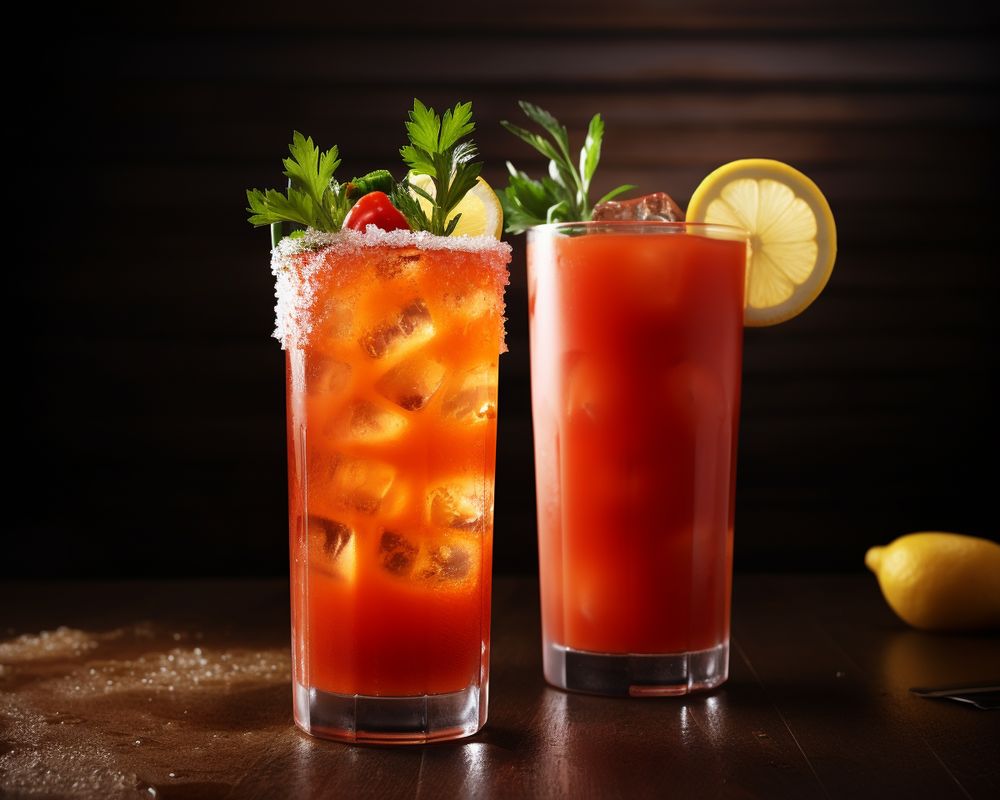
The Bloody Mary is visually striking with its bold red color and array of garnishes, while the Mimosa offers an elegant and simple presentation with its bright orange color and optional fruit garnish.
What is the nutritional information?
A typical Bloody Mary contains around 150 calories and may contain allergens like celery and gluten, depending on the ingredients used. A Mimosa contains about 75 calories and is usually allergen-free, though it may contain sulfites found in wine.
What is the making cost?
The cost of making a Bloody Mary can vary significantly depending on the quality of vodka used and the complexity of the garnishes. A Mimosa, on the other hand, is generally less expensive to make, especially if a less pricey sparkling wine is used instead of champagne.
What is the alcohol content (ABV percentage)?
The alcohol content of a Bloody Mary can vary but is typically around 10% ABV, depending on the amount of vodka used. A Mimosa, with equal parts champagne and orange juice, usually has an ABV of around 6%.
Unique Insight: Despite their differences, both Bloody Mary and Mimosa have become synonymous with brunch culture, each offering a unique taste profile and experience. The choice between the two often comes down to personal preference and the specific food pairings.