Discover the fascinating journey of tequila’s rise, from ancient agave rituals to world-renowned brands. Dive deep into the epic evolution of Tequila Brands and savor each sip of history!
A Shot of History
Tequila, oh, that tantalizing amber nectar, has a tale as spicy as its flavor.
Like any riveting narrative, its origin is rooted deep in Mexican culture, capturing the heart and soul of its homeland.
Before you take another swig from that glass, let us go back to the beginning, to the times when early civilizations first saw the magical potential of the blue agave plant.
Pre-Columbian Times: The Agave’s Sacred Role
The blue agave plant was never just about sipping margaritas by the beach.
Oh no, amigo! It had a sacred status among the indigenous tribes of Mexico.
Picture this: vast stretches of agave fields under the scorching sun, and in the midst, tribespeople see it as more than a mere plant.
For them, it was an emblem of their very existence.
Now, let’s talk about pulque, tequila’s ancestral spirit.
Before tequila took over the world stage, pulque was the star.
Not as potent as tequila, pulque was fermented and held a cloudy visage.
Used in numerous ceremonies, rituals, and medicines, pulque was much more than an evening drink; it was revered.
Drinking it wasn’t just an act of leisure; it was a deep dive into spirituality and communion with the gods.
The Mysticism Behind Agave
While most folks recognize agave for its alcoholic contribution, the tribes saw it as their Swiss knife—an all-purpose plant.
Its leaves were crafted into tools; its sap turned into sweet syrup; and when fermented, it transformed into pulque.
The agave was indeed a precious gem, serving a host of needs from the spiritual to the practical.
The Spanish Conquest: Introducing Distillation
Just when the agave had carved its niche in the native culture, the Spanish conquistadors walked in with their armored suits and, wait for it, the art of distillation.
The Spaniards, with their penchant for stronger spirits, looked at the pulque and thought, “Nice, but we can up the game here!”
And thus, with a dash of ingenuity and their distillation techniques, what we recognize today as tequila was born.
Pulque vs. Tequila: A Quick Booze Battle
So, what sets pulque apart from its fiery cousin, tequila?
At first glance, it’s the clarity: pulque boasts a milky appearance, while tequila is clear or amber.
But delve deeper, and it’s all about the distillation.
Pulque relies on natural fermentation, giving it a softer edge and a cloudy demeanor.
Tequila, with its double distillation, packs a punch, is clearer, and has that distinct kick we’ve all come to either love (or regret the next morning).
A Quick Cheer to the Spanish
Love them or loathe them, the Spanish did gift us tequila.
By merging their distillation prowess with Mexico’s native pulque, they not only enriched the global booze market but also added a new chapter to the agave story.
In essence, tequila isn’t just another drink on the shelf; it’s a narrative of cultures, conquests, and creativity.
From the spiritual plains of the indigenous tribes to the bustling bars of modern cities, it’s a drink that celebrates its rich heritage with every shot.
The Birthplace: Tequila, Jalisco
Imagine a serene town tucked away in the heart of Mexico, surrounded by vast fields of blue agave plants that stretch as far as the eye can see.
Welcome to Tequila, Jalisco, the birthplace and beating heart of our beloved tequila.
Volcanic Soil and Unique Climate: A Match Made in Heaven
What is the secret behind the unparalleled taste of tequila? The unique volcanic soil of the region.
The aftermath of ancient eruptions enriched this soil, making it a fertile haven for the blue agave plant.
Combine this with Jalisco’s distinctive climate, and you get the perfect recipe for a drink that’s smooth, robust, and downright irresistible.
Tequila Town: More Than Just a Name
Beyond the fields lies the quaint town of Tequila.
This isn’t just any town; it’s the epicenter of all things tequila! From small family-run distilleries to larger-than-life production houses, this place buzzes with passion and craftsmanship dedicated to the amber spirit.
A World Heritage Hat-tip
Tequila, with its sprawling agave landscape and age-old industrial facilities, isn’t just a treat for our taste buds but also our eyes.
Recognizing its beauty and historical significance, UNESCO designated it a World Heritage Site. It’s not just about the drink; it’s about preserving a legacy.
From Moonshine to Mainstream: Evolution over the Centuries
Tequila’s journey, much like its taste, is intoxicating.
Tequila has danced its way to the international stage from being a homemade brew cherished by the locals.
Humble Beginnings: The Homemade Brew
Every legend starts somewhere.
For tequila, it was in the homes of locals who distilled this spirit for family and fiestas. It was raw, it was real, and it was deeply personal.
Rise of the Tequila Titans: Brands We Swear By
As word spread and demand surged, families started commercial production.
Over the decades, these families have become the pillars of tequila production.
Names like Cuervo, Sauza, and Herradura aren’t just brands; they are legacies, tales of passion passed down through generations.
Check out more details about The Iconic Tequila Brands
Moments that Made Tequila a Global Sensation
From Hollywood celebrities launching their tequila brands to iconic movie moments (remember that tequila sunrise?), several key moments catapulted this local legend to global stardom. And let’s not forget its iconic status in pop culture, music, and even literature!
Anatomy of the Agave: The Heart of Tequila
If tequila had a heartbeat, it would sync with the rhythm of the blue agave. This plant, with its spiky facade and rich heart, is where our tale begins and ends.
The Life and Times of Blue Agave
This isn’t just any plant; it’s a decade-long commitment.
The blue agave, in its prime, takes anywhere from 8 to 12 years to mature.
Its life is a dance of nature, from sprouting as a sapling to growing into a majestic plant that’s ready for harvest.
The Jimadores: Artists in the Fields
Enter the jimadores, the unsung heroes of the tequila world.
With sharp tools and sharper skills, these artisans gracefully harvest the agave, ensuring only the best make the cut.
The Piña: Heart of the Spirit
At the core of the agave lies the piña.
Resembling a giant pineapple, this is where the magic brews.
Rich in sugars, the piña is roasted, mashed, fermented, and then distilled to give us that golden (or clear) elixir we all cherish. It’s not just a plant’s core; it’s the soul of tequila.
Types of Tequila: More than Just Shots
Hang on to your sombreros because tequila’s variety is about to take you on a whirlwind ride!
From the crystal-clear to the deep amber, each type tells its own tantalizing tale.
And guess what? It’s not just about taking shots anymore.
It’s about savoring, pairing, and truly experiencing tequila.
The Tequila Spectrum: Blanco to Extra Añejo
Blanco (or Silver):
The Purest Form Unaged and bottled straight after distillation, Blanco tequila gives you the raw essence of the blue agave.
It’s clear, sharp, and has a fresh agave aroma. It’s like taking a walk through the agave fields—refreshing and earthy!
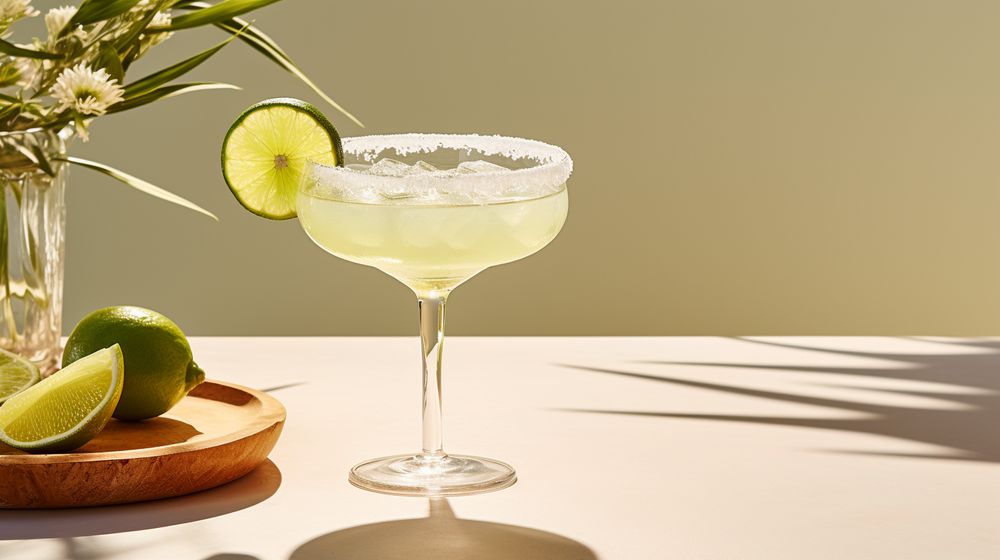
Recommendation: Perfect for cocktails due to its pure flavor. Try it in a classic Margarita or sip it on the rocks to truly grasp its essence.
Reposado:
The Restless Wonder Aged for two months to a year in oak barrels, Reposado (meaning “rested”) offers a balance between the freshness of Blanco and the depth of aged tequilas.
It embraces a golden hue and a smoother finish, with subtle hints of the barrel’s character.
Recommendation: Sip it straight to relish the harmonious dance of agave and wood. Or mix it in a Paloma for a refreshing twist.
Añejo:
The Old Soul Aged for one to three years, Añejo tequila is a deep dive into complexity.
It boasts darker hues and deeper flavors, with notes of vanilla, caramel, and even chocolate.
Recommendation: Best enjoyed neat in a snifter glass, much like a good cognac or whisky. Let its layers unfold on your palate.
Extra Añejo:
The Grandmaster This is the granddaddy of tequilas! Aged for over three years, Extra Añejo offers an experience that’s unparalleled.
Rich, dark, and intensely flavorful, it’s a testament to patience and craftsmanship.
Recommendation: Sip it slowly, savor each note, and let the symphony of flavors serenade you.
Check out The Ultimate Guide to Tasting Tequila Like a Pro.
Modern Mixology: Tequila in the 21st Century
Gone are the days when tequila was confined to wild parties and shots!
With the rise of craft cocktails, tequila has donned a sophisticated cloak and is now the star of many a bartender’s concoctions.
Tequila Beyond Shots
The Craft Cocktail Revolution
From smoky Mezcal Margaritas to zesty Tequila Sunrises, bartenders worldwide are showcasing tequila’s versatility.
This spirit is not just about getting a buzz; it’s about art, taste, and experience.
The Cultural Shift
Thanks to modern mixology, the once “rowdy” reputation of tequila is now refined.
People now recognize and respect its rich legacy, intricate flavors, and the craftsmanship that goes into each bottle.
Exciting Tequila Recipes and Pairings
The Spicy Cucumber Margarita
Blend Blanco tequila with muddled cucumber, a splash of lime, simple syrup, and a hint of jalapeño for that kick. Shake, pour, and top with soda.
Tequila and Food:
A Love Affair Pair Añejo with a rich chocolate dessert or Reposado with grilled seafood.
The possibilities are endless!
The world of tequila is vast, vibrant, and ever-evolving.
From its humble Mexican origins to global cocktail menus, this spirit has come a long way.
The Importance of NOM: Authenticating Your Bottle
In the world of spirits, authenticity is paramount, and when it comes to tequila, the NOM seal is your golden ticket to authenticity.
Deciphering the Norma Oficial Mexicana (NOM)
NOM:
The Guardian of Tequila Quality, or NOM, or Norma Oficial Mexicana, is more than just a set of guidelines; it’s the heart and soul of tequila’s integrity.
The NOM seal, instituted by the Mexican government, ensures that what is inside the bottle strictly adheres to tequila production standards.
It’s a reassurance that every drop is genuine, rich, and 100% agave.
Spotting the Real Deal
Each tequila producer is assigned a unique NOM number.
This number, often found on the bottle’s label, is your key to tracing back to its origins, ensuring you’re sipping on genuine Mexican tequila and not some diluted imitation.
Sustainability: Beyond the Bottle
Tequila and The Environment
With increasing demand, ensuring sustainable agave cultivation is vital.
Authentic tequila brands often commit to sustainable farming, ensuring that the blue agave’s legacy continues for generations to come.
The Bigger Picture
It’s not just about the drink; it’s about the land, the farmers, the environment, and the future.
By supporting brands that prioritize sustainability, you’re not just buying a bottle; you’re investing in a greener, richer future.
Conclusion: Raising Our Glasses to Tequila
As we trace back through the pages of history, from the sacred rituals around agave to the gleaming bars of the 21st century, one thing remains clear: tequila is so much more than a drink.
A Spirit Steeped in Legacy
It’s a tale of a nation, a symbol of Mexican pride, and a testament to centuries of craftsmanship. Tequila is an art, a science, and a celebration.
Beyond the Amber Liquid
More than its rich flavors and intoxicating aroma, tequila is a reflection of culture, resilience, and passion.
It stands tall, not just as a beverage but as a chronicle of a civilization’s journey.
An Invitation to Explore
So, as you pop open that bottle, remember to savor not just the taste but also the story.
Dive deep into its nuances, explore its varieties, and appreciate the hands that crafted it.
And as you raise your glass, make a silent toast to history, heritage, and the heart of Mexico.
Tequila Talk: Top FAQs on the Evolution of Tequila Brands
What is the history behind tequila brands?
Tequila has a rich and intoxicating history that traces back to ancient Mexico.
It started with early civilizations discovering the potential of the blue agave plant.
As time evolved, so did the methods of production, leading to the birth of the iconic tequila brands we recognize today.
The journey encapsulates centuries of cultural significance, pride, and the very essence of Mexican heritage.
How did the blue agave plant play a role in tequila’s evolution?
The blue agave plant is the heart and soul of tequila.
Early civilizations recognized its potential and used it for rituals, medicines, ceremonies, and eventually for creating drinks like pulque.
It’s this plant, especially when grown in the unique volcanic soils of regions like Tequila, Jalisco, that gives the spirit its distinctive flavor and character.
What was the impact of the Spanish Conquest on tequila production?
The Spanish Conquest introduced the art of distillation to Mexico.
While indigenous tribes had been fermenting the agave to produce drinks like pulque, the Spanish began distilling it, leading to the birth of what we recognize today as tequila.
This blend of ancient traditions and new techniques significantly shaped the evolution of tequila brands.
How did tequila transition from a local brew to a global sensation?
Tequila evolved from a homebrew to a commercial product thanks to tequila families who began commercial production.
Over the centuries, key events, endorsements, and marketing strategies pushed tequila from the heart of Mexico to bars worldwide.
Its versatility in cocktails and its rich flavor profile further fueled its global popularity.
Why are there different types of tequila, and how do they vary?
Tequila boasts a range of types, primarily defined by their aging process.
There’s Blanco (unaged), Reposado (aged for up to a year), Añejo (aged for one to three years), and Extra Añejo (aged for over three years).
Each type offers a distinct flavor profile, from the crisp freshness of Blanco to the deep richness of Extra Añejo, each telling its own tale of time and craftsmanship.
What is the significance of NOM in tequila brand names?
NOM, or Norma Oficial Mexicana, is a seal of authenticity for tequila.
The Mexican government instituted it to ensure that the spirit adheres to strict production standards.
Each tequila producer is assigned a unique NOM number, which helps consumers trace the origin and guarantee they’re sipping genuine, 100% agave tequila.
How has modern mixology changed the perception of tequila?
Modern mixology has revamped tequila’s reputation.
No longer just the go-to spirit for shots, tequila has become a star in craft cocktails, highlighting its versatility and depth of flavor.
This shift has elevated tequila from a party drink to a sophisticated spirit celebrated for its complexity.
How can I best enjoy and appreciate the different tequila varieties?
Savoring tequila is an art. For Blanco, try it in cocktails or on the rocks.
Reposado is delightful when sipped straight or in cocktails like Paloma.
Añejo and Extra Añejo are best enjoyed neatly, allowing the intricate flavors to unfold on your palate.
Additionally, pairing tequila with food, like Añejo with chocolate or Reposado with grilled seafood, can enhance the tasting experience.