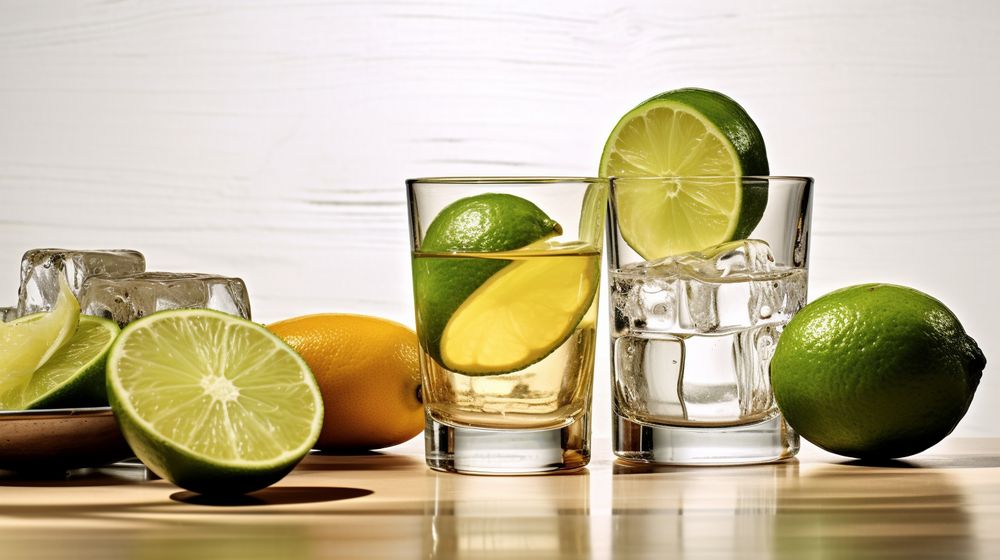
Uncover the truth with ‘Fact vs. Fiction: Tequila’! Dive into tequila’s top myths, from worms to gold labels, and sip on authentic insights.
Discover and savor the real story behind Mexico’s iconic spirit.
Drowning in Myths: The Real Story of Tequila
Hello, tequila lovers and skeptics alike!
Ever taken a shot and been told some wild tales about the liquid gold you’re sipping?
Maybe you’ve been warned about that infamous worm lurking at the bottom of the bottle?
As it turns out, the world of tequila is swamped with tales taller than an agave plant.
But we’re here to set the story straight, and it’s way cooler than you might think.
Buckle up, folks, because we’re about to dive deep into the cultural richness and history of tequila and fish out fact from fiction.
Tequila, revered as Mexico’s liquid pride, is more than just a beverage. It’s an embodiment of a nation’s culture, history, and tradition.
But, like with most legends, with a great reputation comes great misinformation.
That’s why this post is all about bringing out the juicy truth and busting those myths that have been intoxicating our minds.
Myth #1: “All Tequila Comes with a worm.”
The Tale as Old as Lime and Salt: Picture this: you’re at a bar, and someone orders a bottle of tequila.
The chatter begins about the worm swimming at the bottom, and someone pipes up, “If you eat it, you’ll have visions!” or “It’s the mark of a quality brew!” Sound familiar?
Reality Check: Brace yourselves, because here’s the sobering truth—that worm? It’s more marketing than magic. Quality tequila doesn’t come with any creepy crawlies.
The “worm” (which is actually a moth larva) is often associated with Mezcal, a distilled alcoholic beverage also from Mexico, but not all Mezcals have it either.
Its origins are debatable.
Some say it began as a quality test; if the worm remained intact, it proved the spirit’s high alcohol content.
Others claim it’s just a gimmick to boost sales.
But if you’re sipping on a genuine bottle of tequila, you won’t find any surprise guests.
Myth #2: “Tequila is Made from Any Kind of Cactus”
The Thorny Misconception: Ah, the cactus! Often visualized as those spiky plants you wouldn’t want to touch, let alone drink.
Yet, many believe that these prickly fellas are the source of tequila’s fiery punch.
Reality Splash: Hold onto your shot glasses because this one might surprise you: tequila doesn’t come from cacti.
Nope! Instead, it’s distilled from the sap of the blue agave plant.
These majestic plants, with their long, pointy leaves, aren’t cacti at all.
They belong to the Lily family! Specifically, to bear the proud name of ‘tequila’, it has to be made from the Agave tequilana (blue agave) and be produced in specific regions of Mexico.
The blue agave’s unique cultivation process is a tale of patience and artistry.
It grows in rich, volcanic soils, takes nearly a decade to mature, and requires tender love and care from the jimadores, the skilled farmers who harvest it.
When it’s finally ready, the heart (or ‘piña’) of the blue agave is harvested, cooked, and distilled into the tequila we know and love.
Myth #3: “Tequila is Just for Shots and Wild Parties”
The Boozy Belief: You say “tequila,” and many minds instantly teleport to college parties, wild nights, and morning regrets.
Over the years, tequila has earned quite the reputation as the life of the party, notorious for those “one too many” moments.
The Sipping Truth: If tequila could talk, it would probably sigh and say, “I’m not that kind of drink!” In Mexico, tequila’s homeland, it’s traditionally savored, not slammed.
Just like you’d swirl and sniff a fine wine, tequila is often enjoyed slowly, allowing the drinker to truly appreciate its rich and varied flavors.
Let’s not forget its starring role in premium cocktails beyond just the Margarita—like the Tequila Old Fashioned or Paloma.
Gourmet pairings? Oh, tequila’s got that covered too.
Try it with a slice of tangy orange and a sprinkle of cinnamon or paired with a savory Mexican dish, and you’ll see its sophisticated side.
Myth #4: “Gold Tequila is the Premium Stuff”
The Gilded Misunderstanding: A bottle shimmering with golden liquid surely has to be the top-shelf stuff, right? That’s what the hue of gold tequila might have you believe.
The Crystal Clear Reality: Real talk: color isn’t a sign of quality when it comes to tequila.
In fact, many premium tequilas are as clear as your intentions should be after a couple of shots. The ‘gold’ in some tequilas can often indicate added coloring or even caramel.
These tequilas are known as mixtos, meaning they aren’t made from 100% blue agave.
For the real deal, you want to keep an eye out for labels that boast ‘100% agave’.
This ensures you’re getting a bottle distilled entirely from the blue agave plant, offering a purer, smoother experience.
Myth #5: “All Tequilas Taste the same.”
The One-Note Notion: Think all tequilas are created equal in flavor?
Think it’s just that burn and that’s it? Well, you’re in for a delightful revelation!
A Symphony of Flavors: Just like wines have their reds, whites, and rosés, tequila has its own flavorful family.
There’s blanco (or silver)—clear, unaged, and straight from the still with a pure agave taste. Then we have reposado, which means “rested.”
This guy’s been aged in oak barrels for two months to a year, giving it a mellower flavor and golden hue.
And let’s not forget añejo (aged): tequila that’s been chilling in barrels for one to three years, boasting a darker color and a complex flavor profile.
But the flavor doesn’t just stop at aging; terroir plays a huge part too.
The region where the agave is grown, be it the highlands or lowlands, imparts different flavors, from sweet and fruity to earthy and herbaceous.
Myth #6: “Tequila Always Leads to Bad Hangovers”
The Morning-After Myth: Raise your hand if you’ve sworn off tequila after blaming it for that one legendary hangover.
It seems like Tequila’s been typecast as the lead villain in hangover horror stories.
The Sobering Scoop: Before you blacklist tequila, let’s spill some truth serum.
Hangovers aren’t exclusive to tequila; they’re often the result of overindulging in any alcoholic beverage.
But here’s the twist: who are the real culprits behind those dreaded tequila headaches? Low-quality tequilas or mixtos.
These often contain a blend of agave and other sugars, plus potential additives—basically, the stuff headaches are made of.
For a smoother morning after, stick to ‘100% agave’ tequilas.
They might be pricier, but they’re worth every cent (and every sip).
Oh, and always enjoy responsibly! Moderation, hydration, and good food are the holy trinity of hangover prevention.
Myth #7: “Tequila is Only from Mexico.”
The Global Guesstimate: If Scotland’s got whisky and Russia’s got vodka, surely any country can whip up some tequila, right?
That’s what this myth would have you believe.
The Geographic Truth Bomb: Nope, not even close!
Just like you wouldn’t call sparkling wine from California ‘Champagne’ (that honor is reserved for bubbly from the Champagne region in France), tequila has its own geographical pedigree.
By law and as per the Denomination of Origin, to don the prestigious title of ‘tequila’, the spirit must come from specific regions in Mexico, mainly Jalisco and some areas in Guanajuato, Michoacán, Nayarit, and Tamaulipas.
So, while other countries might produce agave-based spirits, they can’t call them tequila.
Myth #8: “Tequila is the Same as Mezcal”
The Twinsies Tale: Tequila and mezcal—same difference, right?
They’re both from Mexico and both made from agave, so they’re basically the same drink in different bottles.
The Agave Awakening: Hold onto your sombrero because things are about to get enlightening.
Here’s a phrase to remember: “All tequilas are mezcals, but not all mezcals are tequilas.” Confused?
Let’s break it down.
Mezcal is a spirit made from various types of agave plants, while tequila is a type of mezcal made specifically from the blue agave plant.
The production methods differ too.
Mezcal often has a distinct smoky flavor because the agave is roasted in pits before fermentation, while tequila has a cleaner, crisper agave profile.
And just like tequila has its home turf, mezcal comes mainly from Oaxaca and some other regions in Mexico. So, while they might be close relatives in the world of spirits, they’re certainly not twins!
Conclusion: Celebrating Authentic Tequila Culture
A Journey Beyond the Myths: What a ride it’s been! From worms in bottles to worldwide origins, we’ve tackled some tall tequila tales.
But beneath those frothy myths lies a spirit deeply rooted in history, culture, and passion.
The truth is, tequila isn’t just a drink—it’s a celebration of Mexico’s rich heritage.
Sip, Don’t Slam: Now armed with your newfound knowledge, you’re all set to explore the vibrant world of tequila beyond just the shot glass.
Be it the earthy allure of a reposado or the crisp clarity of a blanco, each sip tells a tale of sun-soaked agave fields and the skilled artisans behind every bottle.
So the next time you find yourself at a bar or a liquor store, take a moment.
Choose wisely, savor slowly, and let the authentic flavors of tequila dance on your palate.
A Toast to Truth: As we wrap up our deep dive into the world of tequila, let’s raise our glasses high.
Here’s to dispelling myths, to cherishing truths, and to a spirit that’s as diverse as it is delightful.
Tequila, you truly are a testament to the beauty of authenticity and tradition.
Salud to many more myth-free, flavorful adventures ahead! 🍹🌵🥂
Tequila Tales: Frequently Asked Myths and Marvels
Why is Tequila associated with a worm in the bottle?
While many believe tequila bottles traditionally come with a worm, this is more myth than fact.
The “worm” is actually a marketing ploy and is more commonly found in bottles of mezcal, a cousin of tequila. Authentic, quality tequila will not have a worm.
Is Tequila made from cactus?
A common misconception! Tequila is not made from cactus but from the blue agave plant, primarily harvested in specific regions of Mexico.
Does quality Tequila come in gold?
Gold tequila might look fancy, but it isn’t necessarily a sign of high quality. Many gold tequilas might contain added coloring.
For premium quality, always check for labels stating ‘100% agave’.
Is Tequila only produced in Mexico?
Yes, to be officially recognized as “tequila”, it must be produced in certain regions of Mexico, much like Champagne in France.
These regions include Jalisco and some parts of Guanajuato, Michoacán, Nayarit, and Tamaulipas.
What’s the difference between Tequila and Mezcal?
While both are made from agave, tequila is specifically distilled from blue agave.
Mezcal can be made from various types of agave and has a distinct smoky flavor due to its production process.
Does Tequila always lead to bad hangovers?
Not necessarily! Hangovers are often a result of overindulging, but consuming low-quality tequilas or mixtos, which may have additives, can intensify that morning-after feeling.
Stick to ‘100% agave’ tequilas for a smoother experience.
Are all Tequilas meant for shots?
Definitely not! In Mexico, tequila is traditionally sipped to appreciate its rich flavors.
It’s also a key ingredient in premium cocktails and can be paired with gourmet dishes.
Do all Tequilas taste the same?
No way! Tequila varieties, such as blanco, reposado, and añejo, offer different flavor profiles, influenced by aging processes and the region of cultivation.
How should I choose a good Tequila brand?
For a quality experience, always check the label.
Opt for tequilas that state ‘100% agave’, which means they are made purely from the blue agave plant without additives.
Researching the brand’s reputation and reading reviews can also guide your choice.
Is Tequila similar to other spirits in terms of production?
Every spirit has its own unique production process, and tequila is no exception.
Derived from the blue agave plant, tequila undergoes specific harvesting, fermenting, and distilling processes that set it apart from other liquors.