A Clear Perspective on Gin and Health
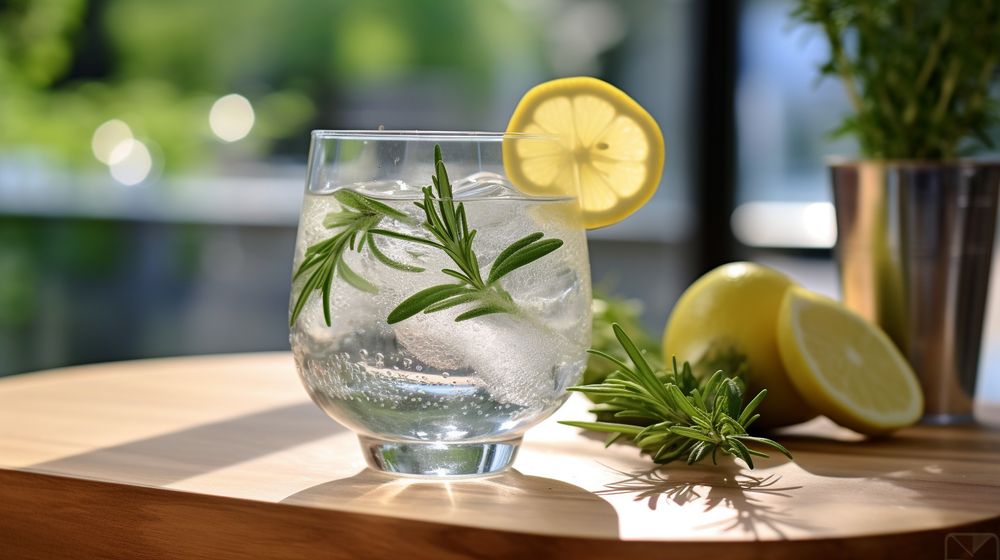
“Gin and Tonic” is the classic cocktail that’s a favorite for many.
But beyond the pleasant fizz and juniper notes, have you ever stopped to ponder the health effects of drinking gin?
In our culture, alcohol and health often share a contentious relationship filled with popular myths and misconceptions.
Some say gin is a health elixir, while others warn of its detrimental effects.
Let’s navigate this juniper-infused journey together, dispelling myths and uncovering the truth.
What is the nutritional content of gin?
A fluid ounce of gin contains 64 calories and has no proteins, fats, or carbohydrates.
It also has less sugar and fewer calories than some other liquors, making it a slightly healthier option if you already consume alcohol.
However, be cautious with mixers, as they can significantly increase the sugar content of your drink.
Are there any health benefits associated with gin consumption?
Although some sources have suggested health benefits due to the properties of juniper berries, there’s no evidence to suggest that juniper’s antioxidants survive the fermentation process.
Light to moderate alcohol consumption, including gin, is associated with a number of health benefits, including a lower risk of heart disease and other conditions such as high blood pressure, coronary artery disease, heart failure, ischemic stroke, and type 2 diabetes.
Nonetheless, more research is needed to validate these relationships.
What are the potential risks of drinking gin?
Gin should not be consumed before driving or operating machinery.
Certain groups should avoid gin entirely, including pregnant women or women trying to conceive, people under the legal drinking age, and those with depression or alcohol dependency issues.
Drinking gin can have several potential risks and negative effects on health.
Heavy drinking can lead to various risks and health problems.
These may include interactions with medications, an increased risk of breast cancer, sexual health problems, alcohol dependency, high blood pressure, heart disease, stroke, colorectal cancer, dementia, and cirrhosis.
Are there healthier alternatives to gin?
Compared to wine and beer, gin has a very low number of polyphenols (plant nutrients with antioxidant properties).
These non-alcohol components appear to be partly responsible for the various health benefits associated with alcohol.
Red wine, packed with polyphenols, could be a healthier alternative, though it does contain more empty calories than a serving of gin.
Gin 101: A Brief Sojourn Through the Heart of Gin
Before we delve into the health aspects, it’s essential to understand what gin is.
Gin, a distilled spirit known for its distinct juniper flavor, has a rich history dating back to the Middle Ages.
The primary ingredients include juniper berries, grains, and often a blend of botanicals that lend unique flavor profiles.
Knowing these components sets the stage for our health-focused discussion, as we’ll soon see how each element can affect our bodies.
How many calories are there in gin?
For those of you watching your caloric intake, listen up.
A standard shot of gin (about 1.5 ounces) contains roughly 97 calories—less than a banana! In fact, when compared to other alcohols, gin ranks fairly low in calories.
However, mixers can drastically increase the calorie count.
A gin and tonic, for instance, can total over 200 calories. Here’s a quick breakdown:
- Gin (1.5 ounces): 97 calories
- Tonic Water (8 ounces): 83 calories
- Lime Juice (1 ounce): 8 calories
So next time you order that gin and tonic, remember—it’s not just the gin you should be counting.
To summarize, gin, like any alcohol, can have both positive and negative health effects.
Its caloric content is relatively low, making it a suitable choice for those watching their weight. But remember, moderation is key.
Alcohol and Your Health: The Balancing Act
Alcohol, when consumed in moderation, can be part of a balanced lifestyle.
However, the line between moderate and heavy drinking often gets blurred, leading to health complications.
According to the Centers for Disease Control and Prevention (CDC), moderate drinking is defined as one drink per day for women and two drinks per day for men.
However, when consumption goes beyond these limits, the health risks—including heart disease, stroke, liver disease, and various cancers—dramatically increase.
What are the potential health benefits and risks of drinking alcohol?
Moderate alcohol use might offer some health benefits, but heavy drinking—including binge drinking—has no health benefits.
Moderate drinking is defined as an average of one drink per day for women and one or two for men.
A standard drink is generally considered to be 12 ounces of beer, 4 ounces of wine, or 1.5 ounces of 80-proof spirits.
On the other hand, heavy or high-risk drinking is defined as more than three drinks on any day or more than seven drinks a week for women and men older than age 65, and more than four drinks on any day or more than 14 drinks a week for men age 65 and younger.
How does alcohol affect heart health?
Some studies have shown an association between moderate alcohol intake and a lower risk of dying from heart disease.
There is some evidence that moderate amounts of alcohol might help to slightly raise levels of “good” HDL cholesterol.
However, heavy drinking is linked to a number of poor health outcomes, including heart conditions.
Excessive alcohol intake can lead to high blood pressure, heart failure, or stroke.
What is the link between alcohol and cancer risk?
There is a strong scientific consensus that alcohol consumption can cause several types of cancer.
The more alcohol a person drinks—particularly the more alcohol a person drinks regularly over time—the higher his or her risk of developing an alcohol-associated cancer.
This includes cancers such as head and neck cancer, esophageal cancer, liver cancer, breast cancer, and colorectal cancer.
Even light to moderate drinking has been associated with a slightly increased risk of some of these cancers.
There is also some evidence that alcohol consumption is associated with increased risks of melanoma and of prostate and pancreatic cancers.
Are some of the risks and benefits of alcohol different for women than for men?
Yes, the definition of moderate drinking is different for men and women, with women being advised to consume no more than one drink per day compared to two for men.
This is due to differences in body composition and metabolism between men and women.
Additionally, the risk of certain alcohol-related cancers, such as breast cancer, increases with alcohol consumption in women.
Does the type of alcohol matter for your health?
There is some evidence suggesting that red wine might have additional heart benefits due to the antioxidants it contains.
However, these antioxidants can also be found in other foods, such as fruits, vegetables, and grape juice.
It’s important to note that the negative health outcomes related to alcohol consumption are generally tied to the amount of alcohol consumed, not the type of alcoholic beverage.
Is there a truly safe level of alcohol consumption?
According to the federal government’s Dietary Guidelines for Americans, individuals who do not drink alcohol should not start drinking for any reason.
For those who do drink, moderation is key, with recommendations to limit consumption to 2 drinks or less in a day for men and 1 drink or less in a day for women.
Research shows alcohol consumption may reduce cancer risks, but overall harms outweigh benefits; optimal daily drink intake is zero.
Remember, when it comes to alcohol, less is often more.
Potential Health Benefits of Moderate Gin Consumption
Now, let’s talk about gin. When consumed in moderation, gin has some unique attributes that could offer health benefits compared to other hard liquors.
Firstly, gin is one of the lowest-sugar spirits available, making it a better choice for those monitoring their sugar intake.
Secondly, the juniper berries that give gin its characteristic flavor are packed with antioxidants, which are known to promote health by fighting off harmful molecules in the body.
However, the presence of antioxidants doesn’t make gin a health drink; it’s still alcohol and should be consumed responsibly.
Here’s how gin stacks up against other popular spirits
| Liquor Type | Sugar Content per Shot (grams) |
| Gin | 0 |
| Vodka | 0 |
| Tequila | 0.1 |
| Rum | 1.5 |
| Whiskey | 0.1 |
Health Risks of Excessive Gin Consumption
Despite its potential benefits, excessive gin consumption can lead to serious health problems.
Regular heavy drinking can lead to alcohol dependency, liver disease, mental health problems, and even certain types of cancer.
Consuming gin in high volumes over time can also contribute to weight gain and high blood pressure.
Therefore, while enjoying that gin and tonic, remember that the key is moderation.
Can excessive gin consumption lead to serious health problems?
Yes, like any other type of alcohol, excessive consumption of gin can lead to serious health problems, including liver damage, addiction, and an increased risk of accidents. It’s always recommended to consume alcohol in moderation.
Does the type of alcohol consumed, such as gin, matter when it comes to health risks?
The health risks associated with excessive alcohol consumption are generally the same regardless of whether the alcohol consumed is beer, wine, gin, or another type of distilled spirit.
The key factor is the amount of alcohol consumed, not the type of alcohol.
Is there a safe level of gin consumption?
While “safe” levels can depend on individual factors such as age, sex, and overall health, generally moderate drinking is defined as up to one drink per day for women and up to two drinks per day for men, according to the Centers for Disease Control and Prevention (CDC).
Can excessive gin consumption lead to weight gain?
Yes, gin, like all alcoholic beverages, contains calories that can contribute to weight gain if not balanced with the rest of your diet and physical activity.
Does excessive gin consumption have any specific effects on women’s health?
Excessive consumption of alcohol, including gin, can have several adverse effects on women’s health, including an increased risk of breast cancer.
Women metabolize alcohol differently than men and can be more susceptible to the effects of alcohol.
Is gin more harmful than other types of alcohol?
All types of alcohol, when consumed in excess, pose significant health risks.
The type of alcohol—whether it’s gin, beer, wine, or another spirit—is less important than the amount consumed and the frequency of consumption.
In conclusion, while gin has certain characteristics that may offer health benefits over other liquors, excessive consumption poses significant health risks.
It’s essential to enjoy gin responsibly and be aware of the health impacts.
Gin and Weight Management: A Calorie-Conscious Choice
If you’re on a calorie-controlled diet, you might be wondering where gin fits in.
The good news is that gin is one of the lower-calorie spirits, with around 97 calories per 1.5-ounce shot.
Compared to other alcoholic beverages, this is relatively low. However, it’s essential to consider the mixers you use, as these can significantly bump up the calorie count.
For instance, a typical tonic water can add around 83 calories per 8 ounces. Remember, a gin and tonic’s calorie content is more than just the gin itself.
Here’s a calorie comparison for popular spirits per 1.5 ounces:
- Gin: 97 calories
- Vodka: 96 calories
- Whiskey: 105 calories
- Rum: 96 calories
How many calories are in a typical serving of gin?
A standard serving of gin, which is 1.5 ounces (or a shot), contains about 97 calories.
This is relatively low compared to other alcoholic drinks, like beer or wine, making gin a potentially more calorie-conscious choice if you’re watching your intake.
Is drinking gin beneficial for weight loss?
Alcohol, including gin, is a source of excess calories and can lead to weight gain if consumed excessively.
While gin has fewer calories compared to some other alcoholic beverages, it’s important to remember that it’s the total caloric intake and expenditure that matter for weight loss. Moderation is key.
Also, keep in mind that mixers often added to gin, like tonic water or juice, can add significant calories to the drink.
Can gin contribute to weight gain?
Yes, like any alcoholic drink, gin can contribute to weight gain if consumed excessively.
Alcohol is a source of extra calories, and consuming more calories than you burn can lead to weight gain.
Heavy drinking can also contribute to obesity and the long list of health problems that can go along with it.
If you choose to drink alcohol, it’s advisable to stick to moderate levels of consumption.
Is gin a low-carb alcohol option?
Pure gin, like most distilled spirits, contains zero carbs. This might make it a more suitable option for those following a low-carb diet compared to drinks like beer or sweet wines.
However, it’s important to note that mixers often added to gin, such as tonic water or juices, can contain high amounts of sugar and thus carbs.
Non-Alcoholic Gin: A Healthier Alternative?
For the Non-Alcoholic Mocktail Seeker, non-alcoholic gins have stormed onto the market as a healthier alternative.
They offer the sophisticated taste of gin without the alcohol content, making them a great choice for those cutting back on booze.
Non-alcoholic gins typically have fewer calories, pose no risk of alcohol-related health problems, and won’t lead to hangovers.
However, it’s worth noting that these beverages can still contain sugar, so they’re not entirely guilt-free.
Is non-alcoholic gin healthier than alcoholic gin?
Based on the effects of alcohol on health, non-alcoholic gin could be considered healthier.
Alcohol, when consumed excessively, can lead to various health issues, including heart disease, cancer, and other negative effects on overall health.
However, it’s important to note that moderate drinking, typically defined as up to one drink per day for women and one or two drinks per day for men, doesn’t appear to be harmful to the heart and might even have some benefits.
Can non-alcoholic gin help reduce the risk of cancer?
Alcohol consumption is linked to an increased risk of various types of cancer, even in moderate amounts.
This includes cancers of the head, neck, esophagus, liver, breast, and colon.
Non-alcoholic gin, being free of alcohol, could potentially help reduce these risks, though it’s important to remember that other lifestyle factors also play a significant role in cancer risk.
Does non-alcoholic gin offer any heart health benefits?
There is some evidence that moderate amounts of alcohol, particularly red wine, might help to slightly raise levels of “good” HDL cholesterol.
However, the same benefits can be achieved through exercise and a diet rich in fruits and vegetables.
Non-alcoholic gin doesn’t contain alcohol, so it wouldn’t have the same potential benefits.
However, it also doesn’t have the harmful effects associated with heavy drinking, such as high blood pressure, heart failure, and stroke.
What is the recommended intake of non-alcoholic gin?
Non-alcoholic gin can be consumed as desired, as it doesn’t contain the harmful effects of alcohol.
However, like any beverage, it should be consumed in moderation as part of a balanced diet.
Always consult with a healthcare provider for personalized advice.
Gin and Allergies: The Botanical Connection
While many people enjoy gin, it is not for everyone.
The botanicals used in gin production, such as juniper berries, coriander, and citrus peel, can trigger allergies in some individuals.
Symptoms can range from mild, such as a runny nose and itchy eyes, to severe, such as difficulty breathing.
If you’ve experienced allergic reactions to gin or other botanical-infused spirits, it’s best to consult with a healthcare professional.
In conclusion, whether it’s regular gin, non-alcoholic gin, or avoiding gin due to allergies, understanding the health effects of gin can help you make informed choices.
Crafting Healthier Gin Cocktails: Sip Without the Guilt
Calling all DIY Craft Cocktail Makers!
Crafting a healthier gin cocktail is easier than you might think. Begin with a quality gin, preferably one with no added sugars.
Next, opt for fresh ingredients. Fresh fruits, herbs, and spices can add a flavor punch without the extra calories found in pre-made mixers.
And speaking of mixers, be mindful of their sugar content. Many tonic waters are high in sugar, so look for lower-sugar or sugar-free options.
Lastly, moderation is key; even the healthiest cocktail can add up if consumed in excess.
Here are some tips for healthier gin cocktails:
- Choose quality gin with no added sugars
- Use fresh fruits, herbs, and spices
- Opt for low-sugar or sugar-free mixers
- Practice moderation
Gin and Hydration: The Balancing Act
Just as important as what goes into your cocktail is what goes alongside it water.
Alcohol, including gin, is a diuretic, meaning it can lead to increased urination and potential dehydration.
So, it’s vital to balance your gin consumption with plenty of water.
A good rule of thumb is to drink one glass of water for every alcoholic beverage consumed.
This practice can help prevent dehydration and reduce the severity of hangovers.
Gin and Sleep: Understanding the Nightcap Effect
Many of us enjoy a relaxing gin cocktail as a nightcap, but it’s worth knowing how alcohol can impact our sleep.
While a drink may help you fall asleep faster, the quality of that sleep is often poorer. Alcohol can disrupt your sleep cycle, reducing REM sleep, the restorative stage of sleep.
Over time, this can lead to daytime fatigue and other health problems. If you’re experiencing sleep difficulties, it might be worth considering your evening gin habit.
The health effects of drinking gin are multifaceted.
By crafting healthier cocktails, staying hydrated, and understanding alcohol’s impact on sleep, you can enjoy your gin in a health-conscious way.
Mental Health and Gin Consumption: The Mind-Spirit Nexus
Gin, like all alcoholic beverages, can have significant impacts on mental health. Moderate consumption may initially lead to feelings of relaxation and euphoria.
However, excessive gin drinking can lead to dependency and even addiction.
Furthermore, alcohol can exacerbate mental health conditions like depression and anxiety.
It’s vital to remember that while a gin cocktail may provide temporary relief or distraction, it’s not a solution for mental health problems.
If you’re struggling with your mental health, reach out to a professional who can provide the right kind of help.
Conclusions and Responsible Drinking: The Key to Healthy Enjoyment
After dissecting the health effects of drinking gin, one conclusion becomes clear: moderation is paramount.
While gin can be part of a balanced lifestyle, excessive consumption can lead to numerous health risks, including weight gain, dehydration, sleep disturbances, and mental health issues.
Enjoy your gin responsibly, savoring each sip and appreciating the craftsmanship that goes into each bottle.
Resources for Help: Where to Turn
If you or someone you know is struggling with alcohol-related issues, it’s important to know that help is available.
Organizations like the Substance Abuse and Mental Health Services Administration (SAMHSA) offer free, confidential help 24/7.
You’re not alone, and it’s okay to reach out for support.
In conclusion, understanding the health effects of drinking gin can help you make informed decisions about your consumption.
Enjoy your gin responsibly, and remember: your health is worth toasting to.