Classic Manhattan Cocktail: A Refined Whiskey Delight
The Classic Manhattan is a cocktail that epitomizes elegance and sophistication, skillfully blending whiskey (typically Rye or Bourbon), sweet vermouth, and a dash of Angostura bitters, often garnished with a cherry. This drink is renowned for its deep and complex flavor, where the richness of whiskey harmonizes beautifully with the sweet, herbal notes of vermouth and the subtle spiciness of bitters. The Manhattan’s appeal lies in its balanced and layered character, making it a favorite among those who appreciate a cocktail with depth and a hint of history. It’s perfect for formal gatherings, intimate dinner parties, or as an indulgent after-dinner treat.
- Taste Profile: A rich blend of bold whiskey, sweet vermouth, and aromatic bitters, creating a sophisticated and full-bodied flavor.
- Key Ingredients: Whiskey, sweet vermouth, and Angostura bitters form the classic and well-rounded base of this cocktail.
- Alcohol Content: Typically between 28-35% ABV, depending on the whiskey, striking a balance between potency and smoothness.
- Popularity: A revered classic in the world of cocktails, cherished for its smooth yet potent character.
- Origin: With roots in Manhattan, New York, dating back to the late 19th century, it has a storied and enduring appeal.
- Primary Alcohol: Rye or Bourbon whiskey is often preferred for its spicier and fruitier profile, though variations exist.
- Preparation Time: Quick to mix, usually ready within 4-5 minutes, making it a great choice for those seeking a refined cocktail experience.
- Best Occasions: Suited for upscale events and gatherings, or as a sophisticated choice for a quiet evening.
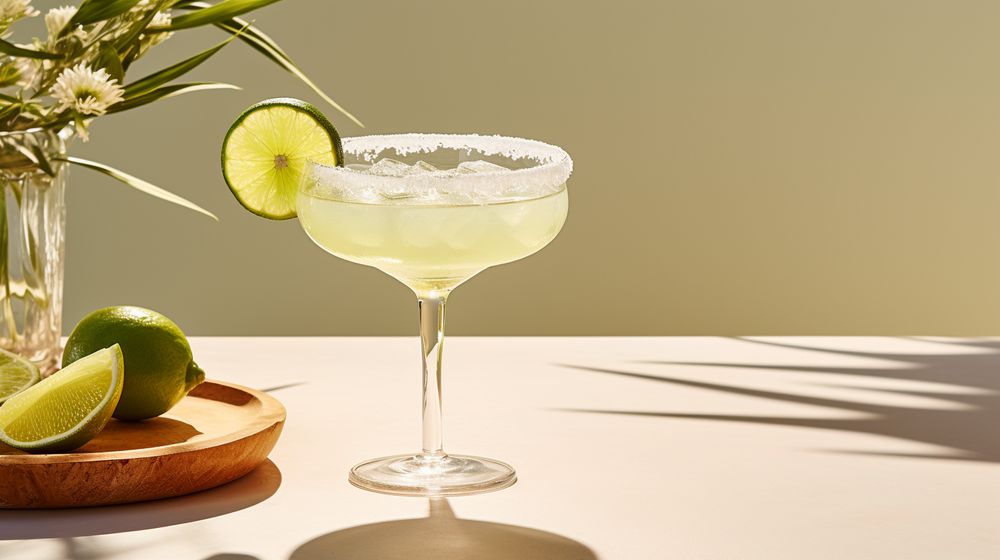
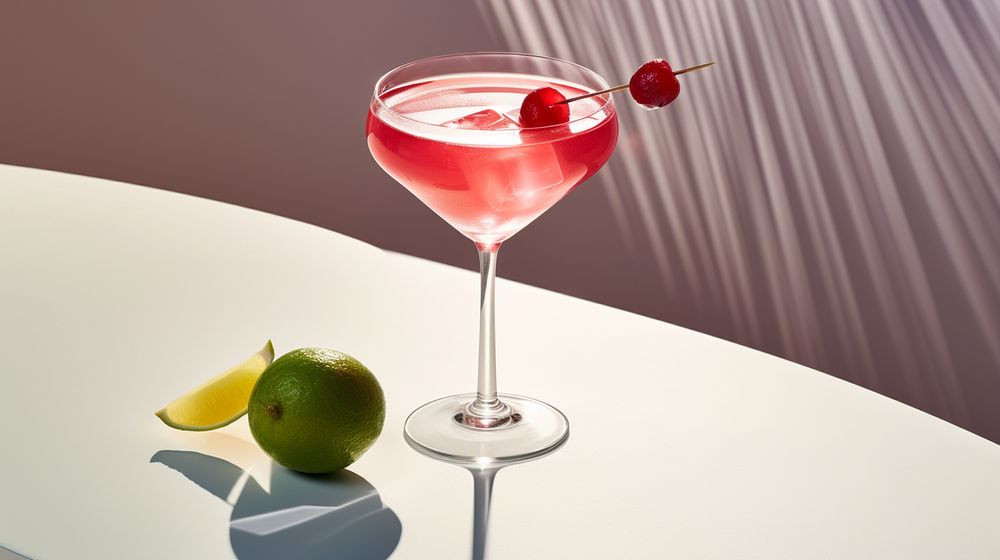
- Serving Glass: Traditionally served in a cocktail or Martini glass, enhancing its classic elegance.
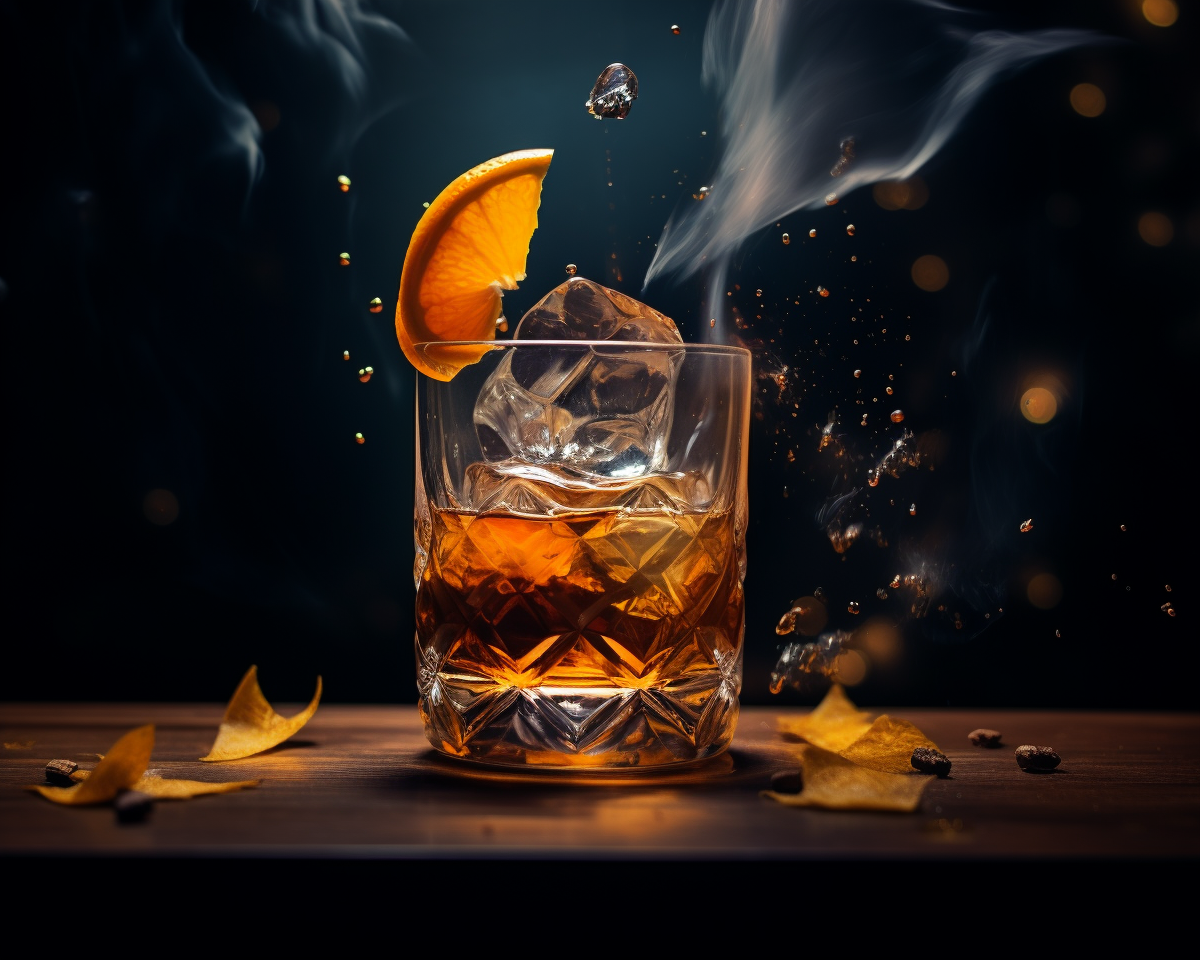
- Visual Appeal: Known for its deep amber color, the Manhattan is visually striking and often garnished with a cherry for a touch of sophistication.
- Barware: Requires a mixing glass, cocktail strainer, and bar spoon for stirring, essential for achieving the Manhattan’s signature smoothness.
- Glassware: A cocktail or Martini glass is the traditional choice, adding to its timeless presentation.
- Nutritional Information: Contains about 130-160 calories per serving, primarily from the alcohol content.
- Variations: Includes adaptations like the Dry Manhattan or the Perfect Manhattan, allowing for personalization to taste.
- Complexity: Simple in ingredients, yet mastering the perfect balance of flavors is key to crafting an exceptional Manhattan.
FAQ: Manhattan vs Negroni
What’s the difference between a Manhattan and a Negroni?
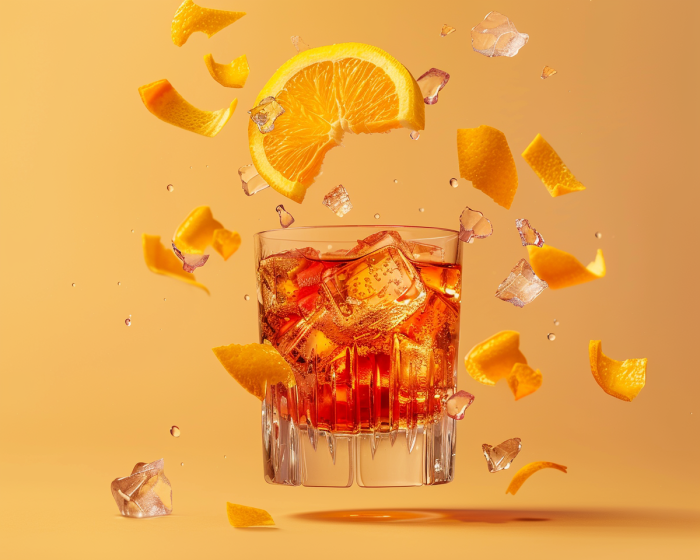
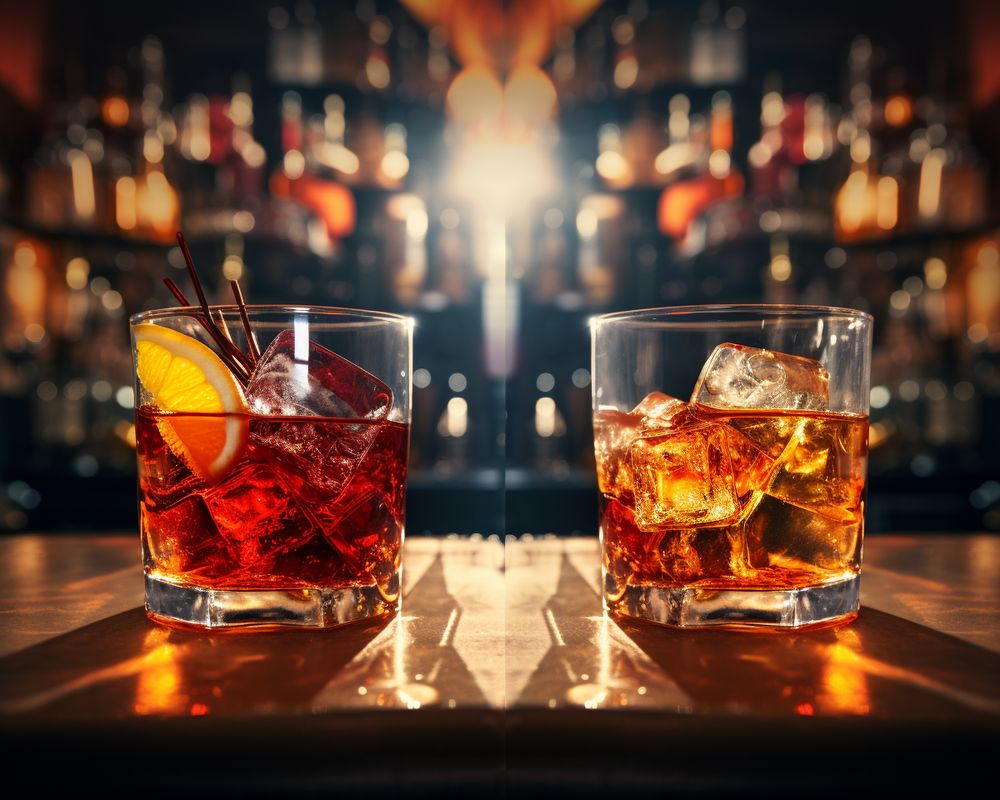
The main difference lies in their ingredients and consequently, in their flavor profiles. Manhattan uses whiskey, usually rye or bourbon, sweet vermouth, and bitters, garnished with a cherry. It offers a robust, slightly sweet and spicy flavor. Negroni, on the other hand, is made of gin, Campari and sweet vermouth, adorned with an orange slice or peel. It has a distinctive bitter edge with a citrus hint.
Where can I buy the best ready-made Manhattan or Negroni cocktails?
Major online retailers such as Amazon and Drizly offer a wide selection of premixed cocktails, including Manhattan and Negroni. Many local liquor stores and specialty cocktail shops may also have pre-bottled versions. Remember to check customer reviews for quality assurance.
What are some seasonal spins I can put on a Manhattan or Negroni?
For a winter-themed Manhattan, you could use a spiced bourbon to add a festive touch. In the summer, a Negroni can be lightened by adding a splash of Prosecco. Expressing a grapefruit twist over your Negroni can evoke the freshness of spring, while adding a dash of apple brandy to your Manhattan brings a fall-themed flair.
What are the health effects of drinking a Manhattan or Negroni?
As with any alcoholic beverages, drinking Manhattans or Negronis should be done in moderation. Overconsumption can lead to serious health risks such as alcohol poisoning, liver disease, or addiction. However, when consumed moderately, it has been suggested that certain ingredients in these cocktails may have some health benefits. For example, the antioxidants in vermouth may support heart health.
Can I make a non-alcoholic version of a Manhattan or Negroni?
Yes, you can replace the alcoholic ingredients with non-alcoholic versions. Seedlip is a popular non-alcoholic spirit which can substitute for gin or whiskey. Instead of sweet vermouth, you can use a non-alcoholic aperitif, and there are several non-alcoholic bitters available on the market.
What are some popular brands favored for making Manhattan vs Negroni cocktails?
Noteworthy brands for a Manhattan include Bulleit Rye Whiskey, Carpano Antica Formula Sweet Vermouth, and Angostura Bitters. For a Negroni, fans often recommend Bombay Sapphire Gin, Campari, and Martini & Rossi Sweet Vermouth. Remember, the key to a great cocktail is the balance of flavors, so feel free to experiment.
Is there specialty bar equipment needed to make a Manhattan or Negroni?
Both cocktails are stirred, not shaken, so a mixing glass and bar spoon are essential. You’ll also need a strainer, a jigger for measuring, and appropriate glasses (a coupe for the Manhattan and an old-fashioned glass for the Negroni).