Taste Profile
Mimosa
Renowned for its sweet and slightly sour profile, the Mimosa is a harmonious blend of champagne and orange juice. The sweetness of the champagne is balanced by the sourness of the orange juice, creating a pleasant aftertaste that lingers in the mouth. The bubbles from the champagne give the Mimosa a unique texture, enhancing the overall mouthfeel. The Mimosa is best served cold, which further intensifies the flavors and aromas.
| Basic Tastes | Other Factors |
|---|---|
| Sweet, Sour | Aromas, Texture, Temperature, Mouthfeel, Aftertaste |
Piña Colada
The Piña Colada is a sweet, creamy cocktail with a hint of sourness from the pineapple juice. The balance between the sweetness of the coconut cream and the sourness of the pineapple juice creates a complex, yet harmonious flavor profile. The creamy texture and cool temperature of the Piña Colada make it a refreshing choice, while the pineapple and coconut combine to create a tropical aroma that lingers long after the last sip.
| Basic Tastes | Other Factors |
|---|---|
| Sweet, Sour, Umami | Aromas, Texture, Temperature, Mouthfeel, Aftertaste |
💡 While both cocktails offer a balance of sweetness and sourness, the Mimosa is lighter and more effervescent, while the Piña Colada is creamier and more tropical in flavor. The choice between the two often comes down to personal preference and the occasion.
Essential Barware and Glassware
Mixing & Preparation
- Cocktail Shaker: Crucial for mixing drinks like Piña Colada that need a good shake to combine ingredients.
- Mixing Glass & Bar Spoon: Ideal for stirring cocktails like Mimosa that require delicate mixing.
- Muddler: Used for crushing fruits and herbs to release their flavors.
- Strainer & Fine Mesh Strainer: Essential for removing solid ingredients after shaking or stirring.
- Jigger: Ensures accurate measurement of liquor for well-balanced cocktails.
- Ice Crusher & Ice Molds: For creating different ice shapes to suit various cocktails.
Serving & Presentation
- Highball & Lowball Glass: Perfect for serving cocktails on the rocks like Piña Colada.
- Cocktail Glass: Suitable for a wide range of cocktails.
- Champagne Flute: The go-to glass for Mimosas to maintain the bubbly nature of champagne.
- Glass Rimmer & Garnish Tray: For adding salt, sugar, or spices to the rim of the glass and holding garnishes.
- Coasters: Adds a touch of class to your cocktail presentation.
Storage & Organization
- Ice Bucket & Tongs: Keeps ice handy and clean.
- Bottle Opener & Corkscrew: Essential tools for opening bottles.
- Speed Pourers & Liquor Pour Spouts: For smooth, controlled pouring of liquor.
- Bar Mat: Keeps your bar area clean.
- Bar Roll or Tool Bag: For organizing and transporting your tools.
Garnishing & Fine Detailing
- Cutting Board & Knife: For preparing fresh garnishes.
- Peeler & Zester: For adding citrus peels or zest to your cocktails.
- Citrus Juicer: Essential for fresh-squeezed juice in cocktails.
- Atomizer: For adding a fine mist of flavor.
- Bitters Bottle: For storing and dispensing bitters.
Preservation & Enhancement
- Champagne Stopper: Keeps leftover champagne bubbly for your next Mimosa.
- Wine Aerator: Enhances the flavor of your wine-based cocktails.
- Decanter: For airing out spirits to improve their taste.
- Wine Preserver: Keeps wine fresh for longer.
💡 The choice of glassware can significantly impact the taste and overall experience of a cocktail. For instance, the tall and narrow design of a champagne flute is perfect for Mimosas as it preserves the bubbles and directs the aroma to the nose, enhancing the sensory pleasure.
Versatility (Which occasion or season pairs best)
Mimosa
A Mimosa is a versatile cocktail that pairs well with a variety of occasions and seasons. Its light, refreshing taste makes it a popular choice for brunches, engagement parties, and family reunions. It is also a favorite at weddings, especially for toasting the newlyweds.
| Occasions | Seasons |
|---|---|
| Brunch, Engagement Parties, Family Reunions, Weddings | Spring, Summer |
Piña Colada
The Piña Colada, with its tropical flavors, is perfect for beach days, barbecues, and themed parties. It is also a hit at corporate parties and music festivals. Its rich, creamy texture and sweet taste make it a great choice for summer events.
| Occasions | Seasons |
|---|---|
| Beach Days, Barbecues, Themed Parties, Corporate Parties, Music Festivals | Summer |
💡 While both cocktails are versatile and can be enjoyed at various events, the Mimosa tends to be more popular for daytime events due to its light and refreshing nature. Conversely, the Piña Colada is often associated with tropical and summer-themed events, making it an ideal choice for outdoor parties and festivals.
Ingredient Accessibility
Mimosa Ingredients
- Champagne: Widely available in all liquor stores.
- Orange Juice: Can be found in any grocery store or could be freshly squeezed at home.
Piña Colada Ingredients
- Rum: Available in all liquor stores.
- Pineapple Juice: Can be found in most grocery stores or freshly made at home.
- Cream of Coconut: This might be a bit harder to find, but it is usually available in the international aisle of grocery stores or online.
Comparing Ingredient Accessibility
| Mimosa | Piña Colada |
|---|---|
| Easy | Medium |
While both cocktails have ingredients that are relatively easy to find, the Mimosa edges out the Piña Colada due to its simpler ingredient list. The Piña Colada requires Cream of Coconut, which might not be as readily available in some locations.
💡 The availability of Cream of Coconut can greatly influence the ease of making a Piña Colada. Consider having a backup cocktail option, like the Mimosa, which requires more commonly found ingredients.
Most Popular Cocktail Variations
Mimosa Variations
Known for its simplicity and elegance, the Mimosa cocktail has a few delicious variations that have gained popularity over time. Here are two of the most loved:
- Grand Mimosa: This variation adds a splash of Grand Marnier or another orange liqueur to the classic Mimosa recipe, adding an extra layer of citrusy flavor.
- Mimosa Sangria: A perfect blend of Mimosa and Sangria, this version includes fresh fruits and a hint of brandy for a unique taste.
Piña Colada Variations
As a tropical classic, the Piña Colada also has its share of tasty versions. Here are two you should definitely try:
- Blue Hawaiian: This variation swaps out some of the pineapple juice for blue curaçao, giving the cocktail a vibrant blue color and a slightly tangier flavor.
- Virgin Piña Colada: For those who prefer a non-alcoholic version, this variation omits the rum but keeps the creamy coconut and pineapple flavors intact.
Note: Whichever variation you choose, remember, the quality of the ingredients can make or break your cocktail experience.
💡 Unique Insight: Did you know? The Mimosa cocktail is named after the Mimosa plant, which has bright yellow flowers that resemble the color of the cocktail. On the other hand, Piña Colada, which translates to “strained pineapple,” was declared the national drink of Puerto Rico in 1978.
Cost Comparison: Crafting Cocktails at Home
Mimosa: A Budget-Friendly Choice
Creating a Mimosa at home is quite wallet-friendly. Here’s a list of brands you can choose from, ranked from the most affordable to the priciest:
- Prosecco: La Marca – $14
- Orange Juice: Simply Orange – $4
- Champagne: Moët & Chandon – $60
Piña Colada: A Slightly Higher Investment
While a Piña Colada requires a bit more investment, the tropical delight is worth every penny. Here are the ingredient costs from lower to higher brands:
| Ingredient | Brand | Cost |
|---|---|---|
| Rum | Bacardi | $15 |
| Cream of Coconut | Coco Lopez | $3 |
| Pineapple Juice | Dole | $3 |
| Rum | Appleton Estate | $30 |
💡 Unique Insight: While the Mimosa is more budget-friendly, the Piña Colada offers a more complex flavor profile. If you’re looking to impress with your home bar skills, the Piña Colada might be worth the extra investment.
Prep & Mix Time (Complexity of Preparation)
Mimosa
With a total preparation and mixing time of just 2 minutes, the Mimosa is a cocktail that even beginners can master. The recipe is straightforward:
- Chill your champagne and orange juice.
- Pour the champagne into a glass, filling it halfway.
- Top off with orange juice.
- Stir gently to combine.
The complexity of preparation for a Mimosa is easy. Cleanup is minimal, and there is no waiting time or setup required.
Piña Colada
The Piña Colada requires a bit more time and effort, with a total preparation and mixing time of 5 minutes. Here’s how it’s done:
- Cut and core a pineapple.
- Blend the pineapple, rum, coconut cream, and ice in a blender until smooth.
- Pour into a glass and garnish with a pineapple slice and maraschino cherry.
The complexity of preparation for a Piña Colada is medium due to the need for a blender and fresh pineapple. Cleanup involves washing the blender, and there is a short waiting time while the cocktail chills in the blender.
Expert Tips
For the best Mimosa, use freshly squeezed orange juice and a dry champagne. For the Piña Colada, use fresh pineapple for a more authentic taste.
💡 While the Mimosa is quicker and easier to prepare, the Piña Colada offers a more complex and tropical flavor profile. Choose based on your time, skill level, and taste preference.
Mixology Hacks for the Perfect Blend
Muddling Right
For a Mimosa, muddling isn’t necessary. But for a Piña Colada, muddling pineapple chunks before adding them to the blender can enhance the flavor.
Ice Matters
Both cocktails require ice, but in different forms. Mimosas need cubed ice to chill the drink, while Piña Coladas use crushed ice to create a slushy texture.
Shake vs Stir
Mimosas are stirred gently to mix the champagne and orange juice, while Piña Coladas are shaken vigorously to blend the ingredients and create a frothy top.
Balancing Act
Mimosas balance the acidity of orange juice with the sweetness of champagne. Piña Coladas, on the other hand, balance the creaminess of coconut milk with the tartness of pineapple juice.
Herb Infusion
Neither cocktail typically includes herbs, but a sprig of mint can add a refreshing twist to a Piña Colada.
Aromatic Bitters
While not traditional, a dash of aromatic bitters can add complexity to a Mimosa.
Smoke Effects
Smoke isn’t typically used in either cocktail, but a smoked pineapple garnish can add a unique touch to a Piña Colada.
Double Straining
Double straining isn’t necessary for a Mimosa, but it can ensure a smoother Piña Colada by removing any remaining pineapple chunks.
Perfect Presentation
A Mimosa is best served in a flute to showcase its bubbles, while a Piña Colada looks most appealing in a hurricane glass.
Glassware
As mentioned, flutes are ideal for Mimosas, while hurricane glasses best suit Piña Coladas.
Garnish Game
Garnish your Mimosa with an orange slice, and your Piña Colada with a pineapple wedge and cherry.
Temperature
Mimosas should be served extra cold, while Piña Coladas are best at a chilled, but not icy, temperature.
Crafting Signature Cocktails at Home
With these tips, you can easily craft these cocktails at home. Just remember to balance the flavors and chill your glassware in advance.
Mixology Techniques for Beginners
Start by mastering the basics, like muddling and understanding the importance of ice. Then, move onto more advanced techniques, like double straining and garnishing.
How to Balance Flavors in a Cocktail
Remember, the key to a great cocktail is balance. For a Mimosa, this means equal parts champagne and orange juice. For a Piña Colada, it’s about balancing the sweetness of the coconut milk with the acidity of the pineapple juice.
Clarified Cocktails
Clarification isn’t necessary for these cocktails, but it can be used to create a unique, clear Piña Colada.
Dehydrated Garnish
Dehydrated orange slices make a great garnish for Mimosas, while dehydrated pineapple can add a fun twist to a Piña Colada.
Freeze & Squeeze
Freezing your fruit before juicing can make your cocktails even more refreshing. Try it with the oranges for your Mimosa or the pineapple for your Piña Colada.
💡 To create a unique Mimosa, try adding a dash of Grand Marnier. For a unique Piña Colada, try replacing some of the pineapple juice with fresh mango juice.
Alcohol Content (Low to Maximum ABV%) and Alcohol-Free Alternatives (Mocktails)
Mimosa Alcohol Content
Typically, a Mimosa cocktail contains about 7-12% ABV (Alcohol by Volume), depending on the Champagne or sparkling wine used. This makes it a relatively low-alcohol cocktail, ideal for brunches and daytime gatherings.
Piña Colada Alcohol Content
In contrast, a Piña Colada boasts a higher ABV, ranging from 13-17%. This is due to the combination of rum, cream of coconut, and pineapple juice. It’s a potent tropical treat, perfect for vacation vibes and summer parties.
Mocktail Alternatives
For those who prefer alcohol-free options, there are delightful mocktail versions for both cocktails.
| Mimosa Mocktail | Piña Colada Mocktail |
|---|---|
| A Mimosa mocktail can be made by substituting the Champagne with a non-alcoholic sparkling wine or grape juice. Add the same amount of orange juice, and you have a refreshing, alcohol-free Mimosa. | A Piña Colada mocktail, or a Virgin Piña Colada, replaces the rum with coconut water. Blend it with the same amount of cream of coconut and pineapple juice, and you’ve got a tropical, non-alcoholic indulgence. |
💡 Despite the difference in their alcohol content, both Mimosa and Piña Colada can be transformed into delightful, alcohol-free alternatives. This makes them versatile options for any occasion, whether you’re looking for a light, daytime refresher or a rich, tropical treat.
Nutritional Information (Calories Content, Allergy Information, and more)
Caloric Intake
A Mimosa cocktail typically contains around 80 calories, while a Piña Colada can contain up to 300 calories, largely due to the cream and coconut milk.
Spirits and Mixers
Mimosas use champagne as their primary spirit and orange juice as a mixer. On the other hand, Piña Coladas use rum and combine it with cream of coconut and pineapple juice.
Sugar Content and Simple Syrups
Mimosas have a relatively low sugar content, with most of the sweetness coming from the orange juice. Piña Coladas, however, contain a high amount of sugar due to the cream of coconut and pineapple juice.
Carbohydrates and Proteins
Mimosas contain about 7 grams of carbohydrates and less than 1 gram of protein, while Piña Coladas contain about 32 grams of carbohydrates and 1 gram of protein.
Allergens
Both cocktails are typically free from common allergens like nuts and gluten. However, some individuals may be allergic to citrus fruits (in Mimosas) or pineapples (in Piña Coladas).
Vitamins and Minerals
Mimosas provide a good amount of Vitamin C due to the orange juice, while Piña Coladas offer some Vitamin C and Manganese from the pineapple juice.
Other Factors
Mimosas are typically lower in sodium and fats, while Piña Coladas can be high in both due to the cream of coconut. Both cocktails do not typically contain caffeine.
Low-Calorie and Sugar-Free Cocktail Options
For a lower-calorie option, you could opt for a Mimosa with no added sugar. For a sugar-free Piña Colada, consider using a sugar-free cream of coconut substitute.
Gluten-Free Alcoholic Beverages
Both Mimosas and Piña Coladas are naturally gluten-free, as they do not contain any wheat-based ingredients.
💡 While Piña Coladas may seem more indulgent due to their higher calorie and sugar content, they also contain more nutrients like Vitamin C and Manganese, compared to Mimosas. However, if you’re watching your caloric intake, a Mimosa would be a better option.
Facts
Mimosa Ingredients and Preparation
- Primary ingredients: Champagne and orange juice.
- Preparation: Mix equal parts of champagne and orange juice. Serve in a champagne flute.
Piña Colada Ingredients and Preparation
- Primary ingredients: Rum, coconut cream, and pineapple juice.
- Preparation: Blend 1 part rum, 1 part coconut cream, and 3 parts pineapple juice. Serve in a hurricane glass with a pineapple wedge garnish.
Comparing Taste Profiles
| Mimosa | Piña Colada |
|---|---|
| Light, fruity, and slightly tart. | Creamy, sweet, and tropical. |
Best Time to Enjoy
Mimosas are typically enjoyed during brunch, while Piña Coladas are often associated with beach vacations and tropical settings.
Alcohol Content
- Mimosa: Low to medium, depending on the champagne used.
- Piña Colada: Medium to high, due to the rum.
💡 While both cocktails offer a refreshing experience, the Mimosa’s light, bubbly character makes it an excellent choice for daytime events, whereas the Piña Colada’s rich, tropical flavors transport you to a beachside escape, making it perfect for unwinding after a long day.
Mimosa vs Piña Colada: An In-depth Comparison
Whether you’re a cocktail enthusiast or a newbie, understanding the differences between Mimosa and Piña Colada can enhance your cocktail appreciation. Here, we dive into the ingredients, preparation, alcohol brands, barware, glassware, food pairings, visual presentation, nutritional information, making cost, and alcohol content of these two popular cocktails.
What are the key ingredients in Mimosa and Piña Colada?
Mimosa is a simple cocktail made with equal parts of champagne and orange juice. Piña Colada, on the other hand, is a tropical cocktail made from rum, coconut cream, and pineapple juice.
How are Mimosa and Piña Colada prepared?
Mimosa is prepared by pouring chilled champagne into a glass, followed by cold orange juice. Piña Colada is made by blending the rum, coconut cream, and pineapple juice together until smooth.
What alcohol brands are commonly used in these cocktails?
For Mimosas, high-quality champagne brands like Moët & Chandon or Dom Pérignon are often used. For Piña Colada, white rum brands such as Bacardi or Havana Club are preferred.
What barware and glassware are ideal for these cocktails?
Mimosas are typically served in champagne flutes, while Piña Coladas are often presented in hurricane glasses or large goblets.
What are the best food pairings for Mimosa and Piña Colada?
Mimosas pair well with brunch items like eggs Benedict or French toast. Piña Coladas complement tropical or spicy foods, such as grilled shrimp or jerk chicken.
How do these cocktails visually present?
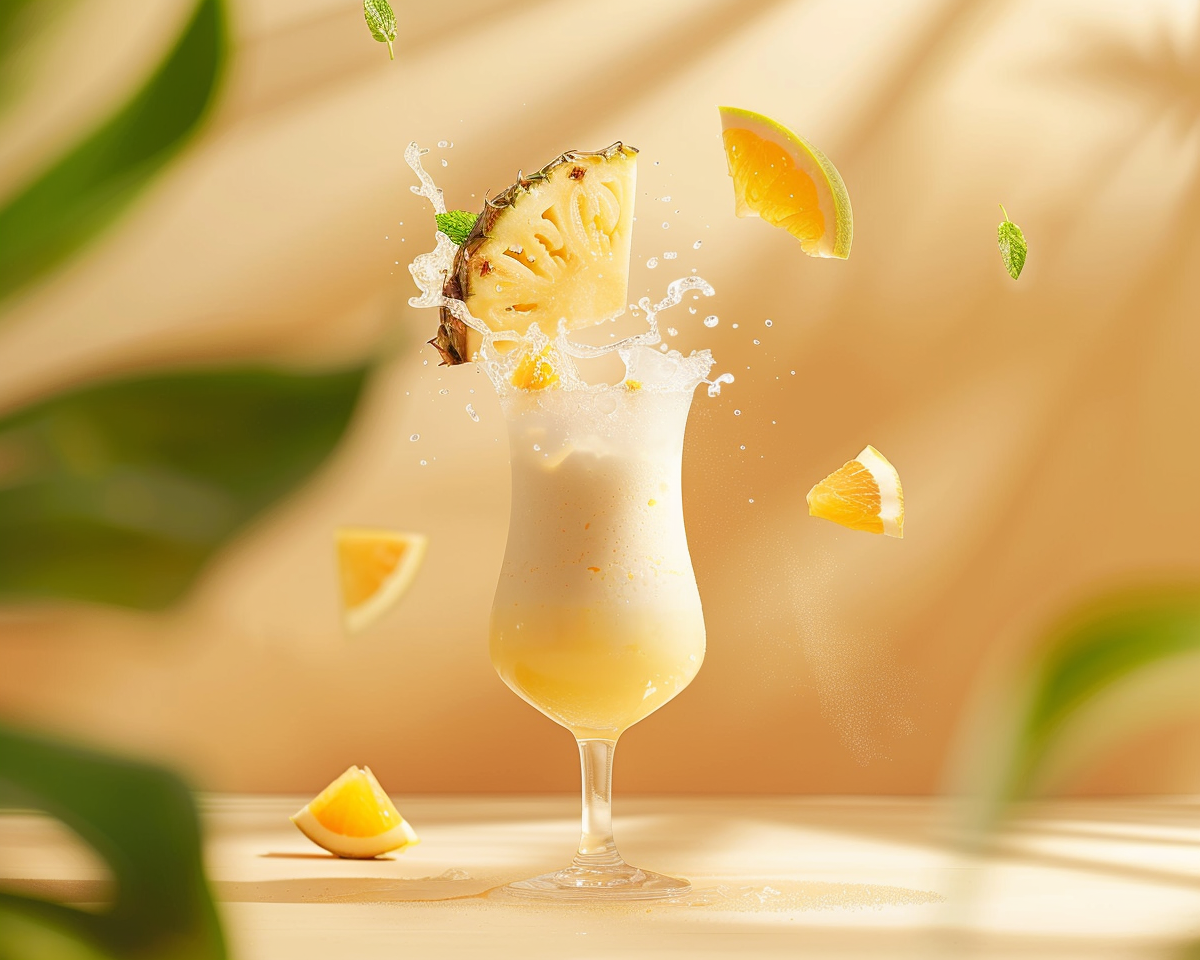
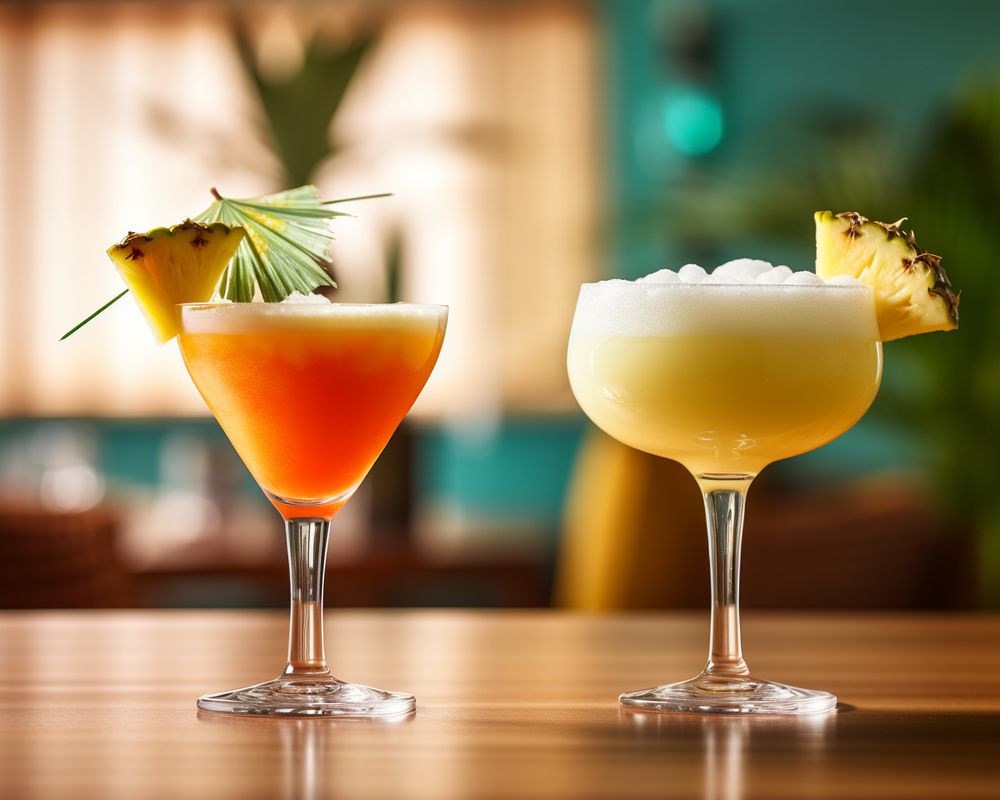
Mimosas are elegant and minimalistic, with a vibrant orange color. Piña Coladas are visually striking with a creamy white color, often garnished with a pineapple slice or maraschino cherry.
What is the nutritional information for these cocktails?
A standard Mimosa contains about 75 calories and is low in sugar. A Piña Colada, however, contains around 245 calories and is high in sugar due to the coconut cream.
What is the cost of making these cocktails?
Mimosas are generally less expensive to make due to their simple ingredients. Piña Coladas can be more costly due to the premium rum and coconut cream.
What is the alcohol content in Mimosa and Piña Colada?
Mimosas have a lower alcohol content, around 6-12% ABV, depending on the champagne used. Piña Coladas have a higher alcohol content, typically around 13-20% ABV.
Unique Insight: While both cocktails offer a delightful experience, your choice between a Mimosa and a Piña Colada may depend on your preference for a light and refreshing drink (Mimosa) or a rich and tropical one (Piña Colada).