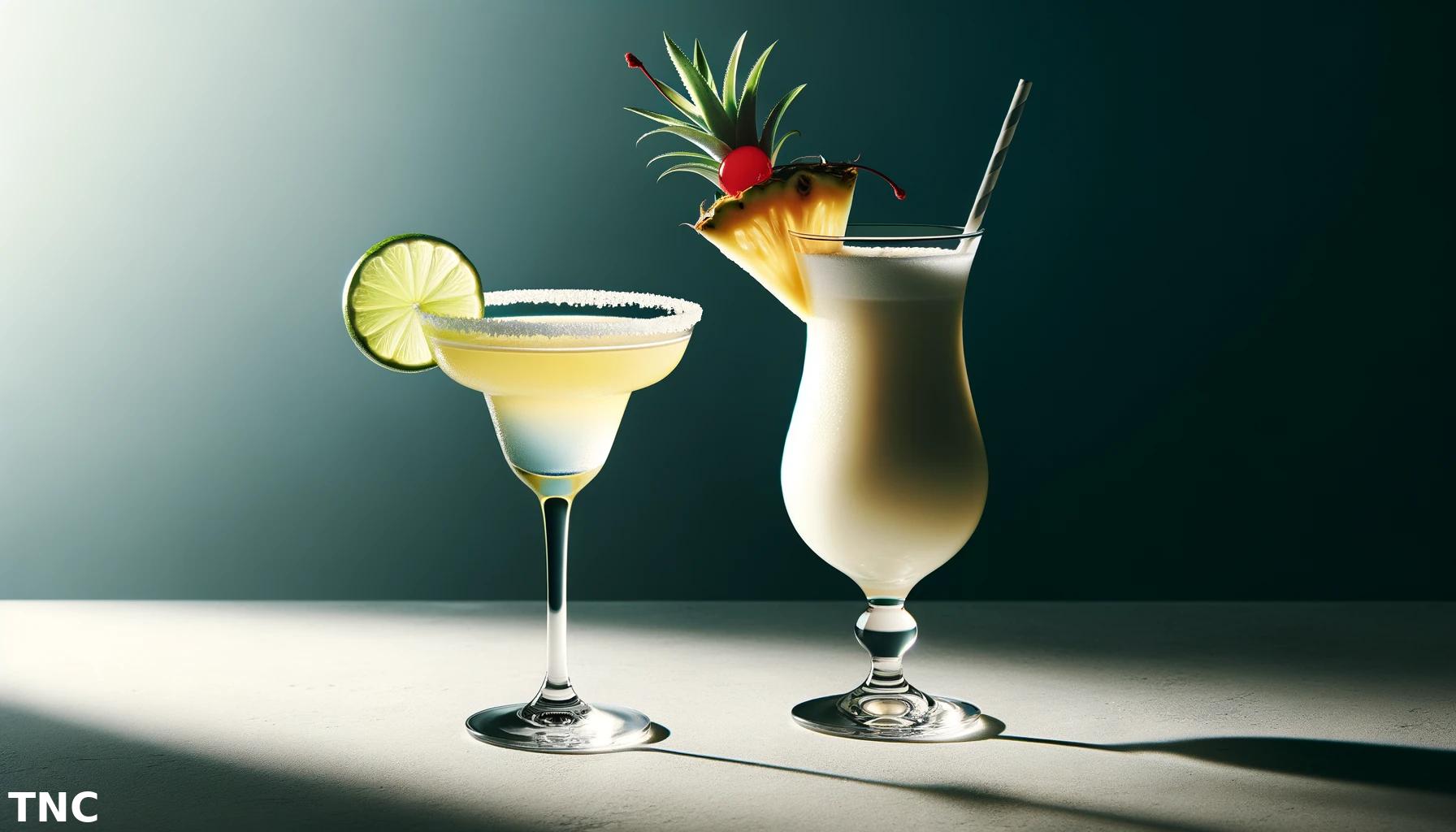
Whether you’re lounging by the beach or hosting a tropical-themed party, this guide will help you decide which of these iconic cocktails is best for your mood and occasion.
Ingredients Breakdown
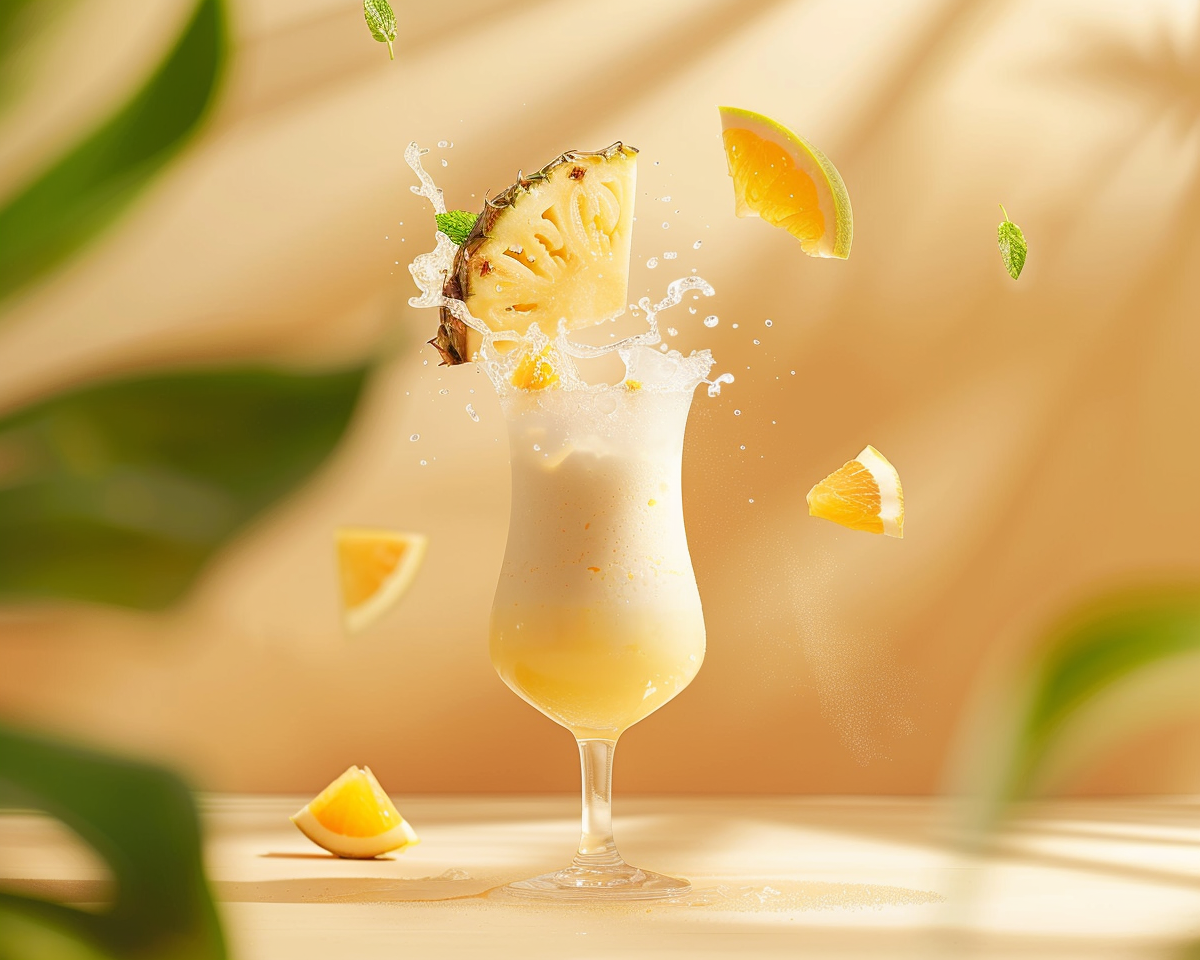
Piña Colada Ingredients:
- White rum: The spirit base for this cocktail.
- Coconut cream: Adds the signature rich, creamy texture and tropical flavor.
- Pineapple juice: Offers sweetness and a tart, fruity balance to the creaminess.
- Ice: Often blended to create the Piña Colada’s frozen, slushy consistency.
- Optional garnishes: Pineapple slices and cherries add a decorative touch.
Daiquiri Ingredients:
- White rum: The base spirit, providing the characteristic punch.
- Lime juice: Adds a tart, citrusy flavor that balances the rum.
- Simple syrup: Sweetens the cocktail to offset the sharpness of the lime.
- Optional flavors: The Daiquiri is known for its fruity variations, such as strawberry or mango, which add an extra layer of sweetness.
While both cocktails use white rum as their base, the Piña Colada’s richness comes from its use of coconut cream and pineapple juice, giving it a creamy, tropical sweetness. The Daiquiri, on the other hand, is much simpler and sharper, relying on lime juice and simple syrup for a tangy, refreshing flavor.
Preparation
Piña Colada: Piña Coladas are typically blended to create a smooth, frosty drink with a creamy consistency. Here’s how to make the classic version:
- Blend: Combine white rum, coconut cream, and pineapple juice with ice in a blender.
- Serve: Pour the slushy mixture into a chilled glass.
- Garnish: Add a pineapple slice and cherry on top for decoration.
Piña Coladas are typically served blended or “frozen,” which gives them their signature frosty texture that’s perfect for hot weather.
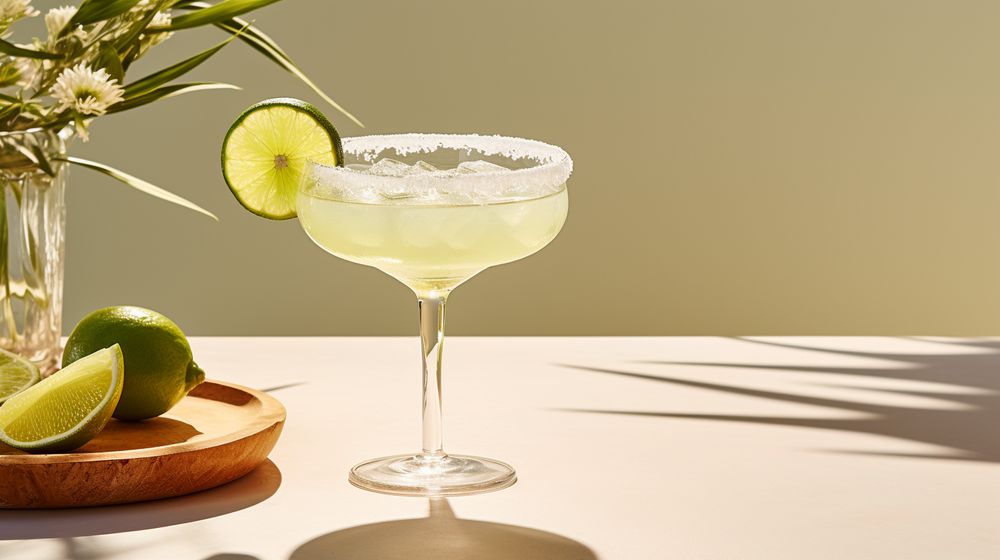
Daiquiri: Daiquiris are often served shaken and strained, but they can also be blended if making a frozen version. Here’s how to prepare a traditional Daiquiri:
- Shake: In a shaker, combine white rum, fresh lime juice, and simple syrup with ice.
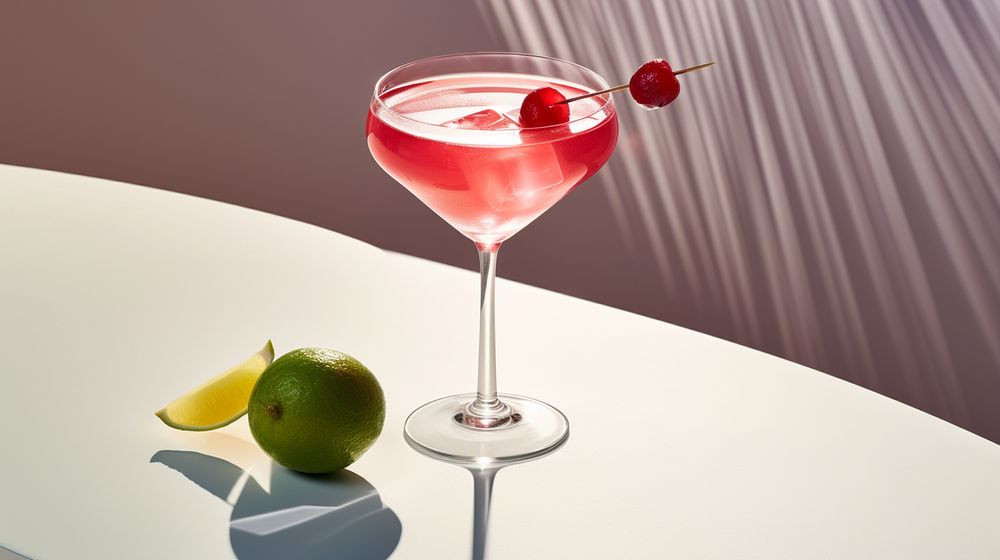
- Strain: Strain the mixture into a chilled coupe or martini glass.
- Garnish: A lime wedge is typically used to garnish the drink.
While a frozen Daiquiri is popular (especially in fruity variations), the classic Daiquiri is served shaken and not blended, allowing the citrus flavors to shine through more cleanly.
Flavors and Variations
Piña Colada Flavors: The Piña Colada is sweet and creamy, dominated by the rich flavor of coconut cream and pineapple juice, which makes it feel indulgent and tropical. The creamy texture paired with the fruity flavor creates a satisfying, dessert-like cocktail.
Popular Variations:
- Frozen Piña Colada: The classic version, blended with ice for a frosty texture.
- Strawberry Piña Colada: Incorporates fresh or frozen strawberries for a fruity twist.
- Spiked Piña Colada: Features dark rum or an extra shot of rum to intensify the alcohol content.
Daiquiri Flavors: The Daiquiri is tart, tangy, and refreshing, with the lime juice providing a crisp contrast to the sweetness of the simple syrup and the strength of the rum. Its simplicity allows the rum to stand out while maintaining a perfectly balanced cocktail.
Popular Variations:
- Strawberry Daiquiri: A fruity variation with blended strawberries for sweetness and texture.
- Mango Daiquiri: Mango adds a tropical, smooth twist to the classic Daiquiri.
- Frozen Daiquiri: Blended with ice for a frosty version of the classic cocktail.
Both drinks have plenty of variation potential, allowing bartenders and home mixologists to experiment with flavors and textures based on personal preferences. The Piña Colada leans more toward creamy, dessert-like flavors, while the Daiquiri shines with crisp, fruity, and refreshing profiles.
Occasions and Food Pairings
Piña Colada: The Piña Colada is synonymous with vacation, beach days, and poolside lounging. Its tropical sweetness pairs perfectly with grilled seafood, caribbean dishes, and desserts like coconut cake or fruit salads. Due to its rich and creamy nature, it’s best served as a relaxing, slow-sipping drink, making it ideal for leisurely afternoons or festive gatherings.
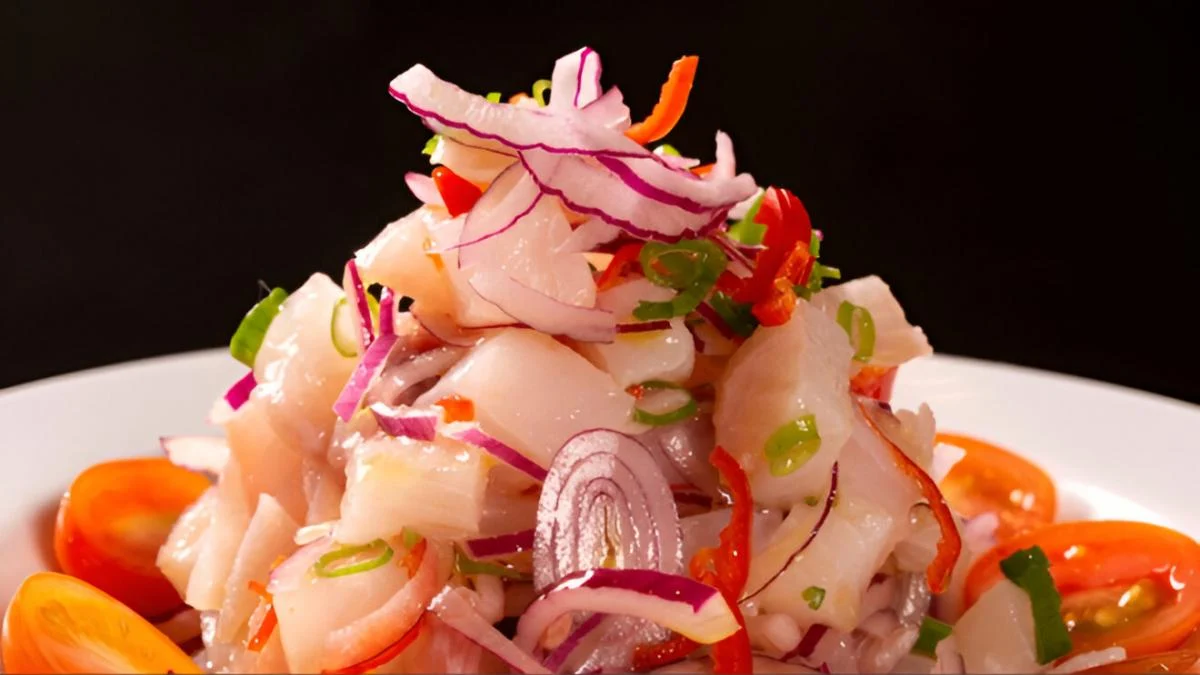
Daiquiri: Daiquiris, with their light and tangy flavors, are versatile enough for a variety of occasions. Whether it’s a casual dinner, a tropical-themed party, or a sophisticated gathering, a Daiquiri works well. The refreshing citrus flavor makes it an excellent pairing for ceviche, grilled chicken, and tropical fruits. It’s also a popular choice for happy hour or as an aperitif before a meal.
Nutritional Differences
The Piña Colada tends to be higher in calories and sugar due to the coconut cream and pineapple juice. A typical Piña Colada can contain anywhere from 300 to 500 calories per serving, making it one of the more indulgent cocktails. However, there are lighter versions that use coconut milk or reduced-sugar pineapple juice to cut down on the calorie count.
The Daiquiri is a lighter option, particularly the classic version, which consists of just rum, lime juice, and simple syrup. A typical Daiquiri contains about 150 to 200 calories. Variations like the strawberry Daiquiri can add some extra sugar and calories, but it still remains a relatively light option compared to the Piña Colada.
For those looking for healthier alternatives, both cocktails can be made with sugar-free syrups or lower-calorie mixers to reduce their caloric impact.
History
Piña Colada: The Piña Colada was born in Puerto Rico and has become one of the most famous tropical drinks in the world. The widely accepted story attributes its invention to Ramón “Monchito” Marrero, a bartender at the Caribe Hilton in San Juan, in 1954. His goal was to capture the essence of the tropics in a glass, and the Piña Colada did just that. The creamy, fruity drink quickly gained international fame, solidifying its place as a tropical favorite.
Daiquiri: The Daiquiri has a much older history, dating back to the early 20th century in Cuba. The drink is said to have been created by an American mining engineer named Jennings Cox during the Spanish-American War. Originally, the Daiquiri was a simple mixture of rum, lime juice, and sugar, enjoyed by Cuban locals and American visitors alike. Its popularity surged when Ernest Hemingway, a known fan of rum, made the drink famous by enjoying it during his time in Havana.
FAQ
Which cocktail is sweeter, Piña Colada or Daiquiri?
The Piña Colada is definitely the sweeter of the two, thanks to the coconut cream and pineapple juice. The Daiquiri, while sweetened with simple syrup, is much more tart and citrus-forward.
Which is easier to make at home?
A classic Daiquiri is simpler to make, requiring just three ingredients—rum, lime juice, and simple syrup. The Piña Colada, on the other hand, requires a blender and more ingredients, making it slightly more complex.
Can these cocktails be made without alcohol?
Yes! A virgin Piña Colada (sometimes called a Nojito) is quite popular and simply omits the rum while keeping the rest of the ingredients the same. A virgin Daiquiri can be made by substituting the rum with a non-alcoholic spirit or simply creating a limeade with the remaining ingredients.
Are frozen versions of these cocktails more popular?
Both Piña Coladas and Daiquiris are commonly served frozen. The frozen Piña Colada is the classic way to enjoy the drink, while the frozen Daiquiri is often served with fruit, especially in the strawberry variation.
What’s the best glassware for each cocktail?
The Piña Colada is traditionally served in a hurricane glass to showcase its tropical, frosty appearance, while the Daiquiri is typically served in a martini glass or coupe glass to maintain its elegant, simple aesthetic.