Taste Profile
Piña Colada
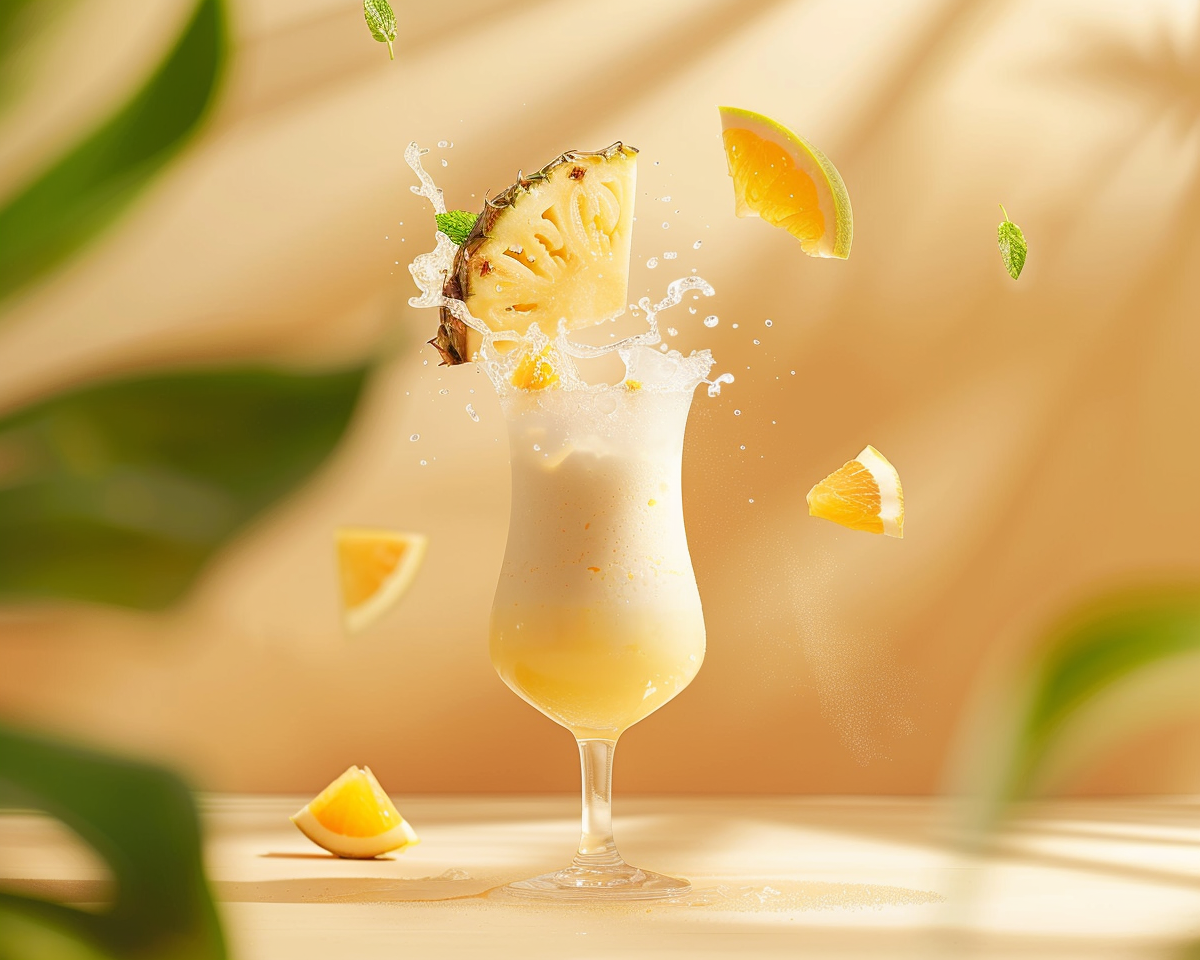
With its tropical blend of rum, coconut cream, and pineapple juice, the Piña Colada is a sweet and creamy cocktail. It has a luscious texture and a refreshing temperature, perfect for sipping on a hot day. The pineapple provides a touch of acidity, balancing out the richness of the coconut cream. Aromas are predominantly fruity, with a hint of rum’s warmth. Its aftertaste is a delightful mix of sweet and fruity notes.
Martini
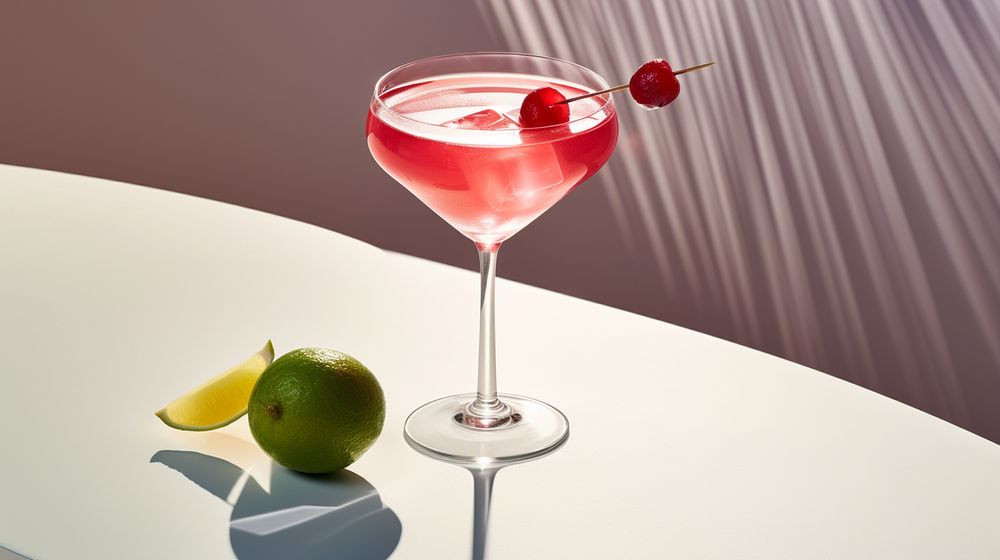
The Martini, on the other hand, is a cocktail of gin and vermouth, garnished with an olive or a lemon twist. It has a more complex taste profile, with a balance of bitterness from the gin, and a hint of sweetness from the vermouth. The olive garnish adds a touch of saltiness, while the lemon twist brings a zesty aroma. The Martini is served chilled, offering a cool mouthfeel. Its aftertaste is a lingering blend of bitter and aromatic notes.
Comparison
| Piña Colada | Martini |
|---|---|
| Sweet, creamy, fruity | Bitter, slightly sweet, aromatic |
| Luscious texture | Smooth texture |
| Refreshing temperature | Cool temperature |
| Fruity aftertaste | Bitter aftertaste |
Considerations
The Piña Colada is a harmonious blend of sweet and sour, with a simple yet intense flavor profile. Its sweetness may be too much for some, but it’s a perfect choice for those who prefer less alcoholic intensity.
The Martini, with its contrasting flavors and aromas, offers a more complex and intense taste experience. It requires a more acquired palate due to its strong alcohol content and bitter undertones.
💡 When choosing between a Piña Colada and a Martini, consider your preference for sweetness versus bitterness, and simple versus complex flavor profiles. Both cocktails offer unique taste experiences, but the Piña Colada is more approachable for beginners, while the Martini is suited for seasoned cocktail enthusiasts.
Essential Barware and Glassware
When it comes to mixing and serving cocktails like the Piña Colada and Martini, the right tools and glassware can make all the difference. Here’s a comprehensive guide to essential barware and glassware.
Mixing & Preparation
- Cocktail Shaker: Vital for shaking ingredients to blend flavors, especially for Piña Coladas.
- Mixing Glass & Bar Spoon: Used for stirring cocktails like Martinis, ensuring a clear, undiluted drink.
- Muddler: Ideal for crushing fruits and herbs to release their flavors.
- Strainers: Hawthorne and Fine Mesh Strainers are perfect for removing ice and pulp, ensuring a smooth cocktail.
- Jigger: Ensures accurate measurements for a balanced cocktail.
- Ice Crusher & Molds: Essential for creating different ice shapes for different drinks.
Serving & Presentation
- Highball Glass: The tall glass is perfect for serving Piña Coladas.
- Cocktail Glass: The iconic glass for serving Martinis.
- Glass Rimmer & Garnish Tray: For applying salt or sugar on the rim and garnishing the cocktails.
- Coasters: Protects the bar surface and adds a touch of class.
Storage & Organization
- Ice Bucket & Tongs: Keeps your ice clean and easily accessible.
- Bottle Opener & Corkscrew: Essential tools for opening various types of bottles.
- Speed Pourers & Liquor Pour Spouts: Helps control the flow of liquor for accurate pouring.
- Bar Mat: Keeps your workspace clean and organized.
Garnishing & Fine Detailing
- Cutting Board & Knife: For slicing fruits for garnishes.
- Peeler & Zester: For creating citrus peels for garnish and flavor.
- Atomizer: For spraying a fine mist of vermouth in a Martini glass.
Preservation & Enhancement
- Champagne Stopper: Preserves the fizz in your champagne.
- Wine Aerator: Enhances the flavor of your wine by allowing it to breathe.
💡 Remember, the right tools not only make the cocktail mixing process easier but also elevate the overall drinking experience. Investing in high-quality barware and glassware is a game-changer for any cocktail enthusiast or newbie.
Versatility (Which occasion or season pairs best)
Piña Colada
An iconic tropical drink, the Piña Colada is a perfect match for an array of occasions and seasons. Its sweet, fruity flavor and creamy texture make it a hit at beach days, summer barbecues, and poolside parties. It’s also a popular choice for themed parties, especially those with a tropical or Caribbean vibe.
| Occasions | Seasons |
|---|---|
| Beach Day, Barbecue, Themed Parties | Summer |
Martini
The Martini, on the other hand, is a classic cocktail known for its elegance and sophistication. It’s an excellent choice for corporate parties, award ceremonies, and product launches. Additionally, it’s a popular cocktail for date nights and anniversaries, making it a versatile choice for various events. While it can be enjoyed year-round, it pairs particularly well with the crisp coolness of autumn and winter.
| Occasions | Seasons |
|---|---|
| Corporate Parties, Award Ceremonies, Product Launches, Date Night, Anniversaries | Autumn, Winter |
💡 Unique Insight: The Piña Colada, with its tropical flair, is a cocktail that transports you to summer no matter the season, making it a versatile choice for those seeking a taste of sunshine. The Martini, with its timeless elegance, is adaptable to a variety of formal occasions and cooler seasons, making it a staple in the cocktail world.
Ingredient Accessibility
Piña Colada Ingredients
- Rum
- Pineapple Juice
- Cream of Coconut
- Ice
Martini Ingredients
- Gin or Vodka
- Dry Vermouth
- Ice
- Olives or Lemon Twist for Garnish
Availability
Both Piña Colada and Martini cocktails have ingredients that are quite easy to find. The ingredients for both cocktails are commonly available in most liquor stores and supermarkets. However, Cream of Coconut required for Piña Colada might not be readily available in some areas.
Cost
Cost-wise, Martini ingredients tend to be more affordable than Piña Colada. While the cost of rum, pineapple juice, and ice is relatively low, the Cream of Coconut can be more expensive.
Preparation
Both cocktails are easy to prepare. However, Martini requires less preparation time as it only involves mixing the ingredients and serving chilled. On the other hand, Piña Colada requires blending the ingredients until smooth, which can be time-consuming.
💡 Despite the slight challenge in procuring the Cream of Coconut and the extra preparation time, Piña Colada offers a unique tropical experience that makes the effort worthwhile.
Most Popular Cocktail Variations
Piña Colada Variations
- Blue Hawaiian: This tropical concoction adds a splash of blue curaçao to the classic Piña Colada recipe, giving it a vibrant blue hue and a slightly citrusy flavor.
- Virgin Piña Colada: A non-alcoholic version of the classic drink, the Virgin Piña Colada offers all the tropical flavors without the rum.
- Strawberry Piña Colada: A fruity twist on the traditional cocktail, the Strawberry Piña Colada blends fresh strawberries into the mix, creating a refreshing and tangy variation.
Martini Variations
- Dry Martini: A Dry Martini uses less vermouth than the classic recipe, resulting in a stronger, more potent cocktail.
- Dirty Martini: This variation adds a splash of olive brine to the mix, giving the cocktail a salty kick.
- Espresso Martini: A modern classic, the Espresso Martini combines vodka, coffee liqueur, and freshly brewed espresso for a caffeinated twist on the traditional martini.
| Piña Colada | Martini |
|---|---|
| Tropical, fruity, creamy | Strong, dry, versatile |
Whether you prefer the tropical sweetness of a Piña Colada or the potent punch of a Martini, there’s a cocktail variation to suit every taste. Remember, the key to a great cocktail is high-quality ingredients and careful measurement.
💡 Unique Insight: While the Martini is often seen as a more ‘sophisticated’ drink due to its association with characters like James Bond, the Piña Colada has its own claim to fame. It’s the national drink of Puerto Rico and has been since 1978!
Cost Comparison: Crafted Cocktails
Lower Brand Options
- Piña Colada: The primary ingredients include white rum, pineapple juice, and coconut cream. A bottle of lower-brand white rum, like Bacardi, could cost around $15. The remaining ingredients are relatively cheap, making the total cost around $20.
- Martini: This classic cocktail requires gin and vermouth. A lower-brand gin such as Gordon’s may cost around $13, and a bottle of Martini & Rossi Vermouth could be around $7. Thus, the total cost to make a Martini is approximately $20.
Mid-Range Brand Options
- Piña Colada: Upgrading to a mid-range rum like Mount Gay can push the cost up to $30. The other ingredients remain the same, resulting in a total cost of around $35.
- Martini: Opting for a mid-range gin like Bombay Sapphire, the cost increases to around $25. With the same vermouth, the total cost comes to roughly $32.
Higher Brand Options
- Piña Colada: A top-shelf rum like Ron Zacapa Centenario can cost up to $45. With the same mixers, the total cost to make a Piña Colada is around $50.
- Martini: Using a premium gin like Hendrick’s, the cost shoots up to $35. The same vermouth keeps the total cost around $42.
💡 While the prices of individual ingredients can vary, the Martini tends to be a bit cheaper to make than the Piña Colada, especially when using higher-end brands. However, the most significant factor affecting the cost is the choice of alcohol. Premium brands can significantly increase the price of your cocktail.
Prep & Mix Time (Complexity of Preparation)
Piña Colada
- Total Preparation Time: 10 minutes
- Mixing Time: 5 minutes
With a complexity level of medium, the Piña Colada requires a bit of effort in ingredient preparation. You’ll need to blend the ingredients together, making sure to achieve a smooth consistency.
Martini
- Total Preparation Time: 5 minutes
- Mixing Time: 2 minutes
A Martini is considered easy to prepare. The key is in the mixing technique – stirring the ingredients with ice in a mixing glass, then straining into a chilled Martini glass.
Expert Tips
For the Piña Colada, ensure your blender is powerful enough to crush the ice to a fine consistency. For the Martini, remember, it’s stir, not shake, to avoid diluting the drink too much.
💡 While both cocktails have their unique charm, the Martini’s simplicity and elegance make it a quicker option for those short on time, while the Piña Colada’s tropical flair requires a bit more effort but is well worth it for the taste of the tropics.
Mixology Hacks for the Perfect Blend
Muddling Right
Muddling is crucial in a Piña Colada to extract the flavors of the pineapple and coconut. In a Martini, muddling isn’t required, making it a simpler cocktail to prepare.
Ice Matters
Ice plays a significant role in both cocktails. Crushed ice is preferred for Piña Colada to achieve the slushy consistency, while Martini calls for cubed ice to chill the drink without diluting it too much.
Shake vs Stir
Shaking is the method for a frothy Piña Colada, while stirring is the technique for a clear, smooth Martini.
Balancing Act
Balancing the sweet and sour components is key in a Piña Colada. For a Martini, it’s about balancing the dryness of the gin with the vermouth.
Herb Infusion
While Piña Colada doesn’t typically include herbs, a Martini can be elevated with a subtle hint of rosemary or basil.
Aromatic Bitters
Aromatic bitters aren’t typically part of a Piña Colada or Martini, but a dash can add complexity to the Martini.
Smoke Effects
Neither Piña Colada nor Martini traditionally includes smoke effects, but a smoked Martini can be a delightful twist.
Double Straining
Double straining isn’t necessary for a Martini but can be used in a Piña Colada to remove any pineapple pulp and create a smoother drink.
Perfect Presentation
The presentation differs greatly between these two cocktails. A Piña Colada is often served in a tall glass with a tropical garnish, while a Martini is served in a classic Martini glass with an olive or lemon twist.
Glassware
Glassware is iconic for both cocktails. Martini calls for a Martini glass, while Piña Colada is best served in a hurricane glass.
Garnish Game
The garnish for a Piña Colada is typically a pineapple slice or cherry, while a Martini is garnished with an olive or a lemon twist.
Temperature
Both cocktails are served cold, but a Piña Colada is often served at a colder temperature due to the crushed ice.
Crafting Signature Cocktails at Home
Both cocktails are easily made at home with the right ingredients and techniques. Experiment with flavors and garnishes to make them your own.
Mixology Techniques for Beginners
Both cocktails provide a great starting point for beginners. Piña Colada allows for practice with shaking and balancing sweet and sour, while Martini offers a lesson in stirring and balancing strong flavors.
How to Balance Flavors in a Cocktail
Balancing flavors in these cocktails involves understanding the components. For Piña Colada, balance the sweetness of the coconut with the tartness of the pineapple. In a Martini, balance the dry gin with the sweet vermouth.
Clarified Cocktails
While not traditional, both cocktails can be clarified for a unique, smooth texture and clear appearance.
Dehydrated Garnish
A dehydrated pineapple slice could be a unique garnish for a Piña Colada, while a dehydrated lemon slice could be used for a Martini.
Freeze & Squeeze
Freezing and squeezing fresh fruit juice can elevate the fresh flavors in a Piña Colada. This technique isn’t typically used in a Martini.
💡 While both Piña Colada and Martini have their unique preparation methods and presentations, understanding these mixology hacks can help you craft the perfect blend of your favorite cocktail, even adding your unique twist to it.
Alcohol Content and Alcohol-Free Alternatives
Piña Colada Vs Martini: The Alcohol Content
Let’s dive straight into the comparison between the alcohol content of Piña Colada and Martini.
| Cocktail | Alcohol By Volume (ABV%) |
|---|---|
| Piña Colada | 13-15% |
| Martini | 31-37% |
As shown in the table, the Martini has a significantly higher alcohol content compared to the Piña Colada.
Mocktail Alternatives
If you’re seeking to enjoy the flavors of these cocktails without the alcohol, we’ve got you covered! Here are alcohol-free alternatives for both Piña Colada and Martini:
- Mock-Piña Colada: Mix coconut milk, pineapple juice, and a dash of lime. Garnish with a pineapple wedge and a cherry.
- Mock-Martini: Mix apple juice, lemon juice, and a splash of simple syrup. Garnish with a lemon twist or an olive.
💡 Unique Insight: Did you know that despite having a lower alcohol content, the Piña Colada often contains more calories than a Martini due to its sweet ingredients like coconut cream and pineapple juice?
Nutritional Information (Calories Content, Allergy Information, and more)
Caloric Intake
A standard Piña Colada contains approximately 245 calories, while a Martini has roughly 165. This difference is primarily due to the cream and fruit juices in the Piña Colada.
Spirits and Mixers
Piña Colada is made with rum, coconut cream, and pineapple juice while a Martini is typically crafted with gin or vodka and vermouth. The mixers in a Piña Colada contribute to its higher calorie count.
Sugar Content and Simple Syrups
With its tropical ingredients, a Piña Colada has a higher sugar content than a Martini. Martini, on the other hand, uses minimal simple syrup, if any.
Pre-mixed Cocktails and Carbohydrates
Pre-mixed Piña Coladas can contain up to 40g of carbohydrates, while a Martini has less than 1g.
Proteins, Fats, and Cream-based Cocktails
Piña Colada, a cream-based cocktail, contains about 2g of protein and 5g of fat. A Martini has negligible amounts of both.
Vitamins, Minerals, and Citrus Fruits
Piña Colada, with its pineapple juice, offers a small amount of vitamin C. Martinis, especially those garnished with a lemon twist, also provide this vitamin, albeit in smaller quantities.
Allergens, Nuts, and Gluten
Those with allergies should be aware that Piña Colada often contains coconut, a common allergen. Both cocktails are typically gluten-free, depending on the specific brands of spirits used.
Other Factors: Sodium, Caffeine, and Low-calorie Recipes
While both cocktails are low in sodium and caffeine, Martini can be made into a low-calorie cocktail by using diet tonic water instead of vermouth.
💡 While both Piña Colada and Martini have their distinct flavors and nutritional profiles, it’s the Martini that stands out as the lower calorie option. However, for those looking for a small vitamin C boost, a Piña Colada may be the tropical treat you’re after.
Facts
Ingredients
- Piña Colada: A tropical blend of light rum, coconut cream, and pineapple juice.
- Martini: A sophisticated mix of gin (or vodka), vermouth, and typically garnished with an olive or lemon twist.
Origins
- Piña Colada: Born in Puerto Rico in the 1950s, it’s the island’s national drink.
- Martini: Originated in the United States around the 1860s, it’s a symbol of American cocktail culture.
Flavor Profile
| Piña Colada | Martini |
|---|---|
| Sweet, creamy, and tropical. | Dry, crisp, and strong. |
Preparation
Piña Colada is typically blended or shaken with ice, while a Martini is stirred or shaken and strained into a chilled glass.
Serving Style
- Piña Colada: Served in a Poco Grande glass, often garnished with a pineapple slice or maraschino cherry.
- Martini: Served in a Martini glass, typically garnished with an olive or lemon twist.
💡 While both cocktails have a rich history and distinct flavors, the Piña Colada offers a tropical escape with every sip, and the Martini provides a classic, strong drink experience. Your choice between the two can reflect your mood, the occasion, or your personal taste preference.
Frequently Asked Questions: Piña Colada vs Martini
What are the key ingredients in a Piña Colada and a Martini?
The Piña Colada is a sweet cocktail made with rum, coconut milk, and pineapple juice, while the Martini is a classic drink typically made with gin and dry vermouth.
How are these cocktails prepared?
To make a Piña Colada, blend the rum, coconut milk, and pineapple juice with ice. For a Martini, stir the gin and vermouth with ice and strain into a glass.
Which alcohol brands are commonly used?
Brands like Bacardi and Malibu are popular for Piña Coladas, while Bombay Sapphire and Tanqueray are often used for Martinis.
What barware and glassware are needed?
A blender is needed for a Piña Colada, served in a Poco Grande glass. A mixing glass and strainer are used for a Martini, served in a Martini glass.
What food pairings work well with these cocktails?
Piña Coladas pair well with tropical dishes, while Martinis are perfect with seafood or salty snacks.
How are these cocktails visually presented?
A Piña Colada is often garnished with a pineapple slice and cherry, while a Martini is typically garnished with an olive or lemon twist.
What is the nutritional information for these cocktails?
A Piña Colada is high in calories (around 245 per serving) and may contain allergens like coconut. A Martini is lower in calories (around 160 per serving) and typically allergen-free.
How much does it cost to make these cocktails?
The cost varies, but generally, a Piña Colada is more expensive to make due to the variety of ingredients, while a Martini is more cost-effective.
What is the alcohol content (ABV) of these cocktails?
The Piña Colada has a lower ABV, around 13%, while the Martini is much stronger, with an ABV of around 31%.
Unique Insight: Despite their differences, both the Piña Colada and Martini have stood the test of time, proving that whether you prefer sweet or dry, there’s a cocktail out there for everyone.