Setting the Rum Stage: The Intricacies of Light and Dark
Ever been at the crossroads of a liquor store, debating whether to grab that bottle of light or dark rum?
Well, grab a glass (and maybe an ice cube) as we delve into the riveting world of rums, both light and dark.
Spoiler alert: It’s not just about the color!
A Tale of Two Rums: The Distinct Characters
You see, light rum, often labeled as ‘white’ or ‘silver’, typically carries a subtle, slightly sweet flavor.
Ideal for cocktails, it often blends seamlessly without overpowering other flavors.
On the other hand, dark rum, with its rich amber to deep brown hues, is a tale of robust flavors—think hints of caramel, chocolate, and spices.
Often enjoyed straight or on the rocks, it’s the storyteller of rums, with each sip narrating tales of its making.
What’s Brewing in the Next Sessions?
Ready to roll up your sleeves and dive into the production tales?
Hold tight! In the following sessions, we’ll unravel the mysteries of how these rums come to life.
From sugarcane fields to fermentation tanks, get ready to embark on a spirited journey!
The Light Rum Journey: Sugarcane’s Spirited Dance
Step aside wine, for today we toast to light rum! As with all great stories, we begin at the very source—the sugarcane fields.
Let’s hop on this flavor train and traverse the transformative journey of sugarcane.
Sugarcane Chronicles: Growing the Sweet Stalks
For those in the dark (pun intended), sugarcane is a tall, stout, and juicy grass, soaking up tropical sun to pack in that iconic sweetness.
Cultivating it is a labor of love, requiring the right blend of sunshine, water, and patience.
The sugarcane fields, swaying gently in the wind, house these green gold stalks, waiting to be harvested.
Harvest Hustle: From Field to Mill
Once our sugarcane reaches its peak sweetness, it’s off to the mills.
Here, the stalks are crushed, extracting the saccharine juice that forms the backbone of light rum.
But sometimes, it’s not just the fresh juice that’s used.
Molasses, a thick, syrupy byproduct of the sugar-making process, also enters the rum scene.
Fermentation Fun: Where the Magic Truly Begins
With juice (or molasses) in hand, we now dive into the world of fermentation.
Think of this as a grand party where microscopic yeast guests feast on the sugars, dancing their way into producing alcohol.
The result?
A fermented liquid, setting the stage for distillation, ready to embrace its destiny as the light rum we know and love!
The Alchemical Dance: Turning Sugars to Spirit
Let’s embark on round three of our rum adventure, shall we? Strap in as we venture into the magical world where sugary liquid morphs into our beloved light rum.
Fermentation Frenzy: Yeast’s Grand Feast
Remember that saccharine sugarcane juice or molasses we mentioned?
Well, they don’t turn into rum by just sitting around.
Enter the star of this show: yeast! These tiny microorganisms munch on the sugars, resulting in alcohol and carbon dioxide.
It’s basically a microscopic fiesta, where the sugar is the buffet and the alcohol is the after-party.
Yeast: The Unsung Hero
Adding yeast to the sugarcane juice or molasses kickstarts the fermentation.
As they feast on the sugars, they create a concoction rich in alcohol, readying it for its next transformative stage.
Talk about some hard-working partygoers!
Distillation Dynamics: Crafting the Clear Spirit
Once our sugary mix is all fermented and boozy, it’s distillation time.
Distillation is like a talent show for liquids; it separates the stars (alcohol) from the extras (impurities).
Depending on the technique:
- Pot Still Distillation: Traditional and slower, this method gives a flavorful and robust spirit.
- Column Still Distillation: Modern and efficient, it produces a smoother and lighter spirit, perfect for that crisp, light rum character.
From Cloudy to Clear: Perfecting Liquid Gold
What’s shiny, transparent, and pours into your glass like liquid sunshine?
That’d be your light rum, all thanks to the wonders of filtering and the magic of minimal aging.
Filtering Finale: Achieving Crystal Clarity
Post-distillation, our rum might still have some impurities or tiny particles.
To achieve that pristine, shimmering clarity, it undergoes filtration.
Using activated charcoal or other filtering mediums, this process ensures your light rum is as clear as a tropical day.
Why the Filtration Fuss?
Simple. It’s all about aesthetics and taste.
A clear and transparent appearance is a sign of purity, ensuring that every sip is clean, smooth, and free from any unwanted residues.
Aging Antics: The Minimalist Approach
Light rum, the trendy minimalist of the rum world, typically undergoes little to no aging.
If aged, it’s often for a short period, ensuring the rum retains its light color and delicate flavors.
No deep, woody undertones here—just pure, unadulterated rum goodness.
The Finishing Touches: Presentation Matters!
We’re nearing the end of our light rum journey, folks! And as with any grand adventure, it’s all about how you wrap it up.
Bottling Brilliance: Housing the Spirit
Once our light rum has been filtered and aged (or not), it’s ready for its forever home: the bottle.
And oh, the choices!
From sleek and modern designs to vintage-inspired classics, the bottle plays a crucial role in setting the mood.
After all, we do often judge a rum by its bottle!
Label Lowdown: Decoding the Details
Now, onto the label—the ID card of any liquor. A light rum label typically boasts:
- Brand Name: The mastermind behind the drink.
- Alcohol Content: Knowing just how spirited your spirit is!
- Origin: Where your rum embarked on its journey.
- Distillation Details: A nod to the methods that brought it to life.
- Tasting Notes: A sneak peek into the flavor symphony awaiting inside.
The Light Rum Legacy
So there you have it! From sugarcane fields to shiny bottles, that’s the light rum tale for you.
Next time you pour yourself a glass, take a moment to appreciate the journey, the craftsmanship, and, of course, the deliciousness.
Into the Shadows: The Dark Side of Rum
If light rum is the bubbly protagonist of our rum tale, dark rum is the intriguing anti-hero with layers of depth and complexity.
Let’s dive deep into the heart of the darkness, starting at its root—the sugarcane.
The Sugarcane Saga: A Tale as Old as Time
As with light rum, our dark rum journey begins in sun-kissed sugarcane fields.
This tall grass thrives under the warm embrace of tropical climates, storing sunshine in the form of sweetness in its sturdy stalks.
Harvesting Hype: Reaping the Sweet Rewards
Once these green towers of sweetness have matured, they’re ready to be harvested.
Chopped down at their prime, they’re whisked away to mills, where they’re crushed and their sweet nectar is extracted.
Molasses Mystery: The Dark Heart of Rum
Now, while some rums are directly born from this sugarcane juice, dark rum often takes a detour.
Instead of being distilled straight away, the juice is processed to extract sugar, leaving behind a dark, viscous byproduct called molasses.
Rich, sticky, and bursting with deep flavors, molasses becomes the primary playground for crafting dark rum.
The Dark Arts: Crafting the Amber Spirit
As we wade further into the depths of dark rum production, we encounter the transformative powers of fermentation and distillation.
Let’s shed some light on these processes, shall we?
Fermentation Fantasy: Yeast’s Dark Feast
Much like its lighter counterpart, dark rum’s fermentation starts with our microscopic buddies: yeast.
They dive into the molasses, feeding on its rich sugars, and, in return, produce alcohol.
This process, given the intense flavors of molasses, results in a brew that’s significantly richer and more complex than that of light rum.
Distillation Drama: Elevating the Spirit
Once fermentation wraps up, it’s time for distillation.
Dark rum, aiming for a flavorful profile, might favor:
- Pot Still Distillation: This method, being less refined, retains more of the molasses’ character, leading to a rum with strong personality and flavor.
- Column Still Distillation: Though not as common for dark rums, this can still be used to achieve a smoother finish.
Time’s Embrace: The Magic of Maturation
If there’s one thing that sets dark rum miles apart from its lighter kin, it’s the art of aging.
And not just any aging, but the kind that happens inside oak barrels.
Oaky Odyssey: The Barrel’s Role
The barrels, often charred on the inside, play dual roles.
Not only do they act as containers, but they’re also active participants in the rum’s maturation.
Dark rum, nestled inside these barrels, undergoes a transformative journey.
Wood and Rum: A Flavorful Affair
As days turn into months and months into years, the rum interacts with the wood, extracting compounds that impart color, flavor, and character.
The tannins in the oak contribute to the dark rum’s complexity, infusing it with notes of vanilla, caramel, and spices.
It’s this dance between the liquid and the barrel that gives dark rum its distinctive depth, richness, and color.
So, next time you find yourself savoring a glass of dark rum, remember the oak barrels and raise a toast to the time and tradition that shaped every single drop.
Crafting Consistency: The Science and Art Behind Dark Rum
Venturing further into the world of dark rum, we find ourselves amidst master blenders, whose artistry defines the character of every bottle of dark rum you savor.
Blending Bonanza: Mixing Magic
Creating a unique and consistent dark rum flavor isn’t just about fermentation or aging; it’s also about blending.
Master blenders, with their refined palates, mix different rums to craft a flavor that’s both consistent and captivating.
Age Harmony: Crafting the Perfect Symphony
Imagine trying to harmonize voices in a choir.
Some are young, fresh, and vibrant. Others are mature, deep, and resonant.
Blending rums of different ages is similar, and the aim is to achieve a harmonious flavor profile that sings the brand’s signature tune every time.
Filtering Finale: Polishing the Potion
Even dark rums sometimes go through a filtration process.
While they don’t aim for the crystal clarity of light rums, any unwanted particles are removed, ensuring a smoother sip every time.
Capturing Character: Presenting Dark Rum to the World
We’re nearing the end of the dark rum trail, and now it’s all about presentation.
After all, it’s not just about what’s inside the bottle but also how it’s presented.
Bottling Brilliance: Dark Rum’s Decanter
Dark rums, with their rich profiles, often find homes in bottles that echo their elegance.
From stout, vintage designs to sleek, modern flasks, the bottle becomes an extension of the rum’s persona.
Label Legacy: Telling Dark Rum’s Tale
A label on a dark rum bottle isn’t just a sticker; it’s a storyteller.
Capturing the essence of its contents, you’ll typically find:
- Brand Name: The creators of the masterpiece.
- Age Statement: Showcasing how long the rum matured.
- Origin: A nod to its roots and heritage.
- Tasting Notes: Guiding your palate on what to expect.
- Distillation and Blending Details: A Hint of the Craft Behind the Curtain.
Duel of the Drams: Light Rum Meets Dark Rum
In the rum realm, there’s a spectrum of flavors.
On one end, you have the light, delicate notes of light rum.
On the other hand, the deep, intense character of dark rum.
Light Rum: The Delicate Dancer
Light rum is like a ballet dancer—graceful, delicate, and pure.
With its crisp, clean flavors, it often carries hints of sugarcane, citrus, and tropical fruits.
It’s the kind of spirit that feels like a tropical breeze, perfect for cocktails and sunny days.
Dark Rum: The Seasoned Storyteller
Dark rum, in contrast, is like a seasoned novelist—deep, complex, and rich with tales of time.
Its flavors are a mosaic of its journey, from the molasses base to the oak barrels it matures in. Expect notes of caramel, vanilla, spices, and even a hint of tobacco or leather.
It’s a rum that tells a tale with every sip.
In Conclusion: A Spectrum of Sips
Both light and dark rums offer unique tasting experiences, catering to different moods and moments. While light rum dances on your palate, dark rum offers a warm embrace.
Whichever you prefer, remember that the world of rum is vast and varied, with a flavor for every adventure.
Mixing Magic: Rum’s Role in Raising the Cocktail Bar
From refreshing summer sippers to warm, winter comforts, rum’s versatility makes it a darling of mixologists worldwide.
But how do light and dark rums shake things up in the cocktail world?
Light Rum: The Cocktail Chameleon
Light rum, with its delicate and clean profile, becomes the foundation of many classic cocktails.
Its mellow taste allows other ingredients to shine:
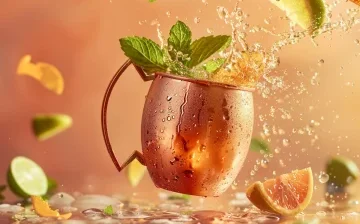
- Mojito: A refreshing blend of mint, lime, sugar, soda, and light rum.
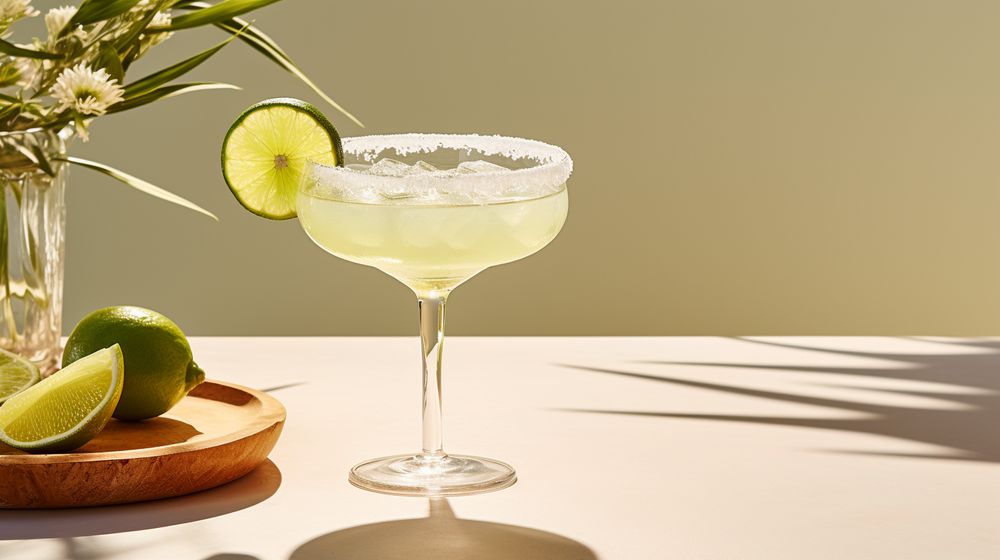
- Daiquiri: A simple, sublime combination of light rum, lime juice, and sugar.
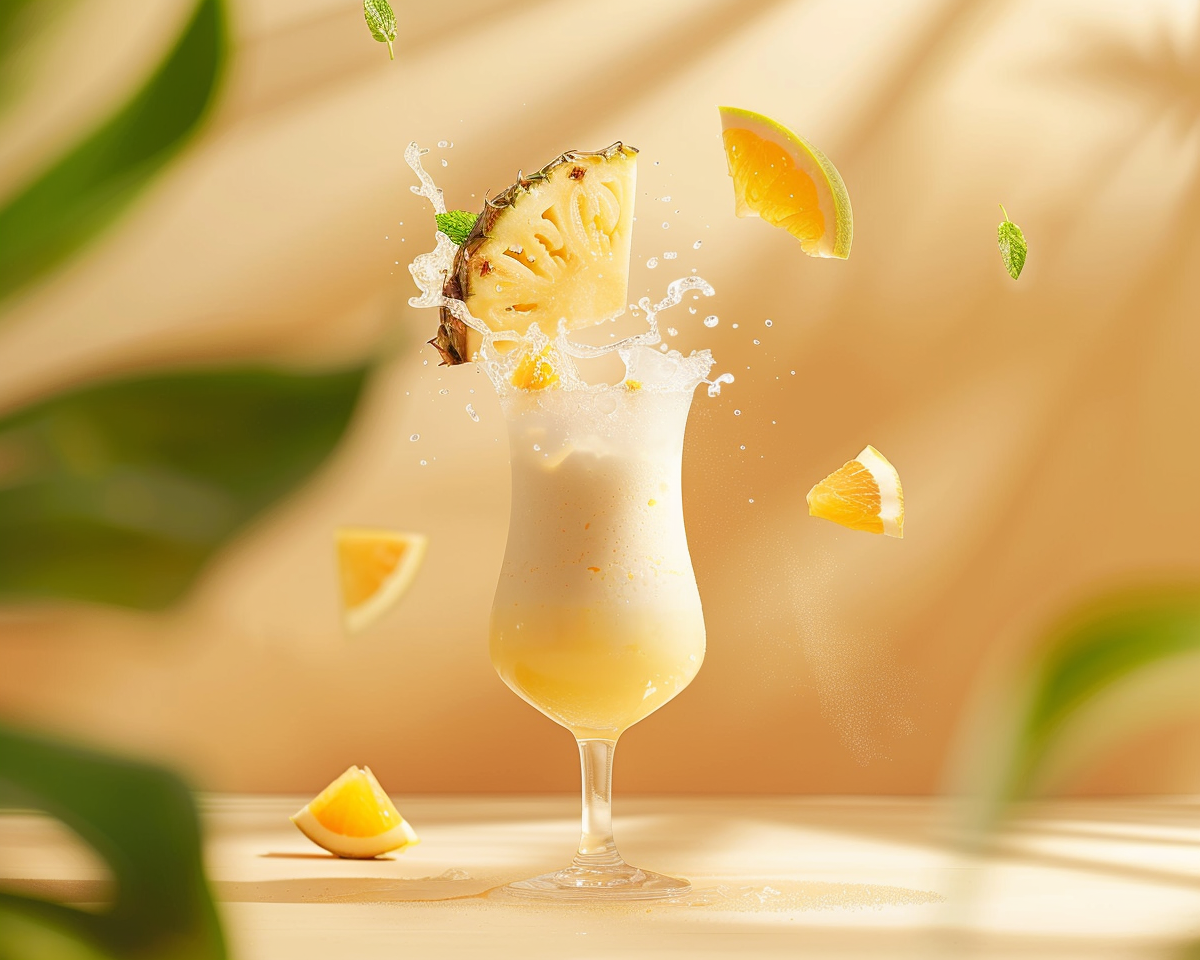
- Piña Colada: Light rum mixed with pineapple juice and coconut cream creates this tropical delight.
Dark Rum: Depth in Every Drop
Dark rum, with its rich and layered flavors, adds depth and complexity to cocktails, making them memorable:
- Dark ‘N’ Stormy: Dark rum’s intensity is balanced with spicy ginger beer.
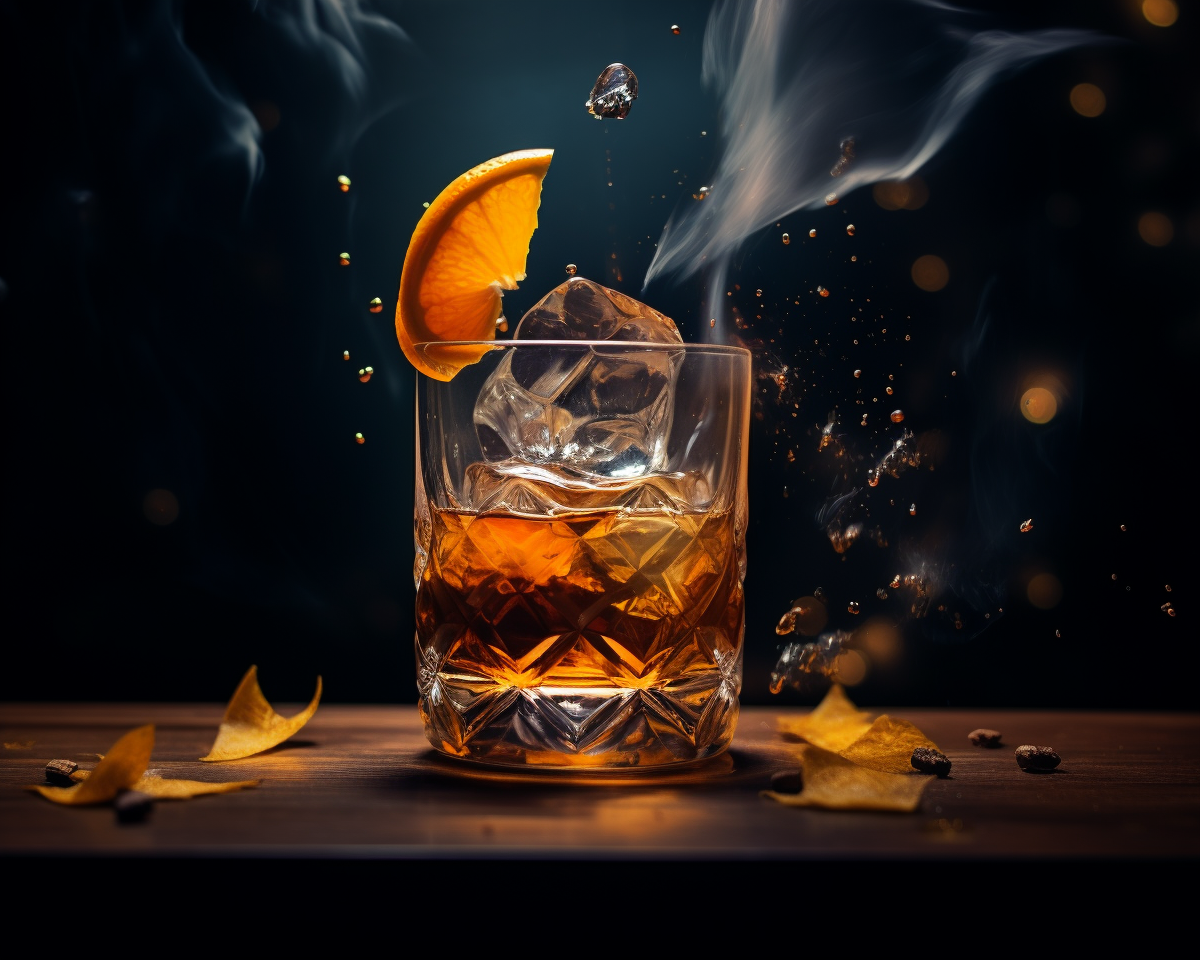
- Rum Old Fashioned: A twist on the classic with dark rum, sugar, and bitters.
- Mai Tai: Dark rum combined with light rum, lime, and tropical liqueurs.
In a Glass: A Tale of Two Rums
While light rum often plays the lead in refreshing, fruit-forward cocktails, dark rum stars in drinks that have depth and warmth.
Yet, they can also swap roles or even partner up, proving that in the world of cocktails, rum’s versatility is unmatched.
Rum on the Plate: A Culinary Adventure
Beyond the glass, rum finds its way to our plates, complementing a range of flavors and dishes.
But what foods pair best with light and dark rums?
Light Rum: A Gentle Culinary Embrace
Given its subtle flavor profile, light rum pairs beautifully with:
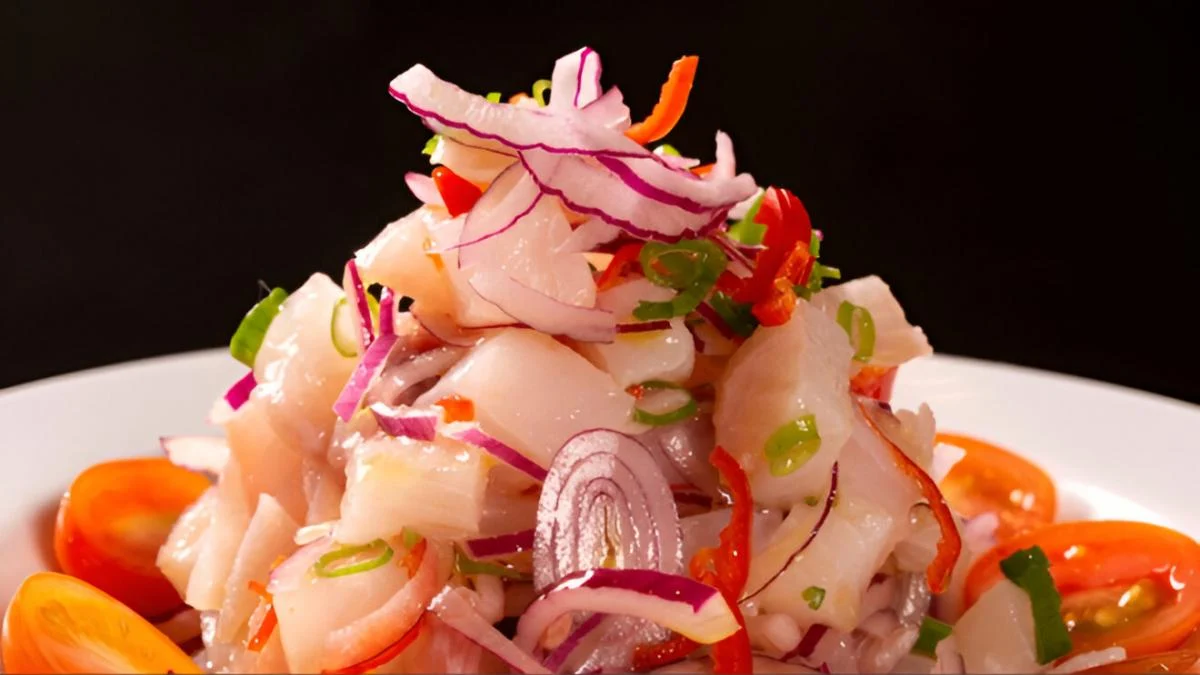
- Seafood: Think rum-glazed grilled shrimp or scallops.
- Tropical Fruits: Mango, pineapple, and papaya salads drizzled with a light rum dressing.
- Desserts: Coconut and lime sorbet with a hint of light rum.
Dark Rum: A Bold Culinary Statement
Dark rum, with its intense flavor profile, stands out in:
- Grilled Meats: Rum-marinated BBQ ribs or steak.
- Rich Desserts: Rum-infused chocolate fondue or banana foster.
- Spicy Dishes: Caribbean jerk dishes or spicy stews, where dark rum’s sweetness balances out the heat.
Food and Rum: A Match Made in Heaven
Whether you’re spiking your dessert with light rum or marinating your meat in the dark variant, remember that rum can enhance the flavor profile of your dish, taking it from ordinary to extraordinary.
Rum Runnings: Global Tastes and Tales
Rum, in all its shades, enjoys popularity worldwide.
But which hue shines brighter? And why?
A Global Glimpse: Light vs. Dark Rum
In the Caribbean, where rum finds its roots, both variants enjoy popularity, with specific islands favoring one over the other based on their histories and production techniques.
For instance:
- Cuba and Puerto Rico: Known for their light rums, perfect for iconic cocktails.
- Jamaica & Barbados: Dark rum holds a special place, with its deep flavors reflecting the island’s spirit.
Factors Fueling Preferences
- Cocktail Culture: In regions with a booming cocktail scene, light rum might be favored for its versatility.
- Local Cuisine: In places with rich, spicy foods, dark rum might be the choice for its complementary depth.
- Cultural Influences: Traditions, festivals, and local customs can influence rum preferences.
The Rum Verdict: It’s All Personal
While regions and cultures might have their favorites, rum’s beauty lies in its versatility.
Whether you’re a light rum enthusiast or a dark rum aficionado, the world of rum welcomes all with open arms and a glass ready to be filled.
The Rum Spectrum: A World of Flavors Waiting to Be Explored
Imagine a painter’s palette filled with colors, each distinct yet flowing seamlessly into the next.
Now, visualize that in the world of rum, where light and dark shades offer a canvas of flavors, beckoning connoisseurs and novices alike to paint their own experiences.
Rum’s Versatility: More Than Just a Drink
While rum’s legacy predominantly lies in legendary cocktails and sipping experiences, its adaptability extends much further.
Light Rum’s Adaptability
Light rum, with its subtle nuances, effortlessly:
- Mixes into refreshing cocktails, adding a gentle kick without being overpowering.
- Enhances culinary delights, from seafood to sorbets, with its delicate touch.
- Serves as a delightful base for infusions, be they fruity, spicy, or herbal.
Dark Rum’s Depth
Dark rum, on the other hand:
- Elevates sipping experiences, with its layered complexities best enjoyed neat or on the rocks.
- Dominates rich desserts and spicy cuisines, complementing and contrasting flavors.
- Stands as a focal ingredient in warm beverages, offering comfort in every sip.
Personal Preference: The Heart of the Rum Experience
The adage “Different strokes for different folks” couldn’t be truer in the realm of rum.
Some may find solace in the delicate embrace of light rum, while others might seek the robust warmth of dark rum.
And then there are those adventurous souls who dance between the two, savoring the spectrum.
The Invitation: Experiment, Explore, and Enjoy
It’s easy to stick with what you know, but the magic happens when you step out of your comfort zone. Whether you’re at a bar, a store, or traveling, be curious.
Sample that unfamiliar rum brand.
Try a new cocktail.
Pair rum with a dish you hadn’t considered before. Dive deep into the world of rum and let your palate guide you.
Your Rum Journey Awaits
At the end of the day, whether you gravitate towards light or dark rum, it’s about the joy of discovery.
The world of rum is vast, varied, and vibrant.
So, here’s to exploration, to finding your flavor, and to celebrating the spirit of rum in all its glory.
Rum Revelations: Light vs. Dark Production
Rum, a beloved spirit with a rich history, has various types, with light and dark being the most prominent.
But what sets them apart in terms of production? Let’s unravel the mystery with some frequently asked questions.
What are the basic ingredients used in rum production?
Both light and dark rums start with the same basic ingredients: sugarcane juice or molasses.
The choice of ingredient can influence the flavor profile, with sugarcane juice giving a fresher taste and molasses imparting a deeper, richer flavor.
How does the fermentation process differ between light and dark rum?
The fermentation process for both types of rum is similar. However, the duration might vary.
Light rums typically undergo a shorter fermentation, resulting in a milder flavor. In contrast, dark rums might be fermented longer, leading to a more robust taste.
Does the distillation method influence the rum’s color?
Absolutely! Light rums are often distilled multiple times, making them clearer and smoother.
Dark rums, on the other hand, might be distilled fewer times, retaining more impurities and flavors, which contribute to their darker hue and richer taste.
How does aging impact the difference between light and dark rum?
Aging plays a pivotal role.
Light rums might be aged for a shorter period or not aged at all, preserving their clear color.
Dark rums are aged in charred oak barrels for extended periods, which imparts the dark color and complex flavors.
The longer the aging, the darker and more flavorful the rum.
Can additives influence the color and flavor of rum?
Yes, indeed! Some dark rums might have caramel or other additives to enhance their color and flavor.
It’s essential to read the label to understand what’s inside your bottle.
Is there a difference in the serving method for light and dark rum?
While both rums can be enjoyed neat, on the rocks, or in cocktails, light rum is often preferred in refreshing cocktails like mojitos, while dark rum shines in drinks like the Dark ‘n’ Stormy or when sipped straight.
How do geographical regions influence the production of light and dark rum?
Different regions have their own unique methods and traditions when it comes to rum production.
For instance, rums from the Caribbean, especially from places like Jamaica or Barbados, often have a distinct, robust flavor due to their traditional potstill methods.
These regions might produce darker rums with a pronounced taste.
On the other hand, regions like Puerto Rico or the Virgin Islands might lean towards column still distillation, resulting in lighter, smoother rums.
The local climate, sugarcane variety, and water source also play a role in the final product.
What role do yeast strains play in the flavor profiles of light and dark rum?
Yeast is a crucial player in the fermentation process, converting sugars into alcohol.
Different yeast strains can produce varied flavor compounds.
Light rums might use specific yeast strains that yield a cleaner, more neutral profile.
In contrast, dark rums might employ wild or indigenous yeasts, which introduce a broader range of flavors and aromas, adding to the rum’s complexity.
Are there any specific regulations governing the production of light and dark rum?
Yes, depending on the region, there might be regulations in place.
For instance, some regions might dictate the minimum aging period for a rum to be classified as ‘dark’.
Others might have guidelines on additives or the type of barrels used for aging.
It’s always a good idea to be aware of these regulations, as they ensure the quality and authenticity of the rum you’re enjoying.