Negroni vs Piña Colada: A Taste Profile Battle
Basic Tastes
- Negroni: Balancing bitterness with a hint of sweetness, a touch of sourness from the citrus garnish, and a subtle umami undercurrent. Notably, no saltiness or spiciness.
- Piña Colada: Dominantly sweet and slightly sour from the pineapple, with a creamy, coconut richness. No noted bitterness, umami, saltiness, or spiciness.
Other Taste Profile Factors
| Negroni | Piña Colada |
|---|---|
| Aromatic, with a strong aftertaste and smooth texture. Served chilled, this cocktail offers a complex mouthfeel. | Fruity aroma, a smooth and creamy texture, and a lingering sweet aftertaste. Served cold, it’s a simple yet satisfying cocktail experience. |
Considerations
Negroni: A cocktail that masters balance and harmony, with a complex flavor profile, intense bitterness, and a surprising contrast between bitter and sweet.
Piña Colada: A harmonious blend of sweet and sour, with a relatively simple flavor profile. Intensity comes from the sweetness, with the contrast lying in the balance between creamy and fruity.
💡 While both cocktails offer a unique taste experience, the Negroni provides a more complex flavor journey for those seeking depth and contrast in their drink, whereas the Piña Colada offers a simpler, harmonious blend perfect for those who love a creamy sweet cocktail.
Negroni vs Piña Colada: A Dive into Barware and Glassware
Mixing & Preparation
- A Cocktail Shaker is key in the preparation of a Piña Colada, while a Mixing Glass is used for the Negroni.
- The Bar Spoon is utilized in both cocktails for stirring.
- The Negroni requires a Fine Mesh Strainer, whereas the Piña Colada takes advantage of an Ice Crusher.
Serving & Presentation
- The Negroni is traditionally served in a Lowball Glass, while the Piña Colada shines in a Highball Glass.
- Coasters and a Glass Rimmer are common with both cocktails, but the Piña Colada often comes with a vibrant Garnish Tray.
Storage & Organization
Both cocktails require an Ice Bucket & Tongs and a Bottle Opener & Corkscrew for their preparation. The Negroni benefits from Speed Pourers for a controlled pour of its alcoholic components, while the Piña Colada would be incomplete without Liquor Pour Spouts to accurately dispense its rum.
Garnishing & Fine Detailing
- The Negroni gets its finishing touch with a Peeler & Zester to create its classic orange peel garnish.
- The Piña Colada relies on a Cutting Board & Knife and a Citrus Juicer for its pineapple and lime components.
Preservation & Enhancement
While the Negroni doesn’t require any specific enhancement tools, the Piña Colada sometimes involves a Wine Aerator for any wine-based variations.
💡 The Piña Colada utilizes a wider range of barware and glassware for its preparation and presentation, making it a more complex but visually stunning cocktail compared to the simpler, yet equally delicious Negroni.
Negroni vs Piña Colada: Gauging Cocktail Versatility
Occasion Pairing
- Negroni: A classic Italian cocktail, the Negroni’s bitter yet balanced flavor makes it a perfect choice for refined events like Corporate Parties, Art Galas, and Award Ceremonies. Its sophisticated charm also shines on occasions like Date Night or a sophisticated Game Night.
- Piña Colada: The Piña Colada, with its tropical notes, is a favorite at Beach Days, Birthday Parties, and Music Festivals. It’s also a hit for a Girls’ Night Out, Barbecues, and Themed Parties, where its festive spirit uplifts the mood.
Seasonal Pairing
- Negroni: The Negroni, with its robust and complex flavors, is a drink for all seasons. However, it tends to be most appreciated in Autumn and Winter, when its warmth can be fully savored.
- Piña Colada: The Piña Colada, with its refreshing blend of pineapple, coconut, and rum, is a quintessential Summer cocktail. It can also bring a touch of tropical warmth to a Spring brunch or gathering.
Event Matchmaking
| Negroni | Piña Colada |
|---|---|
| Anniversaries | Beach Day |
| Farewell Parties | Themed Parties |
| Product Launches | Housewarming |
| Retirement Parties | Welcome Home Parties |
💡 While both cocktails have their unique appeal, the Negroni tends to be favored for more sophisticated, formal occasions and the colder months, whereas the Piña Colada shines in more casual, festive events and warmer seasons. Consider your event’s vibe and season before making a choice.
Negroni vs Piña Colada: Ingredient Accessibility
Gathering Ingredients for a Negroni
- Gin – Commonly available in most liquor stores.
- Campari – A popular Italian aperitif, easily found in well-stocked liquor stores.
- Red Vermouth – Typically available in most liquor stores.
- Orange Peel – Can be found in any local grocery store.
Overall, securing the ingredients for a Negroni poses a relatively easy task, as these are usually standard in many liquor stores and supermarkets.
Assembling a Piña Colada
- Rum – Commonly available in most liquor stores.
- Cream of Coconut – A specialty item, may be found in larger grocery stores or online.
- Pineapple Juice – Easily available in any grocery store.
- Fresh Pineapple and Maraschino Cherry (for garnish) – Available in most grocery stores, seasonal availability may vary.
The ingredients for a Piña Colada, while not rare, may require a trip to a larger grocery store or an online order for the Cream of Coconut.
| Negroni | Piña Colada |
|---|---|
| Easy to find ingredients | May need to source Cream of Coconut |
💡 While both cocktails have fairly accessible ingredients, the Negroni may be slightly easier to assemble due to the ubiquity of its components. The Piña Colada, on the other hand, may require a bit more effort to gather all items, particularly the Cream of Coconut.
Negroni vs Piña Colada: A Comparative Journey Through Cocktail Variations
The Classic Negroni
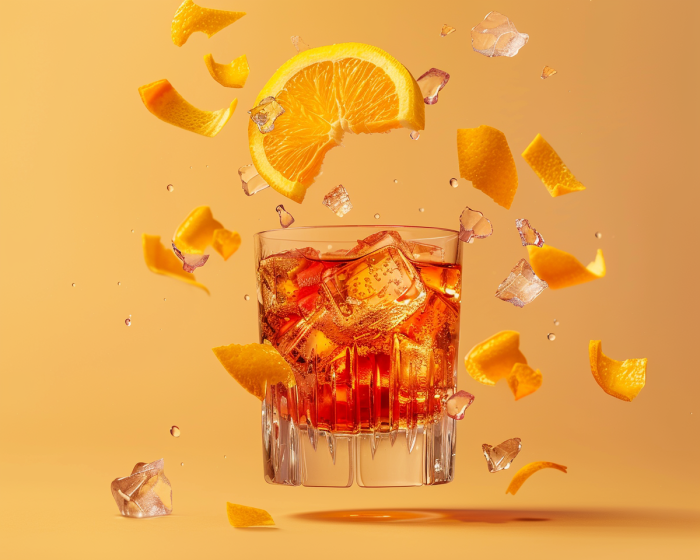
Originating from Italy, the Negroni is a popular aperitif, characterized by its bitter flavor. The traditional recipe calls for equal parts of gin, Campari, and sweet vermouth, garnished with an orange peel.
Variations of Negroni
- Old Pal: This variation replaces gin with rye whiskey and sweet vermouth with dry vermouth, maintaining the Campari for its signature bitterness.
- White Negroni: For a lighter, more floral taste, the White Negroni swaps out Campari for gentian liqueur and uses Lillet Blanc in place of vermouth.
The Iconic Piña Colada
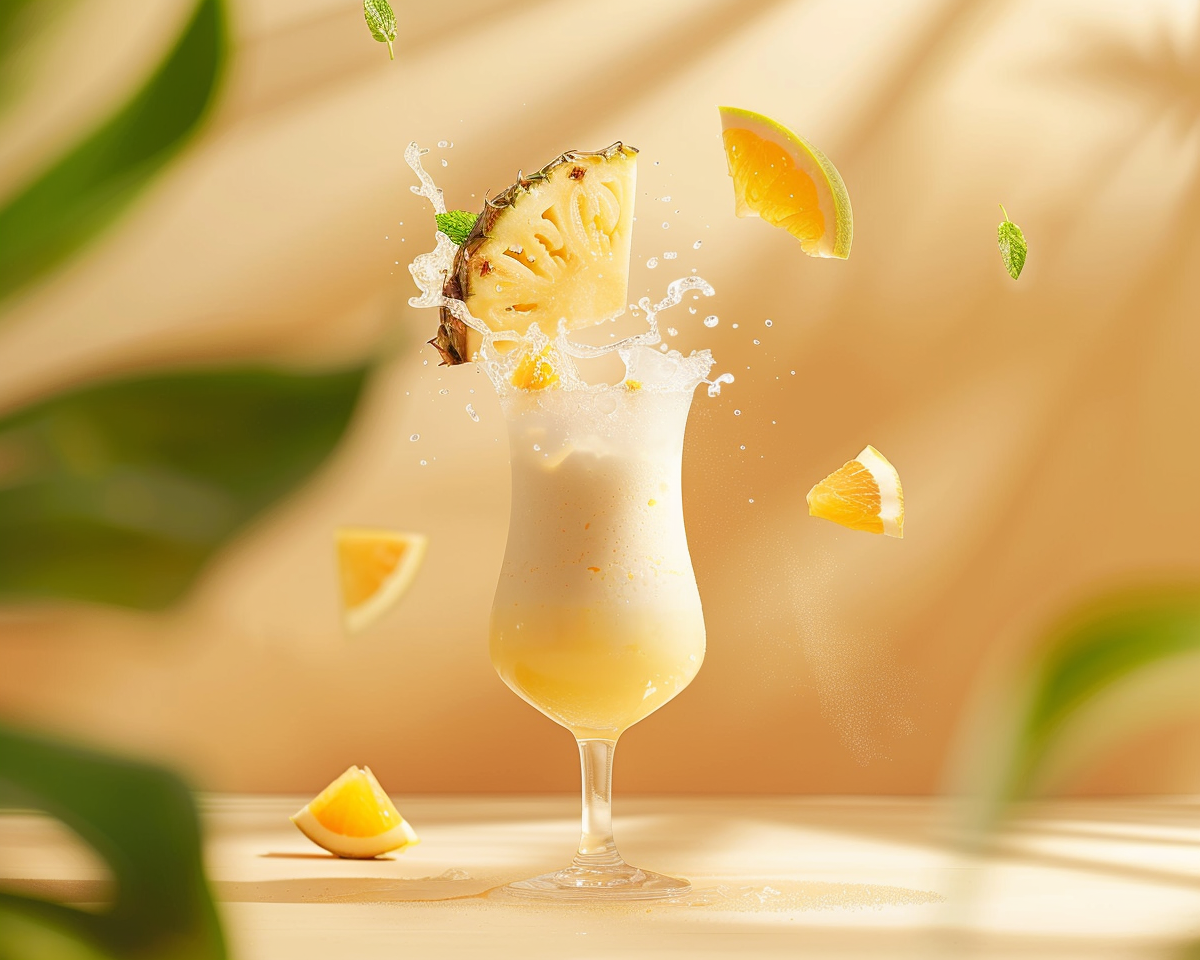
The Piña Colada hails from Puerto Rico and is a sweet, tropical cocktail. The classic recipe involves rum, coconut cream, and pineapple juice, served chilled with a pineapple wedge and maraschino cherry.
Variations of Piña Colada
- Virgin Piña Colada: This non-alcoholic version offers the same tropical flavors without the rum. Perfect for those seeking a refreshing, booze-free cocktail.
- Blue Hawaiian: A visually striking twist on the Piña Colada, the Blue Hawaiian adds a splash of blue curaçao to the mix, resulting in a vibrant, azure-colored beverage.
💡 While both cocktails have a rich history and distinct flavor profiles, the primary difference lies in their appeal. Negroni, with its bitter notes, tends to attract a more mature palette, while the Piña Colada, with its sweet, tropical flavors, is often a hit among those new to the cocktail scene.
Negroni vs Piña Colada: A Cost Analysis
Cheap Options
For the budget-conscious cocktail enthusiast, both Negroni and Piña Colada can be made with affordable ingredients.Negroni: Gin, Campari, Sweet Vermouth
Piña Colada: White Rum, Pineapple Juice, Coconut Cream
Mid-range Options
Stepping up in cost, we find more flavor complexity with these mid-range options.Negroni: Tanqueray Gin, Campari, Carpano Antica Vermouth
Piña Colada: Bacardi Superior Rum, Fresh Pineapple Juice, Coco Lopez Cream of Coconut
Premium Options
For the ultimate indulgence, these premium options deliver the most luxurious versions of these classic cocktails.Negroni: Hendrick’s Gin, Campari, Cocchi Vermouth di Torino
Piña Colada: Havana Club 3 Year Old Rum, Freshly Squeezed Pineapple Juice, Coco Real Cream of Coconut
💡 Despite the common perception, a premium Negroni cocktail is generally more expensive to make than a premium Piña Colada. The higher cost of premium gin and vermouth compared to rum and fresh ingredients, tips the scale in favor of Piña Colada for being more cost-effective.
Prep & Mix Time: Negroni vs Piña Colada
Preparation Time
- Negroni: 5 minutes
- Piña Colada: 10 minutes
Mixing Time
Negroni takes 2 minutes, while Piña Colada takes approximately 3 minutes to mix and blend to the desired consistency.
Complexity of Preparation
| Negroni | Piña Colada |
|---|---|
| Easy | Medium |
Ingredient Preparation
While Negroni requires some simple mixing of gin, Campari, and vermouth, Piña Colada requires a bit more prep work with pineapple juice, cream of coconut, and rum.
Mixing Techniques
- Negroni: Stirred
- Piña Colada: Blended
Presentation, Setup, and Cleanup
Negroni is served in a lowball glass with an orange peel garnish while Piña Colada is presented in a hurricane glass, garnished with a pineapple slice and a cherry. Setup and cleanup for both cocktails are relatively easy with the Piña Colada requiring a bit more attention due to the blender use.
Waiting Time
Neither cocktail requires a significant waiting time, you can enjoy them almost immediately after preparation.
Expert Tips
For the Negroni, experts recommend using a high-quality gin. For the Piña Colada, ensure your pineapple juice is fresh for the best taste.
💡 While both cocktails are refreshing, the Negroni is quicker to prepare and requires less complex ingredients, making it a better choice for beginners or those in a hurry. The Piña Colada, though more time-consuming, offers a tropical taste experience that is worth the extra effort.
Mixology Hacks for the Perfect Blend: Negroni vs Piña Colada
Muddling Right
In a Negroni, muddling is unnecessary. However, for Piña Colada, muddling fresh pineapples releases their tropical sweetness.Ice Matters
Negroni requires large ice cubes that melt slowly, preserving the bitter-sweet balance. Piña Colada, on the other hand, calls for crushed ice for a more slushy texture.Shake vs Stir
Negroni is stirred to maintain its clarity, while Piña Colada is shaken to create a frothy top layer.Balancing Act
Negroni’s balance lies in the equal parts of gin, vermouth, and Campari. Piña Colada finds its harmony in the blend of rum, coconut cream, and pineapple juice.Herb Infusion
While Negroni does not traditionally use herb infusion, a sprig of mint can elevate Piña Colada’s tropical vibe.Aromatic Bitters
Aromatic bitters enhance Negroni’s complexity but are not typically used in Piña Colada.Smoke Effects
Neither cocktail typically employs smoke effects, but a smoked Negroni can add a sophisticated twist.Double Straining
Double straining isn’t necessary for a Negroni, but it ensures a smoother Piña Colada by removing pineapple pulp.Perfect Presentation
Negroni shines in a classic lowball glass, garnished with an orange peel. Piña Colada demands a tall, curvy glass with a pineapple wedge and cherry garnish.Glassware
Negroni is best served in a rocks glass, while Piña Colada looks stunning in a hurricane glass.Garnish Game
A simple orange peel suffices for Negroni, but Piña Colada can be garnished with anything from a pineapple leaf to a maraschino cherry.Temperature
Negroni is served chilled with ice, whereas a Piña Colada is best enjoyed ice-cold.Crafting Signature Cocktails at Home
Both cocktails are easy to master at home with the right ingredients and techniques.Mixology Techniques for Beginners
Start with stirring a Negroni and progress to shaking a Piña Colada for a beginner-friendly mixology journey.How to Balance Flavors in a Cocktail
Balance Negroni’s bitterness with sweet vermouth. For Piña Colada, tune the sweet-tangy balance with the right amount of pineapple juice.Clarified Cocktails
While a clarified Negroni is a new trend, a traditional Piña Colada embraces its creamy, frothy nature.Dehydrated Garnish
A dehydrated orange slice can add an intriguing spin to Negroni. Piña Colada can be topped with dehydrated pineapple for an added crunch.Freeze & Squeeze
Freeze & squeeze isn’t typically employed in making these cocktails.💡 The choice between a Negroni and a Piña Colada often lies in personal preference for bitter or sweet, clear or creamy, simple or tropical. Mastering the art of both cocktails allows you to cater to a variety of taste preferences.
Negroni vs Piña Colada: A Battle of Alcohol Content
Negroni
Steeped in Italian tradition, a classic Negroni cocktail has a robust alcohol content. It’s a blend of three different spirits: gin, vermouth rosso, and Campari. Each component contributes to an average ABV (Alcohol By Volume) of 24%.
Piña Colada
On the other side of the spectrum, the tropical Piña Colada hails from sunny Puerto Rico. This creamy delight is for those who prefer a lower alcohol content. Made with rum, coconut cream, and pineapple juice, it has a typical ABV of 13%.
Alcohol-Free Alternatives
Negroni Mocktail
For those who prefer a non-alcoholic version, a mocktail Negroni can hit the spot. This version uses a blend of non-alcoholic gin, sweet vermouth, and a splash of orange juice to replicate the bitter-sweet balance of a traditional Negroni.
Piña Colada Mocktail
The Piña Colada’s alcohol-free counterpart retains the tropical appeal of the original. It’s a blend of pineapple juice, coconut cream, and a splash of lime juice. This refreshing beverage offers a similar taste profile without the alcohol.
💡 Though the Negroni and Piña Colada have significantly different alcohol contents, their non-alcoholic versions offer nearly identical flavor profiles. This shows that enjoyment of these cocktails goes beyond the alcohol, extending to their unique blend of flavors.
Negroni vs Piña Colada: A Nutritional Comparison
Caloric Intake
- Negroni: Approximately 200 calories
- Piña Colada: Approximately 500 calories
Spirits and Mixers
Negroni is a gin-based cocktail mixed with vermouth and Campari. Piña Colada, on the other hand, is a rum-based cocktail mixed with coconut cream and pineapple juice.
Sugar Content and Simple Syrups
| Negroni | Piña Colada |
|---|---|
| Approximately 2g of sugar | Approximately 16g of sugar |
Carbohydrates and Proteins
- Negroni: Approximately 6g of carbohydrates, 0g of protein
- Piña Colada: Approximately 35g of carbohydrates, 1g of protein
Vitamins and Minerals
While both cocktails contain small amounts of vitamins and minerals, the Piña Colada, due to its pineapple juice content, provides higher levels of Vitamin C.
Allergens, Gluten, and Other Factors
- Negroni: Gluten-free, nut-free
- Piña Colada: Gluten-free, may contain traces of nuts in some versions
Low-Calorie and Sugar-Free Options
Both cocktails can be adapted to lower calorie and sugar-free versions by substituting ingredients, such as using diet pineapple juice in a Piña Colada or sugar-free vermouth in a Negroni.
💡 While the Piña Colada may offer a greater variety of nutritional elements, due to its higher caloric, carbohydrate, and sugar content, the Negroni might be a better choice for those looking for a healthier cocktail option.
Unveiling the High-Quality Facts: Negroni vs Piña Colada
Origin Stories
- Negroni: Hailing from Florence, Italy, the Negroni is rumored to have been invented in the early 20th century when Count Camillo Negroni requested his favorite cocktail, the Americano, be made stronger with a splash of gin.
- Piña Colada: The Piña Colada, on the other hand, is the national drink of Puerto Rico and was purportedly created in the 1950s by a bartender aiming to capture all the flavors of the island in a single glass.
Key Ingredients
| Negroni | Piña Colada |
|---|---|
| Gin, Campari, and Sweet Vermouth | White Rum, Cream of Coconut, and Pineapple Juice |
Taste Profiles
While the Negroni offers a balanced blend of bitter and sweet, the Piña Colada delivers a creamy and tropical taste, transporting you straight to the beach with every sip.
Drink Pairings
- Negroni: Due to its bitter-sweet taste, it pairs well with rich, meaty dishes like steak or roast pork.
- Piña Colada: With its sweet and creamy flavor, this cocktail complements spicy foods, such as Caribbean jerk chicken or Thai curry.
💡 Unique Insight: While both cocktails have a storied past, the Negroni is a cocktail purist’s delight as it’s stirred, not shaken, to attain the perfect blend. The Piña Colada, though, with its tropical flavors and creamy texture, is a hit among those who prefer a sweeter, dessert-like drink.
Expert Insight: Negroni vs Piña Colada
What are the main ingredients of a Negroni and a Piña Colada?
A Negroni is a classic Italian cocktail made with equal parts gin, Campari, and sweet vermouth. On the other hand, a Piña Colada, hailing from Puerto Rico, blends rum, cream of coconut, and pineapple juice for a tropical treat.
How do you prepare these cocktails?
For a Negroni, you simply stir the ingredients over ice and strain into a chilled glass, garnished with an orange peel. A Piña Colada requires a blender, where you blend the ingredients with crushed ice until smooth, serving it in a hurricane glass with a pineapple slice and maraschino cherry.
What brands of alcohol are recommended for these cocktails?
For a Negroni, try brands like Beefeater Gin, Campari, and Martini Rosso Vermouth. For a Piña Colada, use a high-quality white rum such as Bacardi or Havana Club.
What kind of barware and glassware are needed?
You’ll need a mixing glass and a strainer for a Negroni, served in an old-fashioned glass. For a Piña Colada, you’ll need a blender and a hurricane or highball glass.
What food pairings go well with these cocktails?
Pair a Negroni with strong flavors like blue cheese or charcuterie. A Piña Colada goes well with tropical dishes like grilled shrimp or pineapple chicken.
How are these cocktails visually presented?
A Negroni is often served in a lowball glass with an orange peel garnish, exuding simplicity and class. A Piña Colada, on the other hand, is a more flamboyant drink, served with a pineapple slice, cherry, and often an umbrella for that beachy feel.
What are the nutritional information and alcohol content of these cocktails?
A Negroni has around 150 calories and an alcohol content of about 24% ABV. A Piña Colada, due to its creamy and fruity ingredients, has more calories, around 300, and a slightly lower alcohol content, about 13% ABV.
What are the costs of making these cocktails?
A Negroni is generally less expensive to make, given its three simple ingredients. A Piña Colada may cost a bit more due to the need for fresh pineapple juice and cream of coconut.
Unique Insight: Despite their differences, both Negroni and Piña Colada have a rich cultural history that adds to their allure. Whether you prefer the bitter sophistication of a Negroni or the tropical sweetness of a Piña Colada, each provides a unique, immersive experience into the world of mixology.