Margarita vs Negroni: A Dive Into Taste Profiles
Basic Taste Profiles
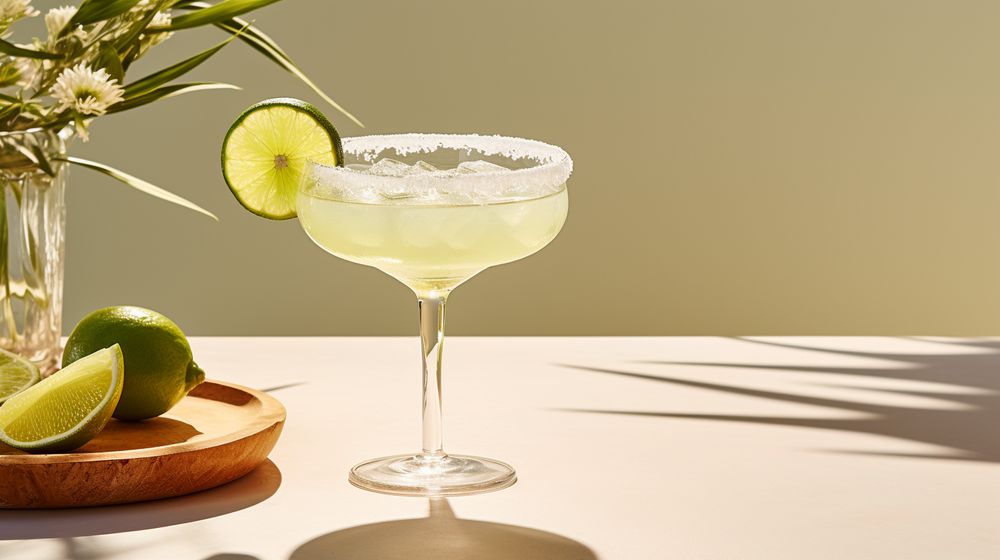
Both Margarita and Negroni cocktails offer a rich panorama of flavors. The Margarita, a Mexican classic, delivers a perfect blend of sweetness and sourness with tequila, triple sec, and lime juice. A hint of saltiness comes from the signature salt-rimmed glass.
On the other hand, the Italian Negroni contrasts with its strong bitterness from Campari, balanced by sweet vermouth and gin’s botanicals. There’s a fascinating interplay between sweet and bitter, with no sour or umami involved.
Other Taste Profile Factors
The Margarita’s citrus aroma and icy texture make it a refreshing choice, while the Negroni, served over ice, has a smooth, velvety mouthfeel with a lingering bitter aftertaste.
Considerations in Balance and Complexity
While the Margarita is all about balance and harmony between its three main components, the Negroni is more about contrast and complexity, with its bitter and sweet elements creating an intense flavor profile.
Intensity and Contrast
The Margarita’s flavors are upfront and intense, while the Negroni’s bitterness builds gradually, offering a more contrasting experience.
| Margarita | Negroni |
|---|---|
| Sweet, sour, salty | Bitter, sweet |
| Refreshing citrus aroma | Smooth, velvety mouthfeel |
| Balance and harmony | Contrast and complexity |
💡 Despite their contrasting taste profiles, both cocktails share a common trait: they’re both served cold, making them excellent choices for warm weather or as a palate cleanser before a meal.
Margarita vs Negroni: Barware and Glassware Essentials
Mixing & Preparation
- Margarita: Cocktail Shaker, Ice Crusher, Jigger
- Negroni: Mixing Glass, Bar Spoon, Jigger
Serving & Presentation
- Margarita: Highball Glass, Glass Rimmer, Garnish Tray
- Negroni: Lowball Glass, Coasters
Storage & Organization
- Margarita & Negroni: Ice Bucket & Tongs, Bottle Opener & Corkscrew, Speed Pourers, Liquor Pour Spouts, Bar Roll or Tool Bag
Garnishing & Fine Detailing
- Margarita: Cutting Board & Knife, Citrus Juicer, Salt for Rimming
- Negroni: Peeler & Zester, Orange for Garnish
Preservation & Enhancement
Both Margarita and Negroni require a Wine Preserver to maintain the freshness of their wine components. Negroni also benefits from a Decanter for its vermouth component.
💡 While both cocktails require an array of barware and glassware, the Margarita leans more towards tools that cater to its refreshing citrus profile, such as a citrus juicer and a glass rimmer for salt. On the other hand, the Negroni requires tools like a peeler and zester for its characteristic orange garnish and a decanter for its vermouth component.
Margarita vs Negroni: Exploring Cocktail Versatility
Occasions that Pair Best
- Margarita: Perfect for a Beach Day or a fun Girls’ Night Out. This refreshing cocktail also shines at Barbecues and Fourth of July celebrations.
- Negroni: Ideal for Corporate Parties and sophisticated Date Nights. It also lends a classy touch to Product Launches and Anniversaries.
Best Season for Each Cocktail
| Margarita | Negroni |
|---|---|
| Summer | Autumn |
Preferred Events
Margarita stands out at Sporting Events and Music Festivals, while Negroni is a star at Art Galas and Award Ceremonies.
💡 A Although Margarita and Negroni pair well with different occasions, seasons, and events, both cocktails share a common trait. Their versatility comes from their perfect balance of flavors – the sweet and sour of the Margarita complements summer vibes, while the bitter and sweet mix of Negroni fits the cozy autumn setting.
Margarita vs Negroni: Ingredient Accessibility
Margarita Ingredients
The Margarita cocktail requires three main ingredients: tequila, lime juice, and triple sec. These are common and can be found easily in most liquor stores or supermarkets.
- Tequila: Widely available in various brands and price ranges.
- Lime Juice: Can be freshly squeezed or bought pre-packaged.
- Triple Sec: A type of orange-flavored liqueur, commonly available.
Negroni Ingredients
The Negroni cocktail, on the other hand, is a mix of gin, vermouth rosso, and Campari. While gin and vermouth are readily available, Campari may be a bit more challenging to find.
- Gin: Available in a plethora of brands and flavors.
- Vermouth Rosso: A style of sweet vermouth, most wine or liquor stores carry it.
- Campari: Specific to Negroni, might be harder to find in small towns or rural areas.
Overall, all ingredients for both cocktails can be found relatively easily in urban areas or online. However, the Margarita has the edge in terms of ingredient accessibility due to the widespread availability of its components.
💡 While the ingredients for a Margarita are typically easier to find, the Negroni offers a unique taste profile that may be worth the extra effort to source its components.
Margarita vs Negroni: A Dive into Cocktail Variations
Refreshing Margarita Variations
- Frozen Margarita: Icy, refreshing, and perfect for hot summer days.
- Strawberry Margarita: A fruity twist on the classic, with fresh strawberries adding a sweet note.
- Spicy Margarita: An adventurous variation with a kick of jalapeno for those who enjoy a bit of heat.
Complex Negroni Variations
- Negroni Sbagliato: A lighter take on the classic, replacing gin with sparkling wine.
- White Negroni: A more delicate version, using Lillet Blanc and Suze for a lighter, brighter taste.
- Oaxaca Negroni: A smoky twist, replacing gin with mezcal for an unexpected depth of flavor.
Whether you prefer the refreshing tang of a Margarita or the complex bitterness of a Negroni, there’s a variation to suit every taste.
| Margarita | Negroni |
|---|---|
| Frozen, Strawberry, Spicy | Sbagliato, White, Oaxaca |
💡 While Margaritas and Negronis have distinct flavor profiles, their respective variations offer a world of taste exploration, from sweet and spicy to smoky and bitter.
Comparing the Cost: Margarita vs Negroni
Margarita: A Splash of Luxury
If there’s one cocktail that can vary dramatically in cost, it’s the Margarita. Depending on your choice of tequila, the price tag can skyrocket. Here’s a breakdown:
| Brand | Cost |
|---|---|
| Jose Cuervo Especial Silver | $14.99 |
| Patron Silver | $48.99 |
| Don Julio 1942 Anejo | $159.99 |
Negroni: Consistency is Key
The Negroni, being a classic Italian cocktail, is much more consistent in terms of cost thanks to its straightforward recipe. Here are some brand options:
| Brand | Cost |
|---|---|
| Gordon’s London Dry Gin | $13.99 |
| Tanqueray London Dry Gin | $27.99 |
| Hendrick’s Gin | $36.99 |
💡 While the Margarita’s cost can vary greatly due to the range of tequila options, the Negroni tends to be more consistent and budget-friendly due to its traditional recipe. However, both can be tailored to suit your taste and budget, making them versatile choices for cocktail enthusiasts and newbies alike.
Margarita vs Negroni: Prep & Mix Time
Total Preparation
Margarita: 5 minutes
Negroni: 5 minutes
Mixing Time
Margarita: 2 minutes
Negroni: 3 minutes
Complexity of Preparation
- Margarita: Easy
- Negroni: Medium
Ingredient Preparation
Margarita: No need for extra prepping, ingredients are readily available.
Negroni: Need to chill the glass before serving.
Mixing Techniques
- Margarita: Shaken
- Negroni: Stirred
Presentation
Margarita: Served in a salt-rimmed glass, garnished with a lime wedge.
Negroni: Served in an old-fashioned glass, garnished with an orange slice.
Set up
- Margarita: Requires a cocktail shaker and strainer
- Negroni: Requires a mixing glass and bar spoon
Cleanup
Margarita: Quick and easy, just rinse the shaker and strainer.
Negroni: Minimal, just rinse the mixing glass and bar spoon.
Waiting Time
- Margarita: Instant serving
- Negroni: 2 minutes to chill
Expert Tips
Margarita: Use fresh lime juice for a vibrant flavor.
Negroni: Use a high-quality vermouth to enhance the cocktail’s complexity.
💡 The Negroni, despite being a bit more complex and time-consuming, offers a unique, mature flavor profile that sets it apart from the easy and quick Margarita.
Mixology Hacks for the Perfect Blend: Margarita vs Negroni
Muddling Right
For a top-notch Margarita, muddle fresh lime in your shaker; for a Negroni, muddle orange peel in the glass. Remember, muddling is about releasing flavors, not pulverising!Ice Matters
Both cocktails require ice, but it’s crucial to note that Margaritas need crushed ice, while Negronis require large ice cubes to slow down dilution.Shake vs Stir
Margaritas need shaking to blend the tequila, lime, and triple sec. On the other hand, Negronis, with their equal parts gin, vermouth, and Campari, are stirred to maintain clarity.Balancing Act
A perfect Margarita requires a balance of sweet, sour, and strong. For the Negroni, find harmony between bitter, sweet, and botanical.Herb Infusion
Though not traditional, adding infused herbs like cilantro to your Margarita or rosemary to your Negroni can elevate the flavor profile.Aromatic Bitters
A couple of dashes of bitters can transform a Negroni. Margaritas, however, typically don’t require bitters.Smoke Effects & Double Straining
Neither typically entails these techniques, but for a twist, try a smoky Mezcal Margarita or double strain your Negroni for a smoother sip.Perfect Presentation & Glassware
Serve your Margarita in a salt-rimmed glass and your Negroni in an old-fashioned glass over ice. Presentation matters!Garnish Game
A lime wheel for Margarita and an orange peel for Negroni, garnishing isn’t just for show—it adds to the aroma and overall cocktail experience.Temperature
Margaritas are best served ice-cold while Negronis should be slightly chilled. Temperature plays a significant role in how these cocktails taste.Crafting Signature Cocktails at Home
Whether it’s a classic Margarita or a Negroni, mastering these mixology hacks can help you craft the perfect cocktail right at home.Mixology Techniques for Beginners
From muddling to the balancing act, understanding these techniques can enhance your cocktail-making skills, whether you’re stirring a Negroni or shaking a Margarita.💡 Using dehydrated garnish not only adds a professional touch to your cocktails but also intensifies flavor. Try a dehydrated lime wheel for your Margarita or a dehydrated orange slice for your Negroni.
Margarita vs Negroni: A Deep Dive into Alcohol Content
The Mighty Margarita
Beloved for its tangy, citrusy flavor, the Margarita cocktail typically clocks in at around 40% ABV (Alcohol By Volume). This is assuming the use of a standard 80-proof tequila, which forms the backbone of this classic cocktail.
The Noble Negroni
The Negroni, a balanced blend of gin, vermouth, and Campari, also usually hovers around the 40% ABV mark, although this can fluctuate depending on the specific brands of spirits used.
Non-Alcoholic Alternatives
For those seeking alcohol-free options, there are a plethora of mocktails that emulate the flavors of these beloved cocktails.
- Margarita Mocktail: This refreshing drink uses fresh lime juice, orange juice, and a splash of soda for fizz. Rim your glass with salt for an authentic Margarita experience.
- Negroni Mocktail: By combining non-alcoholic spirits with a mix of herbal tea and citrus, you can recreate the bitter-sweet allure of a traditional Negroni.
💡 While both the Margarita and Negroni share a similar alcohol content, the key difference lies in their flavor profiles. The Margarita offers a crisp, citrusy punch, while the Negroni brings a more complex blend of bitter and sweet notes.
Margarita vs Negroni: A Nutritional Showdown
Spirits and Mixers
- Margarita: Tequila, lime juice, and triple sec.
- Negroni: Gin, Campari, and sweet vermouth.
Caloric Intake
- Margarita: Approximately 168 calories.
- Negroni: Roughly 186 calories.
Sugar and Carbohydrates
- Margarita: 11g of sugar and 14g of carbohydrates.
- Negroni: 16g of sugar and 17g of carbohydrates.
Allergens
Both drinks are free from common allergens like gluten, nuts, and egg whites.
Vitamins and Minerals
Margaritas, with their citrus content, offer a dose of Vitamin C, while Negronis lack significant vitamins or minerals.
Low-Calorie and Sugar-Free Options
- Margarita: Opt for a “skinny” version to cut calories and sugar.
- Negroni: Hard to reduce sugar due to Campari and vermouth.
Other Factors
While Negronis contain slightly more alcohol, Margaritas’ high sugar content can lead to more pronounced hangovers.
💡 Despite their deliciousness, both Margarita and Negroni pack a punch in terms of calories and sugar. However, if you’re looking for Vitamin C and the option for a lower-calorie and sugar-free variant, the Margarita may be your cocktail of choice.
Unveiling High Quality Facts: Margarita vs Negroni
Cocktail Origins
- Margarita: A classic cocktail with Mexican roots, traditionally made from tequila, lime juice, and orange liqueur.
- Negroni: An Italian treasure, Negroni is a mix of gin, sweet vermouth, and Campari.
Flavour Profile
| Margarita | Balances sweet and sour with a salted rim that enhances the citrusy tang. |
| Negroni | A bitter cocktail with a hint of sweetness and a complex aroma. |
Preparation and Presentation
- Margarita: Shaken, not stirred, and served in a distinctive, broad-rimmed glass
- Negroni: Stirred, and served over ice in an old-fashioned glass
Pairing with Food
Margaritas are a perfect match for spicy and flavorful Mexican dishes, while Negronis pair well with rich, hearty Italian cuisine.
💡 Did you know that while Margaritas are often associated with beach vacations and summer parties, Negronis are considered an aperitif, a pre-dinner drink designed to stimulate the appetite?
Margarita vs Negroni: An In-depth Comparison
Two classic cocktails. Two unique tastes. Whether you’re a cocktail enthusiast or a newbie, understanding the subtle differences between a Margarita and a Negroni can enhance your cocktail experience. Let’s dive into the world of these two iconic beverages.
What are the main ingredients of a Margarita and a Negroni?
A traditional Margarita consists of tequila, lime juice, and Cointreau or Triple Sec. On the other hand, a Negroni is made with equal parts of gin, sweet vermouth, and Campari.
What is the preparation process for each cocktail?
Margaritas are typically shaken with ice and served in a salt-rimmed glass, while Negronis are stirred over ice and strained into a glass, often with an orange peel garnish.
Which alcohol brands are preferred?
For Margaritas, brands like Patron, Jose Cuervo, and Don Julio are popular. For Negronis, brands such as Beefeater, Tanqueray, and Bombay Sapphire are often used.
What barware and glassware are needed?
Margaritas are typically served in a Margarita glass, while Negronis are served in an Old Fashioned glass. A cocktail shaker is needed for the Margarita, and a mixing glass and bar spoon for the Negroni.
What food pairings go well with these drinks?
Margaritas pair well with Mexican cuisine, while Negronis complement Italian dishes, particularly those with a touch of bitterness or spice.
What is the visual presentation of these cocktails?
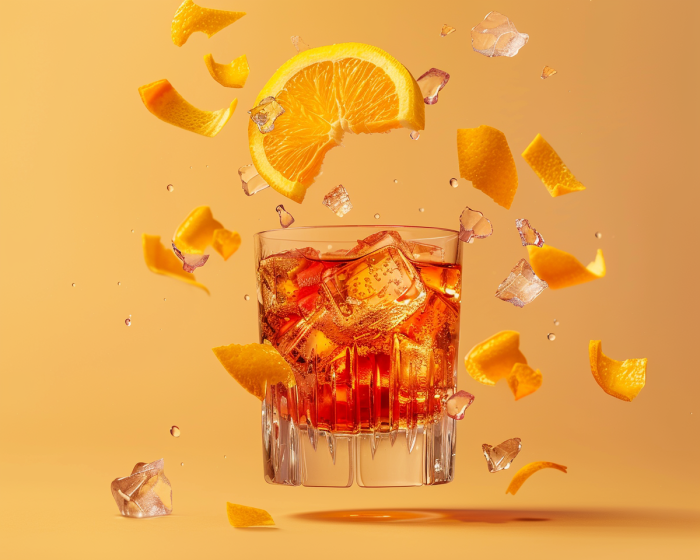
Margaritas are often bright green or yellow, served in a salt-rimmed glass, while Negronis are deep red, served over ice with an orange peel garnish.
What is the nutritional information?
Both cocktails are high in calories due to their alcohol and sugar content. Margaritas typically have around 168 calories, while Negronis have around 186. As for allergens, both drinks are gluten-free, but people with citrus allergies should avoid Margaritas.
How much does it cost to make these cocktails?
The cost can vary depending on the brands used. However, on average, a homemade Margarita might cost around $2-$3, while a Negroni might cost around $3-$4.
What is the alcohol content (ABV) of these cocktails?
Both cocktails are fairly strong. Margaritas usually have an ABV of around 20%, while Negronis have an ABV of approximately 24%.
Unique Insight: Despite their differences, both Margaritas and Negronis share a common trait: balance. The Margarita’s balance comes from the interplay of tequila’s earthiness, lime’s acidity, and the Triple Sec’s sweetness. The Negroni, on the other hand, achieves balance through the harmony of gin’s botanicals, vermouth’s herbal complexity, and Campari’s bitterness.