Portuguese Cocktails: A Unique Blend in Mixology
Portuguese cocktails, with their distinctive flavors and ingredients, play a unique role in mixology, often showcasing the country’s rich wine culture.
Origins of Portuguese Cocktails
Originating from Portugal’s robust wine and spirit production, Portuguese cocktails have evolved over centuries, blending local ingredients with mixology innovations to create unique and flavorful combinations.
Why Portuguese Cocktails are Representative of Culture
- Wine Influence: Portugal’s world-renowned wine regions greatly influence its cocktail creations, with drinks often incorporating Port, Madeira, and Vinho Verde.
- Local Ingredients: From fresh fruits to aromatic herbs, the use of local Portuguese ingredients adds authenticity and a distinct taste profile to these cocktails.
- Celebration of Tradition: Portuguese cocktails are often enjoyed during festivities and special occasions, symbolizing the country’s love for celebration and community.
💡 While cocktails are a global phenomenon, Portuguese cocktails stand out with their unique blend of local spirits, wines, and ingredients, making them an exciting exploration for cocktail enthusiasts and newbies alike.
5 Popular Portuguese Cocktails
-
Caipirão
Caipirão is a Portuguese take on the classic Brazilian cocktail, the Caipirinha. Instead of cachaça, Caipirão uses Licor Beirão, a typical Portuguese liqueur. The drink is traditionally prepared by muddling fresh lime and sugar, and adding a generous pour of Licor Beirão. It’s usually served in a short glass, over crushed ice.
🍸 Pro Tip: Muddle the lime and sugar together to release the lime’s essential oils, adding a zesty kick to your drink.
✨ Taste Profile: Sweet and aromatic with a refreshing citrus tang.
🍴 Snack Pairing: Pair with Pasteis de Bacalhau, a traditional Portuguese codfish cake.
🥃 Glassware tip: Use a rocks glass for the best presentation and taste.
-
Porto Tonico
Porto Tonico is a popular drink in Portugal, especially during the hot summer months. Made by combining white port with tonic water and serving over ice, this cocktail is known for its refreshing and light taste. It’s often garnished with a slice of lemon or a sprig of mint.
🍸 Pro Tip: Use high-quality tonic water for the best flavor combination.
✨ Taste Profile: Light, refreshing, and slightly sweet with a hint of bitterness.
🍴 Snack Pairing: Pair with a bowl of Marinated Olives for a traditional Portuguese snack.
🥃 Glassware tip: A tall glass, like a highball, is perfect for this cocktail.
-
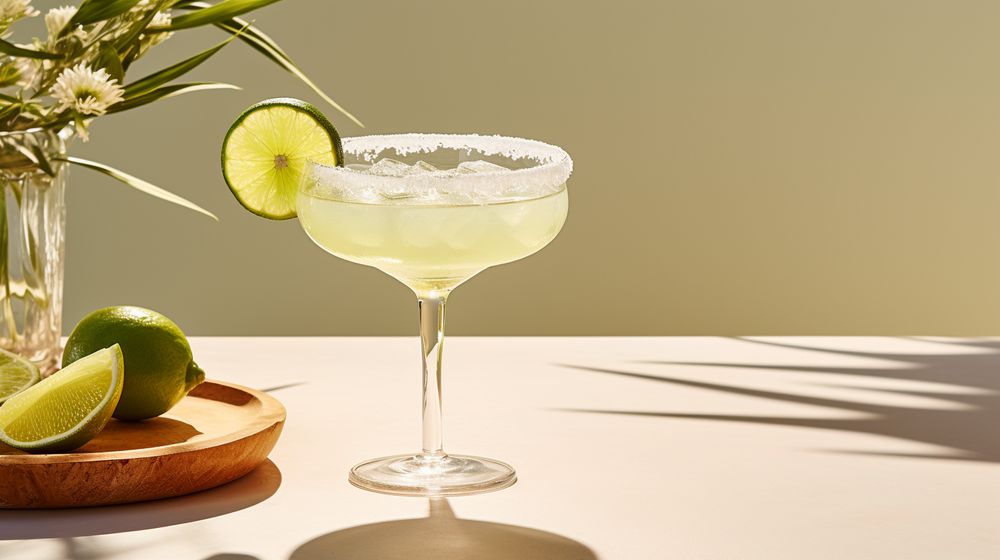
Portuguese Margarita
The Portuguese Margarita is a unique twist on the classic Margarita, using a Portuguese Moscatel wine instead of the traditional tequila. The cocktail is served in a salt-rimmed glass, and includes lime juice and a splash of Grand Marnier for an extra kick.
🍸 Pro Tip: Chill your glass before serving to keep your cocktail colder for longer.
✨ Taste Profile: Sweet and tart, with a hint of orange and a salty finish.
🍴 Snack Pairing: Enjoy with a serving of Chouriço Assado, a flavorful Portuguese sausage.
🥃 Glassware tip: Use a classic margarita glass to enjoy this cocktail.
-
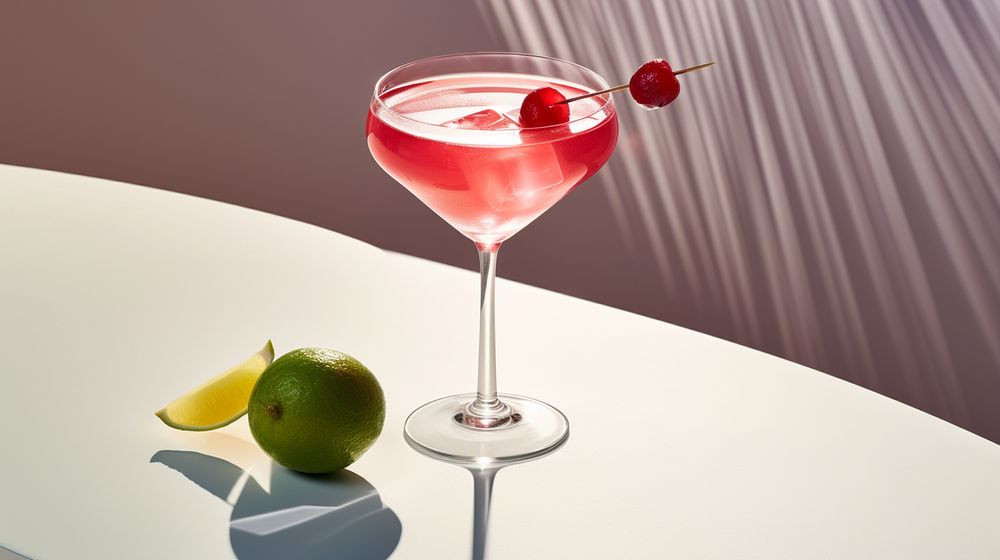
Amarguinha Sour
A popular cocktail in the Algarve region, the Amarguinha Sour uses Amarguinha, a Portuguese almond liqueur. Combined with lemon juice and a dash of Angostura bitters, this cocktail is served over ice and garnished with a cherry.
🍸 Pro Tip: Shake the ingredients with ice to chill, then strain into your glass for a smooth, creamy texture.
✨ Taste Profile: Sweet, sour, and slightly bitter, with a strong almond flavor.
🍴 Snack Pairing: Pair with a plate of Azeitão cheese, a soft, creamy Portuguese cheese.
🥃 Glassware tip: Serve in a sour glass or a short tumbler.
-
White Port Negroni
The White Port Negroni is a Portuguese spin on the classic Italian cocktail. White port is used in place of gin, and is combined with sweet vermouth and Campari. The cocktail is stirred over ice and served with a twist of orange peel.
🍸 Pro Tip: Stir the cocktail gently to avoid diluting it too much.
✨ Taste Profile: Sweet and bitter, with a fruity undertone.
🍴 Snack Pairing: Try with Piri Piri Chicken, a spicy Portuguese dish for a flavor-packed pairing.
🥃 Glassware tip: Serve in a chilled cocktail glass for the best taste.
3 Popular Mocktails: Non-Alcoholic Alternatives for Portuguese Cocktails
-
Portuguese Sunrise
The Portuguese Sunrise is a vibrant, refreshing and fruity drink that is traditionally prepared with a fusion of orange juice, cranberry juice, and a splash of grenadine. It’s usually served in a highball glass with a garnish of orange slices and cherries, creating a captivating sunrise effect. This mocktail is a must-try due to its delightful blend of sweet and tangy flavors.
🍸 Pro Tip: For a more authentic taste, use freshly squeezed orange juice.
✨ Taste Profile: Sweet, tangy, refreshing.
🍴 Snack Pairing: Pair it with a light snack such as Portuguese custard tarts (Pastéis de Nata) for a delightful experience.
🥃 Glassware Tip: Serve in a highball glass to enhance the visual appeal.
-
Mocktail Verde
The Mocktail Verde is a non-alcoholic version of the famous Portuguese Green Wine (Vinho Verde). It’s prepared with a mix of white grape juice, lime soda, and mint leaves. The effervescence of the soda combined with the freshness of the mint makes it a unique and invigorating drink. This drink is particularly appropriate for a hot summer day.
🍸 Pro Tip: Muddle the mint leaves to release their full flavor.
✨ Taste Profile: Fresh, fizzy, crisp.
🍴 Snack Pairing: Enjoy this mocktail with traditional Portuguese cheese (Queijo da Serra) for a truly Portuguese experience.
🥃 Glassware Tip: Serve in a wine glass to mimic the original Vinho Verde experience.
-
Virgin Caipirinha
The Virgin Caipirinha is a non-alcoholic variant of the classic Caipirinha, a popular cocktail in Portugal. This version is prepared with lime, brown sugar, and soda water, creating a delightful blend of sweet and sour. It is traditionally served in an old-fashioned glass. This drink is perfect for any occasion, but is especially refreshing during summer barbecues.
🍸 Pro Tip: Use crushed ice for a smoother, more enjoyable drink.
✨ Taste Profile: Sweet, sour, refreshing.
🍴 Snack Pairing: Pair it with some Portuguese sausage (Chouriço) for a perfect balance of flavours.
🥃 Glassware Tip: Serving in an old-fashioned glass maintains the authenticity of the drink.
A Seasonal Portuguese Cocktail Experience
Ever thought of aligning your cocktail choices with the changing seasons? We’ve curated a list of Portuguese cocktails that perfectly match each season’s mood. Let’s dive in!
| Season | Cocktail Name | Main Ingredients | Recommendations |
|---|---|---|---|
| Winter | Port Wine Flip | Port wine, whole egg, sugar | Enjoy this warm, creamy cocktail by the fireside on a chilly winter evening. |
| Spring | Vinho Verde Spritz | Vinho Verde, soda water, lemon slice | Perfect for a sunny spring picnic. Best served chilled with a sprig of fresh mint. |
| Summer | Caipirão | Licor Beirão, lime, sugar | Refreshing and tangy – the ideal companion for a sun-soaked beach day. Serve over crushed ice. |
| Fall | Brandy Alexander | Portuguese brandy, crème de cacao, cream | Cozy up with this smooth, sweet cocktail on a crisp fall night. Sprinkle with nutmeg for added warmth. |
Regardless of the season, these cocktails are sure to transport you to the sunny shores of Portugal. So, why not shake up your usual drink routine and give these seasonal Portuguese cocktails a try?
Remember, the key to enjoying these cocktails is using high-quality, authentic Portuguese ingredients. Cheers!
Unveiling the Unique Ingredients of Portuguese Cocktails
When it comes to Portuguese cocktails, the secret lies in the unique ingredients. Let’s dive into the world of Portuguese mixology and explore the most popular ingredients that make these cocktails stand out.
Ginjinha
This is a classic Portuguese liqueur, a must-have in any Portuguese cocktail. Made from sour cherries, sugar, and alcohol, Ginjinha offers a sweet yet tart flavor that gives a distinctive taste to cocktails.
Port Wine
Known worldwide, Port Wine is one of Portugal’s most iconic drinks. This sweet red wine, often served as a dessert, enhances the flavor of cocktails, giving them a rich, fruity, and sweet undertone.
Aguardente
Also known as Portuguese brandy, Aguardente is a strong spirit with a robust flavor. It adds a bold and intense taste to cocktails, making them unforgettable.
Medronho
Medronho, or Arbutus berry, is a fruit native to Portugal. The fruit is fermented and distilled to create a strong spirit that adds a unique fruity and slightly sweet taste to cocktails.
| Ingredient | Flavor Profile |
|---|---|
| Ginjinha | Sweet, Tart |
| Port Wine | Rich, Fruity, Sweet |
| Aguardente | Strong, Bold |
| Medronho | Fruity, Slightly Sweet |
💡 The use of these unique ingredients not only gives Portuguese cocktails their distinctive flavor but also carries the essence and culture of Portugal in every sip. The art of mixology is about understanding how different flavors interact, and Portuguese cocktails are a perfect example of this.