Herbal Cocktails for Every Palate
Mojito
The Mojito is a refreshing blend of mint, rum, sugar, lime, and soda water. Its taste profile is a harmonious mix of sweet, sour, and mint flavors, making it a perfect choice for those who enjoy a refreshing, citrusy cocktail. The mint leaves add a cooling effect, enhancing the overall experience.
Julep
A classic cocktail, the Julep is a sweet concoction of bourbon, sugar, and mint. It is known for its smooth bourbon undertones, balanced by the freshness of mint and a hint of sweetness. This cocktail is perfect for those who appreciate a balance of strong, sweet, and refreshing flavors.
Basil Smash
The Basil Smash is a delightful mix of gin, fresh basil, lemon juice, and sugar syrup. It offers a unique taste profile with the aromatic basil complementing the sharpness of the gin and lemon. This cocktail is ideal for those who enjoy a herbal, tangy flavor profile.
Rosemary Gin Fizz
The Rosemary Gin Fizz combines the botanicals of gin with the earthy aroma of rosemary, topped with a fizzy soda water. The rosemary adds a piney flavor that pairs wonderfully with the gin, while the soda water adds a refreshing fizz. This cocktail is a treat for those who enjoy earthy, botanical flavors.
Thyme Collins
The Thyme Collins is a twist on the classic Tom Collins cocktail. It’s a mix of gin, lemon juice, sugar syrup, soda water, and a sprig of fresh thyme. The thyme adds a subtle earthy flavor, complementing the citrusy and botanical notes of the other ingredients. This cocktail is perfect for gin lovers who appreciate a herbal touch.
Sage Margarita
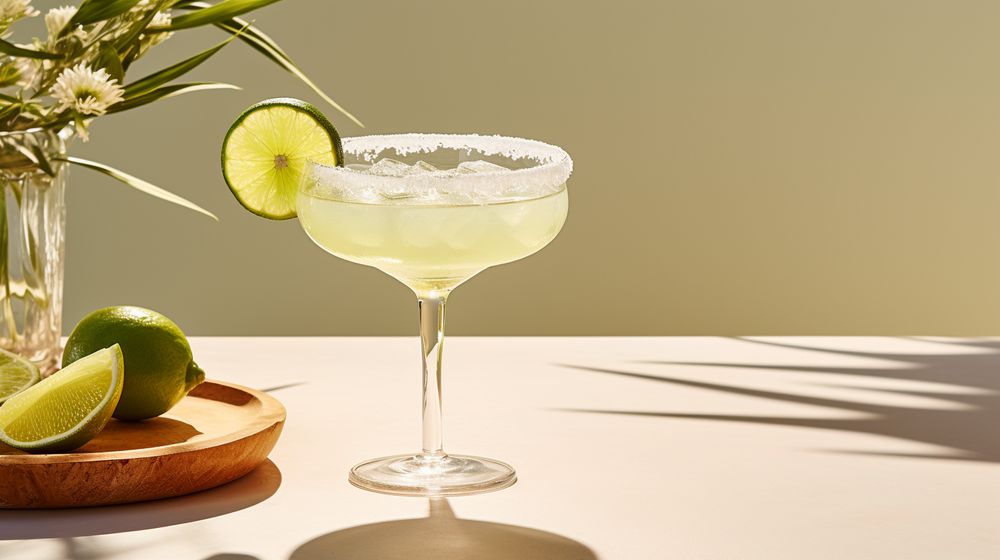
The Sage Margarita is a unique blend of tequila, lime juice, agave syrup, and fresh sage leaves. The sage adds a savory, herbal note to the classic Margarita, resulting in a cocktail with a complex, yet balanced flavor profile. This cocktail is ideal for those who enjoy a sweet, sour, and savory combination.
Lavender Martini
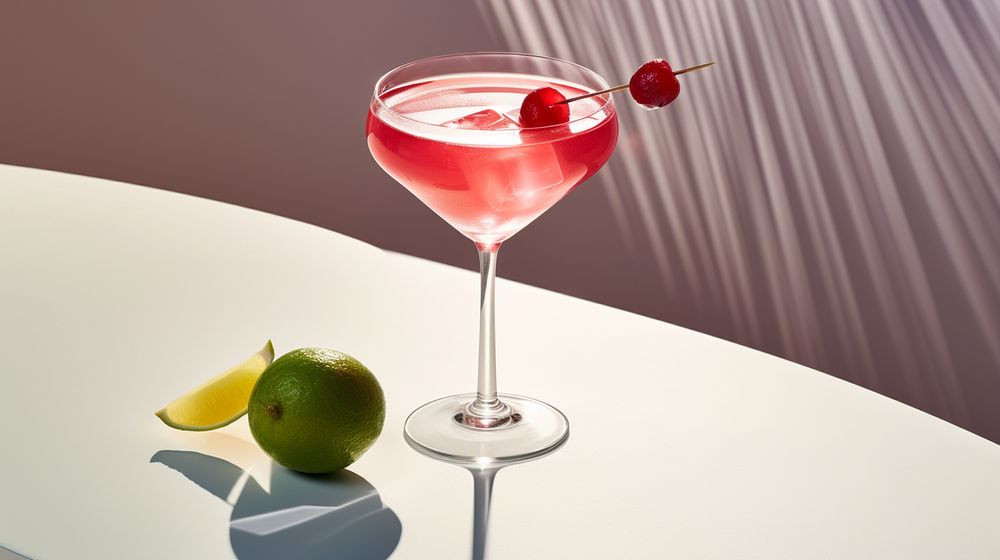
The Lavender Martini is an elegant blend of vodka, lemon juice, sugar syrup, and a hint of lavender. The lavender adds a floral aroma and a subtle sweet flavor, making this cocktail a delightful experience for those who enjoy floral, citrusy drinks.
Cilantro and Jalapeño Margarita
The Cilantro and Jalapeño Margarita is a spicy twist on the classic Margarita. It combines tequila, lime juice, agave syrup, fresh cilantro, and a slice of jalapeño. The cilantro adds a fresh, herbal note, while the jalapeño adds a spicy kick. This cocktail is perfect for those who love a blend of spicy and refreshing flavors.
Lemon and Tarragon Vodka Collins
The Lemon and Tarragon Vodka Collins is a refreshing mix of vodka, lemon juice, sugar syrup, soda water, and fresh tarragon. The tarragon adds a subtle aniseed flavor, complementing the citrusy vodka and lemon. This cocktail is a great choice for those who enjoy a refreshing, herbal, and citrusy drink.
Mint and Lime Moscow Mule
The Mint and Lime Moscow Mule is a refreshing blend of vodka, ginger beer, lime juice, and fresh mint. The mint adds a cooling effect, enhancing the spicy ginger beer and tangy lime. This cocktail is perfect for those who appreciate a balance of spicy, tangy, and refreshing flavors.
Unveiling the Herbal Cocktails Flavor Profile
Immerse yourself in the world of herbal cocktails, where the fusion of flavors creates a truly unique drinking experience. With each sip, you’re introduced to a symphony of tastes that leave a lasting impression.
The Basic Tastes of Herbal Cocktails
Herbal cocktails incorporate a blend of sweet, sour, bitter, and sometimes even savory flavors. The sweetness often comes from natural sugars in fruits or syrups, while the sourness is derived from citrus fruits. The bitter notes are typically introduced by the herbs themselves or certain types of alcohol, and the savory undertones can be attributed to certain spices or botanicals.
Highlighting and Balancing Flavors
Creating the perfect herbal cocktail is all about balancing these flavors. To highlight a particular taste, it is often paired with a contrasting flavor. For example, a sweet syrup might be balanced with a sour citrus juice, or a bitter herb might be offset with a sweet fruit. This interplay of flavors is what makes herbal cocktails so intriguing and enjoyable.
Complementary Ingredients
Complementary ingredients play a crucial role in enhancing the flavor profile of herbal cocktails. Ingredients such as fresh fruits, spices, and even certain vegetables can add depth and complexity to the drink. These ingredients not only add their own unique flavors but also serve to enhance the flavors of the primary herbs used in the cocktail.
| Primary Herb | Complementary Ingredient |
|---|---|
| Mint | Lime |
| Rosemary | Grapefruit |
| Basil | Strawberry |
💡 Herbal cocktails offer a great way to experiment with flavors. By understanding the basic tastes and how to balance them, you can create your own unique concoctions. Remember, the best herbal cocktails are those that balance the flavors to create a harmonious blend that is greater than the sum of its parts.
Herbal Cocktails Base Spirits: An In-Depth Guide
Dive into the world of herbal cocktails and discover how base spirits interact with various ingredients to create a symphony of flavors. From the common choices to the unique alternatives, each spirit contributes to the overall taste profile of your cocktail.
Most Commonly Used Base Spirits in Cocktails
When it comes to cocktails, certain spirits have stood the test of time. The most commonly used include:
- Vodka
- Gin
- Rum
- Whiskey
- Tequila
How Base Spirits Affect Herbal Cocktails
Each base spirit brings its unique flavor profile to an herbal cocktail. For instance, gin, with its botanical notes, pairs well with herbs like rosemary and thyme. Rum, on the other hand, with its sweet undertone, complements mint and basil.
Substituting Base Spirits in Herbal Cocktails
While you can substitute one base spirit for another, it’s essential to remember that each spirit has a distinct flavor. A substitution might change the cocktail’s overall taste. For instance, substituting vodka for gin in a herbal cocktail could result in a less botanical flavor.
Notable Brands for Herbal Cocktails
Some brands are known for their exceptional quality and are often preferred for certain types of herbal cocktails. For example, Hendrick’s Gin is known for its unique infusion of cucumber and rose, making it a popular choice for herbal cocktails.
Herbal Cocktails That Showcase The Base Spirit
Some herbal cocktails are designed to showcase the base spirit rather than masking it. For instance, a classic Mojito highlights the rum, while a Gin and Tonic showcases the botanicals in gin.
💡 Remember, the key to a great herbal cocktail lies in the balance between the base spirit and the herbal elements. A well-chosen base spirit can elevate the cocktail, turning a simple drink into a memorable experience.
Unveiling the Magic of Herbal Cocktails: Essential Ingredients
Dive into the world of herbal cocktails, where a blend of spirits, mixers, sweeteners, and garnishes come together to create an enchanting experience. Let’s explore the key ingredients that make these cocktails a sensory delight.
The Spirit: Heart of the Cocktail
From gin with its juniper notes to vodka’s neutrality, the choice of spirit heavily influences the cocktail’s flavor. While whiskey might add warmth and depth, rum can infuse a tropical touch. The spirit sets the base, shaping the cocktail’s character.
Herbal Influence: A Symphony of Flavors
Herbs are the stars of these cocktails, lending unique flavors. Mint adds freshness, rosemary imparts a woody essence, and basil contributes a peppery punch. These ingredients are not just flavorsome but also add a visual appeal to the cocktail.
Mixers: The Balancing Act
Quality mixers like tonic water, soda, or fruit juices can complement or contrast the spirit and herbs, creating a balanced cocktail. The rule of thumb? Always opt for fresh, high-quality mixers for the best results.
Sweeteners: The Subtle Enhancers
Sweeteners like simple syrup, honey, or agave can add depth and complexity. They don’t just sweeten the drink but also influence its texture, making it smoother and more palatable.
Bitters and Liqueurs: Adding Complexity
Bitters and liqueurs can add an extra layer of complexity. They can enhance, balance, or add a new dimension to the drink, making it more intriguing.
From Garden to Glass: Sourcing Ingredients
For an authentic herbal cocktail experience, use fresh ingredients. Grow your herbs or source them from local markets. Exotic ingredients like elderflower or lavender can be found in specialty stores or online.
Garnishes: The Final Flourish
Garnishes play a dual role – they’re functional and aesthetic. A sprig of mint or a twist of lemon peel can enhance the drink’s aroma and also make it visually appealing.
💡 Remember, making herbal cocktails is like composing a symphony – each ingredient plays a crucial role. So, experiment and enjoy the process!
Herbal Cocktails Seasonal Tips
Whether you’re a cocktail enthusiast or a newbie, one thing is certain: there’s an herbal cocktail for every season. With a myriad of herbs available, each with its unique flavor profile, the possibilities are endless. Here’s a guide to help you discover the best herbal cocktails for every season.
Spring: Mint Julep
Spring is synonymous with the fresh, invigorating scent of mint. The Mint Julep, a classic cocktail from the southern United States, is the perfect match for this season. It’s a simple mix of bourbon, sugar, water, and a generous amount of mint.
Summer: Basil Smash
As the weather heats up, the Basil Smash is a refreshing choice. This cocktail, featuring basil, gin, lemon juice, and simple syrup, is a summer staple.
Fall: Rosemary Gin Fizz
Autumn calls for the aromatic, earthy tones of rosemary. The Rosemary Gin Fizz, with its mix of gin, lemon juice, rosemary-infused simple syrup, and club soda, is a fall favorite.
Winter: Thyme Flip
Winter is the time for warm, comforting flavors. The Thyme Flip, a mix of bourbon, thyme-infused simple syrup, lemon juice, and a whole egg, is a hearty cocktail fit for the season.
| Season | Herbal Cocktail |
|---|---|
| Spring | Mint Julep |
| Summer | Basil Smash |
| Fall | Rosemary Gin Fizz |
| Winter | Thyme Flip |
💡 Remember, the key to a great herbal cocktail is quality ingredients. Fresh, organic herbs and high-quality spirits can make a world of difference in your cocktail experience. So, explore, experiment, and enjoy the seasonal variations of herbal cocktails.
Herbal Cocktails and Food Pairings: A Culinary Adventure
Discover the enchanting world of herbal cocktails and their food pairings in this comprehensive guide. Immerse yourself in the delightful interplay of flavors that can turn an ordinary meal into a gourmet experience.
Understanding Herbal Cocktails
Herbal cocktails are a delightful blend of spirits and fresh herbs. These cocktails often feature ingredients like mint, basil, rosemary, and thyme, resulting in a refreshing and aromatic beverage. The key to pairing food with herbal cocktails lies in balancing the flavors.
Pairing Herbal Cocktails with Food
Here are some food pairing ideas for your favorite herbal cocktails:
| Herbal Cocktail | Food Pairing |
|---|---|
| Mint Julep | Grilled meats, especially lamb |
| Basil Gimlet | Seafood, especially shrimp |
Remember, the goal is to complement the flavors of the food and the cocktail, not overpower them. For instance, the refreshing taste of a Mint Julep pairs well with the smoky flavor of grilled meats. Similarly, the citrusy notes of a Basil Gimlet can cut through the richness of seafood, creating a balanced palate.
Experimenting with Pairings
Don’t be afraid to experiment with different pairings. The beauty of herbal cocktails and food pairings lies in the endless possibilities. Try pairing different foods with your favorite herbal cocktails and discover new flavor combinations.
💡 Remember, there’s no ‘one-size-fits-all’ when it comes to pairing food and cocktails. It’s all about personal preference. So, go ahead, experiment, and find your unique pairing!
Herbal Cocktails Frequently Asked Questions
What are Herbal Cocktails?
Herbal cocktails are mixed drinks that incorporate herbs as part of their ingredients. These herbs can be infused in the alcohol or used as garnishes to add unique flavors and aromas to the cocktail.
What are some popular herbs used in Herbal Cocktails?
Some popular herbs used in herbal cocktails include mint, basil, rosemary, thyme, and cilantro. These herbs can be used fresh or dried, depending on the recipe and personal preference.
How do you prepare Herbal Cocktails?
Preparing herbal cocktails involves muddling or infusing the herbs in alcohol or mixers. This allows the flavors and aromas of the herbs to be released into the drink. The cocktail is then typically strained to remove any herb pieces before serving.
What alcohol brands are suitable for Herbal Cocktails?
Most alcohol brands can be used in herbal cocktails, but some popular choices include gin, vodka, and rum. These spirits have neutral or complementary flavors that work well with a variety of herbs.
What barware is needed for Herbal Cocktails?
Basic barware such as a cocktail shaker, muddler, strainer, and glassware are typically needed for herbal cocktails. A jigger may also be helpful for measuring ingredients.
What glassware is appropriate for Herbal Cocktails?
The appropriate glassware for herbal cocktails depends on the specific cocktail. However, highball glasses, martini glasses, and old-fashioned glasses are commonly used.
What are some food pairings for Herbal Cocktails?
Herbal cocktails can be paired with a variety of foods. Light, fresh dishes such as salads or seafood often pair well with herbal cocktails. The specific pairing will depend on the herbs and other flavors in the cocktail.
How can I customize my Herbal Cocktails?
Herbal cocktails can be customized by using different herbs, spirits, or mixers. Experimenting with different combinations can lead to unique and personalized cocktails.
What is the calorie content of Herbal Cocktails?
The calorie content of herbal cocktails can vary greatly depending on the ingredients used. However, most herbal cocktails range from 100-200 calories per serving.
What is the alcohol content (ABV percentage) of Herbal Cocktails?
The alcohol content of herbal cocktails can also vary greatly depending on the spirits used and their proportions. However, most herbal cocktails have an ABV percentage between 10-20%.
Are there any allergy considerations with Herbal Cocktails?
Some individuals may be allergic to certain herbs used in herbal cocktails. It’s important to know your own allergies and to inform your bartender or host if you have any concerns.
How much does it cost to make Herbal Cocktails?
The cost of making herbal cocktails can vary depending on the ingredients used. However, most herbal cocktails can be made for a few dollars per serving, not including the cost of any necessary barware.