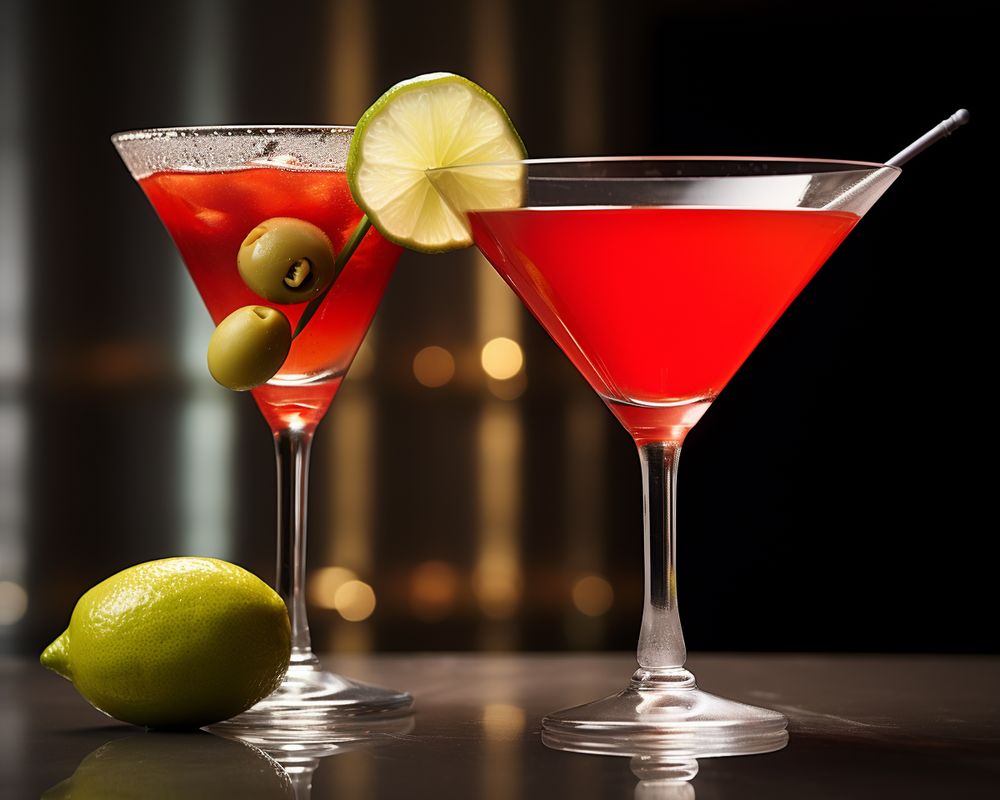
Taste Profile: Bloody Mary vs Martini
Basic Tastes
- Bloody Mary: This cocktail is a perfect blend of sourness from the lemon, saltiness from the Worcestershire sauce, and spiciness from the Tabasco. The umami taste is brought out by the tomato juice and vodka.
- Martini: Martini is a balanced mix of bitterness from the vermouth and the umami taste of gin. It lacks the sweetness, sourness, and spiciness of a Bloody Mary.
Other Taste Profile Factors
- Bloody Mary: It has a thick texture with a cool temperature. The aftertaste is usually spicy and salty.
- Martini: Martini has a smooth texture with a crisp, cool temperature. The aftertaste is typically bitter and dry.
Considerations
- Bloody Mary: This cocktail displays a complexity of flavors, with a contrast between the spicy and sour ingredients. The balance lies in the harmony of these flavors.
- Martini: Martini is less complex, with a clear focus on the harmony between gin and vermouth. The intensity of the cocktail can be adjusted by varying the ratio of these two ingredients.
💡 While both cocktails have a unique taste profile, the Bloody Mary offers a more complex and intense flavor experience, making it a great choice for those who enjoy a variety of tastes. On the other hand, the Martini is a perfect pick for those who prefer a simple yet elegant flavor profile.
Bloody Mary vs Martini: A Deep Dive into Barware and Glassware
Mixing & Preparation
Both Bloody Mary and Martini require a handful of essential barware for mixing and preparation. Here’s a quick comparison:
| Bloody Mary | Martini |
|---|---|
| Cocktail Shaker, Mixing Glass, Bar Spoon, Ice Molds | Mixing Glass, Bar Spoon, Hawthorne Strainer, Jigger |
Serving & Presentation
The presentation is key in cocktails. Let’s see how these two classics differ:
- Bloody Mary: Highball Glass, Garnish Tray, Coasters
- Martini: Cocktail Glass, Glass Rimmer
Storage & Organization
Proper storage and organization are crucial in cocktail preparation. Here’s what you need for each:
Bloody Mary: Ice Bucket & Tongs, Speed Pourers, Bar Mat, Bar Roll or Tool Bag
Martini: Bottle Opener & Corkscrew, Liquor Pour Spouts, Bar Mat
Garnishing & Fine Detailing
Finishing touches make all the difference. Here’s what you need:
- Bloody Mary: Cutting Board & Knife, Citrus Juicer, Atomizer
- Martini: Peeler & Zester, Channel Knife, Bitters Bottle
Preservation & Enhancement
Keeping your drinks fresh and enhancing their flavors is important. Here’s what you need:
Bloody Mary: Wine Aerator, Decanter
Martini: Champagne Stopper, Wine Preserver
💡 While both cocktails require a diverse set of barware and glassware, the Bloody Mary calls for a more elaborate setup, making it a fun choice for those who love to play bartender at home!
Cocktails Versatility: Bloody Mary vs Martini
Bloody Mary: The Queen of Brunch
Perfect for brunches, beach days, and family reunions, the Bloody Mary is a versatile cocktail with a savory twist. Its bold and spicy flavors make it a top choice for autumn and winter gatherings. Think Thanksgiving or a cozy winter barbecue.
Martini: The Classic Sophisticate
With its elegant simplicity, the Martini shines at corporate parties, award ceremonies, and product launches. It’s also a great choice for date night or a sophisticated girls’ night out. Its crisp and refreshing taste pairs well with spring and summer events.
Event Pairing
| Bloody Mary | Martini |
|---|---|
| Brunch | Corporate Parties |
| Beach Day | Award Ceremonies |
| Family Reunion | Date Night |
Seasonal Suitability
Bloody Mary: Autumn & Winter
Martini: Spring & Summer
💡 While both cocktails have their unique appeal, the Bloody Mary’s savory profile offers a refreshing change from the usual sweet cocktails, making it a versatile choice for various occasions and seasons.
Bloody Mary vs Martini: Ingredient Accessibility
Bloody Mary Ingredients
The Bloody Mary cocktail, known for its savory and spicy flavor, requires a variety of ingredients that are generally easy to find. The main components include:
- Vodka
- Tomato juice
- Worcestershire sauce
- Hot sauce
- Lemon juice
- Spices (salt, pepper, celery salt)
These ingredients are often readily available in supermarkets and liquor stores, making the Bloody Mary a convenient cocktail to mix at home.
Martini Ingredients
On the other hand, the Martini, a classic cocktail known for its simplicity and elegance, requires fewer ingredients, which are:
- Gin or Vodka
- Dry vermouth
- Optional: Lemon peel or Olive for garnish
The ingredients of a Martini, although fewer, might be slightly harder to find. Dry vermouth, for example, is not as commonly stocked in local grocery stores as vodka or gin. However, most liquor stores should carry it.
| Bloody Mary | Martini |
|---|---|
| Easy to find ingredients | Ingredients might require a trip to the liquor store |
💡 While both cocktails have their unique charm, the Bloody Mary might be the more accessible option for spontaneous home mixologists due to the ease of finding its ingredients. The Martini, however, with its fewer but slightly rarer ingredients, offers a more refined and minimalist cocktail experience.
Bloody Mary vs Martini: A Deep Dive into Cocktail Variations
The Bloody Mary: A Brunch Favorite
The Bloody Mary, a savory cocktail often paired with brunch, is a mix of vodka, tomato juice, and various spices. The classic version is a staple, but there are numerous variations that can cater to different palates:
- Classic Bloody Mary: Vodka, tomato juice, Worcestershire sauce, hot sauce, salt, and pepper.
- Virgin Mary: A non-alcoholic version using the same ingredients minus the vodka.
- Michelada: A Mexican variation that swaps vodka with beer.
The Martini: A Sophisticated Sip
The Martini is synonymous with elegance and sophistication. It’s a simple cocktail made with gin and vermouth, garnished with an olive or a lemon twist. Here are some popular variations:
- Classic Martini: Gin, dry vermouth, and a green olive or lemon twist for garnish.
- Dry Martini: A version with less vermouth.
- Dirty Martini: Adds olive brine to the mix for a salty twist.
💡 While both cocktails have stood the test of time, the key difference lies in their flavor profiles. The Bloody Mary is a full-bodied, savory cocktail often enjoyed during the day, especially with brunch. On the other hand, the Martini, with its clean, crisp flavors, is a classic evening drink, often associated with elegance and sophistication. The choice between the two often depends on personal preference and the occasion.
Cocktail Cost: Bloody Mary vs Martini
Cost of Making a Bloody Mary
Starting your cocktail journey with a Bloody Mary is a budget-friendly choice. Here’s the cost breakdown from lower to higher brands:
- Basic: Smirnoff Vodka + Sacramento Tomato Juice = $15-$20
- Moderate: Absolut Vodka + Clamato Juice = $25-$30
- Premium: Grey Goose Vodka + Big Tom Spiced Tomato Mix = $40-$50
Cost of Making a Martini
Martini, a classic cocktail, can be a bit more pricey depending on your choice of gin or vodka. Here’s the cost spectrum:
- Basic: Gordon’s Gin + Martini Dry Vermouth = $20-$25
- Moderate: Bombay Sapphire Gin + Noilly Prat Vermouth = $30-$35
- Premium: Tanqueray No. TEN Gin + Dolin Vermouth = $45-$60
💡 While the Martini may be slightly more expensive due to its premium spirits, it’s worth noting that it also requires fewer ingredients than a Bloody Mary. Thus, if you’re looking for a simpler, more straightforward cocktail experience, the Martini might be your go-to, despite the slightly higher cost.
Prep & Mix Time: Bloody Mary vs Martini
Total Preparation & Mixing Time
- Bloody Mary: 5 minutes
- Martini: 3 minutes
Complexity of Preparation
Bloody Mary: Easy
Martini: Medium
Ingredient Preparation
- Bloody Mary: Requires tabasco, Worcestershire sauce, lemon juice, vodka, tomato juice, salt, pepper, and celery stick.
- Martini: Requires gin or vodka, dry vermouth, and lemon peel or olive.
Mixing Techniques
Bloody Mary: Shaken
Martini: Stirred
Presentation
- Bloody Mary: Served in a highball glass with a celery stick.
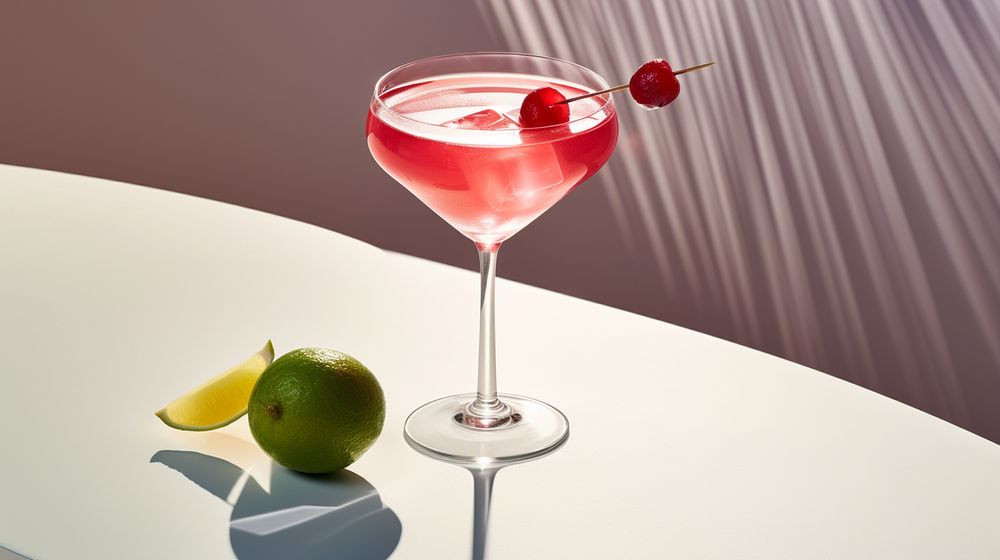
- Martini: Served in a martini glass with a lemon twist or olive.
Set Up & Cleanup
Bloody Mary: Easy setup with minimal cleanup as there are no special tools required.
Martini: Requires a bit more setup with a cocktail shaker and strainer, resulting in a moderate cleanup.
Waiting Time
- Bloody Mary: No waiting time
- Martini: Chill for about 10 minutes
Expert Tips
Bloody Mary: For a spicier kick, add more tabasco.
Martini: For a smoother taste, use high-quality vermouth.
💡 While the Martini takes less time to prepare, the Bloody Mary is simpler to make with fewer tools needed, making it a great choice for beginners.
Mixology Hacks for the Perfect Blend: Bloody Mary vs Martini
Muddling Right
For a Bloody Mary, muddling is not required. However, for a Martini, muddling the olives or twist of lemon is essential to release their flavors.
Ice Matters
Crushed ice is ideal for a Bloody Mary while a Martini requires large, clear ice cubes to chill without diluting the drink.
Shake vs Stir
A Bloody Mary is stirred to mix the ingredients while a Martini is shaken to infuse the flavors and create a frothy texture.
Balancing Act
Bloody Mary’s flavor balance comes from the tomato juice, hot sauce, and vodka. In contrast, the Martini’s balance is achieved by the gin and vermouth combination.
Herb Infusion
Infusing herbs like basil can elevate a Bloody Mary. A Martini, on the other hand, is often served with a sprig of rosemary for a subtle infusion.
Aromatic Bitters
Bloody Marys can be enhanced with a dash of aromatic bitters, while Martinis typically don’t require them.
Smoke Effects
A smoked Bloody Mary can add a unique twist, while a smoked Martini offers a sophisticated flavor profile.
Double Straining
While a Bloody Mary doesn’t require straining, a Martini should be double strained to ensure a smooth drink.
Perfect Presentation
Bloody Marys are served in a highball glass with a celery stalk, while Martinis are served in a martini glass with an olive or lemon twist.
Glassware
A highball glass is ideal for a Bloody Mary, while a Martini is best served in a chilled martini glass.
Garnish Game
Bloody Marys can be garnished with celery, olives, or a slice of lemon. Martinis are typically garnished with an olive or a lemon twist.
Temperature
Bloody Marys are served chilled, while Martinis should be served ice cold.
Crafting Signature Cocktails at Home
Both Bloody Marys and Martinis require minimal ingredients and can be easily crafted at home with the right mixology techniques.
Mixology Techniques for Beginners
Learning to balance flavors, muddle correctly, and master the shake vs. stir technique can help beginners craft the perfect Bloody Mary or Martini.
How to Balance Flavors in a Cocktail
For a Bloody Mary, balance the hot sauce with the tomato juice. For a Martini, balance the gin with the vermouth.
Clarified Cocktails
Martinis can be clarified for a crystal clear cocktail, while Bloody Marys are typically served unclarified due to the tomato juice.
Dehydrated Garnish
Dehydrated lemon slices can enhance a Martini, while a Bloody Mary can be garnished with dehydrated celery for an extra crunch.
Freeze & Squeeze
Freezing a lemon before squeezing it into a Bloody Mary can enhance its flavor. For a Martini, freeze the gin to achieve a super chilled cocktail.
💡 The secret to mastering the art of mixology lies in understanding the unique characteristics of each cocktail. Whether it’s the muddling technique for a Martini or the perfect ice for a Bloody Mary, each detail contributes to the final masterpiece.
Alcohol Content: Bloody Mary vs Martini
When it comes to the world of cocktails, the alcohol content can significantly influence your drink choice. Let’s dive into the alcohol content of two classic cocktails – the Bloody Mary and the Martini.
Bloody Mary Alcohol Content
The Bloody Mary, a savory cocktail, typically contains 40% ABV (Alcohol by Volume) vodka, which amounts to about 14% ABV in the finished cocktail when mixed with tomato juice and other non-alcoholic ingredients.
Martini Alcohol Content
Martini, on the other hand, is a strong cocktail, typically made with 40-50% ABV gin or vodka and a splash of vermouth. This results in a finished cocktail with a high alcohol content, often around 31.5% ABV.
| Bloody Mary | Martini |
|---|---|
| 14% ABV | 31.5% ABV |
Alcohol-Free Alternatives: Bloody Mary vs Martini
Mocktail Version of Bloody Mary
If you’re looking for an alcohol-free alternative, the Virgin Mary is a popular mocktail version of the Bloody Mary. It retains the same spicy tomato base, minus the vodka.
Mocktail Version of Martini
For Martini lovers, the Virgin Martini, also known as a Nojito, is a great alcohol-free alternative. It uses non-alcoholic gin or a simple syrup in place of the traditional gin or vodka.
Remember, whether you choose a cocktail or its mocktail version, the key is to enjoy the flavors and the experience. Drink responsibly!
💡 While the Martini has a higher alcohol content, the Bloody Mary contains more non-alcoholic ingredients, which may contribute to a fuller, more satisfying drink for those who prefer flavors over strength.
Nutritional Information: Bloody Mary vs Martini
Caloric Intake and Sugar Content
A standard Bloody Mary contains around 120 calories and 7 grams of sugar, while a Martini averages 160 calories and 0 grams of sugar.
Spirits and Mixers
The primary spirit in both cocktails is vodka. However, the Bloody Mary incorporates tomato juice as a mixer, while the Martini uses vermouth.
Simple Syrups, Pre-mixed Cocktails, and Carbohydrates
Neither cocktail traditionally uses simple syrup or pre-mixed solutions. The Bloody Mary contains about 10 grams of carbohydrates, while the Martini contains almost none.
Beer, Wine, and Fruit Juices
Neither cocktail includes beer or wine. The Bloody Mary does contain fruit juice (tomato), while the Martini does not.
Proteins, Fats, and Cream-based Cocktails
Both cocktails are low in protein and fat and neither is cream-based.
Egg Whites, Vitamins and Minerals
Neither cocktail includes egg whites. The Bloody Mary, however, is rich in vitamins A and C due to the tomato juice.
Citrus Fruits, Herbs, and Allergens
Bloody Mary often includes citrus (lemon juice) and herbs (celery salt), while the Martini may contain allergens (olives).
Nuts, Gluten, and Other Factors
Neither cocktail contains nuts or gluten. However, the Martini’s olive garnish may contribute a small amount of sodium.
Caffeine, Sodium, and Low-calorie cocktail recipes
Neither cocktail contains caffeine. The Bloody Mary is higher in sodium, but there are low-calorie versions of both cocktails available.
Sugar-free and Gluten-free alcoholic beverages
While the Martini is naturally sugar-free, gluten-free versions of both cocktails can be made using gluten-free vodka.
💡 Despite their differences, both the Bloody Mary and Martini can be tailored to fit various dietary needs and preferences, making them versatile choices for cocktail enthusiasts and newbies alike.
High Quality Facts: Bloody Mary vs Martini
Origins and History
The Bloody Mary is said to have been created in the 1920s in Paris, while the classic Martini traces its roots back to the mid-1800s in the United States. Both have stood the test of time, becoming staples in the cocktail world.
Ingredients and Preparation
A traditional Bloody Mary is a blend of vodka, tomato juice, lemon juice, Worcestershire sauce, horseradish, and hot sauce. On the other hand, a classic Martini is a simple mix of gin and vermouth, garnished with an olive or a lemon twist.
Taste Profile
The Bloody Mary offers a savory, spicy, and tangy taste, perfect for brunch or as a hangover cure. In contrast, the Martini delivers a crisp and dry flavor, making it an ideal aperitif.
Variations
Both cocktails have numerous variations. The Bloody Mary can be customized with different spices and garnishes, while the Martini can be made with vodka instead of gin, or sweetened with the addition of flavored liqueurs.
Pairing with Food
The robust flavors of a Bloody Mary pair well with hearty brunch dishes, while the clean, dry taste of a Martini complements seafood and light appetizers.
💡 Though both the Bloody Mary and Martini are iconic cocktails, they cater to different palates and occasions. The Bloody Mary, with its complex flavors and spicy kick, is a daytime favorite, while the Martini, with its elegance and simplicity, is a classic choice for evening gatherings.
Bloody Mary vs Martini: A Detailed Comparison
What are the key ingredients of a Bloody Mary and a Martini?
The Bloody Mary is a cocktail known for its vibrant color and unique taste, primarily made from vodka, tomato juice, and various spices and flavorings such as Worcestershire sauce, hot sauces, garlic, herbs, horseradish, celery, olives, salt, black pepper, lemon juice, lime juice, and celery salt. On the other hand, a Martini is a much simpler cocktail, typically made from gin and dry vermouth, and garnished with an olive or a lemon twist.
How are these cocktails prepared?
Preparing a Bloody Mary involves mixing the vodka, tomato juice, and other ingredients in a shaker filled with ice, shaking well, and then straining into a large, tall glass. Martini preparation involves stirring the gin and vermouth with ice in a mixing glass or cocktail shaker, then straining into a chilled martini glass.
What alcohol brands are typically used?
Popular vodka brands for Bloody Mary include Smirnoff, Absolut, and Grey Goose. For Martinis, gin brands like Bombay Sapphire, Tanqueray, and Beefeater are often used.
What barware and glassware are needed?
For a Bloody Mary, you’ll need a shaker, a strainer, and a tall glass. For a Martini, a mixing glass or cocktail shaker, a strainer, and a martini glass are necessary.
What are the recommended food pairings?
Bloody Marys are often served with brunch dishes like eggs benedict, while Martinis pair well with appetizers like olives, cheese, and smoked salmon.
How are these cocktails visually presented?
Bloody Marys are often garnished with celery stalks, olives, and sometimes even bacon or shrimp. Martinis are typically garnished with an olive or a lemon twist.
What is the nutritional information for these cocktails?
A standard Bloody Mary contains around 150 calories and may contain allergens like celery and shellfish, depending on the garnishes used. A standard Martini contains roughly 200 calories and typically does not contain allergens.
What is the cost of making these cocktails?
The cost of making a Bloody Mary or a Martini can vary depending on the brands of alcohol and other ingredients used, but on average, they can cost between $2 to $5 per cocktail.
What is the alcohol content (ABV percentage) of these cocktails?
The alcohol content of a Bloody Mary can vary depending on the amount of vodka used, but it typically ranges from 10-20%. A Martini has a higher alcohol content, usually around 30-40%.
Unique Insight: While both cocktails have a rich history and have become staples in the cocktail world, the Bloody Mary is often seen as a daytime or brunch drink, while the Martini is typically enjoyed in the evening or as a pre-dinner cocktail.