Daiquiri vs Whiskey Sour: A Taste Profile Exploration
Basic Tastes
- Daiquiri: Primarily sweet and sour, with the robust sweetness of sugar balancing the tartness of fresh lime juice.
- Whiskey Sour: Exhibits a complex blend of sweet, sour, and bitter tastes, thanks to the whiskey, lemon juice, and optional dash of bitters.
Other Taste Profile Factors
- Daiquiri: Offers a smooth texture with a refreshing, citrusy aroma. Served chilled, it leaves a light, sweet aftertaste.
- Whiskey Sour: Has a full-bodied texture and a warm, oaky aroma. The temperature varies based on preference, and it has a lingering, slightly bitter aftertaste.
Considerations
Daiquiri: This cocktail is all about balance and harmony between its simple ingredients. It’s less complex than a whiskey sour, but its intensity depends on the quality of the rum.
Whiskey Sour: This drink offers a contrasting taste profile, with a balance between sour lemon and sweet syrup. Its complexity and intensity depend on the choice of whiskey.
💡 While both cocktails balance sweet and sour elements, the Daiquiri’s light, refreshing profile contrasts with the Whiskey Sour’s fuller-bodied, bitter undertones. This difference can help guide your cocktail choice depending on your preferred taste intensity and complexity.
Daiquiri vs Whiskey Sour: A Dive Into Barware and Glassware
Mixing & Preparation
The Daiquiri and Whiskey Sour both require a cocktail shaker, bar spoon, and jigger for precise measuring. The Daiquiri relies on the ice crusher and ice molds for a chilled, smooth texture. In contrast, the Whiskey Sour uses a muddler and strainer to extract and integrate the flavors.
Serving & Presentation
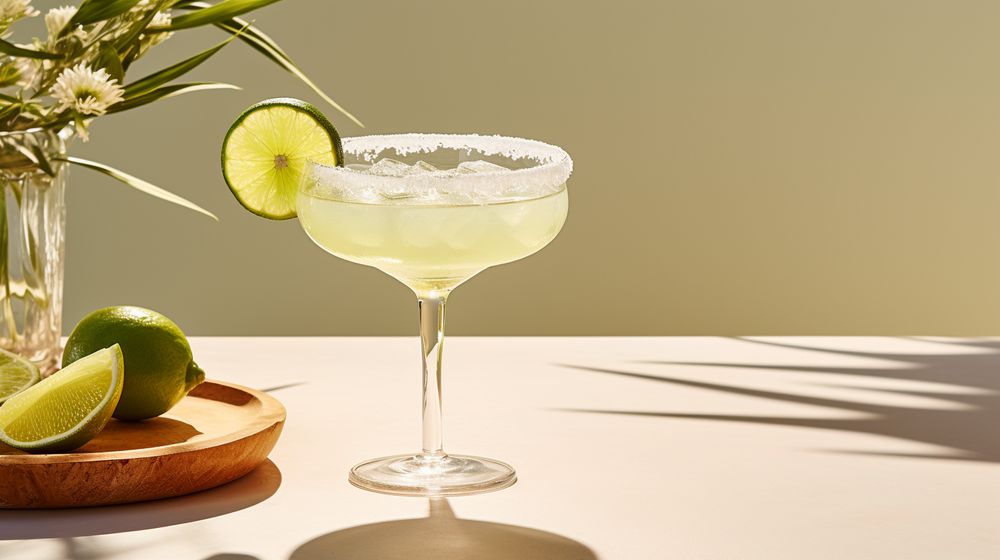
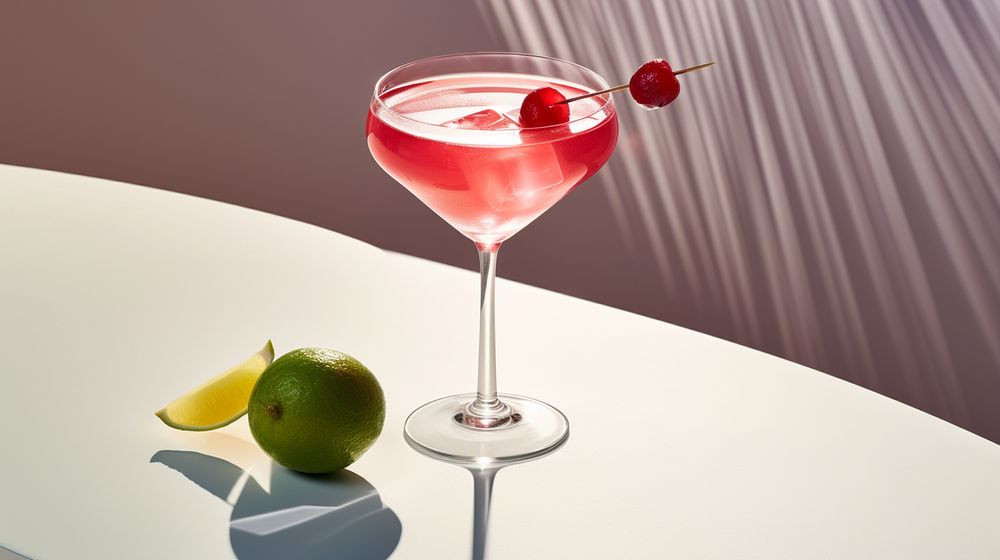
A Daiquiri is traditionally served in a cocktail glass, highlighting its elegant simplicity. Garnishing with a lime wheel adds a touch of color. On the other hand, a Whiskey Sour is served in a lowball glass, with a citrus slice and cherry serving as garnishes, adding visual appeal and a hint of extra flavor.
Storage & Organization
Both cocktails benefit from speed pourers and liquor pour spouts for an accurate pour. An Ice Bucket & Tongs are essential for keeping your drinks chilled. A bar roll or tool bag helps in organizing all these tools efficiently.
Garnishing & Fine Detailing
A cutting board & knife are essential for preparing garnishes. A peeler & zester can be used for creating citrus twists for the Whiskey Sour. The Daiquiri, being a simpler cocktail, doesn’t require much beyond a lime wheel.
Preservation & Enhancement
While neither cocktail typically requires preservation, a wine aerator can be used to enhance the taste of the whiskey for the Whiskey Sour by letting it breathe before mixing the cocktail.
💡 The choice of glassware greatly influences the overall cocktail experience. The Daiquiri’s cocktail glass and the Whiskey Sour’s lowball glass are chosen not just for their aesthetic appeal, but also to enhance the aromas and flavors of the cocktails. The glass’s shape can concentrate the aromas, and the way you hold it can either warm or keep the drink cool, affecting the cocktail’s temperature.
Daiquiri vs Whiskey Sour: A Study in Cocktail Versatility
Occasional Pairing
- Daiquiri: Ideal for Beach Days, Date Nights, and Girls’ Nights Out due to its tropical vibe and refreshing taste.
- Whiskey Sour: Perfect for sophisticated occasions like Corporate Parties, Retirement Parties, and Award Ceremonies given its classic, robust flavor profile.
Event Pairing
- Daiquiri: Highly prefered at Music Festivals, Art Galas, and Themed Parties for its fruity, vibrant character.
- Whiskey Sour: The go-to choice for events like Product Launches, Anniversaries, and Sporting Events due to its strong and bold flavor.
Seasonal Pairing
- Daiquiri: A Summer and Spring favorite, thanks to its refreshing and cool nature.
- Whiskey Sour: Most enjoyed in Autumn and Winter, offering a warming effect and hearty taste.
💡 While both cocktails can be enjoyed year-round and at various events, the Daiquiri’s tropical nature makes it a standout for warmer events and casual gatherings. On the other hand, the Whiskey Sour’s robust flavor profile lends it an air of sophistication, making it the preferred choice for formal occasions and cooler seasons.
Daiquiri vs Whiskey Sour: Ingredient Accessibility
Daiquiri Ingredients Availability
As a classic cocktail, the Daiquiri’s ingredients are rather simple and easy to find. All you need is white rum, fresh lime juice, and simple syrup. Most supermarkets and liquor stores carry these ingredients, making the Daiquiri a very accessible cocktail to prepare at home.
Whiskey Sour Ingredients Accessibility
The Whiskey Sour requires a bit more effort in gathering the ingredients. This cocktail demands bourbon, fresh lemon juice, simple syrup, and optionally, a dash of egg white for that signature frothy top. While bourbon and lemon juice are standard items in most liquor stores and supermarkets, finding a quality egg white may require a trip to a specialty grocery store or farmer’s market.
| Daiquiri | Whiskey Sour |
|---|---|
| White Rum | Bourbon |
| Fresh Lime Juice | Fresh Lemon Juice |
| Simple Syrup | Simple Syrup and Egg White (optional) |
💡 Despite their differences, both Daiquiri and Whiskey Sour have a common ingredient, the simple syrup. It’s a blend of sugar and water that can easily be prepared at home, making it an accessible ingredient for both cocktails.
Daiquiri vs Whiskey Sour: A Deep Dive into Cocktail Variations
The Classic Daiquiri
The Classic Daiquiri, a timeless cocktail, is a simple blend of rum, simple syrup, and fresh lime juice. It’s a refreshing choice for a hot summer day or an evening get-together.
Tasty Daiquiri Variations
- Strawberry Daiquiri: This version adds fresh, juicy strawberries into the mix for a fruity twist on the classic.
- Hemingway Daiquiri: Named after the famous author, this variation includes maraschino liqueur and grapefruit juice, giving it a unique flavor profile.
- Banana Daiquiri: For those with a sweet tooth, this variation blends ripe bananas with the traditional ingredients for a creamy, tropical treat.
The Whiskey Sour
The Whiskey Sour is a balanced mix of bourbon, lemon juice, and sugar. It’s a strong, tangy cocktail that packs a punch.
Whiskey Sour Variations
- New York Sour: This variation tops the classic Whiskey Sour with a float of red wine, adding depth and complexity to the flavor.
- Boston Sour: A Boston Sour introduces an egg white into the mix, giving the cocktail a rich, frothy texture.
- Amaretto Sour: Swapping the whiskey for amaretto gives this variation a distinct, nutty flavor that’s hard to resist.
💡 Whether you prefer the tartness of a Daiquiri or the boldness of a Whiskey Sour, there’s a cocktail variation out there to suit your palate. Remember, the best cocktail is one that’s made to your taste, so don’t be afraid to experiment with these variations!
Daiquiri vs Whiskey Sour: Comparing Cocktail Costs
Cost of Making a Daiquiri
A classic Daiquiri can be quite cost-effective, depending on the choice of rum. Here’s a rough estimate of expenses based on different brand tiers:1. Budget-friendly: Bacardi Superior – $15 per 750ml bottle. 2. Mid-range: Appleton Estate Signature Blend – $20 per 750ml bottle.3. Premium: Mount Gay XO Reserve Cask – $50 per 750ml bottle.
Cost of Making a Whiskey Sour
Whiskey Sour, on the other hand, can vary greatly in price due to the diverse range of whiskey options. Here are some selections:1. Budget-friendly: Evan Williams Black Label – $15 per 750ml bottle.2. Mid-range: Buffalo Trace – $25 per 750ml bottle.3. Premium: Woodford Reserve Distiller’s Select – $40 per 750ml bottle.While the cost of additional ingredients such as sugar syrup, citrus fruits, and cocktail cherries should also be considered, they don’t significantly affect the overall cost.
Which Cocktail is More Expensive?
Given that the cost of ingredients remains roughly the same, the determining factor is the choice of spirit. With both Daiquiri and Whiskey Sour, the price can range from budget-friendly to premium, depending on your preference. Therefore, neither cocktail is inherently more expensive to make than the other.
| Cocktail | Cost Range (per bottle) |
|---|---|
| Daiquiri | $15 – $50 |
| Whiskey Sour | $15 – $40 |
💡 The cost of a cocktail is not just about the price of the ingredients. It’s also about the experience and the value you derive from it. Whether you prefer a Daiquiri or a Whiskey Sour, the best cocktail is always the one that you enjoy the most.
Daiquiri vs Whiskey Sour: A Prep & Mix Time Showdown
Preparation Time
- Daiquiri: 5 minutes for preparation, no waiting time.
- Whiskey Sour: 7 minutes for preparation, no waiting time.
Mixing Time
- Daiquiri: Quick mix of around 2 minutes.
- Whiskey Sour: Requires an estimated 3 minutes of mixing time.
Complexity of Preparation
- Daiquiri: Easy to moderate, depending on the variant.
- Whiskey Sour: Moderate due to the addition of egg white.
Ingredient Preparation
- Daiquiri: Requires lime juice, simple syrup, and rum. All ingredients are readily available.
- Whiskey Sour: Requires whiskey, lemon juice, simple syrup, and optionally egg white. The latter may need careful handling.
Mixing Techniques
- Daiquiri: Shake with ice, then strain into a glass.
- Whiskey Sour: Shake ingredients with ice, then strain into a glass. An additional ‘dry shake’ is needed if using egg white.
Presentation
Daiquiri: Typically served in a coupe glass without garnish.
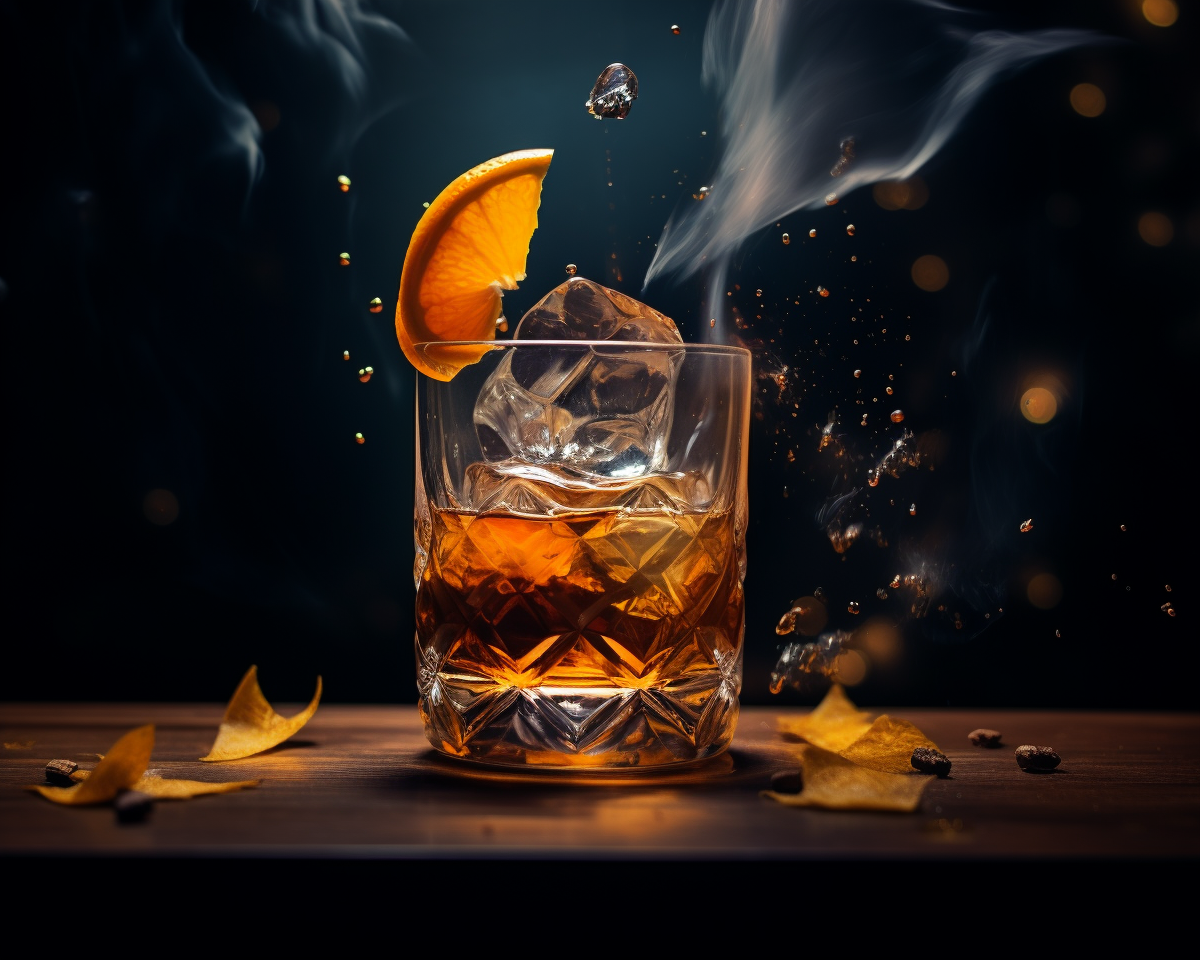
Whiskey Sour: Often presented in an old-fashioned glass with a cherry and/or orange slice garnish.
Set Up
- Daiquiri: Simple set up with a shaker, strainer, and coupe glass.
- Whiskey Sour: Requires a shaker, strainer, and old-fashioned glass, plus garnish.
Cleanup
- Daiquiri: Easy to clean with minimal tools and ingredients.
- Whiskey Sour: Moderate cleanup due to potential egg white use and garnish.
Expert Tips
For the perfect Daiquiri, use fresh lime juice and quality rum. For an exceptional Whiskey Sour, try a bourbon with a high rye content and don’t skip the egg white for that smooth, frothy finish.
💡 While both cocktails are relatively quick to prepare, the Daiquiri edges out the Whiskey Sour in terms of simplicity, making it an excellent choice for cocktail newbies.
Mixology Hacks for the Perfect Blend: Daiquiri vs Whiskey Sour
Muddling Right
For Daiquiri, you don’t need to muddle any ingredient. But for a Whiskey Sour, muddle fresh lemon to extract the juice for a sour punch.
Ice Matters
Both cocktails require ice, but while Daiquiri demands crushed ice for a refreshing chill, Whiskey Sour prefers large ice cubes to dilute slowly.
Shake vs Stir
Daiquiri is a shaken cocktail to perfectly blend the rum, lime juice and syrup. Whiskey Sour, on the other hand, can be both shaken and stirred, depending on your preference.
Balancing Act
In Daiquiri, balance is achieved with the sweet syrup and tart lime juice. For Whiskey Sour, balance comes from whiskey, lemon juice, and sugar syrup.
Aromatic Bitters
Aromatic bitters can add complexity to a Whiskey Sour. Daiquiri doesn’t traditionally use bitters.
Glassware
Serve Daiquiri in a chilled coupe glass and Whiskey Sour in an old-fashioned short tumbler.
Garnish Game
Garnish a Daiquiri with a lime wheel, and a Whiskey Sour with a cherry and orange slice for visual appeal and enhanced flavor.
Perfect Presentation
Presentation matters in cocktail crafting. Daiquiri is served straight-up, while Whiskey Sour is served on the rocks.
Temperature
Serve both Daiquiri and Whiskey Sour chilled for the best experience.
Crafting Signature Cocktails at Home
- Daiquiri: Combine 2 oz white rum, 1 oz fresh lime juice, and 1 oz simple syrup. Shake and strain into a chilled glass.
- Whiskey Sour: Mix 2 oz whiskey, 3/4 oz lemon juice, and 3/4 oz simple syrup. Shake and strain over ice in a tumbler.
Mixology Techniques for Beginners
Start with mastering the shake for Daiquiri and the stir for Whiskey Sour. Remember, practice makes perfect.
How to Balance Flavors in a Cocktail
Use fresh ingredients and quality spirits. For Daiquiri, balance sweet and tart. For Whiskey Sour, balance sweet, sour and strong.
Clarified Cocktails
Neither Daiquiri nor Whiskey Sour are typically clarified. They both have a delightful cloudiness that’s part of their appeal.
Dehydrated Garnish
Consider dehydrated lime for Daiquiri and dehydrated orange for Whiskey Sour to add a twist.
Freeze & Squeeze
Freeze then squeeze fresh limes for your Daiquiri and lemons for your Whiskey Sour for an extra fresh and cool kick.
💡 Unique insight: Shaking a Daiquiri helps to aerate it, giving it a frothy top, while stirring a Whiskey Sour helps to preserve its clarity and smoothness.
Daiquiri vs Whiskey Sour: A Battle of Alcohol Content
Alcohol Content of Daiquiri
The classic Daiquiri cocktail is usually made with 2 oz of rum, which typically has an alcohol content of 40% ABV. This gives your drink an estimated alcohol content of around 14% ABV.
Alcohol Content of Whiskey Sour
Whiskey Sour, on the other hand, features 2 oz of whiskey, commonly with an alcohol content of around 40% ABV too. However, due to other ingredients, the overall alcohol content downsizes to approximately 11% ABV.
| Daiquiri | Whiskey Sour |
|---|---|
| 14% ABV | 11% ABV |
Alcohol-Free Alternatives
- Mocktail Daiquiri: For a non-alcoholic Daiquiri, swap the rum for a rum-flavored syrup. This will give you the taste without the alcohol.
- Mocktail Whiskey Sour: In a Whiskey Sour, you can replace the whiskey with a non-alcoholic whiskey alternative or a simple syrup for a similar flavor profile.
💡 While both cocktails are made with spirits that have similar alcohol content, the overall ABV% of a Daiquiri is typically higher than a Whiskey Sour, due to the difference in other ingredients. So, if you’re looking for a lower alcohol content cocktail, Whiskey Sour is your go-to!
Daiquiri vs Whiskey Sour: A Nutritional Analysis
Caloric Intake
Whiskey Sour contains around 160-200 calories, slightly more than a Daiquiri, which contains approximately 150-170 calories.Carbohydrates
A Daiquiri has about 10-12g of carbs due to the sugar content, while a Whiskey Sour offers around 15-20g of carbs.Proteins, Fats, and Other Nutritional Elements
Both cocktails have negligible amounts of protein and fat. Daiquiri and Whiskey Sour contain small amounts of sodium and vitamins, primarily from the citrus fruit content.Allergens
Whiskey sours contain egg whites, which can be an allergen for some. Daiquiris, on the other hand, are generally allergen-free unless garnished with nuts.Sugar-Free and Low-Calorie Options
For a lower calorie option, consider a Daiquiri made with a sugar substitute. On the other hand, a Whiskey Sour can be made less sugary by reducing the amount of simple syrup.Gluten-Free Beverages
Both Daiquiri and Whiskey Sour can be gluten-free, depending on the specific brands of spirits used.Remember: It’s important to enjoy these cocktails in moderation as part of a balanced diet.
| Daiquiri | Whiskey Sour |
|---|---|
| 150-170 calories | 160-200 calories |
| 10-12g carbs | 15-20g carbs |
💡 Despite their taste differences, the Daiquiri and Whiskey Sour are quite similar in terms of nutritional content. The main difference lies in the allergen content, with the Whiskey Sour containing egg whites.
Daiquiri vs Whiskey Sour: High-Quality Facts
Key Ingredients
- Daiquiri: Rum, Lime Juice, Sugar
- Whiskey Sour: Whiskey, Lemon Juice, Sugar, Egg White
Origins
- Daiquiri: Originated in Cuba in the late 19th century
- Whiskey Sour: Began its journey in the United States around the mid-19th century
Flavor Profile
While both cocktails contain citrus and sugar, their flavor profiles are distinctly different. Daiquiri is a tropical, sweet yet tangy drink, while Whiskey Sour offers a more robust, sour, and slightly sweet taste.
Best Enjoyed
| Daiquiri | Whiskey Sour |
|---|---|
| Perfect for beach and summer parties | Ideal for a cozy evening or sophisticated gatherings |
Caloric Content
Daiquiri typically contains fewer calories than a Whiskey Sour, largely due to the absence of egg whites in its recipe.
💡 The egg white in a Whiskey Sour doesn’t just add to its caloric content, it also gives the cocktail its unique frothy top, adding a creamy texture that contrasts with its sour taste.
Daiquiri vs Whiskey Sour: A Comprehensive Guide
What are the ingredients in a Daiquiri and a Whiskey Sour?
A classic Daiquiri requires three key ingredients: white rum, freshly squeezed lime juice, and simple syrup. In contrast, a Whiskey Sour is made with bourbon, lemon juice, and simple syrup, traditionally garnished with a cherry and an orange slice.
How are these cocktails prepared?
Both Daiquiri and Whiskey Sour are shaken cocktails. For a Daiquiri, combine the rum, lime juice, and simple syrup in a shaker with ice, then strain into your glass. For a Whiskey Sour, shake the bourbon, lemon juice, and simple syrup with ice, then strain into a glass with fresh ice, garnishing with the cherry and orange slice.
What brands of alcohol are best for these cocktails?
For a Daiquiri, brands like Bacardi Superior or Havana Club Añejo Blanco are excellent choices. In a Whiskey Sour, a bourbon such as Buffalo Trace or Maker’s Mark can elevate the cocktail.
What barware and glassware are needed?
Both cocktails require a shaker, a strainer, and a jigger for measuring. A Daiquiri is traditionally served in a cocktail glass, while a Whiskey Sour is often served in an old-fashioned glass or a tumbler.
What are the best food pairings?
Daiquiri pairs well with light seafood dishes, while Whiskey Sour complements heavier, meat-based dishes due to its robust flavor.
How are these cocktails visually presented?
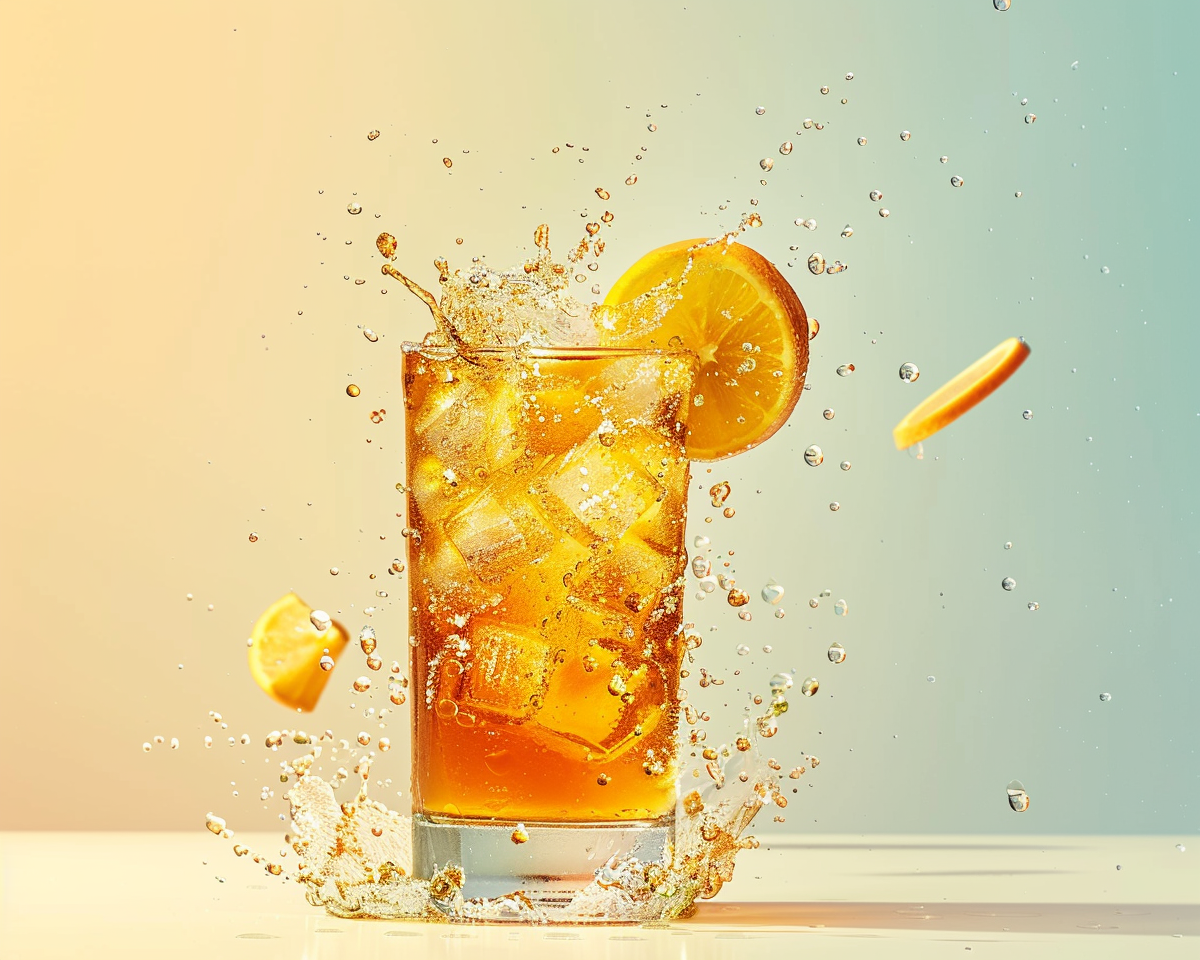
A Daiquiri is typically a clear, light green cocktail served in a stemmed glass. A Whiskey Sour is a cloudy, amber-colored drink served with a cherry and an orange slice garnish.
What is the nutritional information for these cocktails?
A Daiquiri typically has around 120-130 calories, while a Whiskey Sour has approximately 160-170 calories. Both cocktails contain sugar, so they may not be suitable for those with certain dietary restrictions or allergies.
What is the cost of making these cocktails?
The cost can vary based on the quality of the ingredients used, but generally, a Daiquiri is less expensive to make due to the lower cost of rum compared to bourbon.
What is the alcohol content of these cocktails?
The alcohol content in both cocktails can vary based on the amount and proof of alcohol used. However, both typically fall within the range of 20-25% ABV (Alcohol By Volume).
While both cocktails share a similar structure – spirit, citrus, and sweetener – the Daiquiri and Whiskey Sour offer distinct flavor profiles. The Daiquiri, with its rum base, is light and refreshing, perfect for summer, while the Whiskey Sour, with its bourbon base, is rich and warming, great for cooler months.