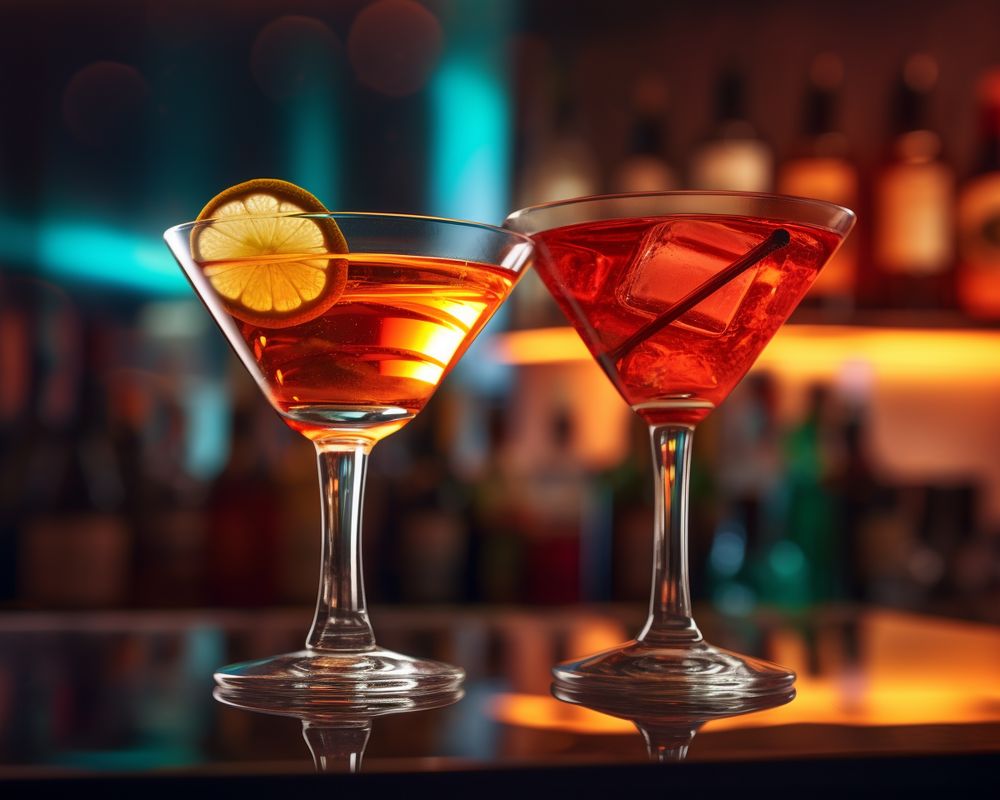
Taste Profile: Daiquiri vs Negroni
Basic Tastes
- Daiquiri: Sweetness from sugar syrup, sourness from fresh lime juice
- Negroni: Bitterness from Campari, sweetness from vermouth, slight saltiness
Other Taste Profile Factors
Daiquiri: Citrusy aroma, smooth texture, served cold, clean mouthfeel, short aftertaste
Negroni: Herbal aroma, velvety texture, served at room temperature, full-bodied mouthfeel, long bitter aftertaste
Considerations
| Daiquiri | Negroni |
|---|---|
| Balance between sweetness and sourness | Balance between bitterness and sweetness |
| Harmony of rum, lime, and sugar | Complexity of gin, vermouth, and Campari |
| Moderate intensity | High intensity |
| Contrast in sweet and sour | Contrast in bitter and sweet |
💡 While both cocktails have a balance of sweet and bitter/sour, the Daiquiri is simpler and more refreshing, making it a great summer drink. The Negroni, with its complexity and intensity, is more of a slow sipper, perfect for a relaxed evening.
Daiquiri vs Negroni: A Barware and Glassware Guide
Mixing & Preparation
- Daiquiri: Cocktail Shaker, Jigger, Ice Crusher
- Negroni: Mixing Glass, Bar Spoon, Jigger, Ice Molds
Serving & Presentation
- Daiquiri: Cocktail Glass, Garnish Tray, Coasters
- Negroni: Lowball Glass, Garnish Tray, Coasters
Storage & Organization
- Common to Both: Ice Bucket & Tongs, Bottle Opener & Corkscrew, Speed Pourers, Liquor Pour Spouts, Bar Mat, Bar Roll or Tool Bag
Garnishing & Fine Detailing
- Daiquiri: Cutting Board & Knife, Citrus Juicer
- Negroni: Peeler & Zester, Channel Knife
Preservation & Enhancement
- Common to Both: Champagne Stopper, Wine Aerator, Decanter, Wine Preserver
💡 While both cocktails require a set of similar tools, the Daiquiri’s need for a cocktail shaker and ice crusher highlights its emphasis on a frosty, well-blended presentation, whereas the Negroni’s use of a mixing glass and bar spoon underscores its focus on a smooth, well-balanced blend of flavors.
Cocktails Versatility: Daiquiri vs Negroni
Best Occasions
The Daiquiri, with its light, fresh, and fruity profile, is perfect for occasions like a beach day, barbecue, or any celebration under the sun. It’s also a popular choice for Girls’ Night Out and summer-themed parties.
On the other hand, the Negroni, with its robust and bitter flavor, is an excellent choice for more formal events. Corporate parties, product launches, and award ceremonies pair well with this sophisticated cocktail.
Seasonal Pairings
The Daiquiri’s refreshing and citrusy taste makes it a go-to cocktail during the hot summer months. It’s also a hit during spring, where its vibrant flavor complements the season’s lively atmosphere.
The Negroni, with its complex and warming flavors, is a perfect companion during the chilly autumn and winter seasons. Its rich taste is a comfort during the colder months.
Events Compatibility
For a fun and casual event like a music festival or a beach-themed birthday party, the Daiquiri is a surefire hit. Its easy-drinking nature and flexibility in flavor profiles make it a crowd-pleaser.
The Negroni, with its classy and bold flavors, is a fitting choice for art galas and charity events. It’s also an elegant addition to any sophisticated themed party.
💡 While both the Daiquiri and Negroni have their unique appeal, their versatility lies in the bartender’s ability to adjust the ingredients and proportions to fit the event, occasion, or season. Essentially, the art of mixology allows these cocktails to shine in any situation.
Comparing Daiquiri and Negroni: Ingredient Accessibility
Daiquiri Ingredients
- White Rum
- Lime Juice
- Simple Syrup
Negroni Ingredients
- Gin
- Campari
- Sweet Vermouth
Availability of Ingredients
Both Daiquiri and Negroni cocktails require three main ingredients. The ingredients for a Daiquiri are generally easier to find in any local supermarket or liquor store. Rum, lime juice, and simple syrup are common and widely available.
On the other hand, the Negroni ingredients might require a bit more effort. Gin and sweet vermouth are usually easy to find, but Campari, an Italian bitter aperitif, might not be as readily available in some locations. However, it is still relatively easy to source with a quick online search or a visit to a well-stocked liquor store.
Note: The availability of ingredients may vary based on geographical location and local liquor laws.
Preparation of Ingredients
Preparing the ingredients for both cocktails is straightforward. For a Daiquiri, the simple syrup can be made at home by dissolving sugar in water. For a Negroni, no additional preparation is needed as all ingredients are used as is.
💡 While both cocktails are simple to make, the Daiquiri requires fewer specialized ingredients, making it the more accessible cocktail for most people.
Daiquiri vs Negroni: A Deep Dive into Cocktail Variations
The Classic Daiquiri
The Classic Daiquiri is a timeless cocktail, a blend of rum, fresh lime juice, and sugar. This cocktail is typically shaken and served straight up.
Popular Daiquiri Variations
- Hemingway Daiquiri: A sweeter take on the classic, this variation includes grapefruit juice and maraschino liqueur.
- Strawberry Daiquiri: This fruity version adds fresh strawberries and is often served frozen.
The Traditional Negroni
The Negroni is a bold and bitter cocktail, consisting of equal parts gin, Campari, and sweet vermouth. It’s typically stirred and served over ice.
Noteworthy Negroni Variations
- Negroni Sbagliato: This variation replaces the gin with sparkling wine for a lighter, bubblier cocktail.
- White Negroni: A twist on the original, the White Negroni uses Lillet Blanc and Suze in place of Campari and sweet vermouth.
Whether you prefer the sweet and sour notes of a Daiquiri or the bold bitterness of a Negroni, there’s a cocktail variation out there for everyone!
💡 Unique Insight: Did you know? The Hemingway Daiquiri is named after the famous writer Ernest Hemingway. It was reportedly his favorite version of the cocktail.
Cocktail Cost: Daiquiri vs Negroni
Daiquiri Cost
Starting with the Daiquiri, a classic cocktail with a simple recipe. It’s made with just three ingredients: rum, lime juice, and sugar. The cost of making a Daiquiri can vary depending on the rum you choose. Here are some options:
- Lower-end brand: Bacardi Superior – $15 per bottle
- Medium-range brand: Havana Club 3 Year Old – $25 per bottle
- Higher-end brand: Ron Zacapa Centenario 23 – $48 per bottle
Negroni Cost
On the other hand, the Negroni is a more complex cocktail with three ingredients: gin, Campari, and sweet vermouth. The cost of a Negroni can be higher due to the gin used. Here are some options:
- Lower-end brand: Gordon’s London Dry Gin – $15 per bottle
- Medium-range brand: Tanqueray London Dry Gin – $25 per bottle
- Higher-end brand: Hendrick’s Gin – $40 per bottle
💡 Unique Insight: While the Daiquiri and Negroni may seem similar in cost due to the price of their primary spirits, the Negroni can often be more expensive. This is because it requires three spirits, while the Daiquiri only requires one. Plus, the Campari and vermouth used in a Negroni can be pricier than the simple syrup and lime juice in a Daiquiri.
Prep & Mix Time: Daiquiri vs Negroni
Total Preparation Time
- Daiquiri: 5 minutes
- Negroni: 10 minutes
Mixing Time
| Daiquiri | Negroni |
|---|---|
| 2 minutes | 3 minutes |
Complexity of Preparation
Daiquiri: Easy
Negroni: Medium
Ingredient Preparation
- Daiquiri: Lime juice extraction and sugar syrup preparation
- Negroni: No preparation needed, just measure and pour
Mixing Techniques
Daiquiri requires a shaker, while Negroni is stirred directly in the glass.
Presentation
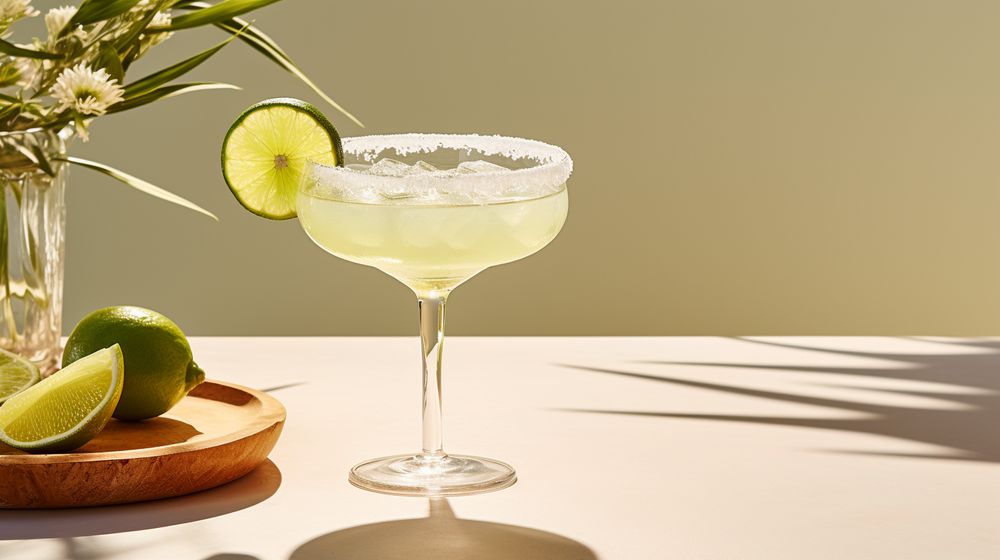
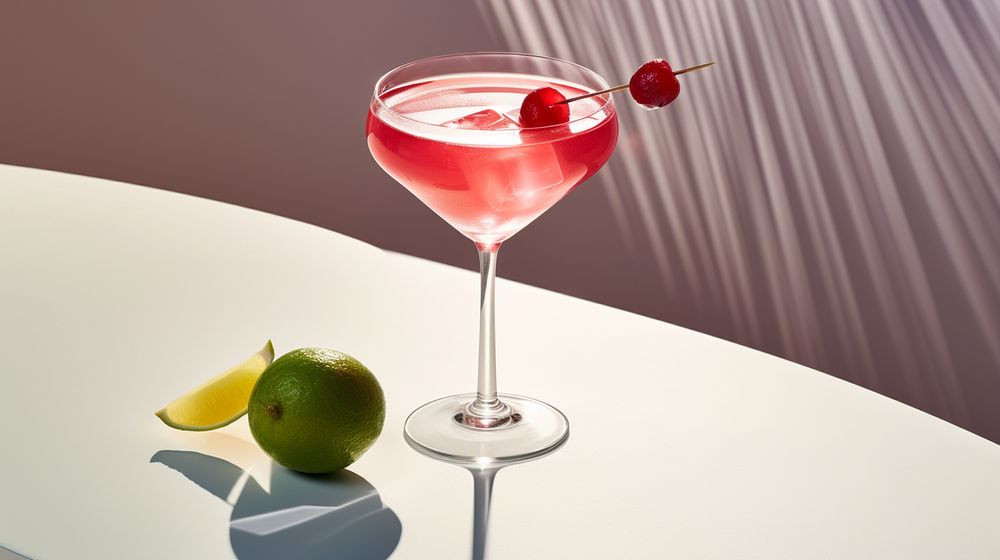
- Daiquiri: Served in a cocktail glass, garnished with a lime wheel
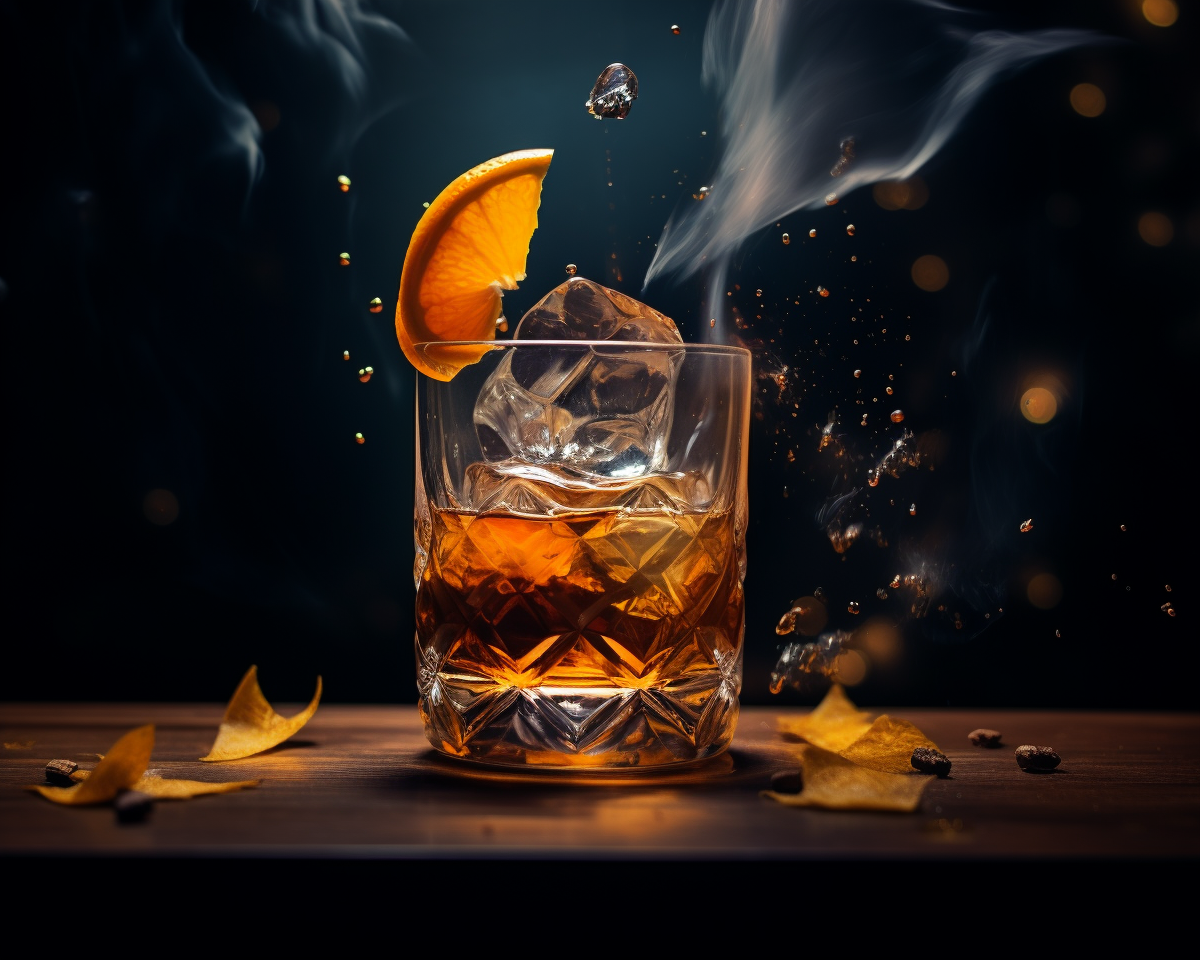
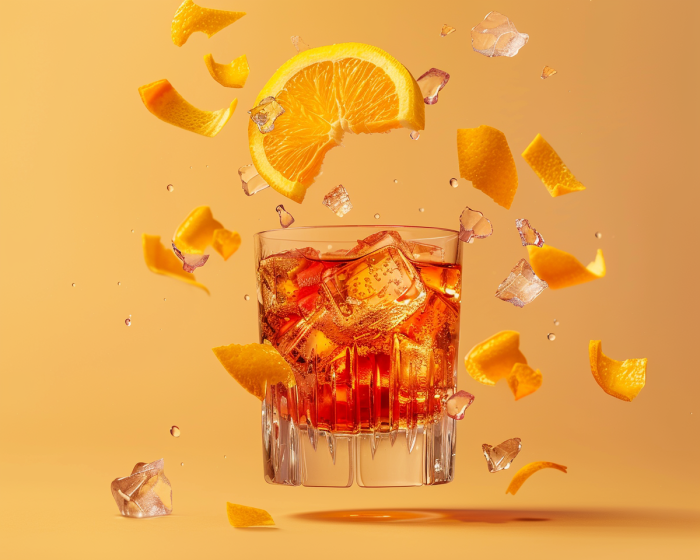
- Negroni: Served in an old-fashioned glass, garnished with an orange slice
Set Up
Both cocktails require a bar spoon, jigger, and the appropriate glasses.
Cleanup
Daiquiri involves more cleanup due to the shaker and strainer, while the Negroni only requires rinsing the stirring glass and spoon.
Waiting Time
Daiquiri: No waiting time
Negroni: Allow to sit for a minute to let the flavours meld
Expert Tips
For Daiquiri, always use fresh lime juice. For Negroni, try different gins to change the flavour profile.
💡 Despite the longer preparation time, the Negroni’s complexity and depth of flavour make it a cocktail worth waiting for.
Mixology Hacks for the Perfect Blend: Daiquiri vs Negroni
Muddling Right
For a Daiquiri, muddling isn’t necessary. In contrast, Negroni requires a gentle muddling of the orange slice to release the zest oils.
Ice Matters
Crushed ice is ideal for Daiquiri, while large ice cubes work best for Negroni to slow dilution.
Shake vs Stir
Daiquiri is a shaken cocktail, ensuring a refreshing chill. On the other hand, Negroni is stirred, maintaining its robust flavor.
Balancing Act
A Daiquiri balances sweet and sour with rum, lime juice, and sugar. A Negroni is a harmony of bitter and sweet from Campari, gin, and vermouth.
Herb Infusion
While neither Daiquiri nor Negroni traditionally includes herbs, a sprig of mint can enhance a Daiquiri, while a rosemary sprig can add depth to a Negroni.
Aromatic Bitters
Aromatic bitters aren’t necessary in a Daiquiri but are often added to a Negroni for complexity.
Smoke Effects, Double Straining, and Perfect Presentation
Neither cocktail requires smoke effects or double straining. For presentation, serve Daiquiri in a chilled coupe glass and Negroni in an old-fashioned glass.
Glassware and Garnish Game
A Daiquiri shines in a coupe glass with a lime wheel garnish. A Negroni is best in an old-fashioned glass garnished with an orange slice.
Temperature
Both cocktails are best served cold. Chill the glassware for an elevated experience.
Crafting Signature Cocktails at Home
Experiment with different rums for Daiquiri and gins for Negroni to create your unique blend.
Mixology Techniques for Beginners
Master the shake for Daiquiri and the stir for Negroni. Remember, practice makes perfect!
How to Balance Flavors in a Cocktail
For Daiquiri, balance lime’s acidity with sugar. For Negroni, balance Campari’s bitterness with sweet vermouth.
Clarified Cocktails, Dehydrated Garnish, and Freeze & Squeeze
These techniques aren’t typically used in Daiquiri or Negroni, but don’t let that stop you from experimenting!
💡 The key to the perfect blend lies in understanding the character of each cocktail. Daiquiri is about balance and freshness, while Negroni is about complexity and depth. Master these principles, and you can create your unique spin on these classic cocktails.
Daiquiri vs Negroni: A Deep Dive into Alcohol Content
Daiquiri: A Delicate Balance
Typically, a classic Daiquiri cocktail contains 2 oz of white rum, which equates to around 40% ABV (Alcohol by Volume). However, this can vary depending on the brand of rum used and the bartender’s hand. The alcohol content is balanced with the sweetness of simple syrup and the tanginess of fresh lime juice.
Negroni: A Strong Contender
A Negroni, on the other hand, is a more potent cocktail. It’s made with equal parts of gin, Campari, and sweet vermouth, each contributing about 25% to 28% ABV. This brings the total ABV of a Negroni to approximately 26%, making it a stronger option compared to a Daiquiri.
Alcohol-Free Alternatives: Mocktail Versions
Daiquiri Mocktail: A Refreshing Substitute
For those who prefer an alcohol-free version, a Daiquiri mocktail can be made by substituting the rum with coconut water. The sweetness and tropical flavor of the coconut water complement the lime juice and simple syrup, creating a refreshing and guilt-free beverage.
Negroni Mocktail: A Bold Choice
An alcohol-free Negroni can be achieved by replacing the gin with non-alcoholic spirit, the Campari with a bitter aperitif syrup, and the sweet vermouth with non-alcoholic red wine. This mocktail version maintains the bitter-sweet taste profile of a classic Negroni, making it a bold and sophisticated choice for non-drinkers.
💡 While the Daiquiri and Negroni have distinct alcohol contents, their mocktail versions offer similar flavor profiles without the alcohol. This makes them excellent choices for those wanting to enjoy the cocktail experience without the intoxicating effects.
Nutritional Information: Daiquiri vs Negroni
Caloric Intake
A standard Daiquiri has approximately 112 calories, while a Negroni contains around 186 calories.
Spirits and Mixers
Daiquiri is a rum-based cocktail mixed with citrus juice and sugar, while Negroni is a blend of gin, vermouth, and Campari.
Sugar Content and Simple Syrups
A Daiquiri has a higher sugar content due to the simple syrup used, whereas a Negroni has a lower sugar content but can be sweet due to the vermouth.
Carbohydrates
Carbohydrate content in a Daiquiri is approximately 6.7g, while a Negroni has around 16g.
Citrus Fruits and Herbs
Daiquiris incorporate lime juice, while Negroni uses an orange peel for garnish.
Allergens, Nuts, and Gluten
Both cocktails are typically free of common allergens, nuts, and gluten, but it’s always safe to check with your bartender.
Other Factors
Both cocktails contain alcohol and should be consumed responsibly. They do not contain any proteins, fats, significant amounts of vitamins or minerals, or caffeine.
Low-calorie and Sugar-free Options
A Daiquiri can be made low-calorie by reducing the sugar or using a sugar substitute. A Negroni, being less sweet, is already relatively low in sugar.
💡 While both cocktails have their unique taste profiles and nutritional aspects, choosing between them comes down to personal preference and dietary considerations. For a lower-calorie and less sugary option, a Daiquiri can be modified, while a Negroni is a more bitter, complex flavor with a higher alcohol content.
High Quality Facts: Daiquiri vs Negroni
Classic Ingredients
Daiquiri: A simple yet refreshing blend of rum, fresh lime juice, and sugar.
Negroni: A robust combination of gin, Campari, and sweet vermouth.
Taste Profile
Daiquiri: Sweet and sour with a citrusy kick.
Negroni: Bitter and complex with a hint of sweetness.
Origin
Daiquiri: Birthed in the small mining town of Daiquiri, Cuba.
Negroni: Concocted in Florence, Italy by Count Camillo Negroni.
Best Served
Daiquiri: In a chilled cocktail glass.
Negroni: On the rocks in an old-fashioned glass.
Popular Variations
Daiquiri: Strawberry Daiquiri, Hemingway Daiquiri.
Negroni: Negroni Sbagliato, Boulevardier.
Alcohol Content
| Daiquiri | Negroni |
|---|---|
| Medium | High |
💡 While both cocktails are revered for their distinctive tastes and histories, the Daiquiri is best for those who prefer a sweeter, more refreshing drink, while the Negroni is ideal for those who appreciate a bitter, more complex flavor profile.
Daiquiri vs Negroni: A Comprehensive Cocktail Comparison
What are the main ingredients of a Daiquiri and a Negroni?
In a classic Daiquiri, you’ll typically find white rum, lime juice, and simple syrup. On the other hand, a Negroni is composed of equal parts gin, sweet vermouth, and Campari.
How are these cocktails prepared?
A Daiquiri is shaken with ice, strained, and served in a cocktail glass. A Negroni, conversely, is stirred with ice, strained, and served over ice in an old-fashioned glass.
Which alcohol brands are best for these cocktails?
For a Daiquiri, brands like Bacardi or Havana Club are often recommended. For a Negroni, you might opt for Beefeater Gin, Cinzano Vermouth, and Campari.
What barware and glassware are needed?
For a Daiquiri, you’ll need a cocktail shaker and a cocktail glass. For a Negroni, a mixing glass and an old-fashioned glass are required.
What are the best food pairings for these cocktails?
A Daiquiri pairs well with seafood dishes, while a Negroni complements rich, savory dishes like steak or pasta.
How are these cocktails visually presented?
A Daiquiri is often garnished with a slice of lime, while a Negroni is typically adorned with an orange peel.
What is the nutritional information for these cocktails?
A standard Daiquiri has around 120 calories and contains no allergens. A Negroni, on the other hand, has approximately 186 calories and also contains no allergens.
What is the cost of making these cocktails?
The cost of making a Daiquiri can range from $2 to $3 per drink, depending on the rum used. A Negroni can cost around $3 to $4 per drink, depending on the brands of gin, vermouth, and Campari used.
What is the alcohol content (ABV percentage) of these cocktails?
A Daiquiri has an ABV of around 20%, while a Negroni has a higher ABV of approximately 24%.
Unique Insight: Despite their differences, both the Daiquiri and Negroni are celebrated for their balance of sweet and bitter flavors, making them timeless classics in the world of cocktails.