Whiskey tasting is more than just a social pastime; it’s a sensory exploration into the world of one of the most revered spirits. Whether you’re new to the world of whiskey or a seasoned connoisseur, there’s always something new to discover. From its nuanced aromas to its layers of flavor, whiskey invites you to slow down, savor, and appreciate its craftsmanship.
Whiskey Recipes


Whiskey Tasting
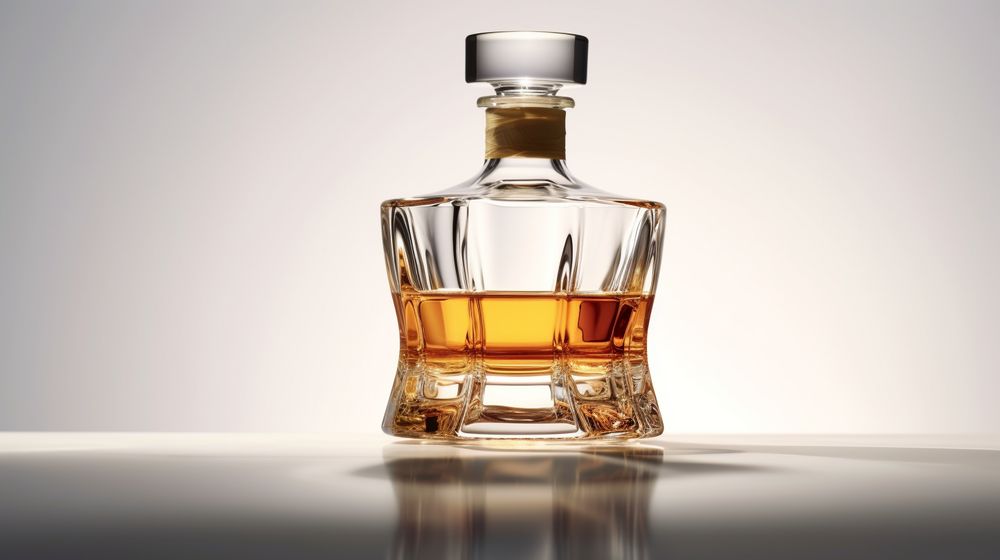
See, Sniff, Sip: Whiskey tasting follows the three S’s—See, Sniff, and Sip. First, observe the whiskey’s color, which can hint at its age and cask type. Then, gently sniff to take in its aromas, from fruity and spicy to smoky or floral. Finally, sip the whiskey, letting it coat your palate as you explore the flavors and textures.
The Glass: The right glass makes a difference. A tulip-shaped glass like the Glencairn helps concentrate the aromas at the top, enhancing the tasting experience.
A Comprehensive List of Whiskey Types
Scotch Whisky
Known for its diverse regional flavors, Scotch comes in five categories—Single Malt, Single Grain, Blended Malt, Blended Grain, and Blended Scotch.
Irish Whiskey
Typically triple-distilled, it includes Single Malt, Single Pot Still, Grain Whiskey, and Blended Whiskey, offering a smoother and lighter taste.
American Whiskey
Includes Bourbon, Rye Whiskey, Tennessee Whiskey, and Corn Whiskey, each with distinct characteristics based on the grain used.
Canadian Whisky
Often lighter and smoother, Canadian whisky (or rye whisky) is known for its blend of grains.
Japanese whisky
Influenced by Scotch but with a more refined balance, it is well-known for its precision and craftsmanship.
Spirited Story of Whiskey
Whiskey’s origins date back centuries, from early distillation in ancient times to modern distilleries around the world. It has evolved through historical events like the American Prohibition and the Scottish distilling traditions, shaping the spirit we enjoy today.
Bourbon vs. Scotch
While Bourbon and Scotch share whiskey heritage, their differences are pronounced:
Bourbon: Made in the U.S. from at least 51% corn, giving it a sweet and full-bodied profile with notes of caramel, vanilla, and oak.
Scotch: Produced in Scotland, it varies by region. Peaty whiskies come from Islay, while fruitier and floral styles emerge from Speyside and Highland regions.
Irish Whiskey vs. Scotch Whisky
Irish Whiskey’s triple-distillation process makes it smooth and light, while Scotch whisky can range from light and floral to bold and smoky, depending on its regional origin and production techniques.
Whiskey Distillation Process
The whiskey-making process transforms grains into a spirit through malting, mashing, fermentation, distillation, and aging. The use of copper stills, the type of wood in the barrels, and the length of aging all significantly influence the final product.
Whiskey and Food Pairings
Pairing whiskey with food enhances both the drink and the dish. Try bourbon with barbecue, Scotch with strong cheeses, or rye whiskey with dark chocolate for a delightful balance of flavors.
Global Whiskey Tour
From the peaty malts of Scotland’s Islay region to the refined elegance of Japan’s Yamazaki, whiskey is produced across the globe, each country contributing its own signature flavor to this timeless spirit.
For the true whiskey lover, visiting a distillery is an unforgettable experience. From Kentucky’s Bourbon Trail to Scotland’s Islay distilleries, tours offer insight into whiskey-making and, of course, tastings of rare expressions.
Whisky Barrel Aging
A whiskey’s aging process in oak barrels is key to its flavor. The wood imparts vanilla, caramel, and spice notes, while the charring of the barrels brings out smoky flavors. The longer the whiskey ages, the more complex it becomes.
Whisky Cocktails
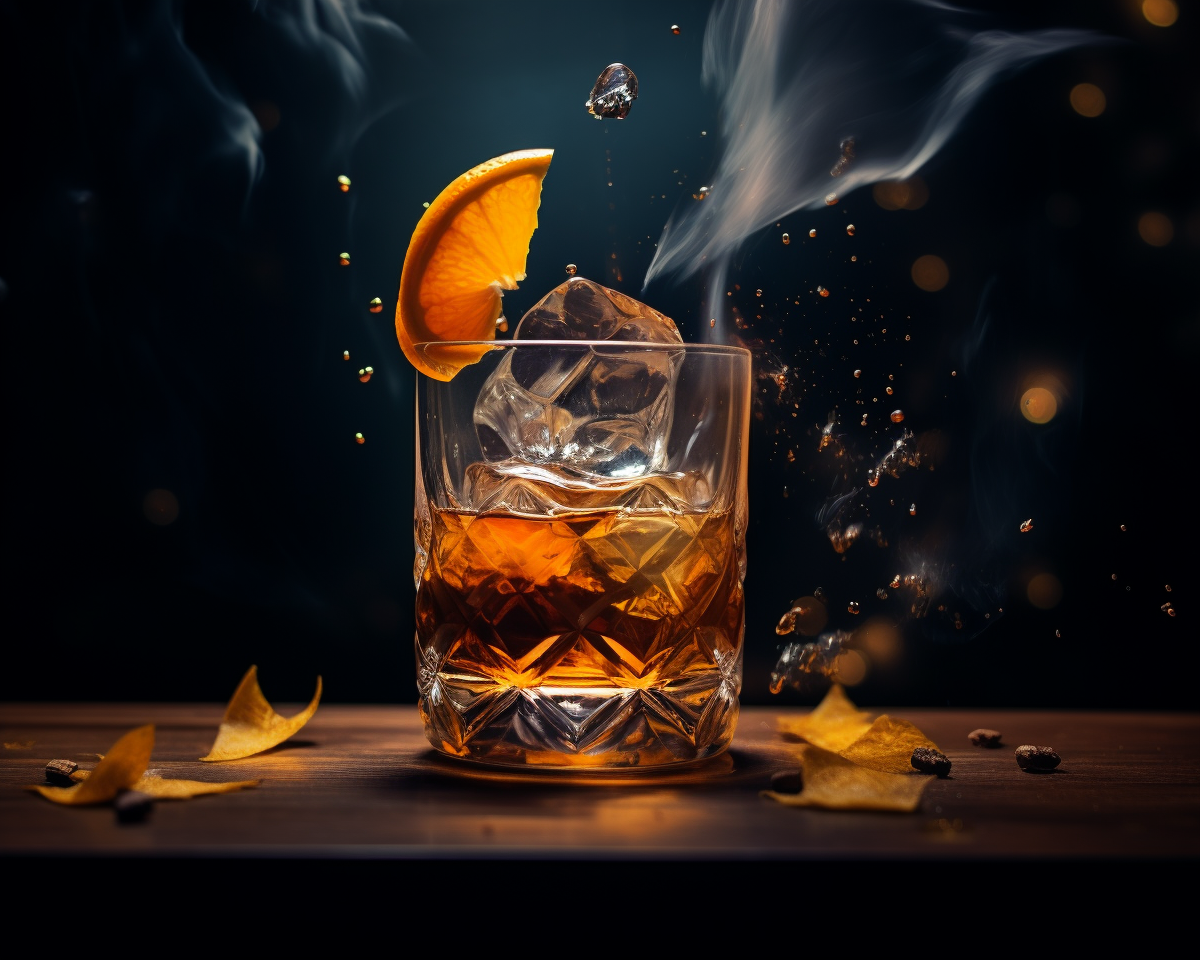
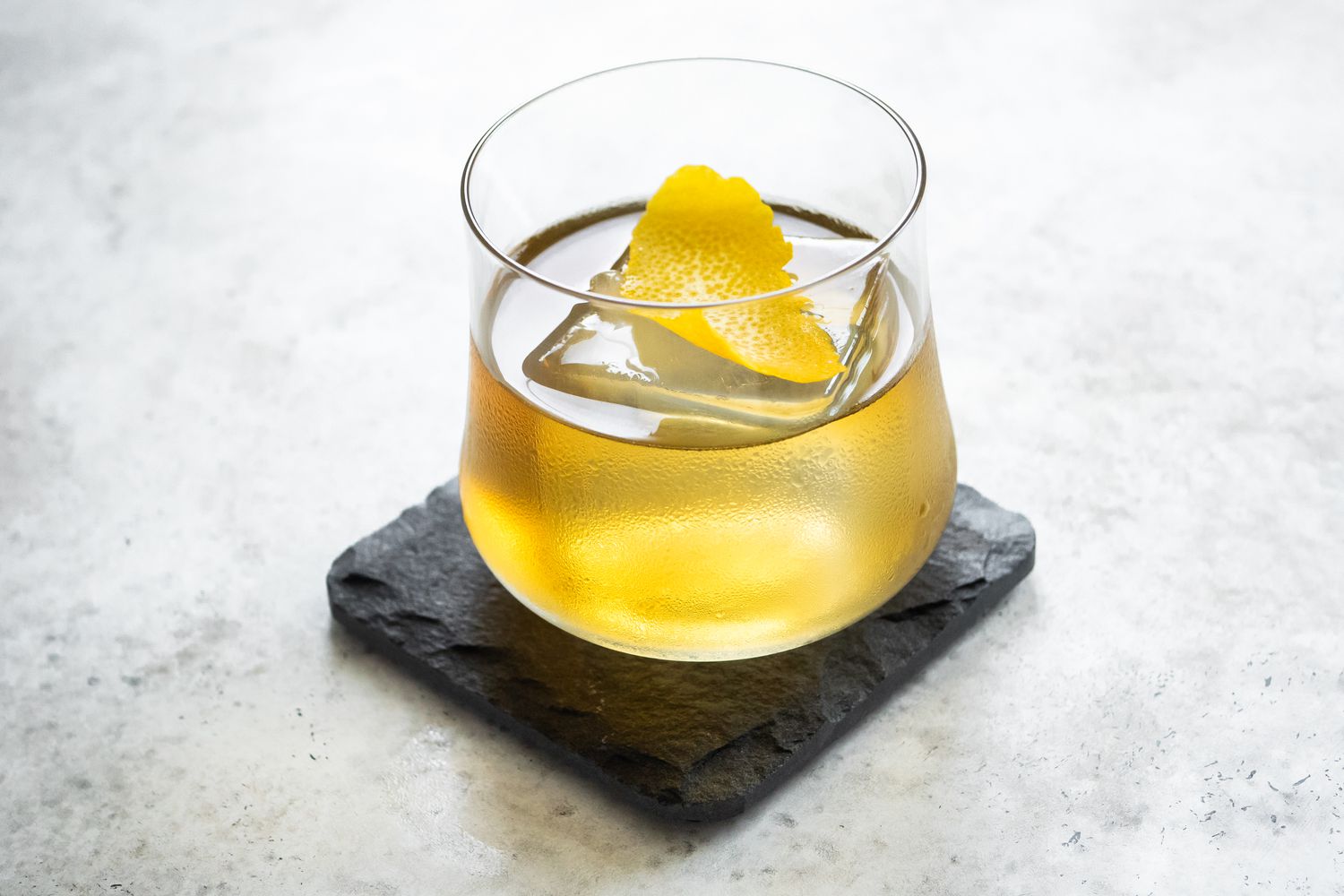
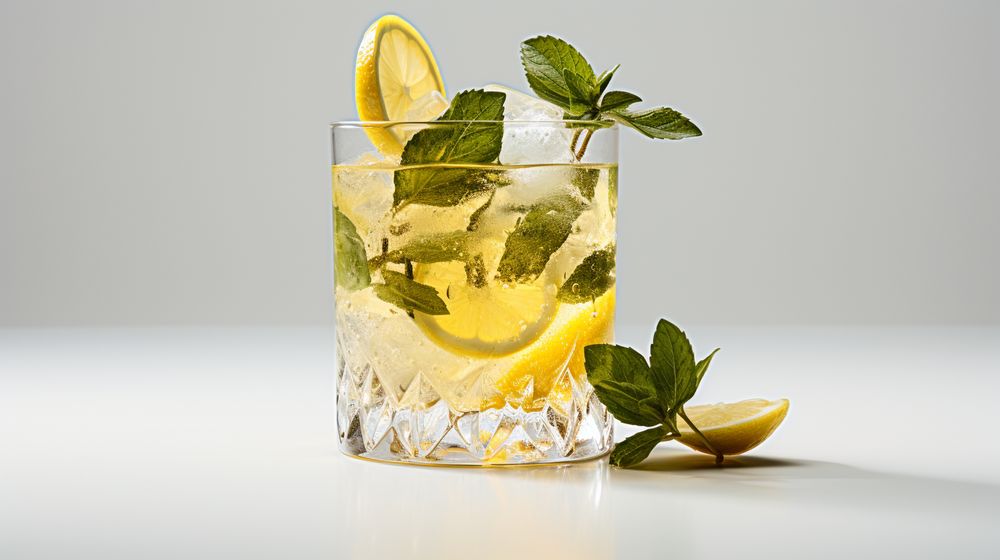
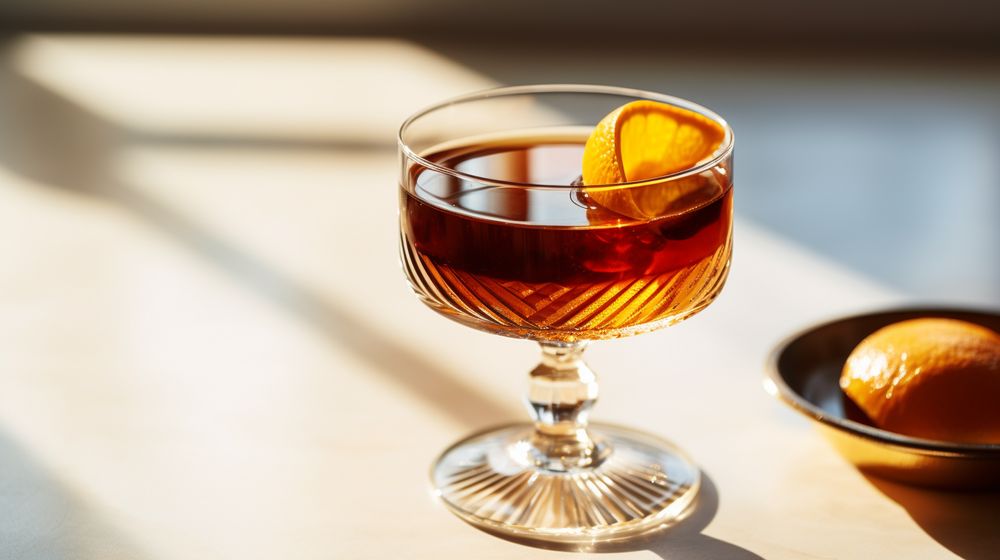
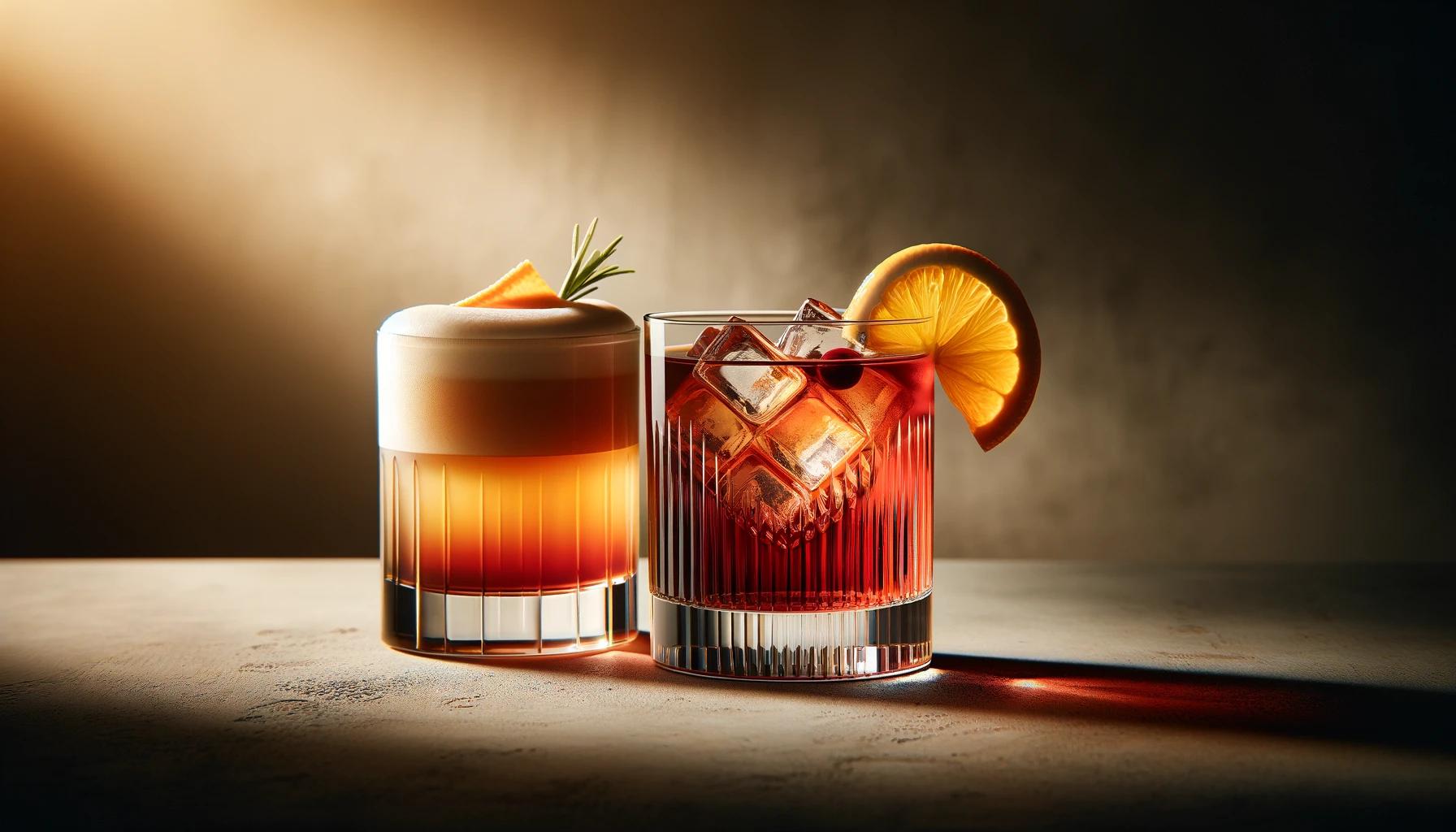
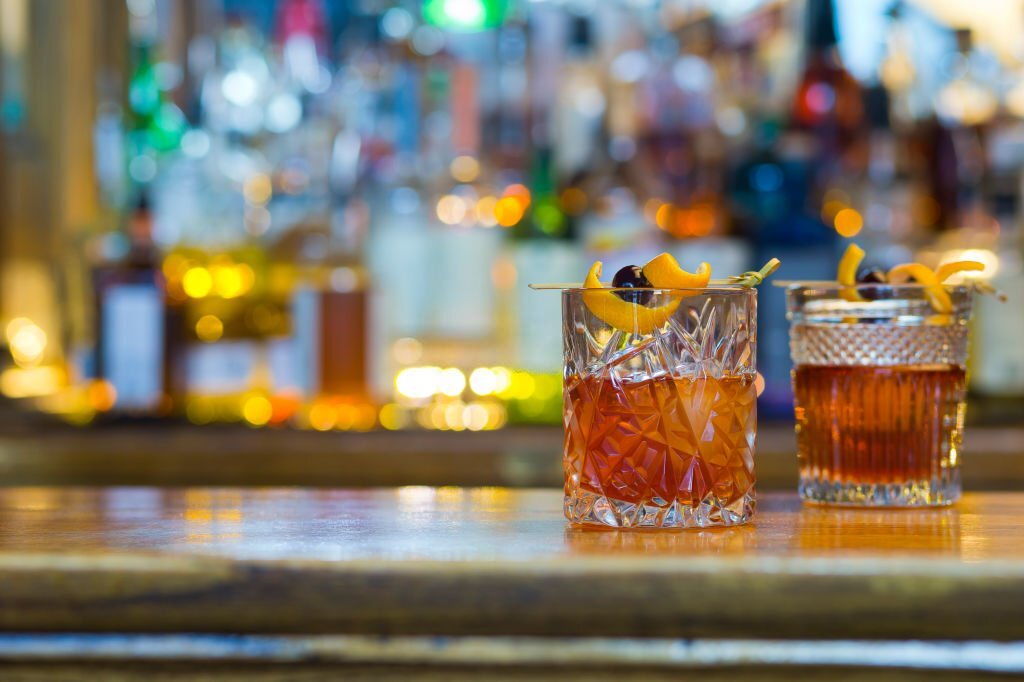
Classic whiskey cocktails like the Old Fashioned and Whiskey Sour are timeless. For something fresh, try modern creations like the Gold Rush or New York Sour, which put a new twist on traditional whiskey cocktails.
Eco-Friendly Practices in Whiske Production
Distilleries around the world are embracing sustainability, reducing water usage, recycling waste, and using renewable energy sources like biomass and wind power to make whiskey production more eco-friendly.
Top Whisky Festivals
Whiskey festivals, like the Kentucky Bourbon Festival or Whisky Live, offer enthusiasts a chance to sample a wide variety of whiskies, attend masterclasses, and connect with other whiskey lovers from around the world.