Introduction to Distillation
Distillation is an age-old process that’s essential to the crafting of the spirits we adore. But what exactly is distillation, and why does it hold such importance in spirit creation?
In essence, distillation is the heating and cooling process used to purify alcohol and concentrate it.
The artistry lies in separating the alcohol from the mash or base ingredients, thereby creating a spirit with a high alcohol content and a distinct flavor profile.
It’s the heart of any spirit production, transforming ordinary ingredients into the extraordinary beverages we relish.
Understanding the Basics of Vodka Distillation
Vodka, renowned for its neutrality, owes its fame to a meticulous distillation process.
Typically made from grains or potatoes, vodka undergoes multiple distillations to strip away impurities and flavors.
The result?
An almost pure, high-proof spirit celebrated for its versatility Here’s a simple breakdown:
- Mashing: The base ingredients are boiled to produce a mash.
- Fermentation: Yeast is added to the mash, converting the sugars into alcohol.
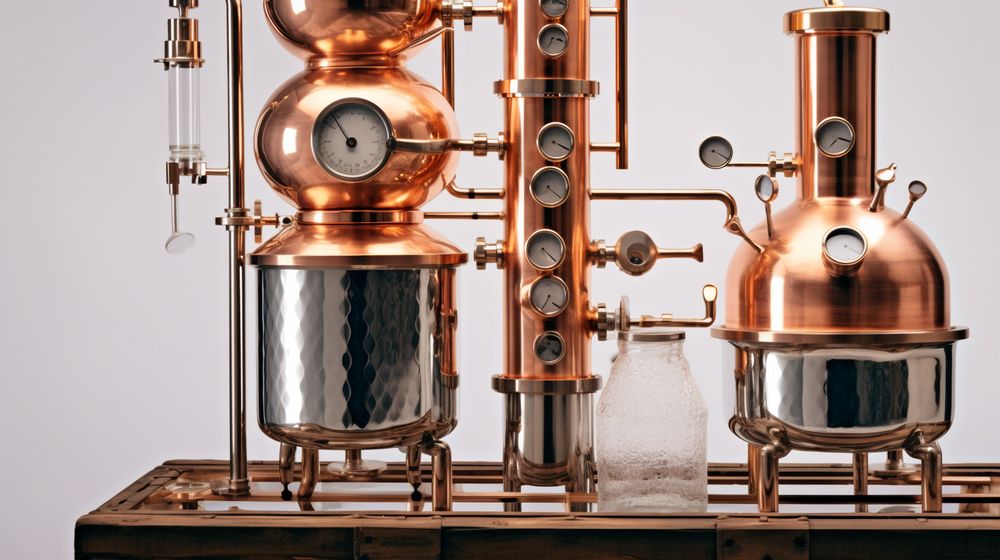
- Distillation: The mash is heated in a still, separating alcohol from the rest.
- Rectification: Multiple distillations refine the spirit, removing impurities and enhancing alcohol content.
- Filtration: The spirit is filtered, often through charcoal, to further purify it.
- Dilution: Water is added to reduce the alcohol by volume (ABV) to a more palatable level.
Learn more about Vodka Distillation.
Understanding the Basics of Gin Distillation
The gin distillation process, while similar to vodka’s, has an additional layer of complexity: the infusion of botanicals. Predominantly juniper berries, these botanicals give gin its distinctive flavor. The gin distillation process typically includes:
- Mashing, Fermentation, and Distillation: Similar to vodka, these steps prepare the base spirit.
- Infusion: The base spirit is redistilled with juniper berries and other botanicals to infuse their flavors.
- Dilution: Post-infusion, water is added to achieve the desired ABV.
Learn more about Gin Distillation.
Comparing Base Ingredients
Vodka and gin, while similar in many respects, start their journeys with different base ingredients.
Vodka typically starts with grains or potatoes, while gin often begins with a neutral grain spirit.
The choice of base ingredient impacts the spirit’s texture and mouthfeel, with grain-based spirits often feeling smoother and potato-based ones lending a creamier mouthfeel.
The Role of Botanicals in Gin
Botanicals are the soul of gin, lending it its characteristic flavor profile. The hero, juniper, imparts a piney freshness, while other botanicals—from citrus peels to spices and herbs—add complexity.
The botanicals’ role is crucial, distinguishing gin from its vodka counterpart by adding depth and flavor nuances.
Flavor Profiles
Vodka is revered for its neutrality, offering a clean, crisp palate. In cocktails, its subtle grain or potato notes are frequently overshadowed by mixers.
Gin, on the other hand, is a flavor symphony led by juniper and backed up by a symphony of other botanicals.
Because of its complexity, gin is a versatile spirit that shines in both cocktails and on its own.
Non-Alcoholic Alternatives
The world of non-alcoholic spirits is evolving, offering mocktail seekers gin and vodka alternatives.
These options mimic the taste of their alcoholic counterparts using distilled botanicals, minus the alcohol.
While not technically ‘distilled’ in the traditional sense, they capture the essence of the originals remarkably well.
Impact on Cocktails: Mixology’s Dynamic Duo
The different distillation processes and resulting flavor profiles of gin and vodka greatly impact the taste of various cocktails.
Vodka’s neutrality allows it to mix well with other ingredients without overpowering them, while gin’s complexity can bring a cocktail to life, adding depth and character.
Conclusion and Further Exploration: Savor the Spirits
In summary, the distillation processes of gin and vodka, while similar at the core, differ greatly in their approach to flavor. While vodka prioritizes purity and neutrality, gin embraces complexity and character.
We encourage readers to explore different brands and types of gin and vodka to further appreciate these spirits’ distillation processes and the skilled craftsmanship they entail.
From understanding distillation to exploring non-alcoholic alternatives, we’ve journeyed through the fascinating world of gin and vodka.
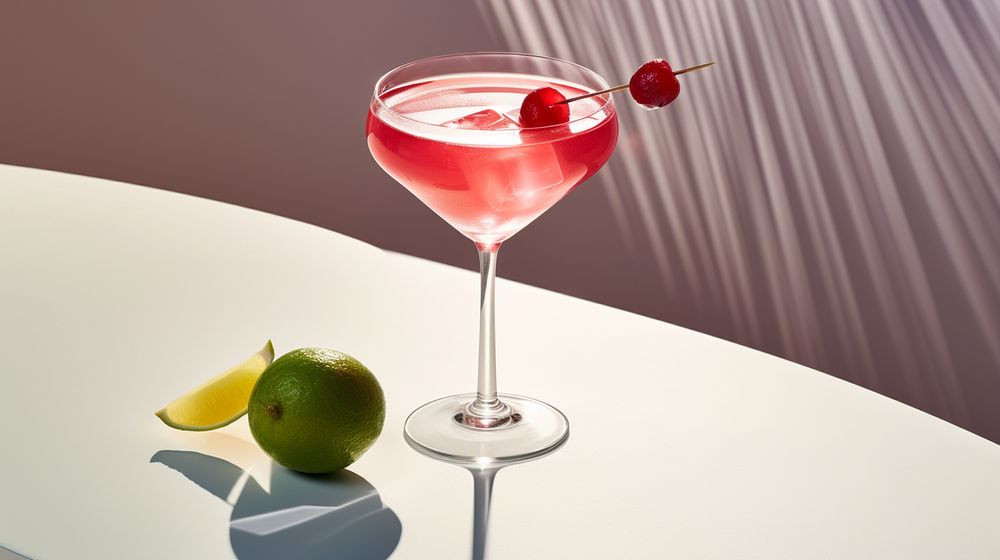
Whether you’re a cocktail connoisseur or a curious novice, the next time you sip on a Vodka Gimlet or a Rose Water and Gin cocktail, remember the artistry and craftsmanship behind these beloved spirits.
Unveiling the Mysteries of Gin and Vodka: A Curated FAQ Session
What makes gin different from vodka?
While both gin and vodka are spirits that can be made from a variety of grains, they are distinct in their flavor profiles and production methods.
Vodka is distilled to be as neutral as possible, with a clean and smooth flavor profile. On the other hand, gin is defined by its botanical flavoring, predominantly juniper berries, which gives it a unique and complex flavor.
Other botanicals like citrus peel, coriander seeds, and angelica root may also be used, resulting in a wide variety of gin styles and flavors.
Which is more versatile, gin or vodka?
The versatility of a spirit can be subjective and depends on the drinker’s preference.
Vodka’s neutrality makes it a popular choice for mixed drinks, as it can blend seamlessly with other ingredients without overpowering them.
However, gin’s distinct botanical flavors can add complexity and depth to cocktails, making it an exciting choice for mixologists and cocktail enthusiasts.
It’s safe to say that both gin and vodka have their own strengths when it comes to versatility.
What is the difference between gin and vodka distillation?
The primary difference between the distillation of gin and vodka lies in the flavoring process. Vodka is typically distilled multiple times to achieve a high level of purity and neutrality in its flavor.
After distillation, it is often filtered to remove any remaining impurities.
Gin, on the other hand, is flavored with botanicals during the distillation process.
This is usually accomplished by steeping the botanicals in the spirit and redistilling it (the “pot-distilled” method) or infusing the flavors by passing the spirit vapor through a chamber containing the botanicals (the “vapor-infused” method).
Which is less fattening, vodka or gin?
In terms of calorie content, gin and vodka are quite similar. Both spirits contain roughly the same amount of calories per standard shot (around 97 calories for 1.5 ounces).
The calorie content can increase significantly when mixed with sugary mixers or liqueurs.
Therefore, if you’re watching your calorie intake, it might be best to enjoy these spirits in moderation or choose low-calorie mixers.